
Key takeaways
- Dock placement should follow cart paths and maintenance corridors, not fairway centers.
- Stable power and dry footing matter more than squeezing chargers into the existing barn.
- Overnight windows protect tee times while robots refill between mowing blocks.
- Service bays need blade and software access without trampling surrounds.
- A site walk before purchase prevents rework when the fleet grows.
Why charging layout decides whether fairway robots stick
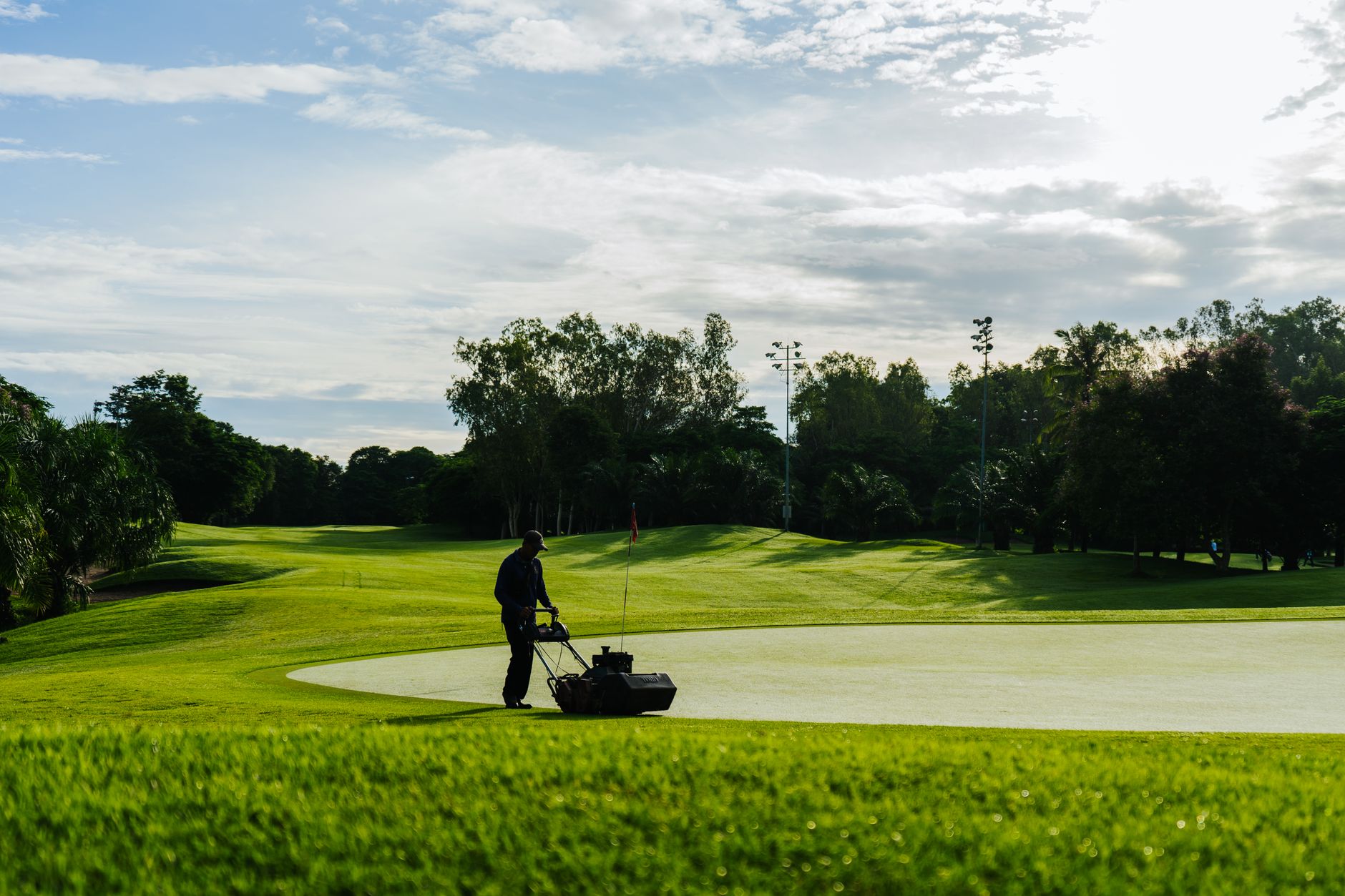
Autonomous fairway mowing only pays off when units return on schedule, charge safely, and stay out of play. The USGA Green Section Record noted in 2025 that as more courses adopt autonomous mowing, storage and charging have become a practical bottleneck, not a side detail.
Superintendents who treat docks like parking a triplex often learn the hard way. Cords across walkways, wet turf around transformers, and chargers tucked behind a fuel tank slow every morning rollout.
GCMOnline coverage of the February 2025 GCSAA Conference and Trade Show in San Diego showed how many vendors now demo live on grass strips, which pushes the conversation from novelty to installation math. Your charging plan is part of that math.
This guide focuses on physical setup: where bays go, how power and drainage behave, and how crews service blades without blocking cart traffic.
What belongs near a fairway mower dock
Think of each dock as a small maintenance island. You need level ground, a protected power feed, clearance for the machine to align, and a few feet of working space for a technician with a toolbox.
Courses that run multiple units often cluster docks along a maintenance road so one electrician visit serves several bays. That mirrors how pump stations and wash pads already sit on many properties.
Keep combustible storage and wash-down chemicals separate. Electric fairway platforms and gasoline cans do not belong in the same alcove.
Label shutoffs clearly. A night irrigation hit on a tripped breaker should not require a phone call to the club manager to find the right panel.
- Dedicated circuit or panel space sized with your electrician
- Non-slip footing that drains after irrigation or rain
- Overhead or bollard protection where carts turn tight
- Lighting for winter starts and late troubleshooting
How close should chargers sit to cart paths
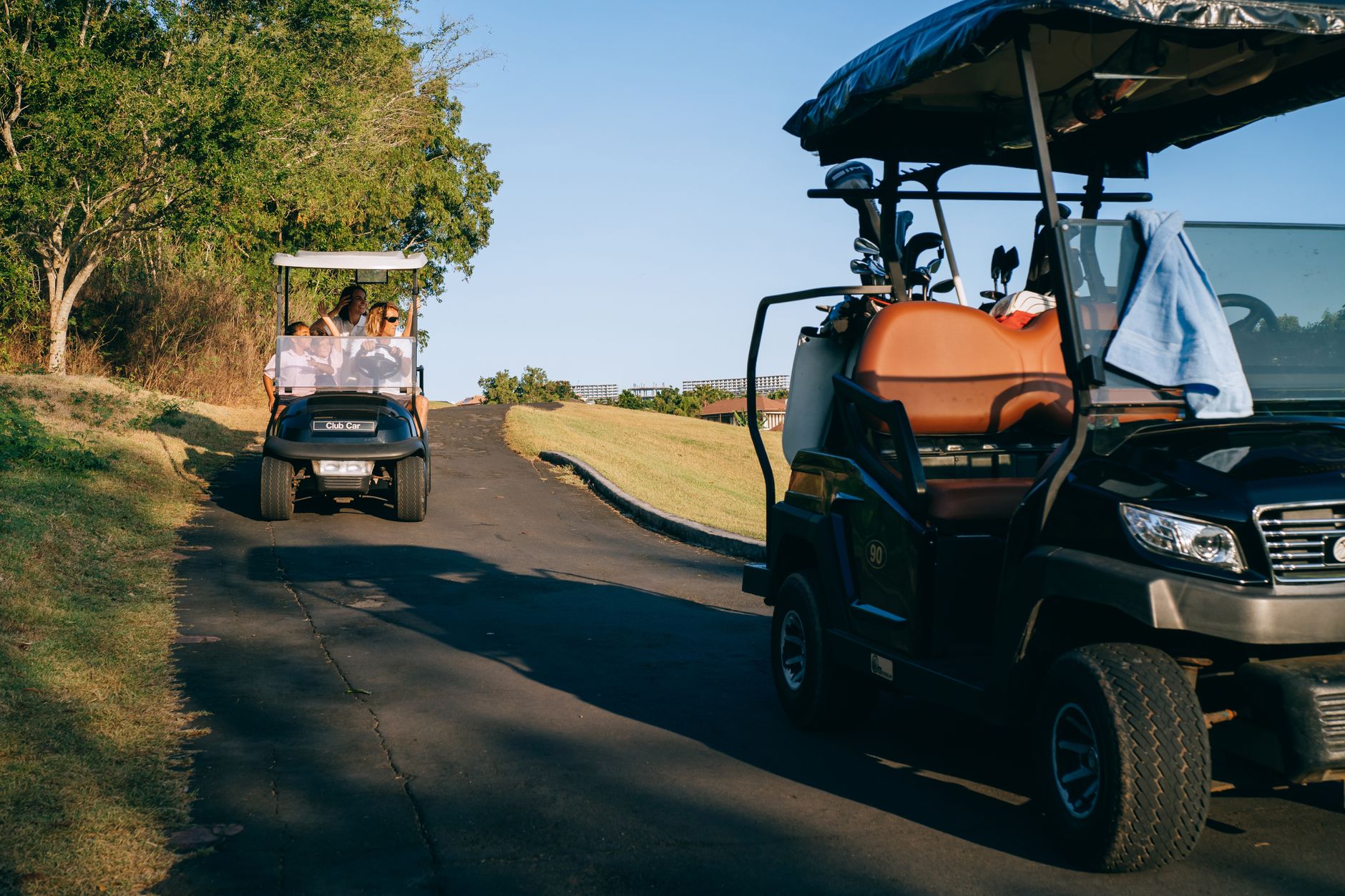
Cart paths are the spine of morning traffic. The USGA profile of Atlanta Athletic Club described charging stations placed near paths and maintenance corridors so staff reach units quickly without crossing active fairways.
Aim for approaches that let a robot enter and leave without crossing a green or a tee box. If the only flat pad is 200 yards into rough, you will spend that distance every day escorting a stuck unit.
Mark slow zones in your map software before concrete work. What feels obvious on paper may intersect a member shortcut once grass grows in.
Watch sight lines for golfers on adjacent holes. A flashing beacon on a dock can distract a backswing if it sits level with a tee box carry.
Can overnight charging coexist with member play
Most fairway robots finish long passes after the last group or before the first tee time. UK courses profiled by the Golf Club Managers Association in September 2025 described scheduling mowers like irrigation, with late evening starts once the property is quiet.
Leave buffer time for a partial charge if weather cuts a run short. A dock that only fits one machine at a time becomes the constraint when you add rough acres later.
Noise is usually lower on electric platforms than on traditional fairway units, but vibration and beacons still matter beside housing. Angle speakers away from neighbors when the bay sits tight to a tree line.
Winter schedules in the Sun Belt still shift with shorter days. Build charging assumptions for December tee sheets, not only peak summer volume.
What drainage and turf do around a charging pad
Repeated docking compacts soil. Atlanta Athletic Club used synthetic turf around some stations to stabilize footing and give technicians a clean kneeling surface, according to the USGA article.
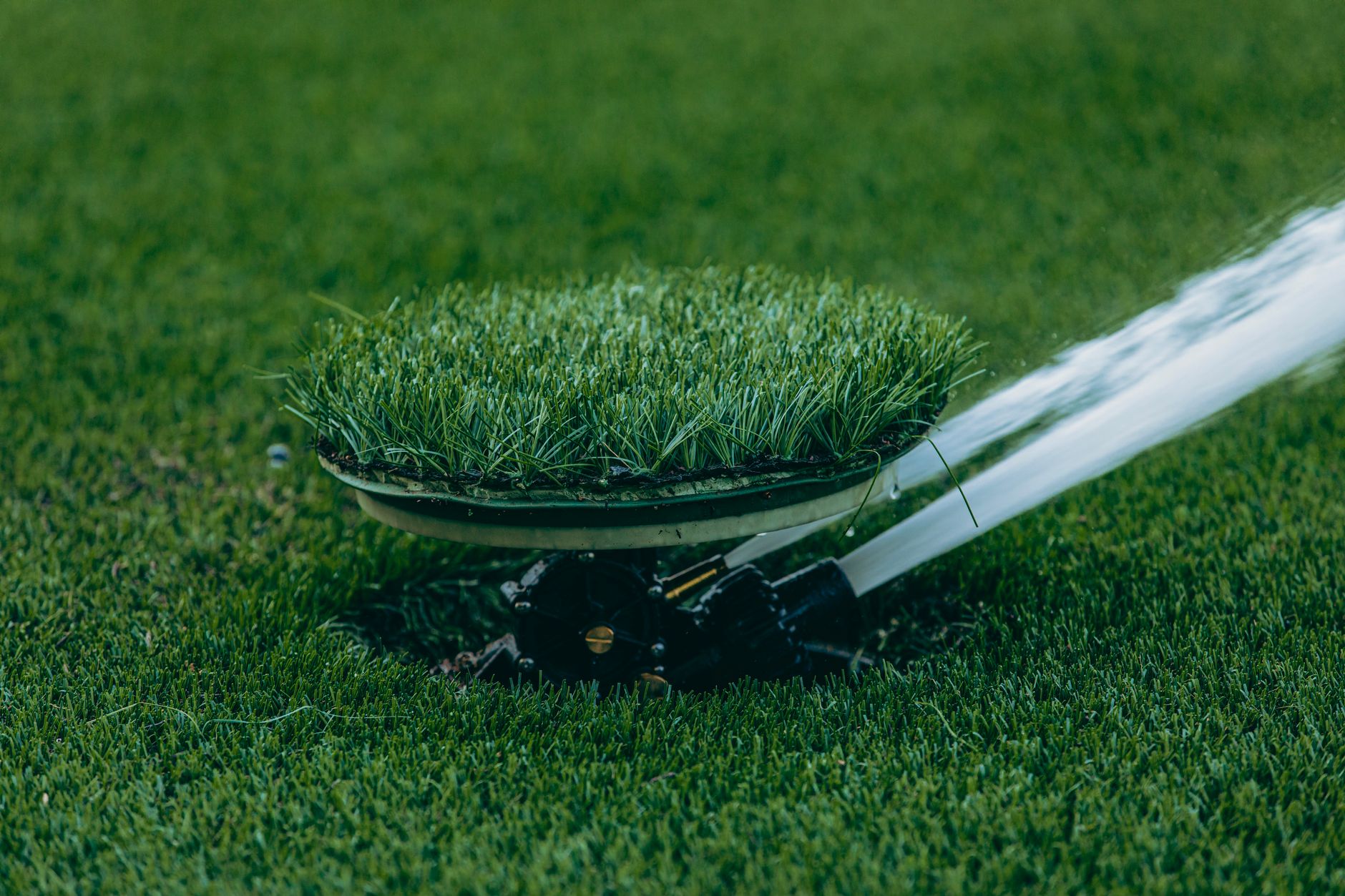
If you stay on live turf, plan aeration and a sacrificial strip. Irrigation overspray on connectors is a common failure mode in humid southern summers.
Grade pads slightly away from the contact point so rinse water from blade cleaning does not pool under the machine.
Leaf litter and pine straw collect under fixed guides. A quick blow-down schedule prevents debris from holding moisture against charging contacts.
How crews service robots without losing a morning
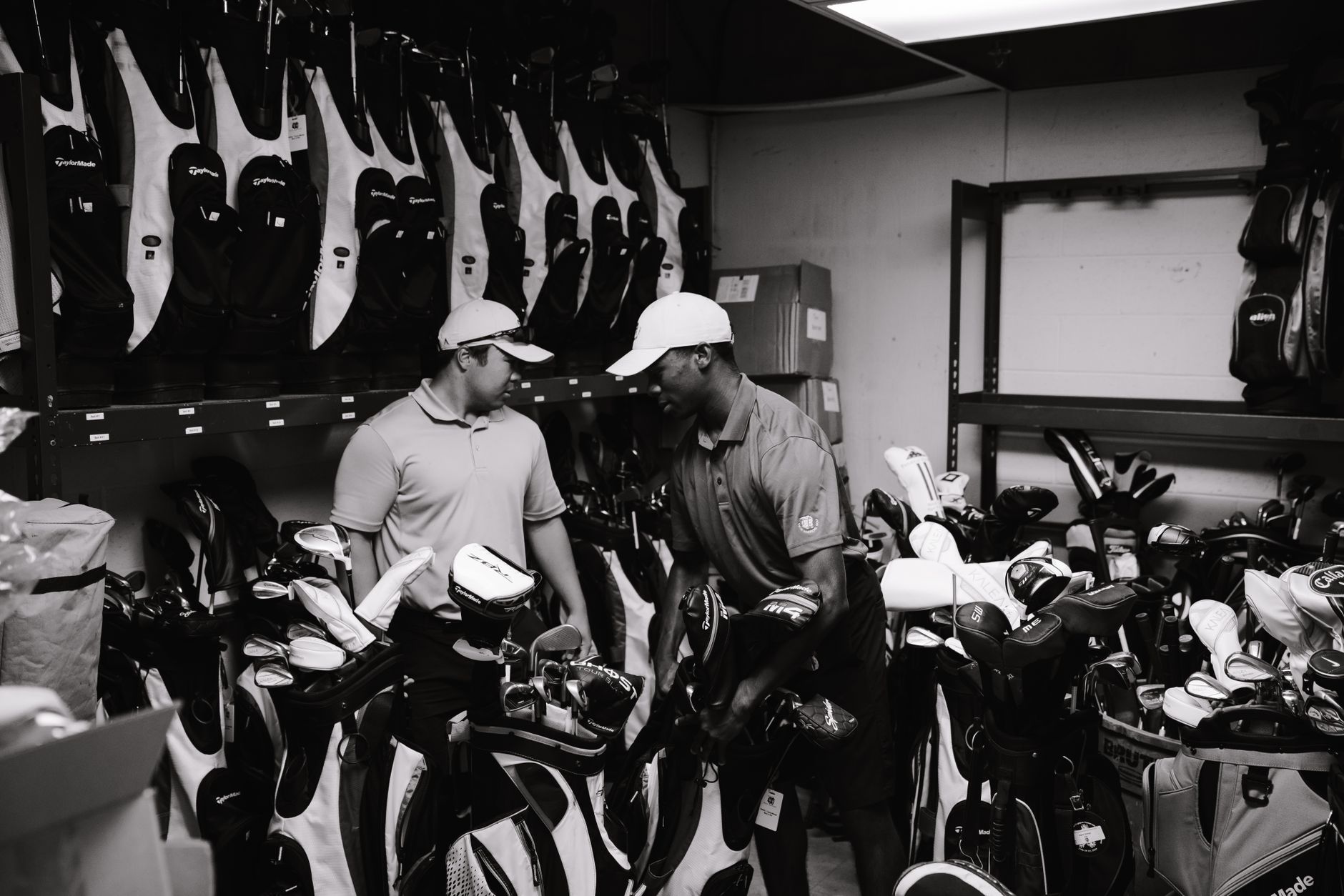
Blade swaps, deck cleaning, and firmware checks still happen on autonomous fleets. The USGA piece stressed that software updates and troubleshooting remain part of daily life even when mowing hours drop.
Give each bay enough side clearance to drop a reel or pull a battery module without shifting the robot onto wet fairway. Store common wear parts in a locked cabinet within twenty paces.
Document who owns the checklist: assistant superintendent, mechanic, or an outside integrator on a service plan.
Train operators on lockout steps before anyone reaches under a deck. Autonomous does not mean hands-off during service.
What connectivity does a dock site need
Fairway robots lean on precise positioning in open turf. Vendors at the 2025 GCSAA show emphasized acreage and timing questions from superintendents, which only work when radios and correction services stay online at the dock.
Run network paths in the same trench planning session as power. Bury conduit once with spare pulls for a second machine.
If cellular backhaul is weak in a valley hole, test at the proposed pad before you pour. Moving a station later means re-mapping approaches and member signage.
When should you map charger sites before buying more acres
Courses often pilot on a par-3 loop or nine holes, then expand into rough on a second course. Atlanta Athletic Club planned that kind of growth in late 2025 on its Riverside Course, which means power and path capacity should be sized for the second wave, not only the pilot.
Run conduit and trench paths once. Adding a second panel later costs more than a modest oversize during the first pour.
Photograph existing utilities before you stake a pad. Irrigation satellite boxes and fiber runs to pump stations are easy to nick with an auger.
Leave a flat staging area for delivery trucks. A fairway unit on a lowboy needs turning room beside the future bay.
How Service Robot Co. fits a golf charging project
Service Robot Co. maps fairway and rough routes, sets mowing schedules around play, and services units under RoboCare with a nationwide engineer network. Charging layout is part of that site assessment, not an afterthought once machines arrive.
Courses buy outright or lease through financing after the walk-through. Greens and tees stay with your crew while autonomous units handle fairway and rough blocks you choose.
Clubhouse scrubbers, path sweepers, and lot cameras can share the same planning conversation so one partner coordinates power drops and training.


