
Key takeaways
- Charity scrambles often use shotgun starts that flood every fairway at once.
- Sponsor tents and auction tables occupy margins robots need for turns.
- Holds must cover every hole on the scramble card, not only the first tee.
- Starters and turf monitors share one hole-level release sheet.
- Weather delays can push two waves into one busy fairway window.
Why charity scramble mornings overwhelm fairway mowing
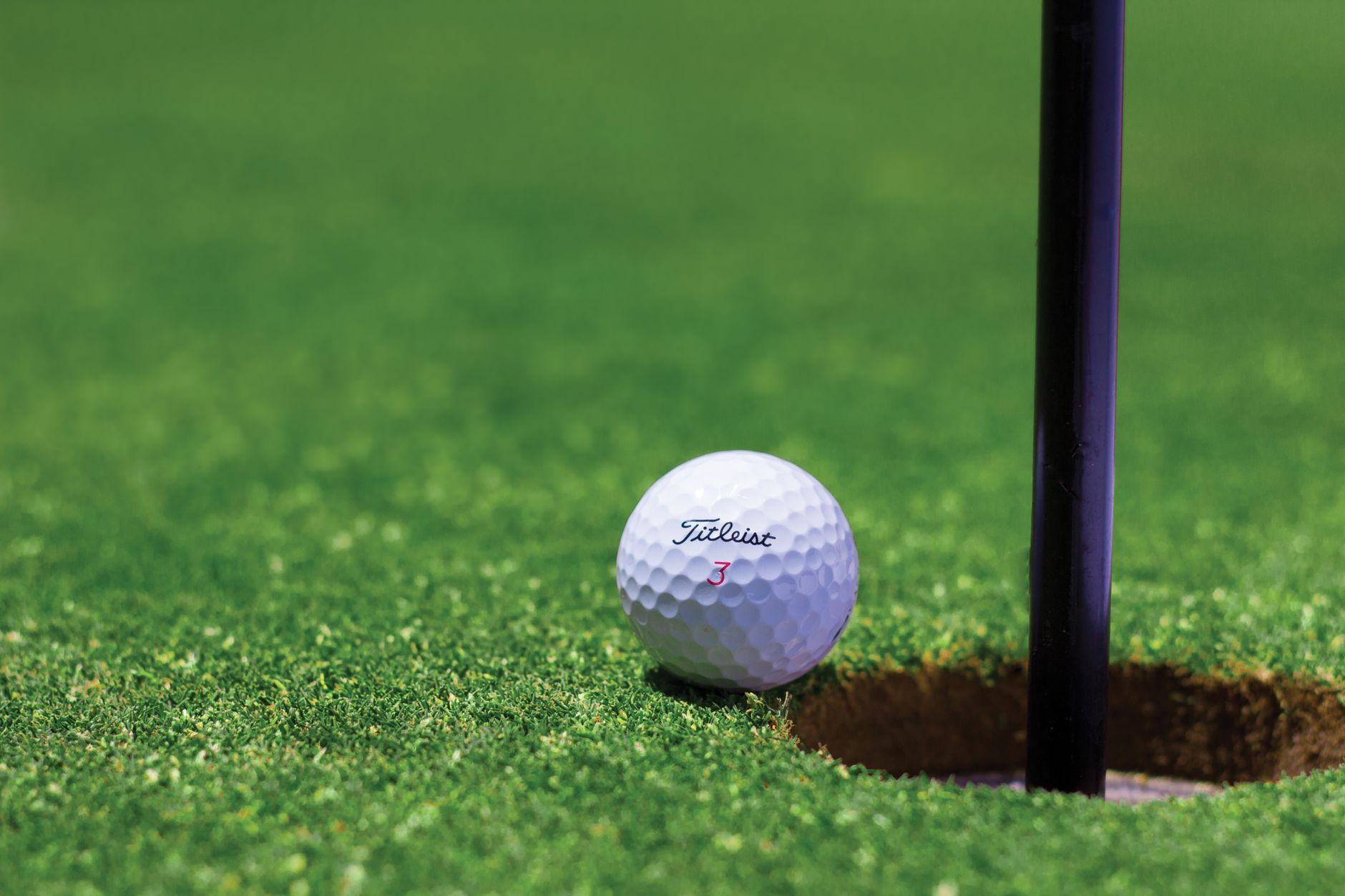
Charity scrambles usually pack the tee sheet into one or two morning waves instead of steady member spacing. A shotgun puts every group on a fairway within minutes, which ends any assumption that robots can finish a quiet loop before carts arrive.
Fundraising adds sponsor tables, silent auction tents, and photo bays on landing zones you mapped for dawn mowing.
Treat the scramble packet like a standing event on the maintenance calendar, not a normal Saturday member round.
Read the run-of-show before you unlock polygons
Export the event plan from the pro shop: shotgun time, hole assignments, crossover routing, and any split-tee backup plan.
Mark hard holds on every starting position, fairway corridor, and staging footprint the event uses.
Walk the course the day before with the tournament chair to photograph tent lines and rope stakes software cannot see.

Scramble pace versus member rounds
Scramble formats keep all four players in one cart, which can speed play but still stacks groups on dogleg corridors with little gap.
Hold until starters radio clear, not until an average round model says you are safe.
Log actual clear times after the first scramble each season. Those notes justify hold lengths with the pro shop next year.
Polygon holds versus full fleet shutdown
Shutting down every fairway robot for the entire morning wastes hours on holes guest play will not reach until afternoon. Lock scramble corridors and adjacent landing zones while leaving distant loops open if starters agree.
Monitors should watch the live map from first staging through the last group on each hole.
Post hold status by hole on the shop board so volunteers answer questions without calling the mechanic.
Coordinate with starters and charity chairs
Give starters plain English hold times tied to hole numbers. Charity chairs can relay when opening ceremonies or awards staging delay the shotgun.
When weather pushes the gun back, extend holds in the same conversation instead of releasing robots into a delayed wave.
Invite the charity lead to the preseason turf meeting. One email thread beats guessing whether carts will use paths you mapped as robot-only.
Sponsor and auction footprint on fairways
Tables and tents often sit on fairway margins robots need for turns and charging paths.
Photograph each footprint and add buffer polygons so units do not scrape ropes or stakes.
When sponsors move staging after setup, update holds the same day instead of assuming morning maps still match.
Afternoon recovery when mornings run long
If scramble pace pushes traffic past planned holds, keep robots parked until starters confirm the last group cleared the affected hole.
Log incomplete fairway panels for the afternoon crew when morning releases never came.
Rain that delays the shotgun can compress two waves into one busy window. Keep one monitor authorized to extend holds from the shop.
Where integrator support fits
Service Robot Co. encodes scramble hold profiles into schedules, stays vendor neutral on hardware, and supports buy or lease financing plus RoboCare through one contact. The superintendent still owns agronomy and event timing.
Before the first scramble, run a table-top drill with starters: gun time, hold sheet, and who texts the monitor to release hole eight.
If guests still see robots during play, adjust geofences or staging maps before you blame turf quality.


