Key takeaways
- Map debris, wet tracking and intake peaks before anyone discusses a machine.
- We found no published shelter lobby deployment, so measure your own floor and hours.
- Adoption hours and quiet operation set the robot's run windows, not the other way around.
- According to IFR, professional cleaning robots were the third largest professional service robot segment in 2024.
- A lease quote should follow a site assessment, not precede it.
Can a floor robot work in a shelter intake lobby?
The answer depends on the floor in front of the robot, not on the building type. A shelter intake lobby combines conditions most office or retail floors never face: stray debris from arriving animals and their gear, wet pawprints tracked from entry mats to the intake desk, intake traffic that arrives in bursts, and an adoption area that must stay calm while visitors browse.
We found no published case, product specification or vendor page for a floor robot used in an animal shelter lobby. The checks below are built from the floor conditions themselves. Treat them as questions to answer on site before anyone proposes a machine.
How much does stray debris change the job?
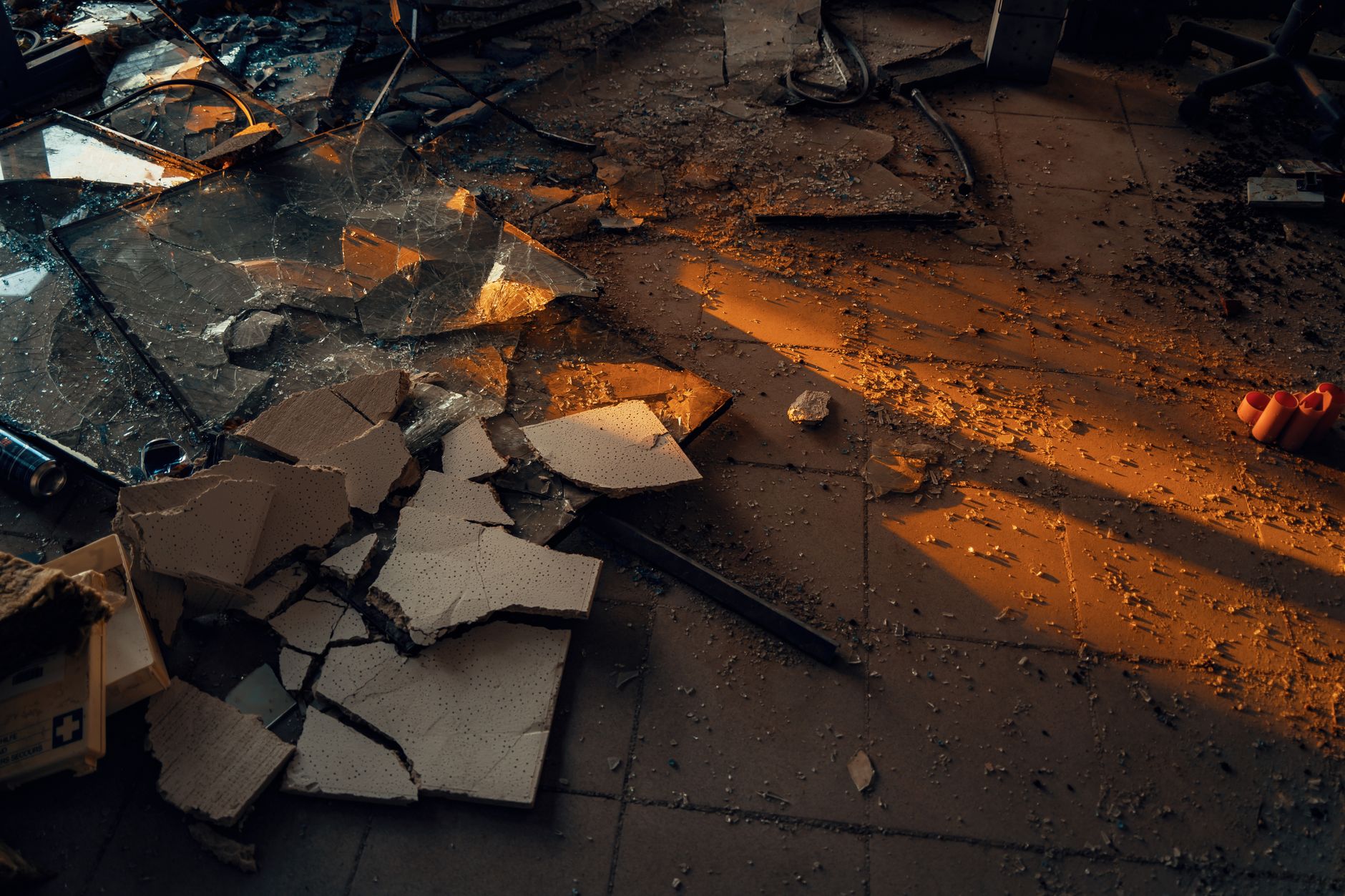
Debris at intake is mixed. Litter, hair, paper from intake forms, leash clips and grit carried in on shoes all land on the same tile. Fine debris suits a sweeping or vacuum pass. Large objects still need a person to clear them before the robot runs.
A Google Patents filing (US11191407) describes an autonomous cleaner that responds to pet activity and runs a dry stage followed by a wet stage. A filing shows what an inventor claimed, not how a machine performs in a lobby. Use it as a question for vendors, and ask them to show both stages running on your floor.
What do wet pawprints do to the cleaning route?
Wet pawprints change the order of work. A dry pass lifts hair and grit, but water carried in from entry mats needs a wet stage or a crew follow up. Ask the vendor if the robot wipes or only vacuums, and what it does when a surface stays damp.
Consumer products show how the category is marketed. As of November 2026, the Bissell FlexClean two in one vac and mop robot product page describes vacuuming, mopping, app scheduling and a self emptying base, aimed at pet homes. Those are manufacturer claims, not independent tests, and the page is written for homes, not lobbies.
Vendor marketing goes further. An EveryBot blog post argues that automated mopping can reduce labor in animal care facilities. The post is vendor authored, so read it as advocacy rather than evidence.
How do intake and adoption hours set run windows?

Intake follows the arrival schedule, and adoption traffic follows visitor hours. Those two calendars rarely line up neatly, so the robot's run window has to be carved from the gaps. Map each intake window, each adoption peak and the hours when the lobby sits empty.
Quiet operation is the factor most often assumed and least often measured. We found no verified noise figure for shelter adoption hours, so none appears here. Take readings yourself at the adoption counter during a normal visitor hour, then compare them with what staff and visitors say they can tolerate.
What should a facility manager measure before asking for a quote?
Collect these items before the first conversation with any integrator. A quote depends on them, and gathering them takes an afternoon.
- Floor materials and every transition between them, including sealed concrete, tile, rubber mats and thresholds.
- Door thresholds, ramps and any lip a robot must cross from the entry vestibule.
- Entry mat locations and how far wet tracking runs from each door.
- The intake desk, the animal intake path and the staff routes that must stay clear during a run.
- Intake and adoption calendars for a full week, with peak minutes marked.
- Outlet options and the distance from the charging point to the most used aisle.
- Noise readings taken at the adoption counter during normal hours.
- Who clears jams, who checks the debris bin and who responds when the robot stops.
Where does a lease quote fit in the process?
A lease quote should come after the site work. Service Robot Co. is an OEM neutral integrator: we select robots across manufacturers, then finance, deploy, integrate, train and service them through a nationwide US engineer network. Robots are offered on a lease for a term of three years, with one fixed lease payment quoted after a site assessment.
That order matters in a shelter. A quote built from a floor map that misses the wet entry, the adoption counter or the intake path will likely need revisiting after the first week. A site assessment turns the checklist above into a defined scope that a lease quote can rest on.
What do the market numbers say, and what do they leave out?
According to the International Federation of Robotics, professional cleaning robots were the third largest professional service robot segment in 2024. Sales rose 34% to more than 25,000 units, and most were used for floor cleaning. The same IFR release says professional service robot sales reached nearly 200,000 units in 2024, up 9%.
Those figures describe the professional market as a whole. They do not break out animal shelters, and IFR advises against comparing figures across different World Robotics reports. One aggregator listing gave a 2025 shipment total that we could not confirm in an IFR source, so this piece does not use it.
Frequently asked questions
Want a robot working for you?
Tell us the job and the site. We will recommend the robot, quote the lease, and keep it serviced.
Sources
- IFR, Service Robots See Global Growth Boom (October 2025 release via BusinessWire)
- Google Patents US11191407
- Bissell FlexClean 2-in-1 Vac and Mop Robot product page
- EveryBot blog: Using automatic robot mop for your pet care facility
- Canadian patent 2642555, apparatus for cleaning animal enclosure floors