Key takeaways
- A hospital deck needs routes through stairwells, elevator lobbies and the walk to the entrance, not just the parking stalls.
- Lighting figures differ across sources, so confirm local code and the latest IES practice before you set a target.
- A robot provides a route, a live feed and a record, while people make the call and respond.
- Treat zero crime claims as unproven until a named site, dates and logs back them up.
- Put escalation steps, response times and lease terms in writing before any fixed lease payment is quoted.
What must a patrol robot cover in a hospital parking deck?
A patrol robot in a hospital parking deck has to do three things well. It must reach every place where a visitor, nurse or patient could be harmed or lose track of a vehicle, it must show what it sees to a person who can act, and it must leave a record that someone can review later. Coverage, lighting, cameras and escalation are the four features that decide whether those three things happen.
A robot does not replace an officer, and the hospitals that tested one said so. Texas Children's described its robot as a tool to strengthen security tactics, not a replacement for officers. Think of the machine as a steady set of eyes on a fixed route, with the decisions still made by people.
Why do hospital decks need more than a stall check?
Parking areas are a known risk for health care workers. A secondary summary of California OSHA reporting, which I saw only in search results and did not open at the primary source, reports 218 violent incidents involving health care workers in parking areas from July 2017 to December 2019. Treat that count as unconfirmed until you see the primary report.
Hospitals have tested patrol robots in their lots since at least 2016. Bakersfield Memorial's pilot followed a route through staff and visitor lots and streamed video to a command center. It flagged an unrecognized car cruising the staff lot. The hospital planned to compare incident counts from the three months before and after arrival, but I found no published results.
Scotland Memorial Hospital in North Carolina deployed several ROSA security robots across its parking lots in late 2022. Its COO said there had been no serious incidents since installation. That is a testimonial rather than audited data, and it should be weighed that way.
Which zones belong on the patrol route?
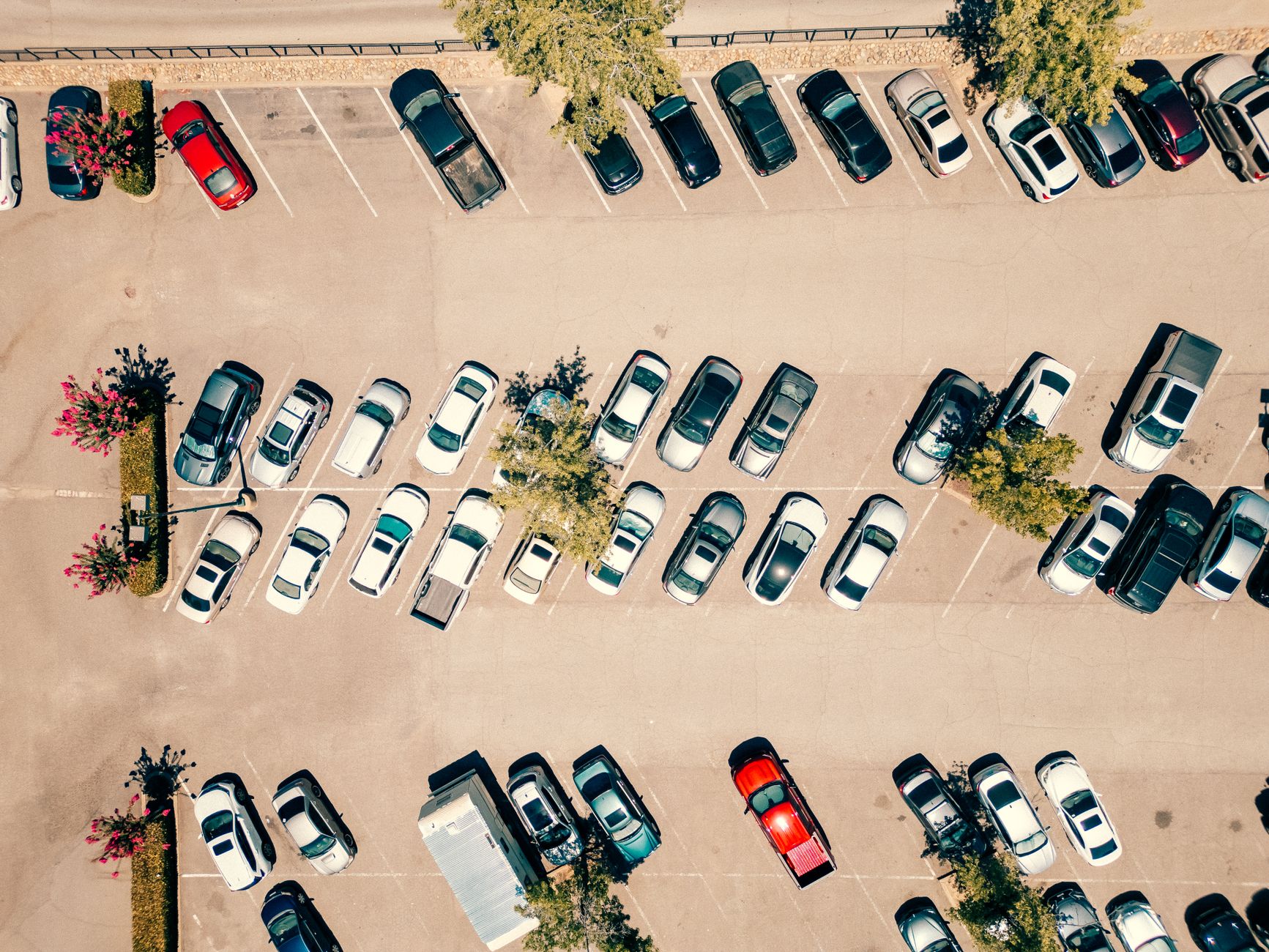
Start from the walk a visitor takes after dark, not from a count of stalls. The route should follow that walk through every level, every ramp and every lot edge. Map it during the site assessment, so the route reflects the real building and not an outdated drawing. Layouts change with new wings, restriped rows and closed levels, and the map has to change with them.
These zones usually belong on the route:
Ask whether the route can differ by zone and by hour. A deck that is quiet at midday can look very different during an evening shift change, and the robot should be able to pass through the busier hours more often than the quiet ones.
- Stairwell landings and the doors that open onto them
- Elevator lobbies and the pedestrian path from the deck to the hospital entrance
- Ambulance approaches and the patient drop off lane
- Staff only lots beside visitor parking, where the Bakersfield robot first flagged a car
- Charging bays and pay stations, where people tend to linger
What lighting level should the route assume?
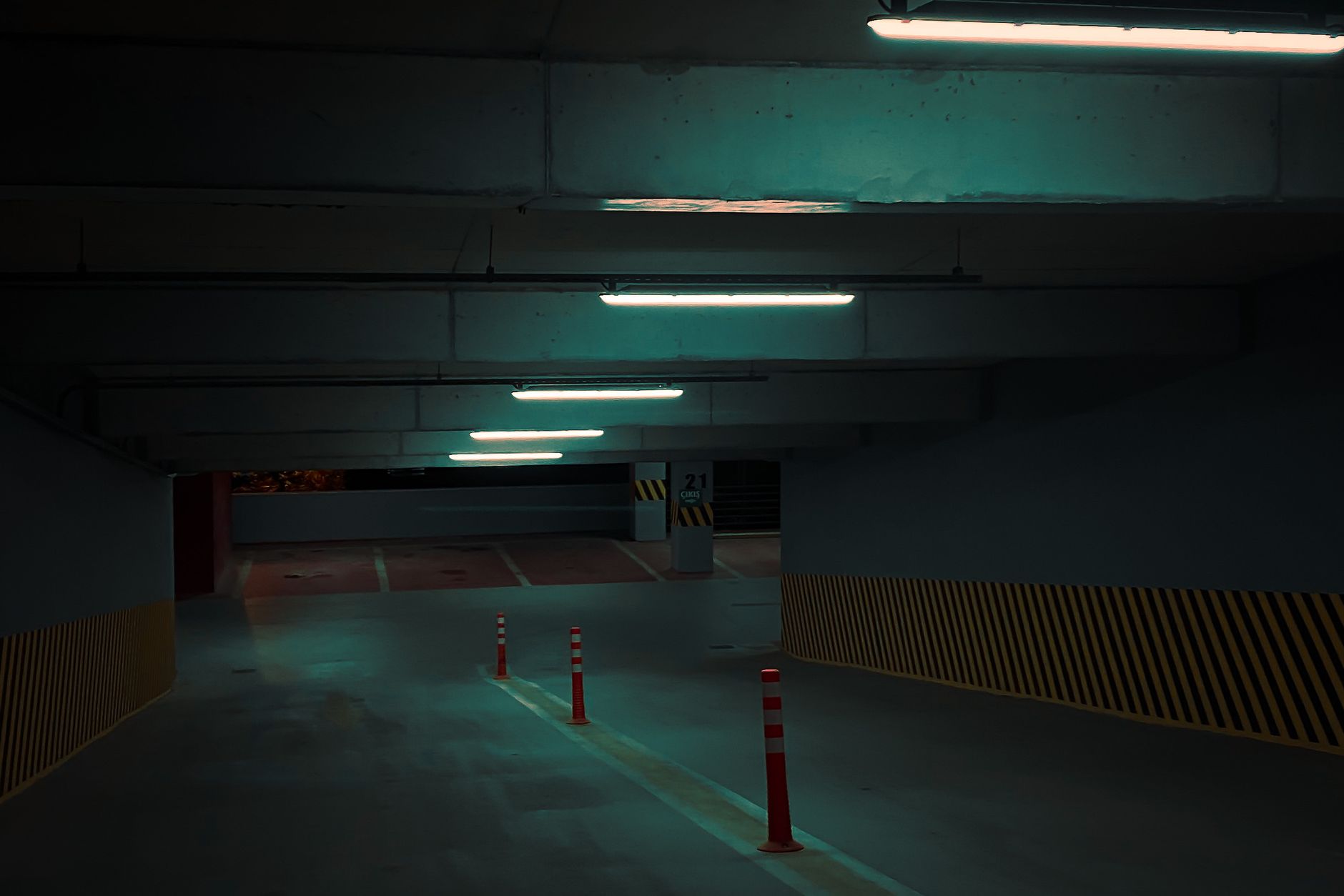
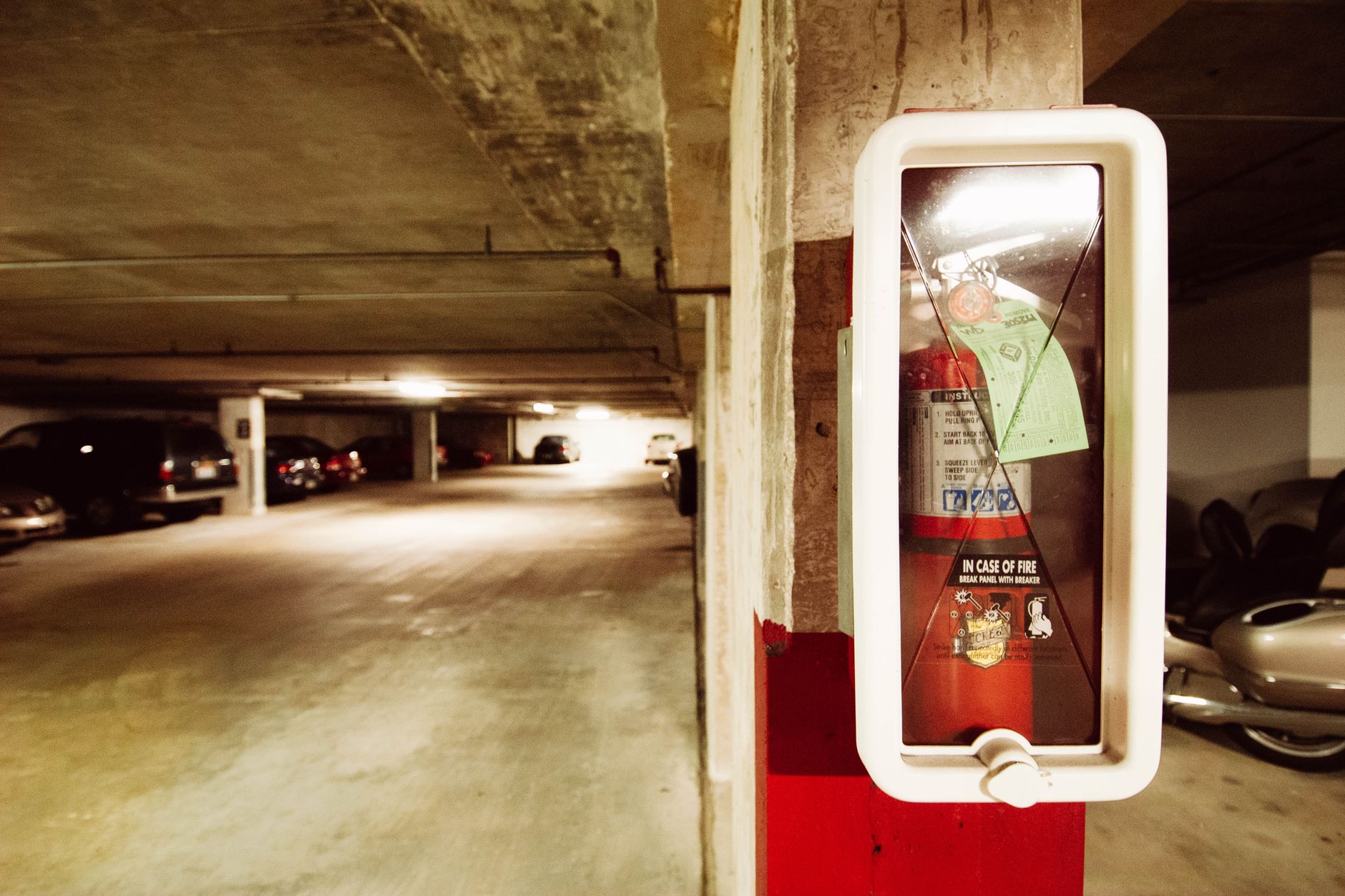
A camera is only as useful as the light on its subject, and lighting is where many decks quietly fall short. The sources I found disagree on the numbers, so use them to frame the question rather than settle it.
Check local code and the latest IES recommended practice before you set a target, then ask the vendor which level its route assumed. A robot that needs light to read a plate or a face can fail quietly in the one dim corner a person would have walked past without a second thought. Test that corner at night, with the robot, before anything is signed.
- Parking Today, summarizing IES guidance and noting that the IES is revising its recommendations, lists an enhanced security level of 0.5 footcandles minimum horizontal, 0.25 footcandles minimum vertical measured 5 feet above the surface, and a 15 to 1 maximum to minimum ratio.
- A Home Depot guide gives the same enhanced figures and a basic level of 0.2 footcandles horizontal with a 20 to 1 ratio.
- Edison, New Jersey's municipal code sets basic and enhanced security minimums of 0.2 and 0.5 footcandles, with averages of 1.0 and 2.5.
- An ASIS linked article from January 2025 gives 5 footcandles horizontal with a 4 to 1 ratio. I could not confirm the context behind that figure.
What must the camera and footage rules say?
The notes I gathered did not verify camera resolution, detection range or the night performance of any named model, so this article states none of those figures. They belong in writing from the vendor, backed by a test.
Ask for a live feed from the darkest lot on the site, at the hour the route will run. Ask where footage goes, who can open it, how long it is kept, and whether every access is logged. A deck sits beside clinics and family waiting areas, so recordings can capture patients, staff and visitors. A camera that records everything but cannot be searched is of little use after an incident, and one that records without clear rules creates its own exposure.
How should escalation work once the robot sees something?
Escalation is where many pilots stall. A workable chain runs from robot detection to remote triage by an operator, then to an on site responder who confirms the event, and then to police when the case requires it. Each step needs a named role, a time limit and a log entry, so nobody has to guess who should have acted.
Vendor claims deserve the same test. A Knightscope blog post, which I checked this run, says it recorded zero crimes over 12 months at one hospital network's parking lot. The network is unnamed, the claim is vendor reported, and no independent verification is given. Ask for the site, the dates, the alert logs and the count of false alerts. A robot that sends too many false alerts wears out the staff who must answer them, and that fatigue is a risk of its own.

What should you ask a vendor at the site assessment?
Service Robot Co. is a vendor neutral integrator. We choose the right robot across manufacturers, deploy and integrate it, train your staff, and service every unit through our nationwide US engineer network, so one partner handles the whole lifecycle. Our offer is a three year lease with one fixed lease payment quoted after a site assessment, which means the walk of the deck comes before any number. The questions below apply to every vendor, including us.
Put these questions to each vendor before any robot lease quote is issued:
Written answers to those seven questions are the real output of a site assessment. Keep them with the route map, because they become the terms your team will hold any robot to.
- Which lighting level did your route assume, and can you show it working in the darkest lot on the site?
- Who builds the map, and how is it updated after restriping, new ramps or a closed level?
- What does the camera show at night, where is footage stored, for how long, and who can open it?
- Who watches alerts, what is your written response time, and what happens when the robot or the network drops?
- Can you dispatch an engineer on site and triage remotely, and how quickly does each happen?
- Which named sites, dates and independent records support each incident claim you make?
- What does the fixed lease payment include, and what is left out?
Frequently asked questions
Want a robot working for you?
Tell us the job and the site. We will recommend the robot, quote the lease, and keep it serviced.
Sources
- Catholic Health World: Bakersfield Memorial hospital pilot
- Security Journal Americas: Scotland Memorial hospital deploys ROSA security robots
- Knightscope blog: parking garage security
- Texas Children's News: new security robot
- Parking Today: parking facility lighting
- Home Depot: parking lot lighting standards
- Zoneomics: Edison, NJ code chapter 312
- ASIS Security Management: garage lighting standards