Key takeaways
- Soft play padding, ball pits and high contact equipment still need hand cleaning with approved products.
- A floor robot earns its place on hard, open, continuous floor between play zones, not on the play structures.
- The session gap decides feasibility: the robot run, charging and water refill must fit before the next group arrives.
- Write a two tier schedule with a log, so hand work and machine work are both documented and nothing falls between them.
Which cleaning method suits a children's museum play area?
For most children's museum play areas the honest answer is both, because the two methods do different jobs. Hand cleaning still owns soft play padding, climbing structures, ball pits and the high contact points children touch all day. A floor robot earns its place on the hard, open floor around that equipment, where a scheduled pass can replace a crew working the same square footage with a mop and bucket.
The deciding factors are the floor material, the length of the gap between sessions, and how many staff hours really sit inside that gap. A robot that cannot finish its route before the next group arrives is a cost, not a saving. A person can respond to a spill at midday. A scheduled machine follows its route.
Why does a play area need two cleaning tiers?
Infection control guidance for soft play treats surfaces and equipment differently from open floors. A June 2022 Hertfordshire soft play guidance document in the UK says surfaces should be washed with detergent, then disinfected with a product effective against norovirus and left for the stated contact time. Ball pools are emptied, the balls are washed in a net bag, and then they are immersed in disinfectant.
The same guidance says a cleaning schedule should separate high contact surfaces from lower contact ones and should be documented. That split is the core of the decision. The lower contact floor can become a machine job. The high contact equipment stays a hand job with a log attached.
A 2026 soft play hygiene checklist adds two rules that rule out shortcuts. It advises never soaking foam filled equipment, and not steam cleaning it unless the manufacturer specifically confirms that is suitable. It also says disinfectant is no substitute for cleaning sticky residue, food or mud tracked in on shoes.
Where does a floor robot actually fit?
A floor robot fits when the floor is hard and open. Sproutmation's autonomous scrubber guidance lists hard floors throughout as a requirement, along with minimum aisle widths of 28 inches for some machines and 32 inches for others, a 120 volt outlet near the dock, and a wireless network that covers the route. Foam matting and padded play zones fall outside that brief, so the robot works the lobby, corridors and open circulation floor, while hand crews keep the play structures.
The best large facility example in our research is the DFW Car and Toy Museum in Fort Worth, Texas, which spans more than 150,000 square feet. Its founder judged traditional mopping labor intensive and costly, so the museum brought in a Tennant X4 ROVR, which vacuums, sweeps and scrubs. According to a May 2025 announcement, the robot runs three hour shifts daily, and staff refill water and recharge batteries between sessions.
Tennant's case study, which reports vendor figures, quotes ten staff saying keeping the space clean 'took nearly every hour of every shift.' It reports 11,000 square feet per hour, 2.42 hours of autonomous use per day, and autonomous mode for 95 percent of usage. Treat those as the vendor's numbers, not an independent audit. The museum is also a car and toy museum, not a play area, so the floor mix differs from yours.
What does hand scrubbing still do better?
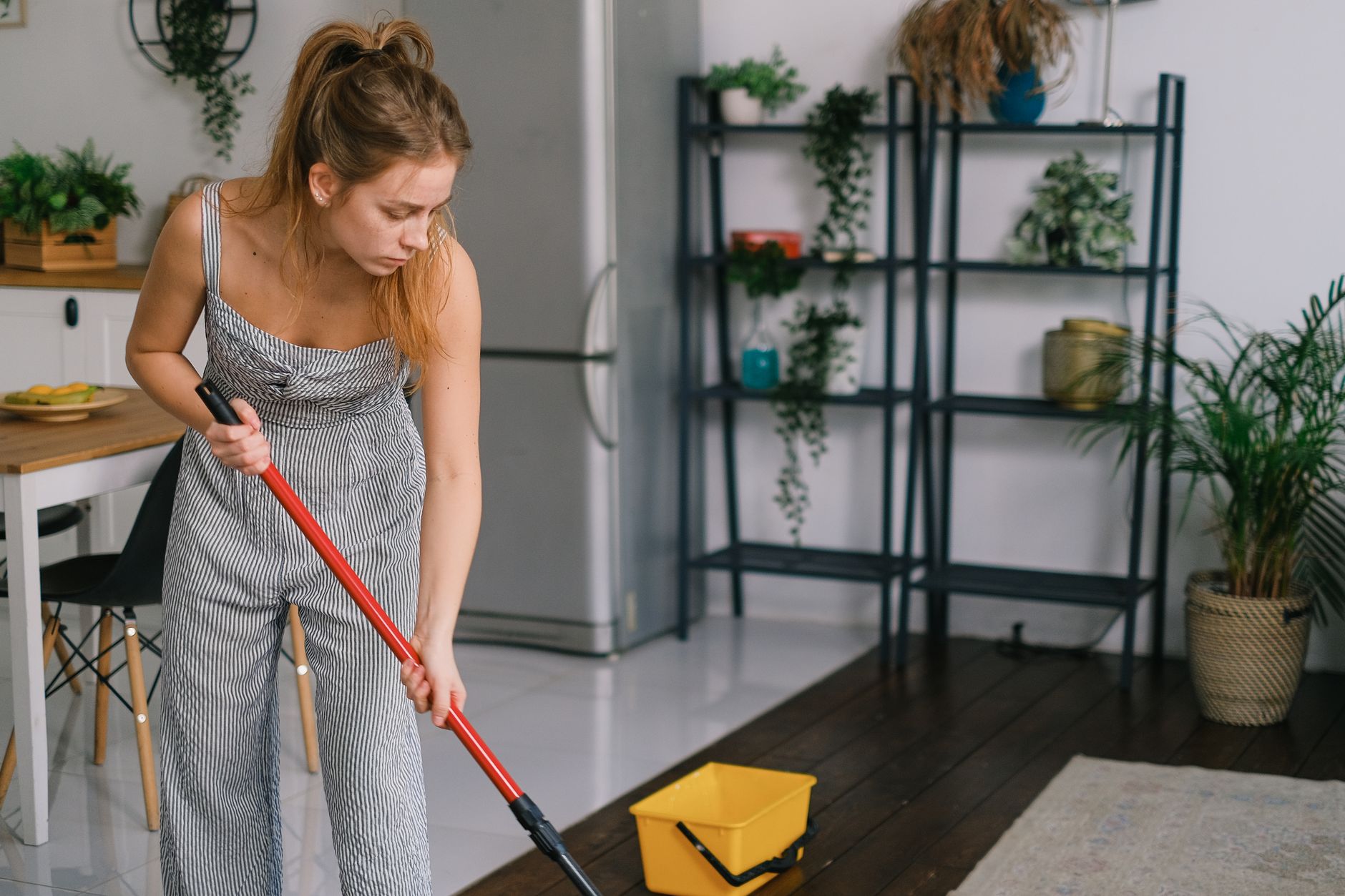
Hand work wins on detail and flexibility. Chemsource, in an undated blog post, puts a traditional mop and bucket at about 2,000 square feet per hour. Robolist estimates that a skilled operator on a manual ride on scrubber covers 6,000 to 9,000 square feet per hour in real facilities. Those rates suit large open halls, but a person with a cloth can reach the underside of a climbing frame or the corner of a ball pit that no floor machine will touch.
Hand crews also handle the spill nobody scheduled. In the DFW case, Tennant's study said mop heads became unusable quickly and mop water dirtied fast, which is a real pain point that pushed the museum toward a machine. It does not remove the need for a person with approved disinfectant and a clean cloth between sessions.
How do session gaps and staff hours decide the method?
Start with the gap. Count the minutes between the last group leaving and the next arrival, then subtract the time staff need for water refills, a floor check and equipment resets. What remains is the window the robot has, and that window must hold a full route, not just the start of one.
Staff hours matter as much as minutes. Robolist reports that each autonomous scrubber saved about 2.5 labor hours per day in a typical retail store, in a large retailer's deployment. That is a retail figure, not a play area figure, so it is best used as a prompt to measure your own hours, not as a promise.
- Open, continuous hard floor covering most of the area: a robot candidate. Padded or foam zones stay with hand crews.
- Gap longer than one full robot run plus charging and water refill: a scheduled robot pass is feasible between sessions.
- Gap shorter than that: reserve the robot for closing or overnight, and cover sessions by hand.
- Scarce staff hours during sessions: move people onto soft play and high contact work, and let the machine take the open floor.
- Heavy traffic with frequent spills: keep a hand team available, since a scheduled route does not respond to a spill by itself.
How should staff split the work between the two tiers?
Set a fixed cadence and keep it in writing. The kidssoftplay.com maintenance guide suggests a daily quick wipe of high touch points, a weekly thorough wipe of vinyl covered foam, and weekly ball pit cleaning at high traffic sites. It also advises against abrasive cleaners and solvents on vinyl. All of those are hand tasks, and each one belongs in the log.
Robot runs go when the zone is empty. The 2026 checklist's advice not to clean around children still using equipment applies directly, so the machine's window is the gap, never the session. Before each run, staff should check the route for obstacles, confirm the water and battery state, and record the run next to the hand tasks.
Where does Service Robot Co. fit in?
We are a vendor neutral robot integrator for US businesses. We do not start from a brand. We start with a site assessment and floor mapping, then match the machine to the surfaces, aisles, session gaps and staff hours, whether that ends with a Tennant unit, another manufacturer's robot, or a hand plan with no robot at all.
Service Robot Co. leases robots only, on a three year lease with one fixed payment quoted after the site assessment. We handle robot deployment and integration, staff training, go live support and service through a nationwide US engineer network, so one integrator answers for the floor from the first walk through to the repair ticket.
Frequently asked questions
Sources
- DFW Car and Toy Museum: Meet Fast Fred, the robot floor scrubber keeping the museum spotless
- Tennant case study: DFW Car and Toy Museum X4 ROVR
- Hertfordshire soft play infection control guidance (June 2022)
- kidssoftplay.com: How to clean and maintain soft play equipment
- Softplay hygiene checklist (2026)
- Robolist: Where cleaning robots pay back
- Chemsource: How much labor can a floor scrubber save?
- Sproutmation: Autonomous floor scrubber cost and large facility guide 2026