Key takeaways
- Chimelong and AgiBot activated more than 300 service robots across a theme park and adjacent hotels in late September 2026.
- Roles span guidance, retail help, food service support, and hotel check-in and room service style tasks.
- Large venues need one map, clear staff roles, and measured guest feedback before scaling fleets.
- US operators can pilot one building or concourse instead of matching Chinese theme-park scale on day one.
- Service Robot Co. finances, deploys, trains, and services mixed robot types under one RoboCare plan.
What did Chimelong actually turn on?
In late September 2026 Chimelong Spaceship Park in Zhuhai, China announced that more than three hundred AgiBot service robots are live inside the park and neighboring hotels. Coverage describes digital guides, crowd-aware routing, retail and food assistance, and hotel tasks such as check-in support and room service style deliveries.
For a US venue operator, the headline is not the exact robot count. It is proof that a single property can run guest-facing, back-of-house, and hospitality tasks on one campus if maps, Wi-Fi, and staff playbooks are aligned.
You do not need a theme park to borrow the pattern. A convention center paired with a headquarters hotel faces the same question: which trips and cleaning loops should machines own first.
Chimelong also set guest education stations so visitors learn how to start an interaction. That small detail prevents the first viral video from being a confused family blocking a concourse.
Operators in Orlando, Las Vegas, and Dallas should read Chimelong as a stress test for crowd density, not as proof that every US city needs talking robots on day one.
Why are mega venues testing robots together instead of one bot type?
Chimelong grouped guidance, retail, food, and hotel workflows under one rollout rather than buying a scrubber here and a delivery bot there with no shared schedule. That matters because guests experience one brand, not your departmental silos.
Cleaning robots still belong in the plan even when press coverage focuses on talking guides. Arenas and resorts generate huge hard-floor mileage on concourses, kitchens, and loading docks.
Security patrol units can cover exterior plazas and parking structures when events empty out. The integrator question is who maps all three layers without six vendor contracts.
Mixed fleets also share charging windows and storage closets. Facilities should size those rooms before procurement, not after the first robot arrives on a lift gate.
What should US arenas copy from a Chinese theme park?
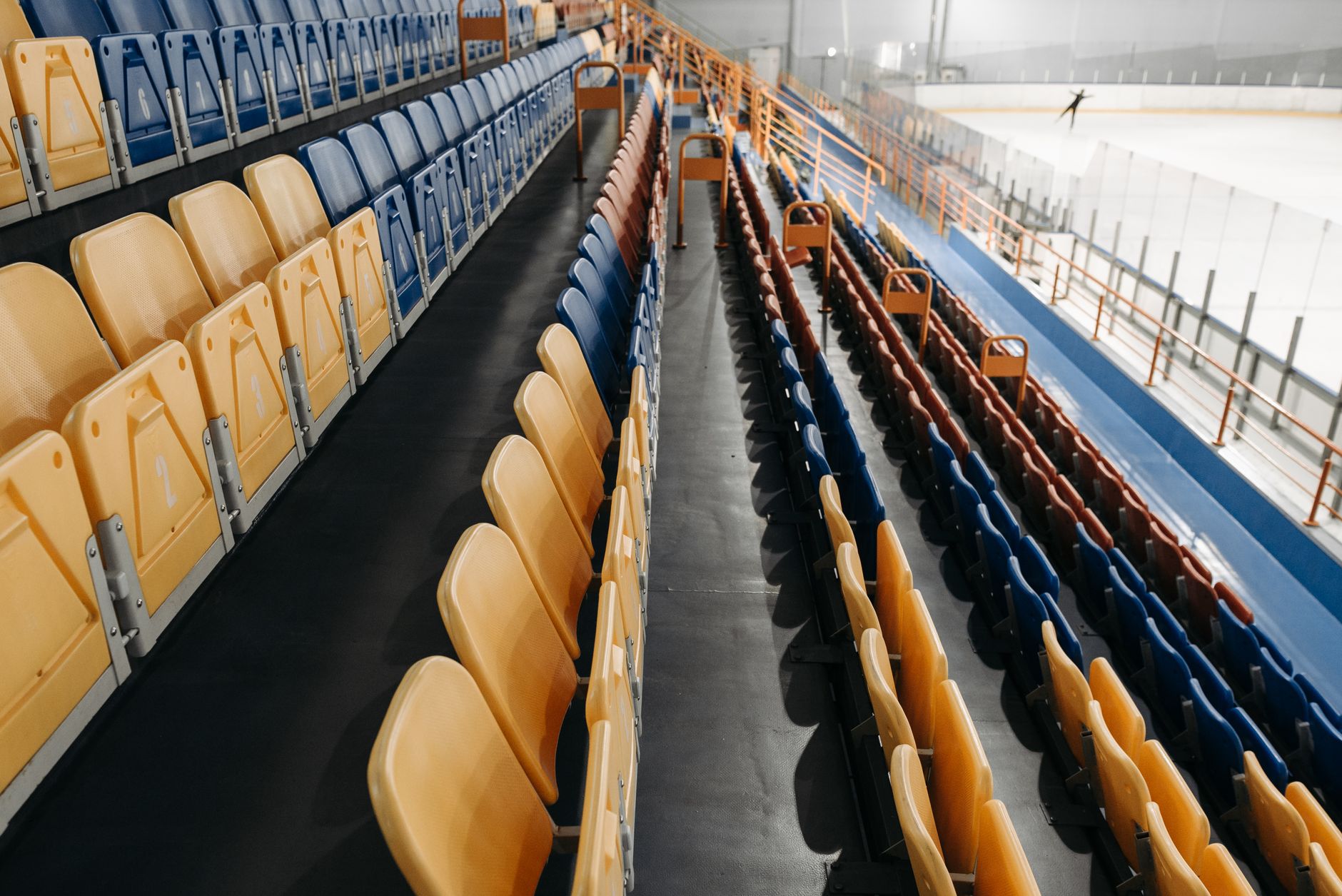
Copy the operating discipline, not the square footage. Chimelong set up guest education stations so visitors learn how to interact with robots. US venues should plan signage, staff scripts, and escalation paths before the first public weekend.
Copy phased data collection. Reports say Chimelong will track usage patterns and feedback for months before tuning routes. Your pilot should log trip success, guest complaints, and cleaning coverage weekly.
Do not copy the timeline blindly. A 300-unit wall requires fiber-grade networking and facilities staff trained as fleet coordinators. A 3-unit pilot in one concourse is the sane US starting point.
Copy the idea of a single command view even if you only own three machines on day one. Centralized schedules prevent scrubbers and delivery bots from fighting for the same narrow service corridor during load-in.
Sponsor activations and temporary retail kiosks change foot traffic every weekend. Build a weekly map review with operations so robots do not keep driving through a queue that moved since Tuesday.
How do you keep staff on guest service instead of robot rescue?
Theme parks live on human showmanship. Chimelong framed robots as helpers for routine tasks, not replacements for character experiences. Hotels and stadiums should write the same rule: robots move objects and scrub floors, people handle exceptions and emotion.
Assign a facilities-led robot captain per shift who can pause units, swap batteries, and call service. Front desk and guest services should know one phone extension, not every vendor app.
Service Robot Co. trains both sides during deployment so engineering is not the only department that can stop a runaway delivery.
Write a simple escalation card for ushers and valets: when to pause a unit, when to call the captain, and when to keep guests moving. Confusion during a sold-out show is more expensive than a missed scrub cycle.
Run tabletop drills with security before opening night so everyone knows who may halt a patrol route.
Where do delivery robots fit hotels beside the park gate?
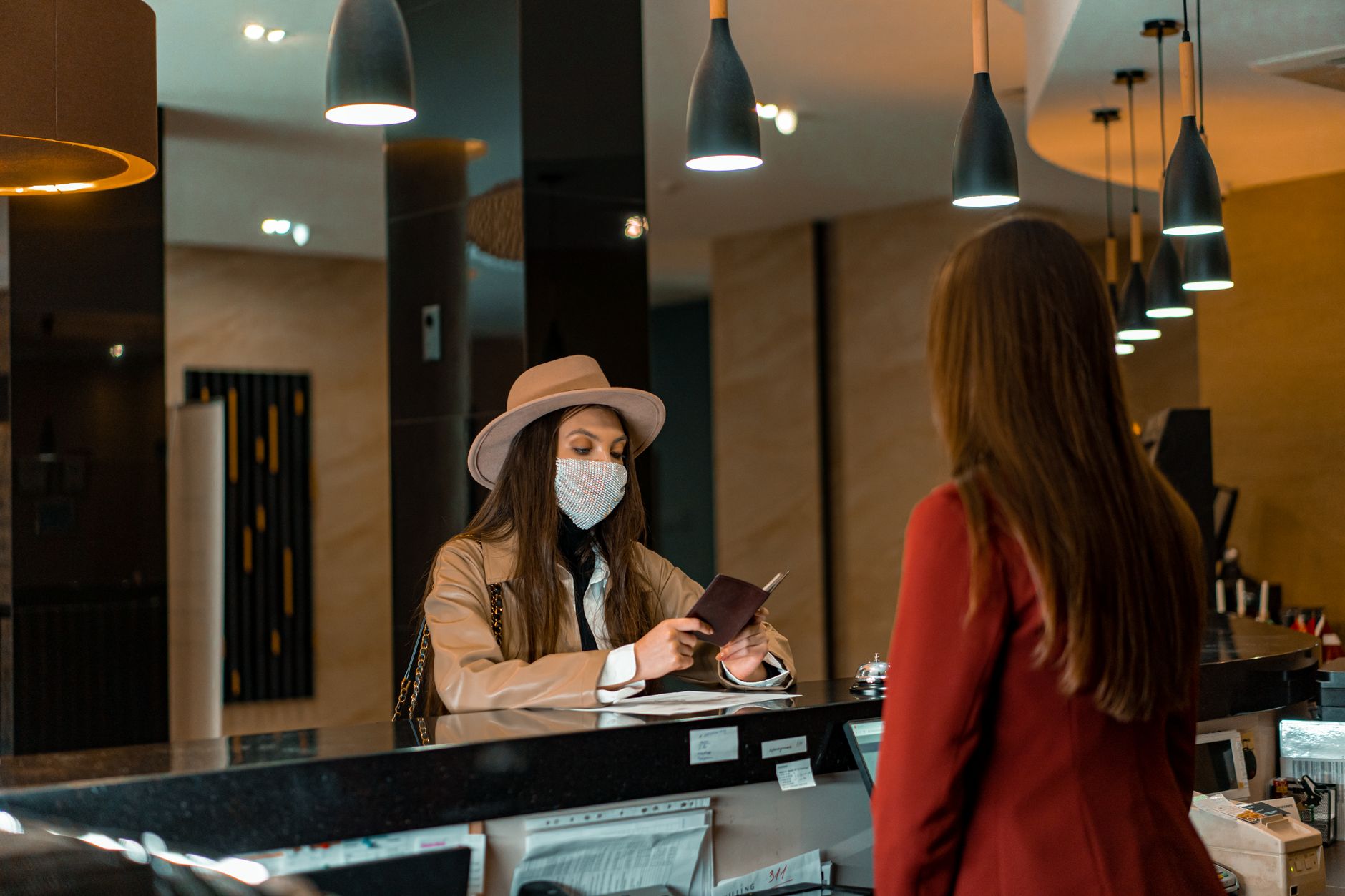
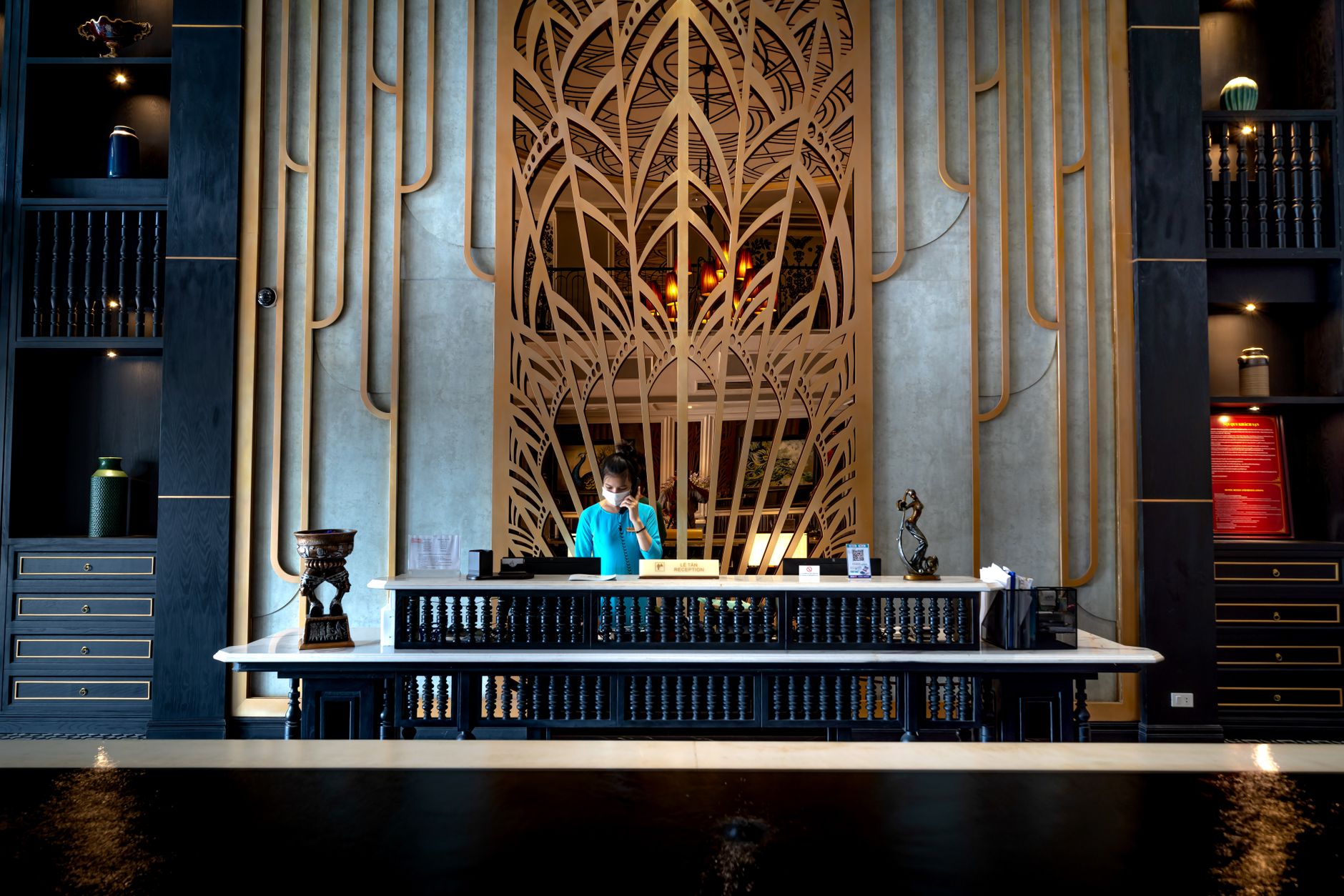
Adjacent hotel tasks listed for Chimelong include check-in support, room service, and concierge-style information. In US terms that translates to amenity drops, linen loops, and late-night snack runs that steal hours from housekeeping.
Elevators and secure corridors remain the gating factor, the same lesson hospital deployments keep teaching Florida operators. Map holds at fire doors and housekeeping closets before marketing robot room service.
Start with internal-only routes, then open guest-facing trips once loaders and receivers trust the workflow.
Banquets and conference floors add tray moves that peak for ninety minutes. Schedule robots between session blocks instead of during head-count rush when aisles are packed.
Pair hotel robots with clear weight and size limits posted at loading bays so staff do not overload compartments with ice buckets or catering trays.
What infrastructure does a mixed robot fleet need?
Hundreds of robots imply dense Wi-Fi or private LTE, charging closets sized for real amperage, and software that can update maps when a pop-up retail pad appears overnight.
US convention centers already reconfigure halls weekly. Your autonomy stack must accept map edits without a three-week vendor ticket.
Plan power and water for scrubbers near dock elevators, not only in back hallways. Event teardown mud will end up on the same floors your guests see at breakfast.
Cybersecurity reviews belong in week one. Connected robots touch guest data, payment flows, and building controllers. IT should sign off before marketing announces a talking guide in the lobby.
Label every charging bay in the CMMS so night crews know which breakers to lock out during maintenance.
How should you measure success after the opening weekend?
Track completed guest interactions, failed trips, average response time for staff assists, and square feet scrubbed per night. Compare event nights versus dark nights.
Survey line cooks, ushers, and housekeeping separately. A robot that helps retail but blocks a loading dock will get unplugged fast.
Publish an internal one-page scorecard every Monday during the pilot. Chimelong publicly committed to months of feedback analysis; you can run the same discipline on one building.
Film time-lapse of concourse cleaning before and after major events. Visual proof helps executives fund expansion faster than abstract reliability percentages alone.
Share scorecards with union or employee councils where required so automation feels transparent rather than surprise equipment parked in break rooms.
How does one US integrator run cleaning, delivery, and patrol together?
Service Robot Co. stays OEM-neutral across scrubbers, delivery bots, and patrol units, then lines up buy or lease financing, deployment, training, and RoboCare service with regional engineers.
Chimelong shows what happens when a property owner bets big on one robotics partner in China. US owners rarely get that luxury, but they can still demand one integrator phone number for every machine on the campus.
Scope a ninety-day pilot with two measurable routes and one cleaning zone, document integration lessons, then scale with the same team instead of re-bidding each robot category.
Keep spare units or loaner coverage in the contract if you run ticketed events. A dead scrubber on playoff night costs more than a monthly service fee.
Document vendor APIs early if you already run building automation; robots should consume door and elevator permissions through audited integrations, not ad hoc scripts.
Frequently asked questions
Sources
Service Robot Co. is not affiliated with, sponsored by, or endorsed by the companies mentioned in this article.