Key takeaways
- Bar feeders win peak throughput when repeat lathe parts start as straight bar stock.
- Cobots win more often when short batches, mixed blanks, and frequent changeovers dominate the week.
- Unattended hours depend on process stability, not just the loader attached to the machine.
- Floor-space cost is really a mobility question. Dedicated hardware stays put, while a cobot cell can follow the work.
- Measure real setup minutes and operator touches from the last 90 days before choosing.
Which option usually wins in short-run shops?
If your short runs are truly short, parts change often, and raw material arrives as castings, saw-cut blanks, forgings, or mixed families of components, a cobot usually beats a dedicated bar feeder. It gives a machine tending robot more jobs to do, and it keeps automation flexible instead of tying capital to one spindle and one bar format.
If most work is repeat lathe parts cut from straight bar stock, a bar feeder still has the cleaner throughput story. It feeds material directly through the spindle, avoids repetitive pick and place motion, and is built for long uninterrupted turning cycles.
The deciding factor is not automation in the abstract. It is how often the shop changes diameter, material, jawing, part geometry, and machine assignment. The U.S. Bureau of Labor Statistics projects about 34,200 openings for machinists and tool and die makers each year over the 2024 to 2034 decade, and the same BLS profile puts median machinist pay at $56,150 in May 2024. Operator minutes are too scarce to waste on the wrong loading method.
What material are you asking the loader to handle?
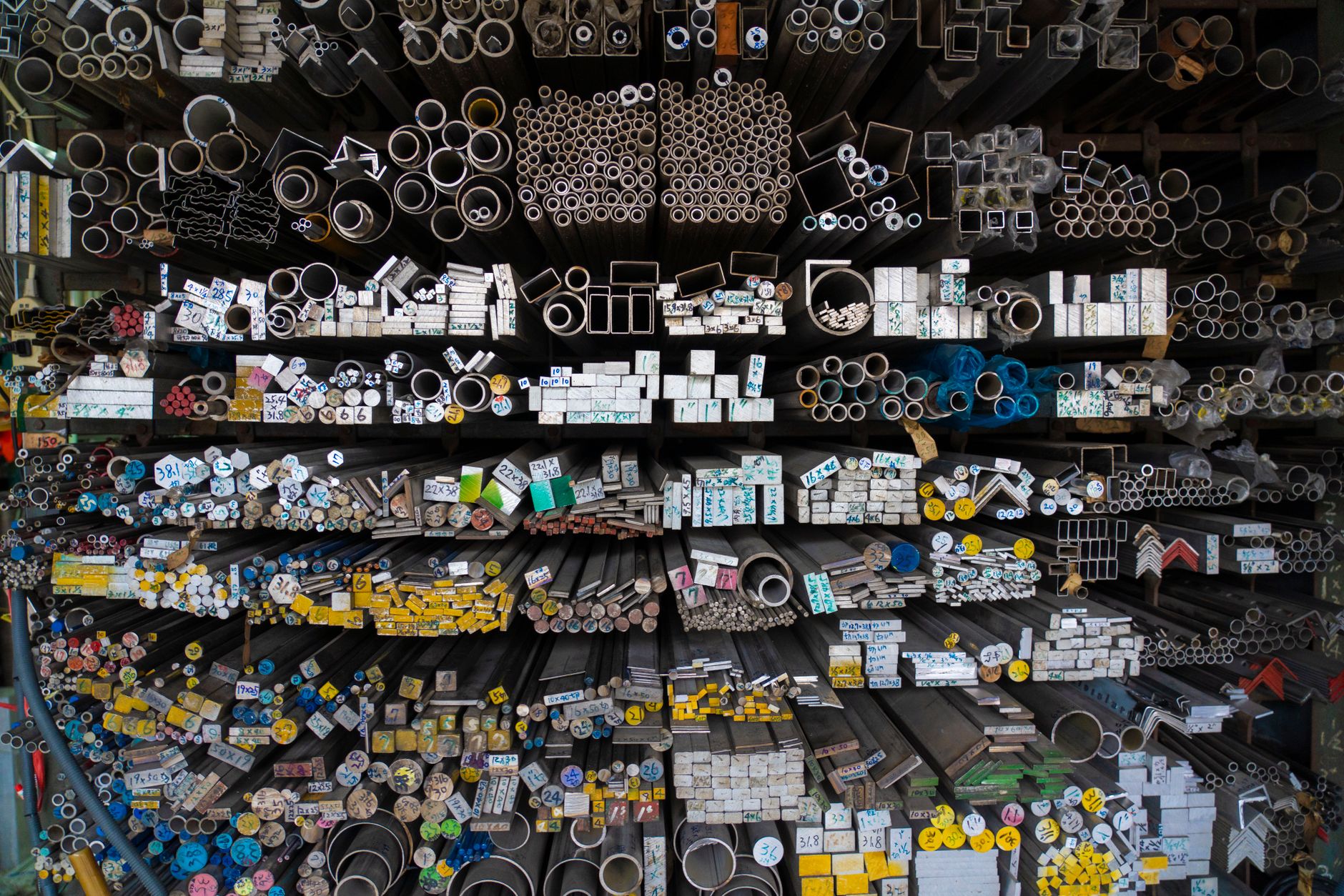
A bar feeder is narrow by design. According to Haas Automation's current 12-foot bar feeder spec, one common system is built for continuous processing of bar stock up to 12 feet long, and it calls for precision-ground stock rather than hot-rolled or cold-rolled bar. That is excellent when the work really is spindle-fed turning. It is a poor fit when jobs arrive as slugs, castings, flame-cut blanks, or parts that need orientation before loading.
Cobot tending is broader. NIST writes that collaborative robots can be programmed with minimal effort, adapt to variations in part position and size, and reduce the need for custom fixturing in high-mix, low-volume work. That flexibility matters in small shops, where Monday is aluminum pucks, Wednesday is cast iron blanks, and Friday belongs to a rework lot nobody planned for.
Where does throughput really come from?
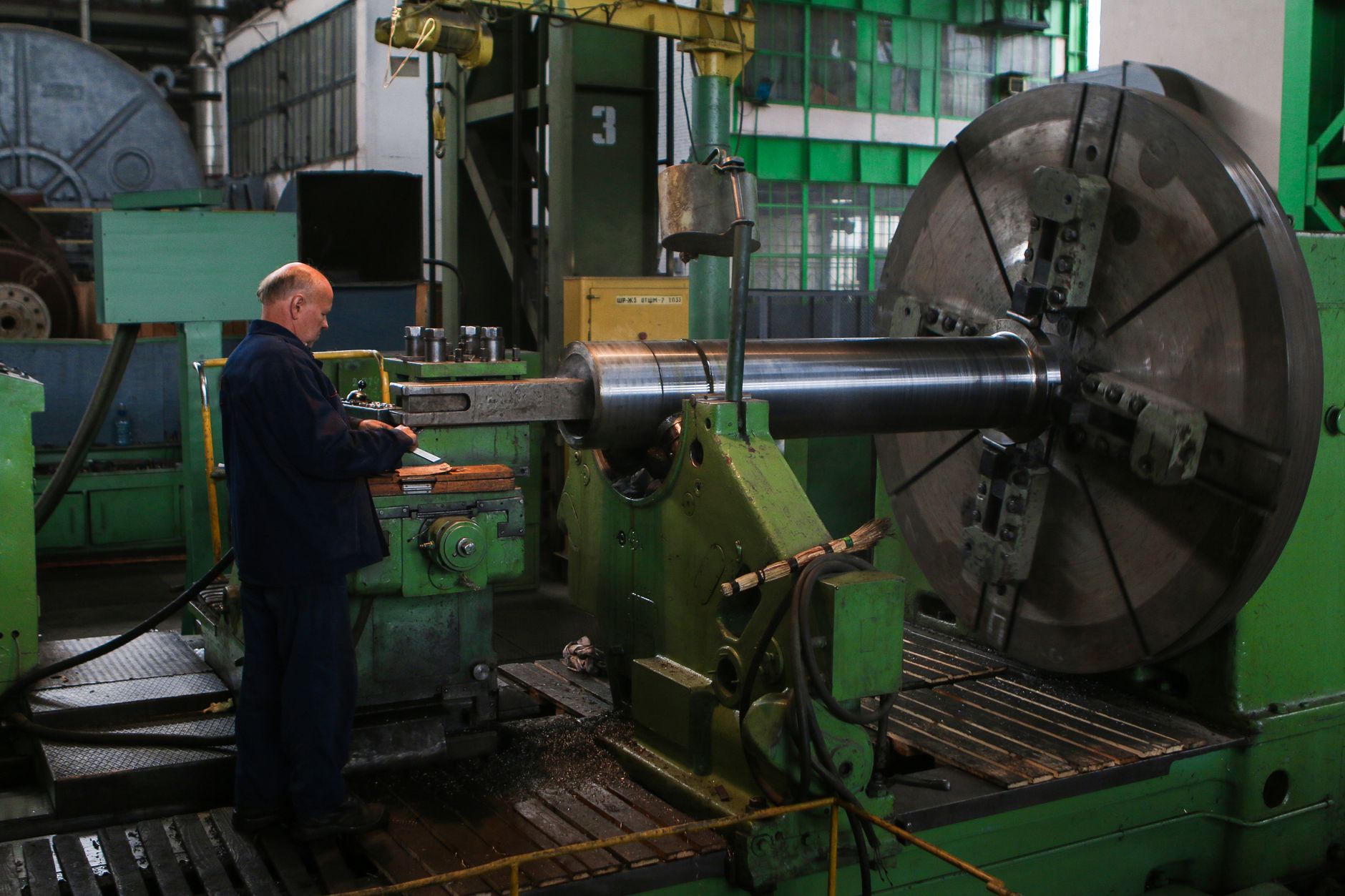
On pure spindle utilization for bar-fed turned parts, the bar feeder usually wins. Haas lists automatic remnant removal and a capacity of 27 bars at 3/8 inch diameter on its 12-foot system. That is exactly what dedicated feeding hardware is for, keeping the spindle supplied with minimal interruption while the lathe cuts one similar part after another.
A cobot gives up some of that single-machine pace because it has to pick, present, wait for chuck and door states, and unload. But throughput is not always spindle speed. In a short-run shop, the better metric is sellable parts across the shift. A cobot can tend different blanks, hand parts to wash or gage steps, and sometimes serve jobs that a bar feeder cannot touch.
If the bottleneck is one lathe making a repeat shaft all day, favor the feeder. If the bottleneck is a person walking between machines, opening doors, and re-presenting mixed parts, favor the cobot.
How much setup pain comes with each changeover?
This is where short-run economics usually break. Haas's operator manual lays out the setup stack for bar feeding: install the correct spindle liner, set up the workholding, load bar stock, adjust tray angle or height for diameter, install the correct push rod, and enter the bar feed variables. None of that is unreasonable. It is just specific, and every diameter change drags those tasks back into the shift.
Cobot changeovers can be annoying too, especially if gripper fingers or vision need attention. The difference is that the architecture is meant to be repurposed. NIST notes that many collaborative arms weigh well under 80 pounds, have a footprint of mere inches, and suit quick changeovers. In a NIST success story published on January 13, 2026, one machine shop had three CNC operators trained to program the cobot for different parts, and those operators were comfortable running different parts within a few hours.
For frequent changeovers, that distinction is decisive. A dedicated bar feeder keeps asking whether this is still the same bar job. A cobot keeps asking what the next loading recipe should be.
Which one buys more unattended hours?
A bar feeder has the better reputation for lights-out turning, and with good reason. Haas exposes a maximum-parts setting that can be left at zero for unlimited parts, which tells you the system is built around continuous repetition. If your part is stable, your chip control is clean, and your stock is consistent, bar feeding can stretch unattended time farther than most tending cells.
But unattended does not mean unguarded. Haas also warns that a machining process may not be safe to run unmonitored and says fire suppression and monitoring may be required before unattended operation. Shops sometimes forget that the feeder buys autonomy only after the process itself is proven.
Cobot tending can still add meaningful dark hours. In the NIST success story on Coventry Industries, the company said its cobot machine-tending deployment added 14 hours of production to the day. That is strong evidence for flexible automation, but the ceiling still depends on blank stack size, gripper reliability, chip carryout, and how much variation the next batch introduces.
What does floor space really cost?
Dedicated loading hardware is not free just because it sits beside the lathe. JLL reported on July 21, 2026 that average U.S. industrial asking lease reached $10.45 per square foot in Q2 2026. Haas lists shipping dimensions of 192.1 by 39.9 inches for its 12-foot bar feeder, which is about 53 square feet before service clearance, walk space, and bar handling room. By rough math, that bare footprint alone maps to roughly $550 a year in lease at the national average, and the real consumed zone is larger.
A cobot cell also eats floor space, especially if you include infeed, outfeed, guarding, and staging. Still, NIST notes that many collaborative arms have a footprint of mere inches and can be redeployed without changing the production layout. In a crowded legacy shop, that mobility can matter more than raw square footage because the same machine tending robot can follow the work instead of anchoring itself to one lathe.
How should a shop compare the two without fooling itself?
Start with five numbers from the last 90 days, not a wish list. Count average batch size, average number of changeovers per week, percent of work that truly starts as straight bar stock, target unattended hours per night, and the number of operator touches per part. Those figures usually reveal the winner fast.
If the shop spends more time loading mixed blanks and resetting jobs than cutting metal, flexible tending usually returns more. If the shop repeatedly runs the same turned family from straight stock and wants the longest unattended spindle time on that one machine, the bar feeder keeps the cleaner case. The mistake is comparing both systems on nameplate capability instead of on the actual mix on the schedule.
Where Service Robot Co. fits
This is the kind of choice that benefits from an OEM-neutral view. Service Robot Co. is a full-service commercial robot integrator for US businesses, so when a shop wants a machine tending robot, the question is not which brand to force into the plant. It is which cell concept matches the part family, the changeover cadence, the safety envelope, and the staffing pattern.
That also matters financially. For shops exploring a collaborative robot arm lease, cobot leasing for manufacturing, or a machine tending robot with purchase or lease options, Service Robot Co. can structure monthly payment programs, robot financing for small business, a commercial robot demo, or a robot pilot program. The company handles robot deployment and integration, training, RoboCare™ service plans, remote triage, and on-site dispatch through a nationwide US engineer network, so the shop has one vendor for the full lifecycle.
A practical buying rule for short runs
Short-run shops usually do best when they buy the simplest automation that matches their actual schedule. That sounds obvious, but many cells are purchased for the one glamorous job instead of the fifty ordinary ones that pay the lease.
- Choose the bar feeder if most candidate work is repeat turned parts from straight bar, diameter changes are infrequent, and the business case depends on maximum spindle-fed throughput.
- Choose the cobot if jobs switch often, raw material form changes, parts need orientation, or the same automation may need to move between machines.
- Choose both only after the schedule proves two different problems: one repeat lathe deserves dedicated feeding, and another cluster of jobs still wastes operator time on load and unload.
- Run a pilot with measured setup minutes, parts per labor hour, and unattended hours. Do not buy from vendor claims alone.
Frequently asked questions
Sources
- NIST on cobots in high-mix, low-volume manufacturing
- NIST cobot machine-tending case study on Coventry Industries
- NIST on cobot mobility and quick changeovers
- U.S. Bureau of Labor Statistics on machinist pay and openings
- JLL U.S. Industrial Market Dynamics, Q2 2026
- Haas Automation bar feeder 12 specs
- Haas bar feeder operator manual supplement
- Haas bar feeder safety guidance for unattended operation