Key takeaways
- Manual pallet stacking breaks first when bag weights and line speeds climb.
- Colorado processors cite staffing limits as the trigger, not novelty.
- Pallet quality and line integration matter as much as the robot arm.
- Phased pilots on one line beat plant-wide shutdowns.
- A single integrator can align AMRs, forklifts, and service coverage.
What changed on Colorado packing lines in 2024 and 2025?
Food and ag packagers on the Eastern Plains and in the San Luis Valley reached the same wall: the line could bag product faster than people could stack, wrap, and stage it. In November 2024, Blanca Potato in Blanca, Colorado described a shift to robotic bag handling, roller conveyors, and an automated palletizer while processing about 2.2 million fifty-pound bags a year, according to Packaging Revolution and PRWeb.
That pattern is not unique to potatoes. In 2025, Dairy Farmers of America’s Fort Morgan, Colorado wet-wash plant upgrade added a new automated packaging line with an integrated palletizing unit, per project documentation from Interstates. The goal on both sites was steadier throughput with fewer hands in the highest-repeat corners of the building.
For a plant manager reading this from Holyoke, Fort Morgan, or a county seat with one dominant employer, the lesson is timing. Automation shows up when labor hours are already maxed, not when the line is idle.
Why does manual palletizing fail before the rest of the plant?
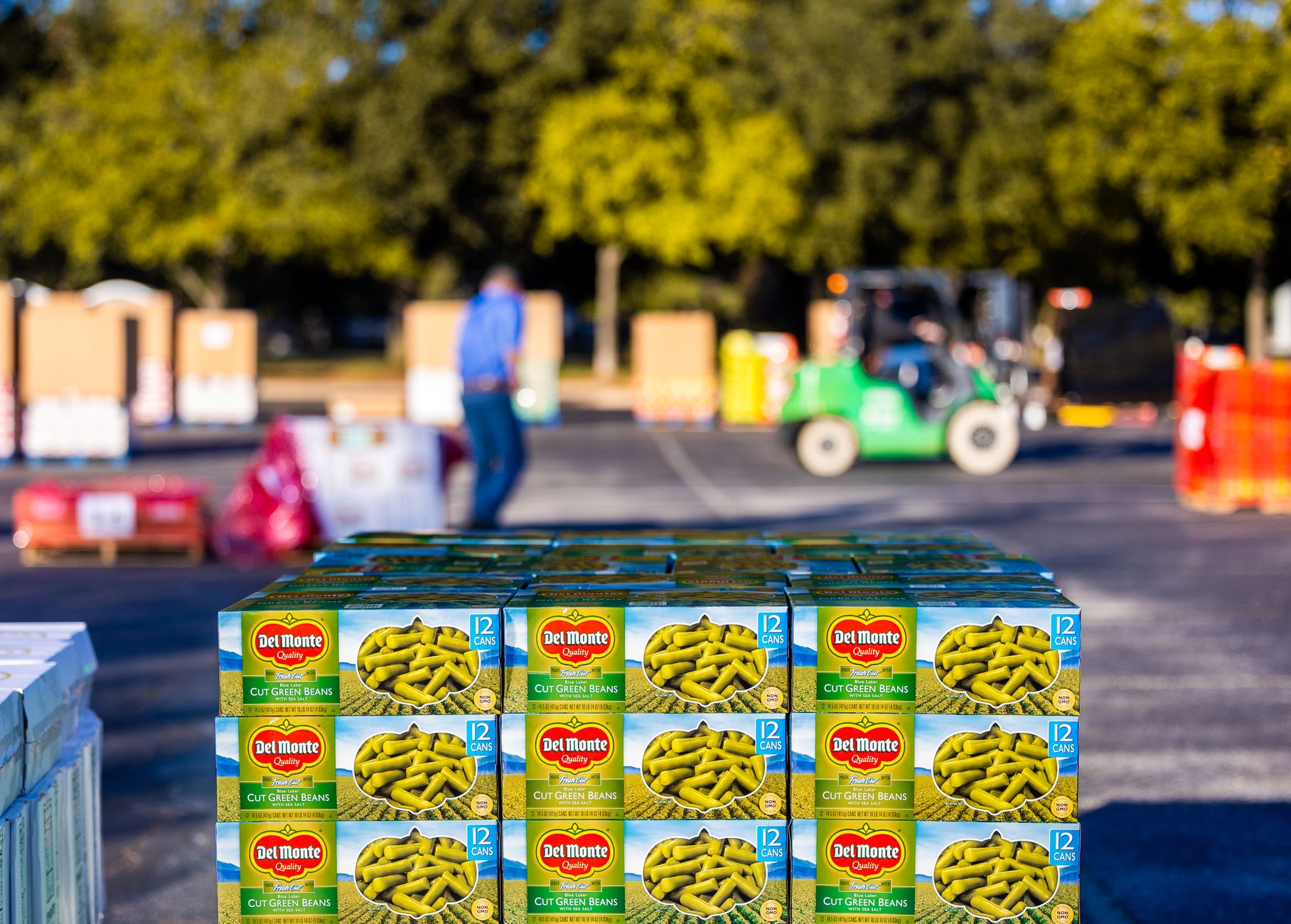
Stacking fifty-pound bags onto a pallet is repetitive, physical, and sensitive to pace changes. When an order rush hits, the bottleneck moves to the last ten feet before the wrap machine. Forklift drivers wait. Trucks wait. Supervisors pull people from other tasks that also needed coverage.
Small towns amplify the squeeze. Census County Business Patterns data summarized for Holyoke’s ZIP code show about 1,113 jobs across 133 businesses, with most firms employing fewer than twenty people. Losing two stackers on a night shift can erase an entire staging lane.
Automation does not remove the need for skilled humans. It removes the same motion hundreds of times per shift so those humans can run QC, changeovers, and customer-specific builds.
What does a typical automated pallet line include?
Processors describe a chain: bagging or case packing, conveyor transfer, robotic or mechanical placement on the pallet, shrink wrap, then forklift pickup to storage or dock doors. Blanca Potato’s public comments walk through roller conveyors feeding an automated palletizer before shrink-wrap and forklift staging.
Material handling robots and AMRs often sit beside that chain rather than inside it. They move finished pallets from wrap to rack, or pull partial loads to a cooler door on a timer. The integration work is mapping those moves so forklifts and autonomous units do not fight for the same aisle at 3 a.m.
If you are evaluating rental or lease paths, start by naming which step you want to stabilize. A palletizing arm without conveyor alignment still leaves a manual gap one station upstream.
Where do pallet quality and maintenance show up?
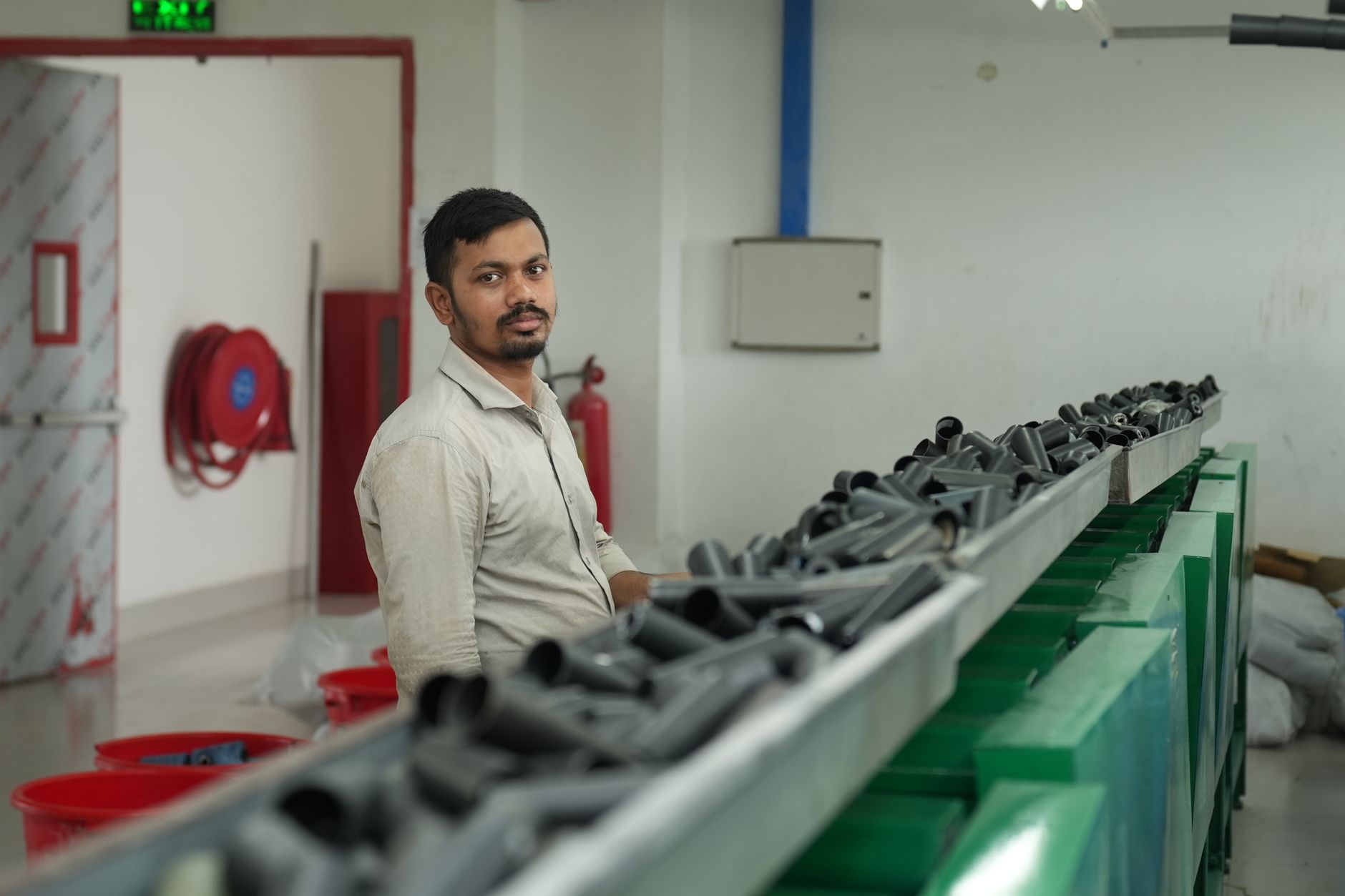
Blanca Potato’s general manager told trade press that early automated runs exposed weak pallets that manual handling had masked. After changing pallet supply and refurbishment practices, the site reported rejecting only about 120 pallets out of roughly 50,000 in a year, under one percent.
That detail matters for any integrator quote. A scrubber or AMR is only as reliable as the floor, clearance, and support equipment around it. Pallet lines are the same: automation magnifies small defects.
Service Robot Co. treats those dependencies in site assessments: floor flatness, aisle width, charging locations, and who owns consumables. Nationwide service engineers handle remote triage and on-site dispatch when a line pauses during peak season.
How should Plains employers think about staffing and robots together?
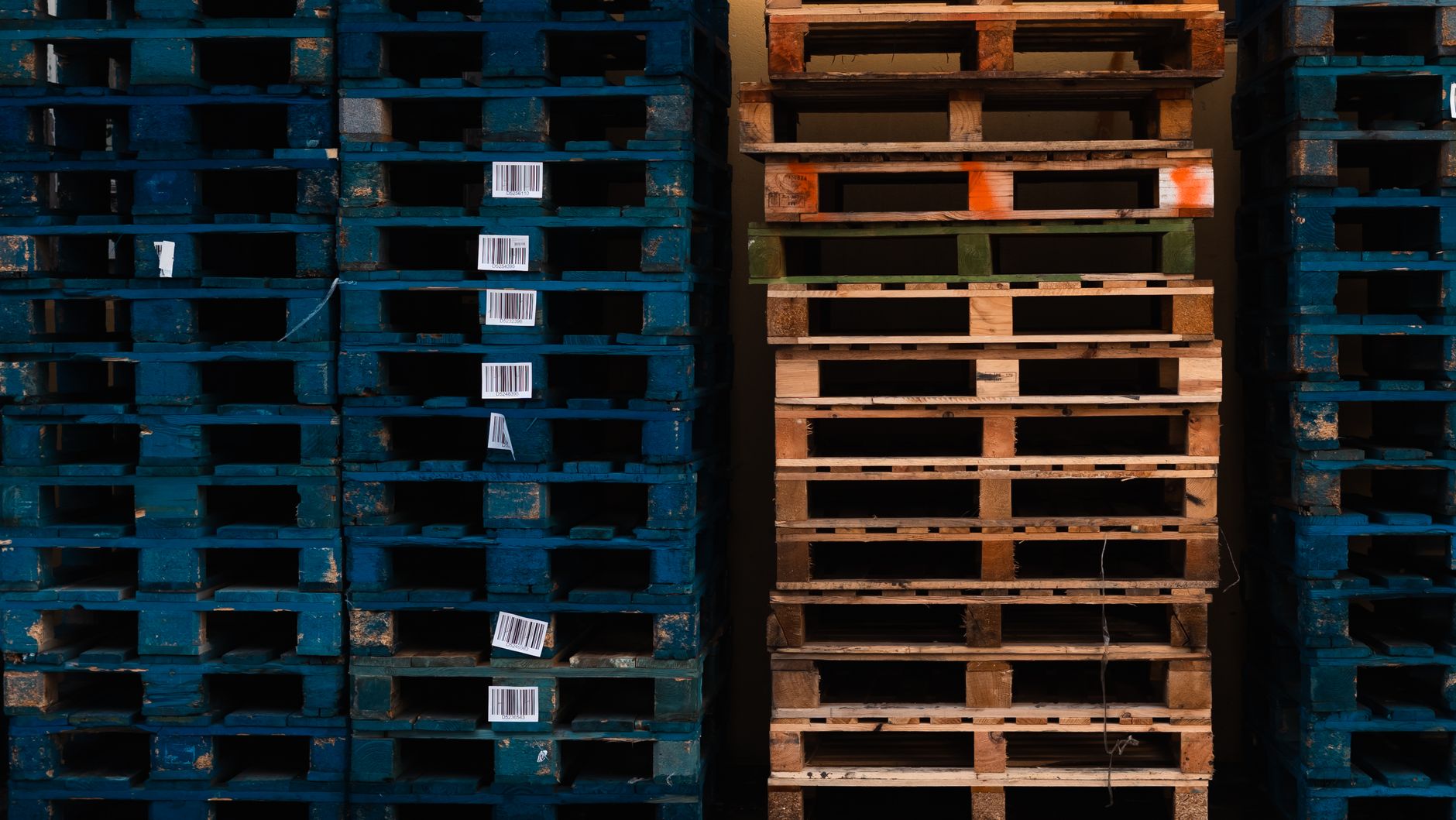
Public comments from Colorado packagers emphasize staffing challenges as the reason to automate, not a desire to eliminate jobs wholesale. The win is holding throughput when applicants are scarce and training time is long.
Neilsberg labor statistics for Holyoke show agriculture at 12.2 percent of the employed population and construction at 12.6 percent, with healthcare and retail also in the mix. Even a small food-accommodation slice still needs night cleaning and internal moves when a harvest crew rolls through town.
Robots fit where the task is mapped and repeatable: overnight scrubbing, pallet shuttles, patrol on a fenced lot. They do not replace the plant manager who decides which customer order ships first.
What does a phased pilot look like on one line?
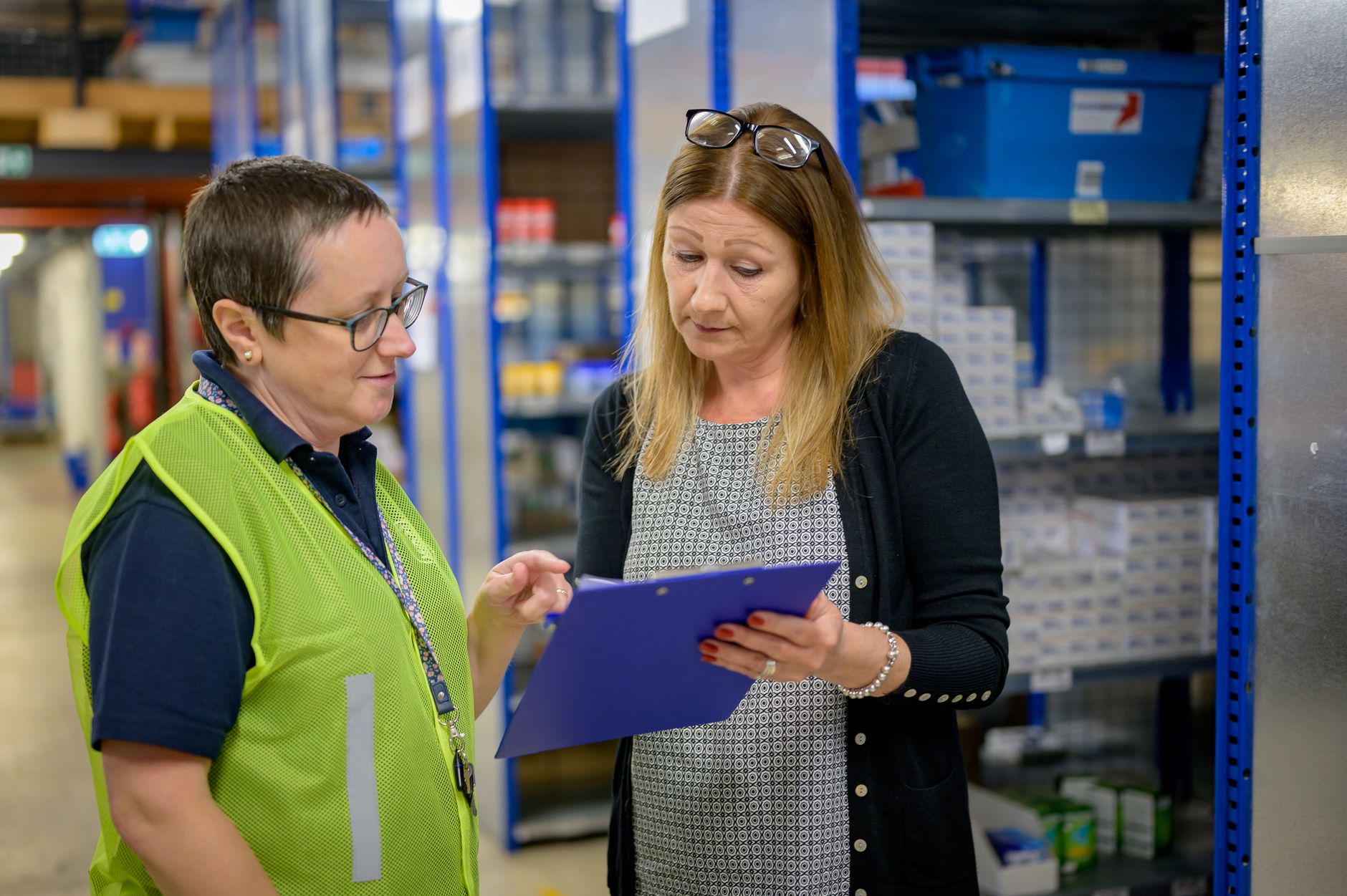
Pick one SKU band or one shift before you rewire the whole plant. Run parallel counts for a month: pallets per hour, wrap failures, forklift idle time, and near-miss traffic in aisles.
Map forklift and AMR routes during live production, not only on a quiet Sunday. Peak noise and partial loads are when collisions almost happen.
Finance the pilot through monthly payment programs or a short rental if capital is tied up in grain or input costs. Convert to a longer lease only after the measured gap is stable for several weeks.
- Baseline manual pallets per hour for the chosen shift
- Track wrap failures and pallet rejects separately
- Log forklift wait time at the wrap station
- Define who remaps routes after a layout change
- Set a service escalation path before harvest or holiday rush
When does an integrator beat buying a single machine online?
Vendor-neutral selection matters because no one OEM owns every link in the chain. You might need a palletizing partner for the line, an AMR for post-wrap moves, and an autonomous scrubber for locker rooms and break areas that still get tracked-in dust.
Service Robot Co. bundles select, finance, deploy, train, and service as one contract. That reduces the finger-pointing when a conveyor pause looks like a robot fault or vice versa.
Integration also covers safety reviews and staff training documentation, which small HR teams rarely have spare time to write during crush season.
What should you ask before signing?
Ask how quickly you can get a loaner unit if a drive fails on the busiest week of the year. Ask who remaps AMR routes when you add a new cooler door. Ask whether service includes remote triage at night.
Ask for references in food or ag processing with similar bag weights and pallet patterns, not only in tech campuses.
Ask for a free site assessment that names floors, aisles, and staging lanes before anyone quotes monthly rates.
Frequently asked questions
Sources
Service Robot Co. is not affiliated with, sponsored by, or endorsed by the companies mentioned in this article.