Key takeaways
- Headline throughput numbers are manufacturer or reseller claims, so a trial shift on your own yard comes first.
- A ride on sweeper needs an operator for every pass, while a compact robot still needs charging, emptying and checks.
- Indoor machines are built for sealed floors and fine dust, so grit heavy concrete calls for an outdoor rated unit.
- Conflicting specs, such as the Pudu MT1 Max figures, need written answers from the maker before they enter a plan.
- Test the worst lane first, then lease only the units that the trial supports.
Which tool fits a shop yard with grit and loading lanes?
For a yard that mixes concrete, grit and loading lanes, the choice turns on who is on the yard and when. A ride on sweeper covers more ground per hour while a trained operator drives it. A compact autonomous floor robot rated for outdoor use can run through a shift without anyone riding it, and it fits tight edges more easily.
The published numbers do not settle the question. No independent field test of either class on a shop yard turned up in our research, and most figures come from manufacturers or resellers. Treat every number here as a reason to run a site trial, not as a guarantee for your concrete.
What do the throughput numbers actually say?
Hillyard lists its SW28R at up to 54,900 sq ft per hour, a manufacturer figure. That works out to roughly 1.26 acres an hour in our arithmetic, before turns, overlaps, emptying and refilling. Nilfisk lists the SR 1101 at theoretical productivity of 5,400 to 6,600 m² per hour, about 58,000 to 71,000 sq ft, and recommends it for factory warehouses, car parks and outside areas.
On the compact side, a reseller listing for the Pudu MT1 Max gives 2,200 m² per hour, while a separate spec sheet claims up to 7,000 m² per hour for spot cleaning and says the machine suits semi outdoor areas. As of November 2026 those two figures conflict and we found no reconciliation. Ask the maker which number holds, and under what test conditions, before using either one in a plan.
How long does each machine run, and who has to be there?
Runtime is where the two classes separate most clearly. Nilfisk lists its mid size ride on sweeper at up to 4 hours per charge. The Pudu MT1 Max reseller listing gives 8 hours typical runtime with a fast charge under 3.5 hours, so a compact robot can cover a long stretch with one charge in between.
Operator time is the cost yard managers most often underestimate. A sample clause on Law Insider sets an 8 hour consecutive working day for mechanical sweeper operators, which limits how long one driver can run a ride on machine in a single stretch. A robot needs no break, but someone still empties hoppers, clears jams, sets routes and plugs in the charger. The real question is how many minutes of human attention each machine asks for.
Which surfaces can each tool handle?
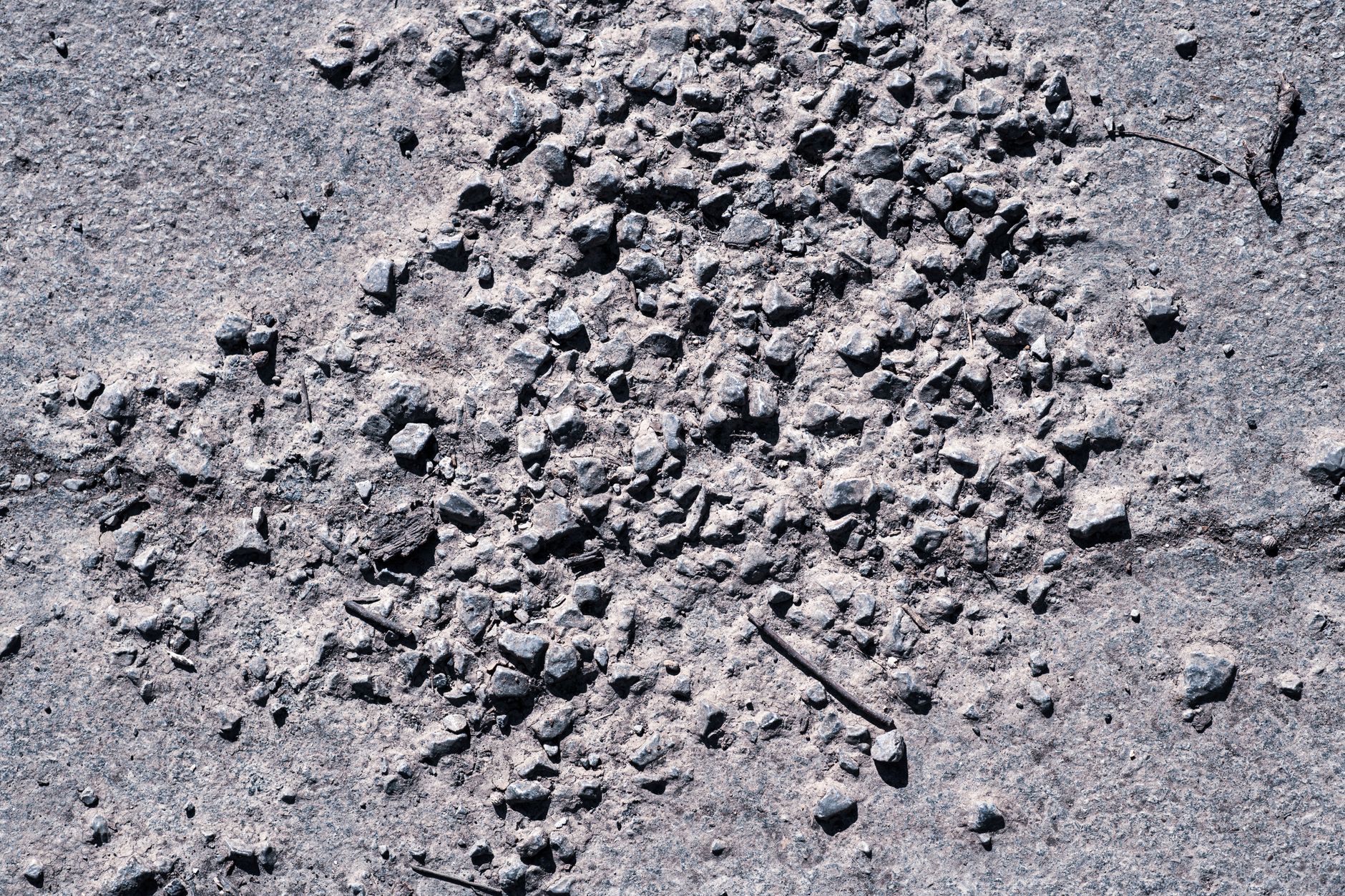
Gausium's vendor guide separates its indoor machines, specified for sealed interior floors and fine dust, from units rated for outdoor use. Outdoor surfaces, grit and bulky litter call for the outdoor version, and the heavy duty outdoor sweepers it describes target sand, gravel, packaging fragments, plastic bottles and wood chips. That is one manufacturer's guidance, so use it as a checklist rather than a verdict on any model.
An industry guide seen in search results notes that actual sweeping time falls with heavy debris and with incline. Loading lanes and dock aprons often bring both, along with lips, thresholds and drainage slopes that can stall a compact robot or slow a ride on sweeper. Measure those transitions and the grit depth on your own lanes before you set a route.
What do IP ratings and rain mean for an outdoor yard?
An IP rating carries two digits. The first covers dust and solid particles, with 6 as the highest dust tier, and the second covers water. For concrete grit the first digit matters most. The MT1 Max spec sheet lists full IP54 sealing, which puts its dust digit at 5, one step under the top tier, so ask how the unit handles fine grit on its seals and filters.
Rain is a sensing problem as well as a sealing one. Water droplets on lenses can scatter LiDAR light or confuse cameras, so outdoor robots rely on rain filtering software, wipers or air blasts. An unofficial technical explainer covers these basics, and the practical test is what a unit does in a wet yard, not only what its housing survives.

How should a yard manager test before choosing?
Start with the worst zone: the loading lane with the most grit, the dock apron with the most lip, and the mixed concrete edge along the fence. Run each candidate there for a full shift and log area cleaned, debris left behind, charge events, stoppages and every moment a person had to step in. One trial shift on your own concrete tells a manager more than a catalog figure.
Service Robot Co. is OEM neutral. We pick the right robots across manufacturers, then lease, deploy, integrate, train and service every unit through a nationwide US engineer network, from one vendor. Our commercial robot leasing starts with a site assessment, and the lease is quoted as one fixed figure on a three year term, so a yard can test one zone before it commits the whole site.
Frequently asked questions
Want a robot working for you?
Tell us the job and the site. We will recommend the robot, quote the lease, and keep it serviced.