Key takeaways
- Dry dust and loose fines point toward a vacuum style robot, while wet residue and bonded film point toward a scrubber.
- Most pet food packing floors carry both debris types, so the first job is mapping what lands on each zone at the end of a run.
- Sanitation rules set the outcome your plant must reach, but any machine still has to pass your washdown and chemical checks.
- A sweep and scrub machine can cover mixed debris in one pass, but test it on your floor before committing to a fleet.
Which tool fits a pet food packing floor?
The short answer is that dry, loose debris favors a vacuum style robot, while wet residue, oil film or bonded grime favors a scrubber. Most packing floors carry some of each, so the right choice depends on which debris dominates each zone when a run ends.
Pet food counts as animal food under FDA rules, which means the sanitation baseline comes from federal CGMP requirements rather than from a robot catalog. The machine has to fit that baseline and your debris map. The sections below walk through dust, residue, mixed machines and washdown checks.
What do the sanitation rules require?
21 CFR Part 507 sets the CGMP baseline for animal food manufacturing, processing, packing and holding. Its subpart covering sanitation sits beside requirements for plant and grounds and for water supply and plumbing, so the floor is part of the regulated picture from end to end.
The rules describe what a plant must achieve. They do not pick a floor machine for you. FDA's preventive controls rule for animal food describes risk based controls that certain facilities must establish, and FDA guidance on CGMP for food for animals includes a sanitation section and a self assessment appendix.
Your written sanitation program should say which zones get dry pickup, which get wet cleaning, and how each pass is verified. That document decides the tool mix, not a vendor brochure.
How do robots handle dust and loose fines?
One vendor guide warns that running a scrubber over dust turns it into slurry, and that a vacuum style robot suits dry pickup better. Another guide lists lower water dependency as a sweeper advantage. Both are undated vendor statements, so treat them as a starting hypothesis and test them.
Fines from the packing area are the classic case for dry pickup first. A wet pass over fine powder can smear it into a slurry that then has to be pulled up, which is the failure mode the first guide describes.
Some vacuum only robots are built for dry environments and are not designed for wet scrubbing. Check the rating before assuming a single unit can handle both passes.
When does a scrubber earn its place?
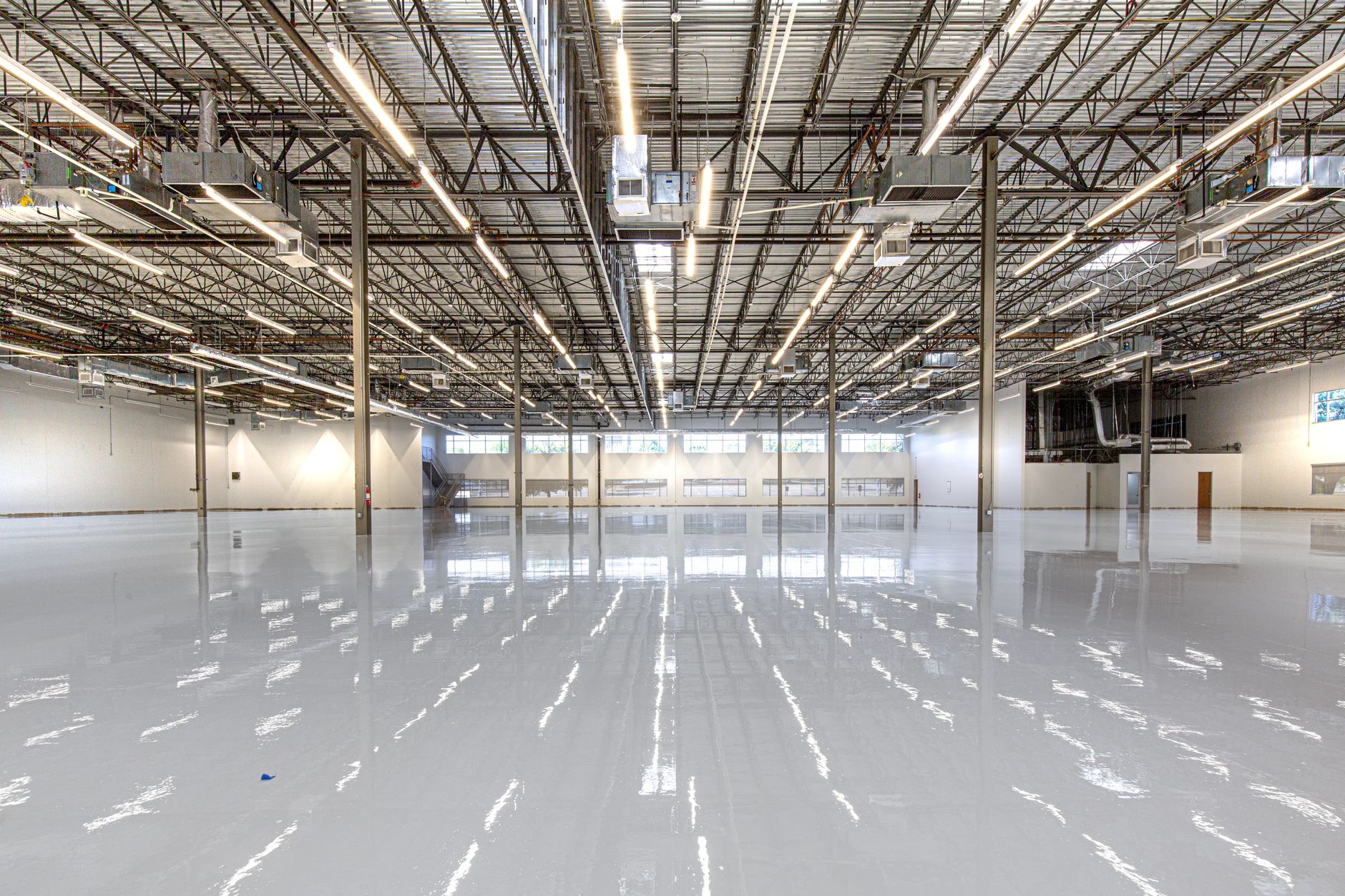
Scrubbers are the tool for bonded contaminants. A vendor source says they remove oil residue, coolant film, grease and tire marks. A food service source makes a similar point, stating that heavy oil and food spills call for dedicated wet scrubbing, and a third vendor says oil and embedded soil need more than a sweeper.
For a pet food packing floor, the question is whether your line leaves a film that dry pickup cannot lift. If fat or ingredient residue builds up near filling or coating equipment, a wet cycle is the likely tool for that zone, while the dry aisles stay on pickup.
Is one machine enough for mixed debris?
Several sources recommend a combined sweep and scrub machine for mixed floors. One food plant example describes a unit with a front roller that sweeps solids and a rear roller that scrubs, all in a single pass, so solids do not interfere with the wet cleaning.
That design solves a sequencing problem neatly, but it rests on a single vendor report. Treat it as a reason to trial a combined unit on one representative zone, not as proof it will hold up on your drains and grout.
The tradeoff is capacity. A combined machine has to carry both debris types through one set of bins, tanks and brushes, so compare dry bin and water handling against your largest debris load before choosing it for the whole building.
What must a robot survive before it touches the floor?
None of the sources reviewed tested food plant washdown compatibility or sanitation validation. Before any unit goes on a packing floor, confirm its rating for the washdown chemicals you actually use, and confirm that wet area electronics and sensors are protected from spray and hose exposure.
Ask for documentation, not showroom demonstrations. A clean demo says little about a floor that carries fine dust, fat residue and daily sanitizer.
Sequence matters too. Plan the dry pass before the wet pass, and schedule both inside washdown windows so the robot never works through an active packing line. Wet cycles leave the floor damp for a while, so confirm it is dry before product resumes.
How do you decide for your line?
Map the floor by zone before comparing machines. Each zone has its own debris type, and a single answer for the whole building usually hides the zones that matter most. Five inputs drive the decision.
Service Robot Co. is OEM neutral. We select robots across manufacturers for the debris and sanitation map, rather than from one brand's catalog. Our site assessment maps the floor, and the lease is quoted as one fixed payment on a three year term after that assessment.
We then deploy, integrate, train staff and service every unit through a nationwide network of US engineers, so one partner handles the whole lifecycle. On a packing floor, that matters because a robot that stops mid shift becomes a sanitation and scheduling problem at once.
- Dry debris load: fines, grit and loose product left at the end of each run
- Wet residue: oil, fat or film that dry pickup cannot lift
- Washdown chemicals and temperatures the robot will meet
- Drain layout, slopes and wet zones the robot must avoid or cross
- Run schedule and washdown windows the robot can use
Frequently asked questions
Want a robot working for you?
Tell us the job and the site. We will recommend the robot, quote the lease, and keep it serviced.
Sources
- eCFR 21 CFR Part 507
- FDA Preventive Controls for Animal Food final rule
- FDA CVM GFI 235 CGMP Requirements for Food for Animals
- InRobots scrubber vs sweeper buyers guide
- Monster Janitorial wet dry vacuum vs auto scrubber
- Gausium industrial floor scrubbers guide
- Medicalsearch robotic floor scrubber vs sweeper 2026
- Gausium food plant sweep and scrub example