Key takeaways
- An unfilled closing shift costs more than the wage you did not pay, because the floor, cooler and count still need doing.
- Three core inputs from your own records, wage, uncovered hours and missed closings, are enough to price the gap each month.
- The BLS cashier median of $15.81 an hour for May 2025 is a national reference point, not a quote for your store.
- Turnover keeps the gap coming back: the September 2026 BLS JOLTS release reported 3.1 million US quits.
- Cleaning robots can take the floor part of a closing shift, and a lease quote follows a site assessment.
Is an unfilled closing shift a real cost?
Yes, and it is usually larger than the payroll line suggests. When a small food store closes with one tired person and an unfinished floor, the cost appears as skipped mopping, a cooler that misses its weekly wipe down, and an opening crew that starts an hour behind. None of that shows up on a payroll report.
The gap has three parts: the wage you would have paid to cover the closing, the work that slid to another shift, and the time a manager spends catching up. The first part can be calculated exactly from your records. The other two are harder to see, so the worksheet keeps them on separate lines and fills them in only when you can measure them.
Why do closing gaps stay off the books?
Small grocery and convenience stores often run closing with thin rosters. A short shift gets filled by whoever is still on site, and the hours are logged as normal labor. Nobody sees a gap, because the schedule looks complete.
The Bureau of Labor Statistics reported a May 2025 median of $15.81 an hour for cashiers across all industries, according to its Occupational Outlook Handbook. That is a national occupation figure, not a rate for your store. A current grocery specific median was not verified for this article, so use the rate on your own payroll.
Which inputs must come from your records?
Every number in the worksheet should come from your own books, schedule and sign out sheets. No industry average can stand in for them, and the answer is only as good as the records behind it.
- Hourly wage for the person who would have covered the closing.
- Hours per closing that go uncovered or run past the normal end time.
- Missed or short closings per month, counted from the schedule.
- Manager or lead hours spent catching up on the next morning.
- Any overtime premium paid to the person who stayed late.
How do you turn those inputs into a monthly gap?
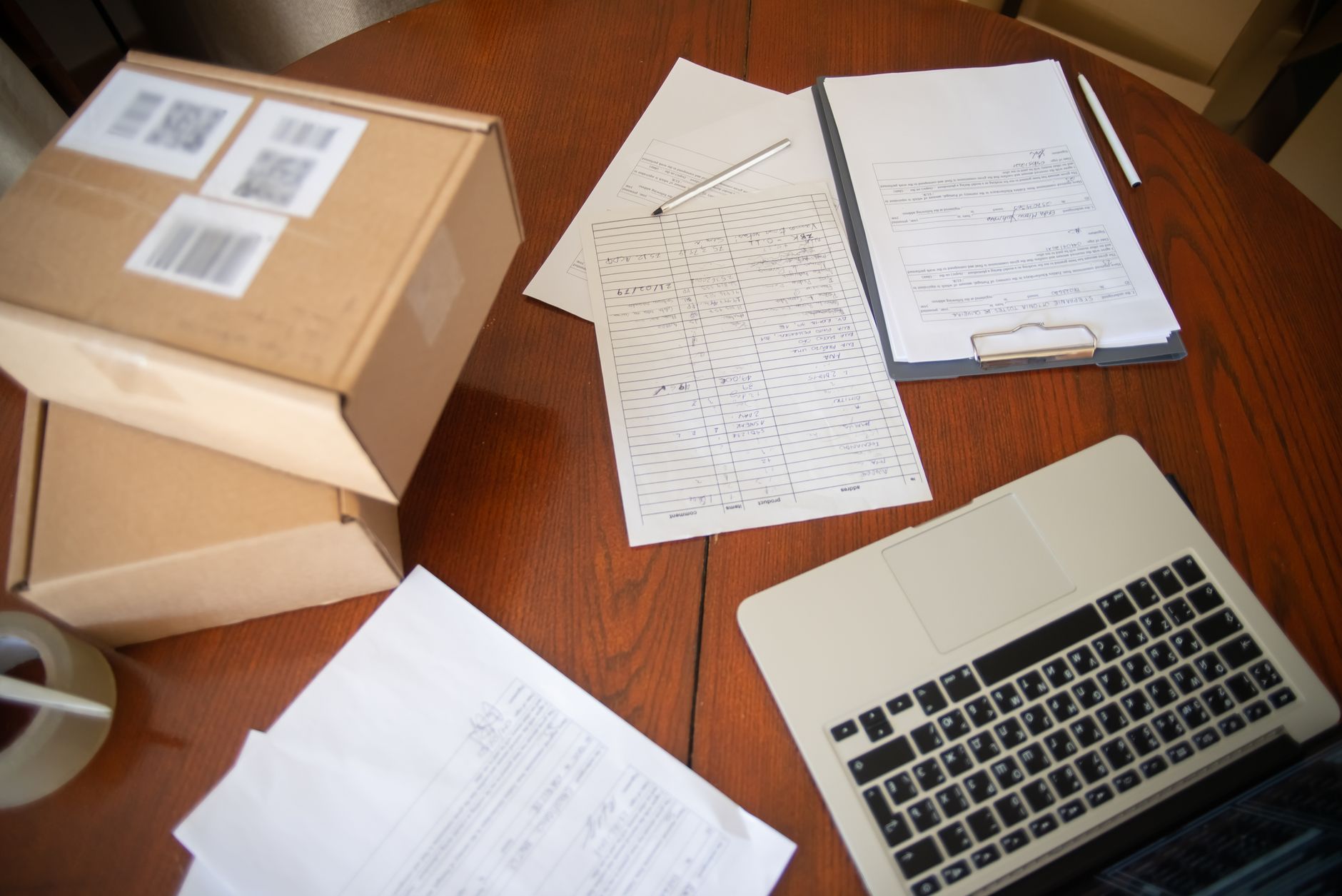
Start with the direct labor gap. Multiply uncovered hours per closing by the hourly wage, then multiply that result by the number of missed closings in the month.
Add catch up hours at the same wage and add any overtime premium. The total is your monthly gap. Mark the catch up line as an estimate, since most stores never time it.
Run the sheet for three months before you act on it. A single bad week can move the total more than any assumption, so look at the trend rather than one result.
What does a worked example look like?
Take the $15.81 cashier median as a placeholder wage. Suppose a missed closing left two hours uncovered. The direct gap for that one closing is $31.62.
Suppose four such closings happened in a month. The direct gap would be $126.48 before catch up time and overtime. These are arithmetic results on placeholder inputs. Replace every figure with your own before you draw a conclusion.
Why does the gap keep returning?
Because people leave. According to the BLS September 2026 JOLTS release, US quits totaled 3.1 million, with a quits rate of 1.9 percent that was unchanged over the month. That covers all industries and does not isolate food retail, but it shows turnover runs through the whole labor market.
Each departure resets training, and closing shifts are often the last to be covered by a new hire. A worksheet that tracks missed closings by month makes that churn visible, instead of blaming one bad week.
Where do cleaning robots fit the closing gap?
Floor work is the part of a closing shift a machine can take over. According to IFR, professional cleaning robots ranked third by application in World Robotics 2026, which covers 2025 shipments. In World Robotics 2025, covering 2024 data, IFR reported professional cleaning robot sales above 25,000 units, up 34 percent. IFR advises against comparing figures across reports because its sample changes, so treat these as IFR reported figures, not a fixed market size.
Service Robot Co. is an OEM neutral integrator for US businesses. We pick the right robot across manufacturers, then lease it through financing on a three year lease with one fixed lease payment quoted after a site assessment. We deploy, integrate, train and service each unit under RoboCare, backed by regional service engineers in every state we service.
A floor robot does not count the till or restock the cooler. Run the worksheet first, so you can see how much of the gap sits on the floor before you consider any machine.

Frequently asked questions
Want a robot working for you?
Tell us the job and the site. We will recommend the robot, quote the lease, and keep it serviced.