
Key takeaways
- Couples leagues often stack twilight tee blocks with steady cart traffic.
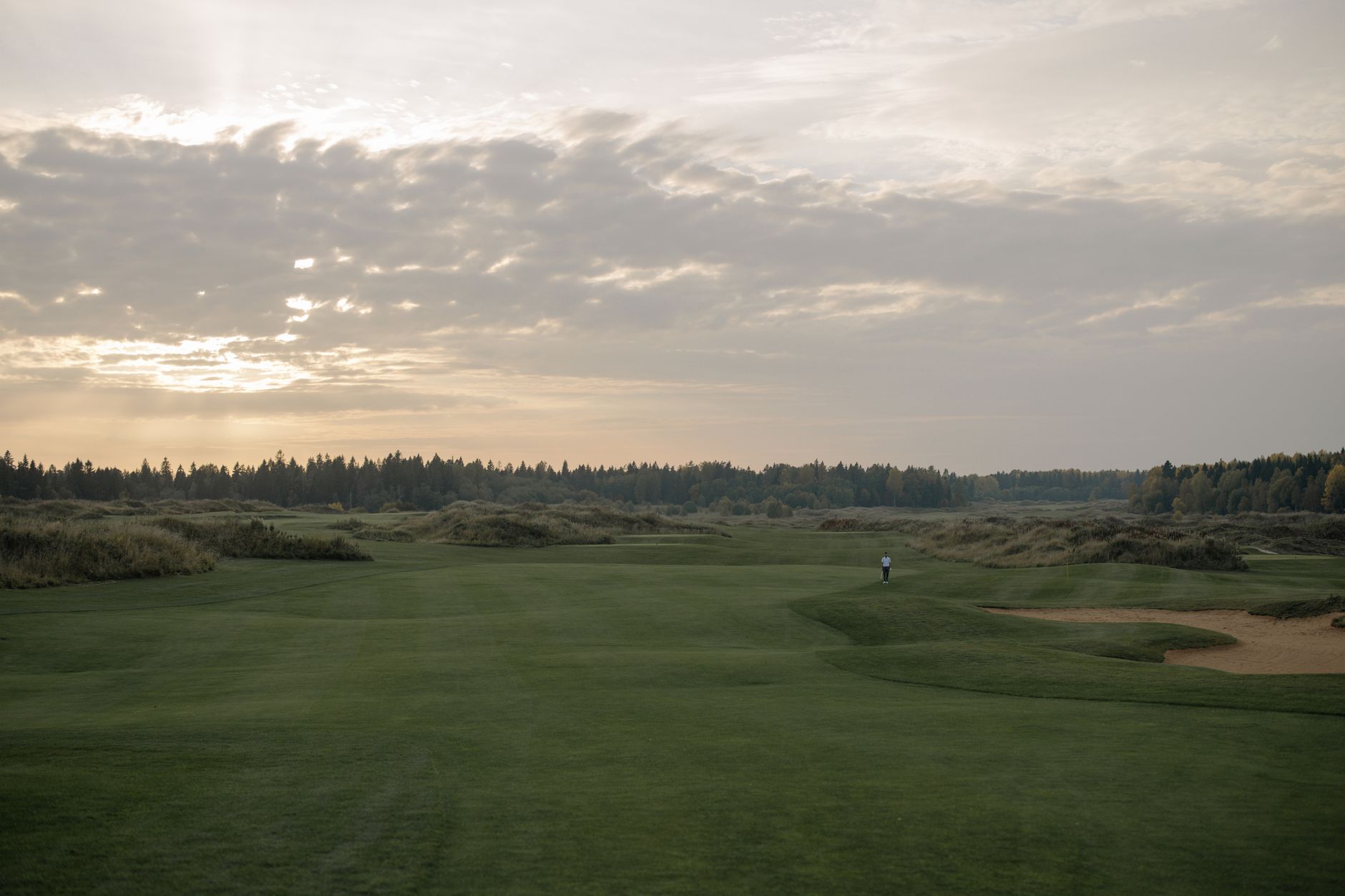
- Fading daylight shrinks the window robots have to finish fairway panels.
- Holds must cover every corridor leagues use, not only the first tee.
- Starters and monitors share one hole-level release sheet.
- Member play behind the league can compress fairway exposure further.
Why couples league evenings squeeze twilight mowing
Recurring couples leagues usually claim a fixed weekday block starting in late afternoon. Starters stack foursomes into twilight, which keeps carts on fairways while crews still want to finish panels before dark.
Couples formats often mix alternate shot and scramble holes, which changes where carts park and which landing zones stay hot longer than a straight medal round.
Treat the league block like a standing reservation on the maintenance calendar, not a surprise when the first cart appears at hole five.
Map the tee sheet before you unlock polygons
Export the league contract from the pro shop: start time, number of tee times, nine or eighteen holes, and whether groups cross over from nine to ten.
Mark hard holds on every starting tee the league uses plus fairway corridors between nines if crossovers apply.
Note sunset time each week. Twilight leagues push robots closer to the dark cutoff than a dawn-only hold assumes.

Daylight limits change hold length
A robot that needs ninety minutes on a panel may not finish if the league starts thirty minutes before sunset on the same hole.
Hold until starters radio clear, not until an average round model says you are safe.
Log actual clear times for two weeks each spring. Those notes justify negotiating tee time shifts with the pro shop.
Polygon holds versus full fleet shutdown
Shutting down every fairway robot all evening wastes hours on holes the league will not reach until late twilight. Lock league corridors and adjacent landing zones while leaving distant loops open if starters agree.
Monitors should watch the live map through the entire tee block, not only at first tee.
Post hold status by hole on the shop board so starters answer questions without calling the mechanic.
Coordinate with starters and league chairs
Give starters plain English hold times tied to hole numbers. League chairs can relay when food service or awards staging delays the first tee.
When themed nights add tables on a fairway, extend holds in the same conversation.
Invite a league representative to the preseason turf meeting. One email thread beats guessing whether carts will use paths you mapped as robot-only.
Member traffic behind the league wave
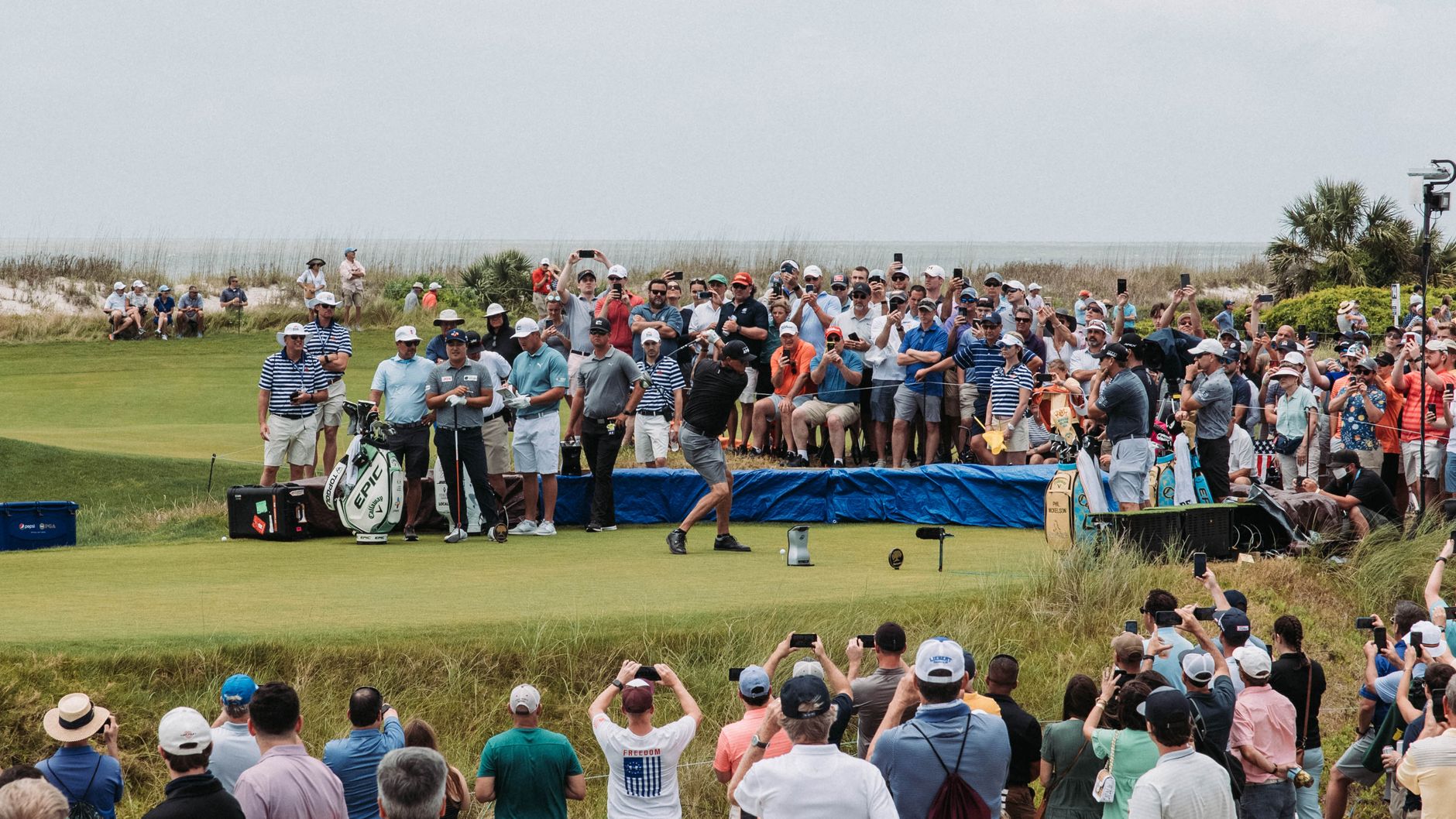
Twilight leagues often run ahead of member groups trying to finish nine before dark. That stacks two pace profiles on the same fairway corridor.
Import member tee times behind the league block if your tee-sheet system books them automatically.
When pace backs up on a dogleg, extend holds from the shop instead of releasing robots into a closing gap.
Morning recovery when evenings run long
If league pace pushes traffic past planned holds, log incomplete fairway panels for the dawn crew.
Rain that delays league start can compress two waves into one busy window.
Keep one monitor authorized to extend holds until starters confirm the last group cleared each hole.
Where integrator support fits
Service Robot Co. encodes league hold profiles into schedules, stays vendor neutral on hardware, and supports buy or lease financing plus RoboCare through one contact. The superintendent still owns agronomy and league timing.
Before the first league week, run a table-top drill with starters: tee block, hold sheet, and who texts the monitor to release hole eleven.
If members still see robots during league play, adjust geofences or tee blocks before you blame turf quality.


