
Key takeaways
- Fairway robots change who owns the long passes, not how many holes need attention.
- Rebuild crew charts around cups, bunkers, tees, and guest-visible detail first.
- Keep one shared run sheet for starters, mechanics, and seasonal staff.
- Range and short-game areas need explicit owners so fairway automation does not starve them.
- Review charts weekly during peak play and after every map or route change.
The long pass leaves the crew chart
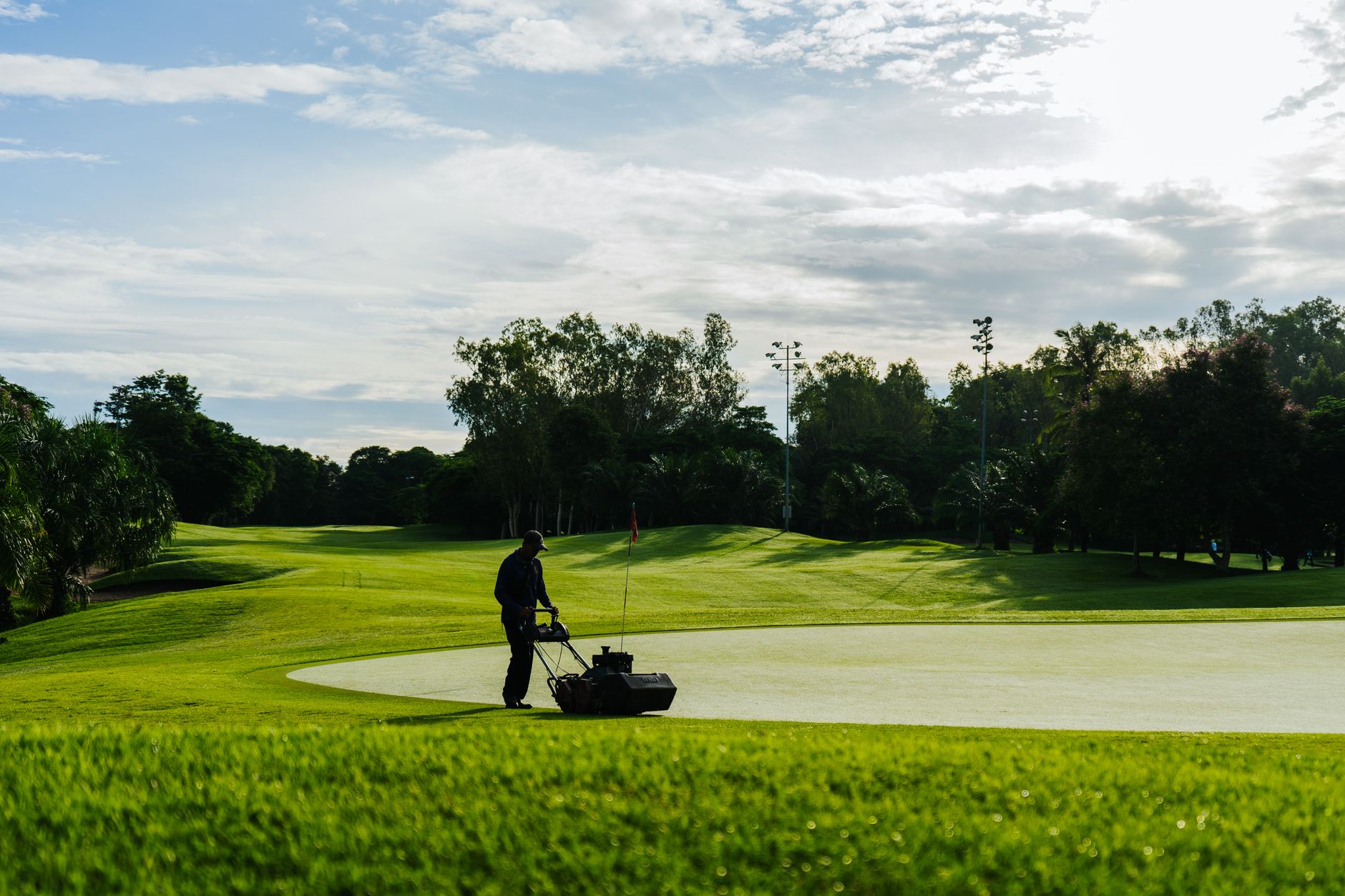
When a lawn mowing robot takes fairway and rough loops, the ride-on hours on your whiteboard do not disappear. They move. Superintendents who treat automation as a headcount cut often discover bunker lips, tee blocks, and practice range presentation sliding backward within two weeks.
The goal is not to run leaner on paper. It is to put people where golfers and members actually notice quality. Fairway lines can stay on schedule through the robot while humans own detail work that still needs eyes, hands, and judgment.
This article is for public, private, municipal, and resort courses that already map fairway polygons and keep greens and tees with the crew. It walks through how to redraw daily assignments once the autonomous unit owns the open panels.
Start from the tee sheet, not the mower log
Pull the next seven days of play: leagues, shotgun events, lessons, and maintenance windows. Mark holes that need extra bunker grooming or tee setup before high-traffic starts. Those flags become the spine of the new chart.
Robotic mowing for golf courses still pauses for lightning, tournaments, and soft ground. Build holds into the same board you use for crew call times so starters know which fairways are live and which are hand-only for the morning.
If your shop monitors overnight routes, assign one named owner per shift to acknowledge alerts. That person is not the robot operator in the old sense. They are the bridge between the log and the morning huddle.
Split roles by hole zone, not by old equipment habits
List every recurring task that used to ride along with fairway mowing: collar trimming, sprinkler head clearing, divot mix runs, trash pickup on paths, and hazard edge touch-ups. Those tasks need new owners now that the robot eats the centerline hours.
A simple pattern that works on many layouts: one technician pair on cups and pins, one on bunkers and approaches, one on tees and practice range, plus a floater for irrigation checks and member requests. Adjust counts for your acreage and labor pool.
Avoid assigning the same person to monitor the robot and lead bunker detail on tournament mornings. Split the load before the week starts so neither job slips when the first bus arrives.
Protect range and short-game time

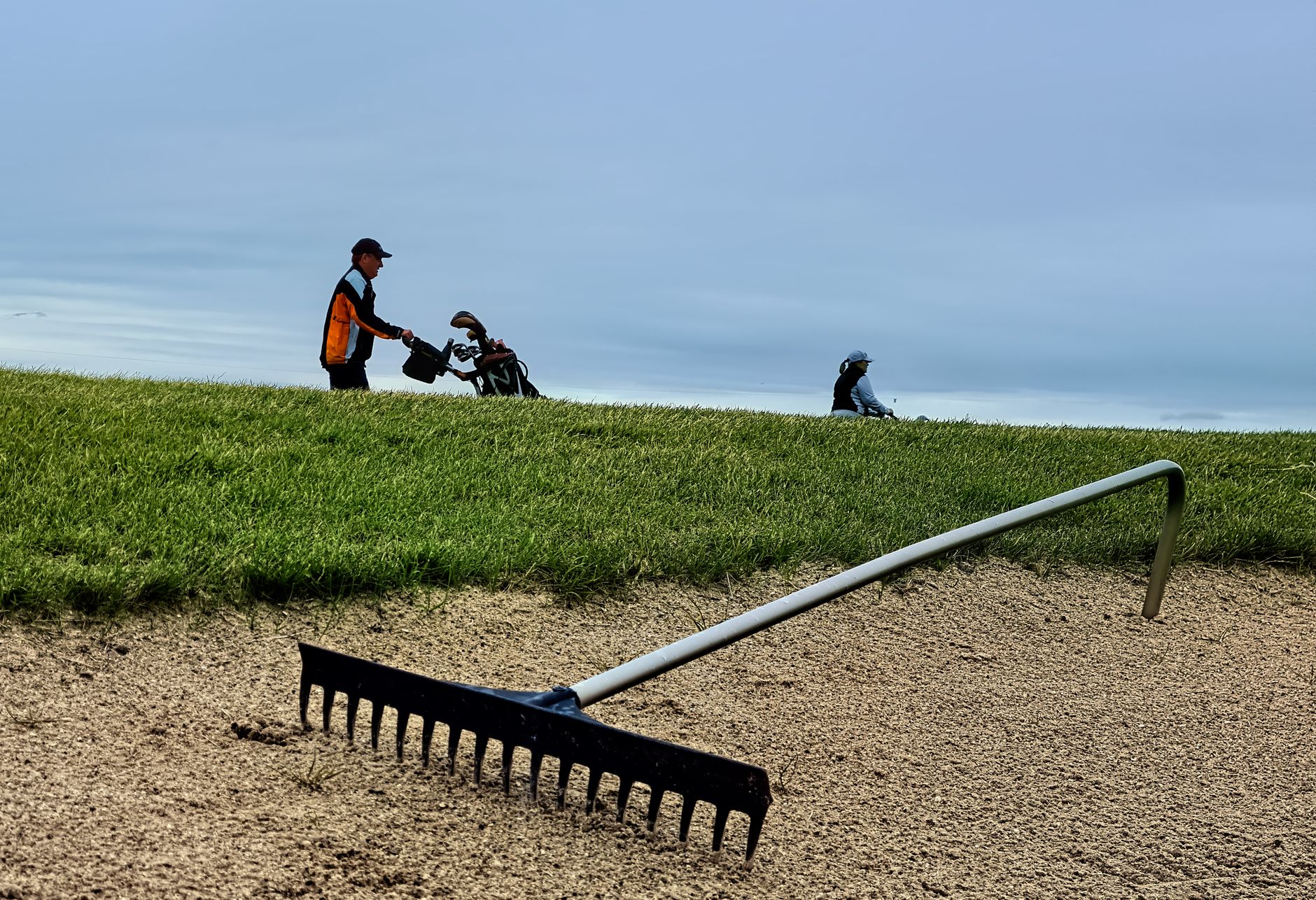
Fairway automation can accidentally pull talent away from the range picker line, chipping green, and putting clock. Those areas set daily perception for members. Block fixed morning windows on the chart before you allocate anyone to fairway support.
If the robot frees two operators from ride-on seats, send one to short-game detail and one to cart path blow-down rather than doubling bunker staff on holes the robot already covers. Revisit that split after member feedback.
Document the choice in the weekly agronomy notes so seasonal hires understand why range work is non-negotiable even when fairways look perfect from the clubhouse.
Mechanics and irrigation stay on the chart
Charging pads, boundary wires, and deck checks belong on the same calendar as pump starts. A fifteen-minute morning walk of docks and keep-out flags prevents an afternoon stall when the robot needs a reset mid-route.
Irrigation techs should know which fairways run overnight so they do not open heads on active polygons. Add a line to the irrigation run sheet for robot windows the same way you note aerification or topdressing holds.
Service Robot Co. can help document RoboCare alert owners in your chart during onboarding. The integrator does not replace your superintendent judgment on who covers which hole, but clear names reduce finger-pointing when a route pauses.
Communicate with starters and rangers

Starters need a one-page run sheet: which holes are robotic that morning, expected pause times for groups, and who to call if a unit stops on a landing zone. Rangers should know the same list before carts roll.
Post updates on the board near the shop door, not only in email. Seasonal staff miss inbox threads on busy Saturdays.
When play runs ahead of schedule, starters can text the floater listed on the chart instead of guessing whether fairways are safe for carts and robots together.
Seasonal and peak-week adjustments
Peak summer weeks may need a third bunker-focused body even with robots running. Chart that hire or overtime slot before Memorial Day rather than reacting when complaints hit the pro shop.
Shoulder seasons often shrink the crew. Shrink the chart honestly: fewer floaters, tighter hole groupings, and earlier robot windows when frost is gone but play is still light.
After every map edit or new keep-out zone, hold a ten-minute chart review. Polygons that change without crew communication are how collars get smeared.
Measure the split with simple checks
Walk holes twelve and thirteen at dawn once a week with the chart in hand. If bunkers, tees, or paths fail your standard while fairways glow, rebalance assignments before members post photos online.
Track overtime by task type for a month after go-live. Spikes in bunker OT while robot hours stay flat mean the chart still assumes old fairway staffing.
Ask starters one question each Friday: where did the course look thin to players? Their answers beat guessing from the maintenance office.


