Key takeaways
- CVG's 'living laboratory' culture is key to its successful robotics integration.
- Robots handle repetitive tasks, freeing human staff for higher-value, customer-facing roles.
- Early and transparent communication with existing staff is crucial for acceptance.
- Success is measured not just in efficiency, but in passenger experience and public perception.
- A phased, data-driven approach, starting with pilot programs, de-risks large-scale deployment.
How CVG Became a Leader in Airport Robotics
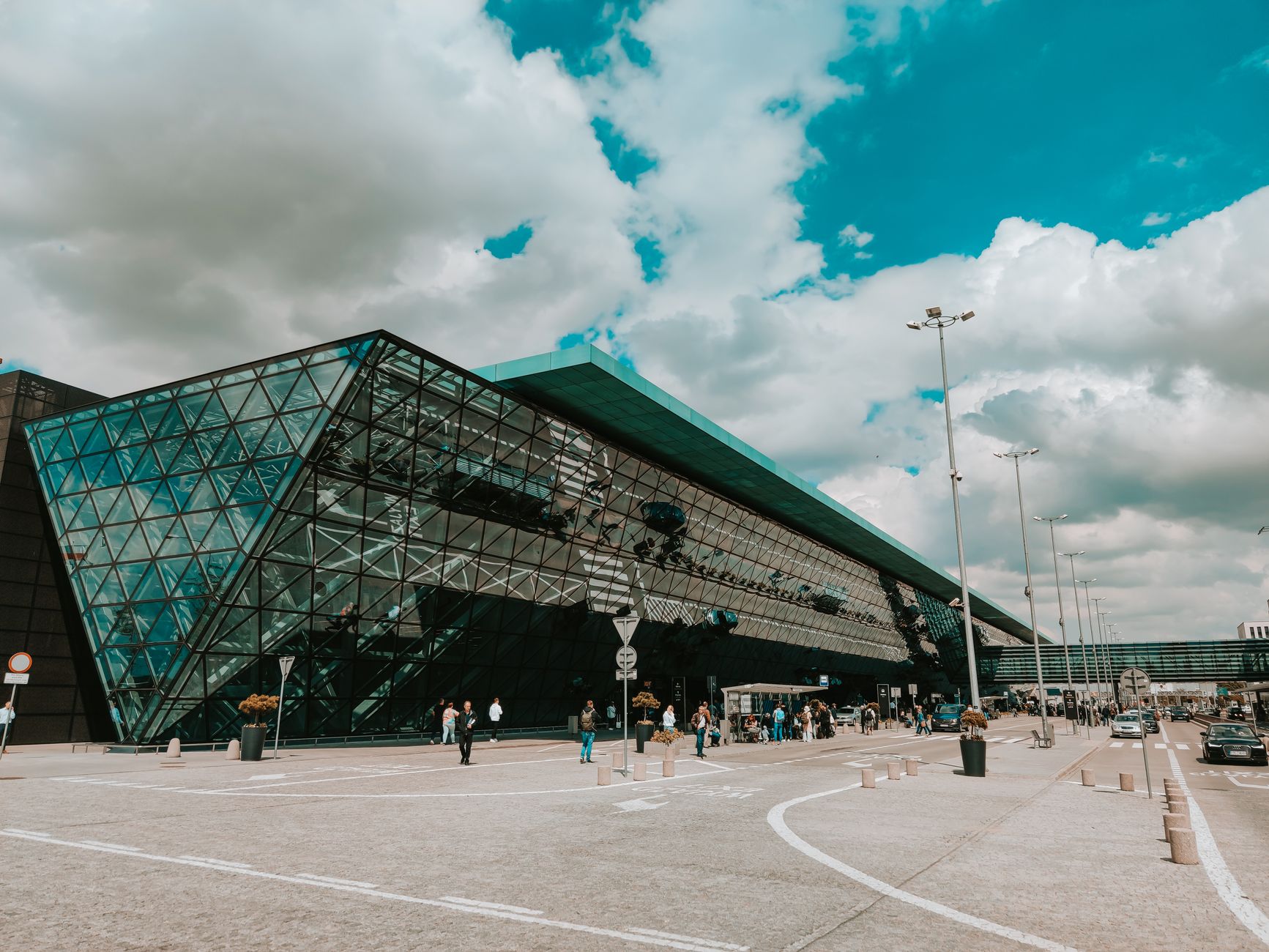
Cincinnati/Northern Kentucky International Airport (CVG) has become a prominent example of successful service robot integration in a large public venue. Their journey offers valuable insights for any facility manager considering automation. The airport has intentionally cultivated a culture of innovation, positioning itself as a real-world testing ground for new technologies that can enhance the passenger experience and streamline operations.
This forward-thinking approach led CVG to become the first U.S. airport to deploy a specific brand of autonomous floor scrubbing robots. Following a successful pilot program that began in November 2019, the airport fully integrated the machines to maintain cleanliness in its high-traffic terminal. This was not a tentative step but a strategic decision to improve hygiene and efficiency, especially as passenger traffic grew and around-the-clock operations became the norm.
Building on this success, CVG later launched a fleet of autonomous delivery robots. This initiative, a world-first for autonomous food and retail delivery in an airport, allows passengers to order items via their mobile devices and have them delivered directly to their gate. The program started with a pilot in late 2020 to gather passenger feedback before a wider rollout, demonstrating a methodical and user-centric approach to adopting new technology.
What Were the Outcomes of the Robot Deployments?
The results at CVG extend beyond just clean floors and convenient deliveries. The primary outcome has been a measurable enhancement of the airport's operational efficiency and a consistently high standard of facility cleanliness. During the floor-scrubbing pilot, for instance, an average of 200,000 square feet of flooring was cleaned each week by a single robot. This level of performance helps ensure that high-traffic areas receive routine coverage, a task that can be challenging for human teams managing a vast and busy space.
For the delivery robots, the program provides a valuable new amenity for passengers, allowing them to receive food and retail items without leaving their gate area. This contactless service not only adds convenience but also addresses modern consumer preferences for reduced physical interaction. The system uses QR codes and mobile updates to create a smooth, user-friendly experience from order to retrieval.
Crucially, the introduction of robotics has positively impacted the human workforce. Rather than replacing staff, the robots have taken over repetitive, physically demanding tasks. This has allowed the airport's environmental services team to focus on more detailed, complex cleaning tasks and other high-value activities that require human critical thinking and dexterity. This strategic allocation of labor is a key lesson in leveraging automation to augment, not supplant, human workers.

The Importance of Passenger and Staff Interaction
A significant factor in CVG's success has been its careful management of the human-robot interface. The airport recognized that public perception and staff acceptance were as important as the technology's performance. The autonomous floor scrubbers, for example, were found to be a source of curiosity and even delight for passengers, some of whom would stop to take pictures. This positive interaction is a direct benefit, as it contributes to a modern and well-maintained image for the airport.
CVG's leadership proactively addressed potential concerns from the housekeeping staff. They framed the robots not as replacements but as tools to improve working conditions and manage an increasing workload due to rising passenger numbers. The airport even issued an employee badge for one of the robots, a small but symbolic gesture that helped integrate the machine as part of the team.
Feedback from passengers has been laudatory, with many specifically mentioning the robots as a visible sign of the airport's commitment to cleanliness. According to CVG's Chief Innovation Officer, this public praise is a powerful motivator for both leadership and the staff working alongside the autonomous units.
How Can Other Facilities Measure Success?
CVG's approach provides a blueprint for how to measure the success of a robotics program. The most direct metrics are operational. For cleaning robots, this includes tracking the square footage cleaned per shift, the hours of labor redeployed to other tasks, and ensuring consistent coverage of all mapped areas. The data analytics from the robots themselves can highlight areas that are consistently missed, pointing to obstructions or mapping issues that need to be addressed.
For delivery robots, success metrics include the number of orders processed, delivery times, and customer satisfaction ratings collected through the ordering app. Analyzing which retail locations and products are most popular can also provide valuable business intelligence. The initial pilot program was essential for gathering this type of user feedback to refine the service.
Beyond these hard numbers, CVG places significant weight on qualitative feedback and its overall reputation. The airport participates in global customer satisfaction surveys and has earned awards for its service quality, which leadership attributes in part to the high standard of cleanliness maintained by the human-robot teams. Public comments and social media sentiment are also valuable indicators of how the technology is being perceived.
What Is the Role of a Robotics Integrator?
The success at CVG highlights a critical, often overlooked element: the importance of a strategic partner. Deploying a fleet of autonomous mobile robots is not as simple as buying a machine and turning it on. It involves site assessments, mapping, integration with existing workflows, staff training, and ongoing maintenance. This is where a full-service commercial robot integrator becomes indispensable.
An experienced integrator acts as a single point of contact for the entire lifecycle of the robot fleet. At Service Robot Co., we provide this turnkey approach. We start with a free site assessment to determine the right type and number of robots for your specific needs. Because we are OEM-neutral, we select the best hardware from across different manufacturers, ensuring the robot fits your floor and your operational goals, not the other way around.
Furthermore, a partnership model addresses the complexities of deployment and service. Our nationwide network of US engineers handles the initial site mapping, go-live support, and all scheduled maintenance and emergency repairs. This means your own staff doesn't need to become robotics experts. With options like our robot as a service (RaaS) monthly subscription, businesses can avoid large upfront capital expenditures and benefit from included maintenance, backup units, and zero downtime guarantees. One partner and one number to call simplifies everything.
Key Lessons from CVG's Robotics Program
Several clear lessons emerge from Cincinnati/Northern Kentucky International Airport's journey with service robotics. These takeaways are applicable to any large public facility, from convention centers and stadiums to hospitals and distribution centers.
First, cultivate a culture that embraces experimentation. CVG's self-described role as a "living laboratory" allows it to test and refine new technologies in a controlled manner before committing to a full-scale rollout. This de-risks innovation.
Second, focus on augmenting your human workforce, not replacing it. By automating repetitive and strenuous tasks, you free up valuable staff members to handle more complex duties and customer-facing interactions, improving both employee satisfaction and service quality.
Third, plan for public interaction. In any public-facing environment, robots will be noticed. Designing the deployment with passenger and guest interaction in mind can turn the machines into a positive marketing tool that signals a commitment to modernity and quality.
Finally, choose the right partner. The technical challenges of deploying, integrating, and maintaining a fleet of robots are significant. Working with a vendor-neutral integrator who can manage the entire process, from financing and deployment to nationwide service, ensures you get the operational benefits without the logistical headaches.
Frequently asked questions
Sources
Service Robot Co. is not affiliated with, sponsored by, or endorsed by the companies mentioned in this article.