Key takeaways
- Dental floors are housekeeping surfaces, so a compact floor robot can carry most routine floor work in reception and waiting areas.
- Treatment rooms, visible blood or saliva, and chemical jobs stay with trained staff under the written cleaning schedule.
- Clear cords, carts and loose items before every run, because clutter ends more robot passes than any floor type.
- Check thresholds, floor transitions and weight limits during a site walk before anyone relies on a route.
- Short gaps work only when the robot runs in quiet minutes and a staff member can pause it at a glance.
Can a floor robot handle a dental office between patients?
For the open floors, yes. A compact floor robot can take the reception area, the waiting room and the main corridor between appointments, as long as those floors are clear and the route has been mapped. It does not take over the work that follows a visible spill, a treatment room turnover or a chemical job, and it does not replace the cleaning schedule the office must keep in writing.
The split rests on a line that infection control guidance already draws. Clinical contact surfaces sit in one group. Housekeeping surfaces, including floors, walls and sinks, sit in another. Floors fall into the second group, so a robot can carry much of the routine floor load while staff keep the clinical and spill work.
Why do short gaps make dental floor work hard?
A dental office seldom has a long idle window. Patients move from the waiting room to an operatory, the room gets turned over, and the next patient is called before the floor by the reception desk has been swept. Staff tied up in treatment rooms rarely have a spare pair of hands for the lobby.
A floor robot helps only if setup stays light. The route should be mapped once, the reception desk and chair bases should be recorded as fixed obstacles, and runs should fall in quiet minutes rather than during check in peaks. Staff stay in the operatories while the robot covers the open lanes.
What does CDC guidance say about dental floors?
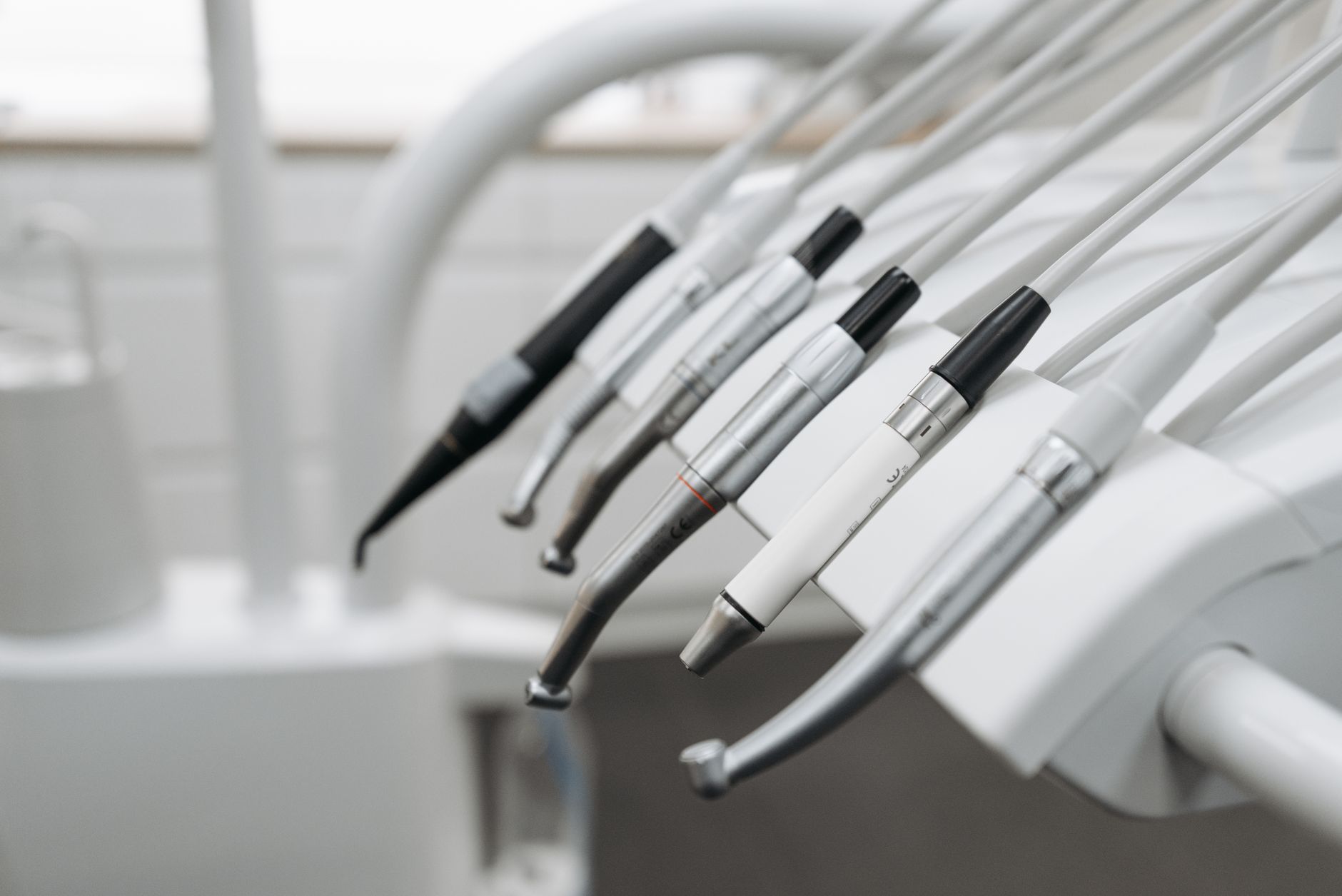
According to a dental trade article quoting CDC guidance, floors, walls and sinks are housekeeping surfaces, and the evidence does not show they pose a disease transmission risk in dental settings. The CDC page itself was not retrieved for this article, so treat that wording as secondhand and read the CDC FAQ on environmental surfaces before it goes into your policy.
That finding lowers the stakes for routine floor care. It does not lower them for visible contamination. The same trade article says visibly contaminated housekeeping surfaces need prompt removal and disinfection, and it attributes that requirement to OSHA.
Which dental floors suit a compact robot?
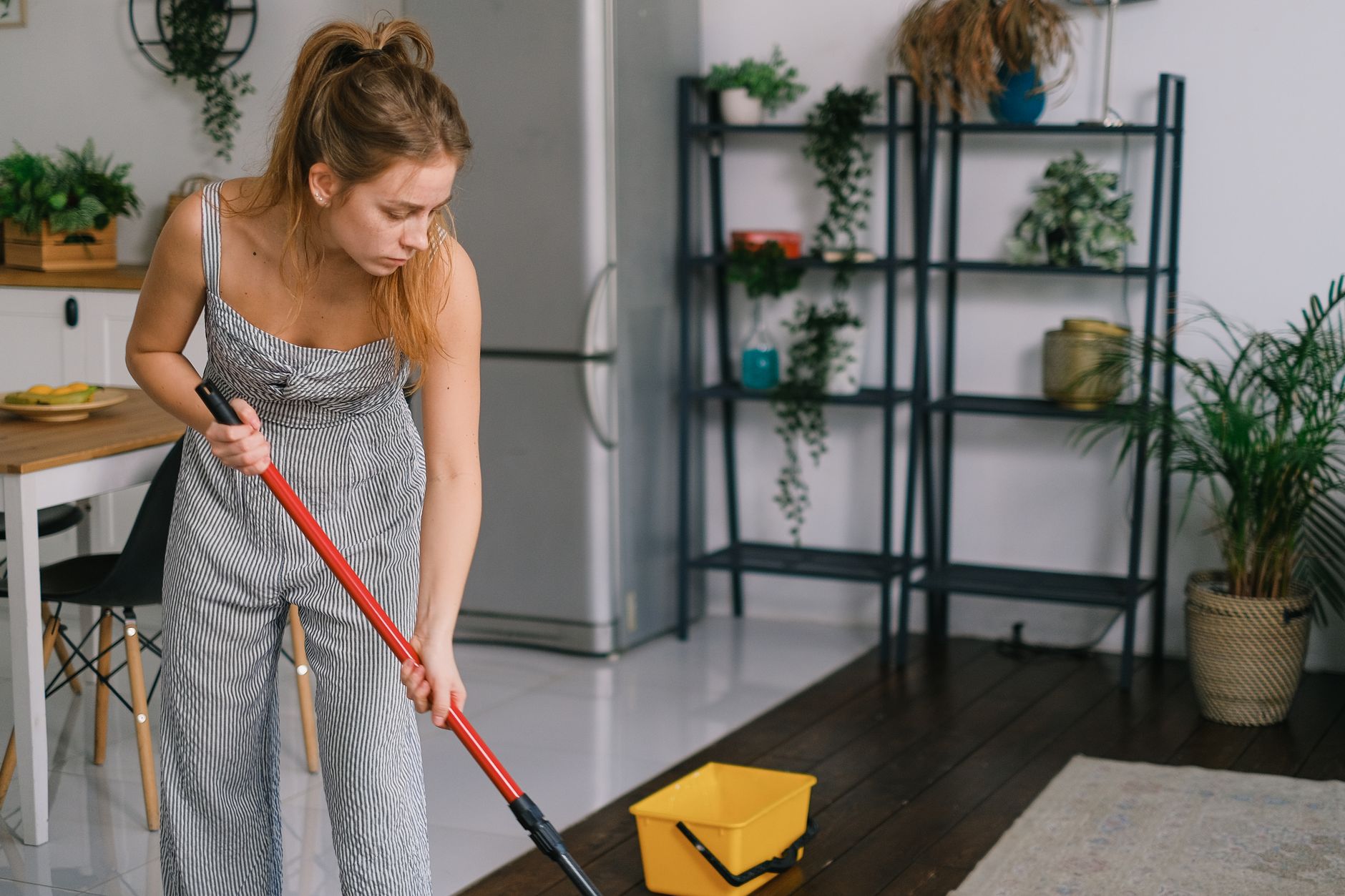
Hard, level and uncluttered floors suit a compact robot best. Sealed tile and vinyl in the reception area and waiting room are the usual candidates, along with the main corridor if cords and loose equipment stay off it. Carpet, thresholds and transitions between floor types need a test pass before anyone relies on them.
Machine size matters in these tight rooms. A reseller listing for the Minuteman MR20 RoboScrub gives a 20 inch (50.8 cm) cleaning path, as of November 2026. The Tennant X6 ROVR spec sheet lists 582 pounds (264 kg) with tanks empty and battery installed, a figure that matters on ramps and in upper floor offices where floor loading is a question. Keep these tasks with staff, even on a day the robot is running:
- Visible blood or saliva, which needs containment and prompt management
- Spills near operatories, sterilization areas and chair bases
- Chemical cleaning and disinfectant application under the office protocol
- Wet waste or large debris, which should be picked up by hand before any scrubbing begins
What does OSHA expect in a dental cleaning schedule?
According to an OSHA training summary, the bloodborne pathogens standard requires a written schedule for cleaning and decontaminating office areas that may become contaminated with blood or saliva, based on where those areas sit in the facility. The regulatory text was not retrieved for this article, so check osha.gov before quoting it to staff or an inspector.
A dental trade article on the standard adds that disinfectant choice and frequency depend on the circumstances of the housekeeping task. A robot can be written into that schedule as the method for routine floor soil in reception and waiting areas. Treatment room disinfection steps should keep their own staff entries.
How should a robot run fit between patients?
Sequence matters more than machine speed. Staff clear cords, cups, clipboards and rolling carts from the lane, pick up large debris, and only then start the robot. Remove organic soil before any disinfectant goes down, since a housekeeping article notes that organic matter and salts interfere with disinfection.
Schedule the run in the waiting room gap after the last patient is called in and before the next arrival wave. If an appointment runs over, the robot should be paused or routed around the desk, and a staff member takes the lane by hand. Log every skipped zone so the office can see where the route keeps getting blocked.
What should a site walk check before the first dental run?
A site walk is where most dental floor robots either earn their route or fail it. Walk the path at the time of day the robot will run, with chairs, cabinets and carts in their normal places. Check the items below and record each one on the route map.
- Threshold height changes at doorways into operatories and the back office
- Power outlet location for charging, and whether the dock blocks a walkway
- Chair bases, foot pedals and rolling cabinets that stick out into the lane
- Glossy or reflective floor sections, which the vendor should test before go live
- Reception desk knee space and any cords that cross the waiting area
How does Service Robot Co. support a dental office floor robot?
Service Robot Co. is a full service commercial robot integrator for US businesses. We are not tied to one manufacturer, so we pick the robot for the floors and the route, then lease it through financing on a lease term of three years. The lease quote comes after a site assessment, so the office sees one number before anything is installed.
We map the site, install the unit, train the staff who run and pause it, and service it under RoboCare, our service plan, with regional service engineers in every state we service. Dental offices keep their clinical cleaning steps under the existing protocol, and the robot takes the open floor lanes.
Frequently asked questions
Want a robot working for you?
Tell us the job and the site. We will recommend the robot, quote the lease, and keep it serviced.
Sources
- CDC dental infection control FAQ on cleaning and disinfecting environmental surfaces
- RDH Magazine on the OSHA bloodborne pathogens standard and dental offices
- RDH Magazine on housekeeping duties in the dental environment
- OSHAcademy dental office safety course, cleaning schedule section
- OSHAcademy dental office safety course, blood spill section
- Okum Supply listing for Minuteman MR20 RoboScrub
- Tennant X6 ROVR specifications sheet