
Key takeaways
- Autonomous fairway mowing works best when mow windows are mapped around tee times, not squeezed in whenever a tractor is free.
- Keep a conventional fairway mower and trained operator on call for weather, breakdowns, and high-profile events.
- Redeploy freed hours toward bunkers, approaches, and cart paths before you promise extra detail on greens.
- Overnight schedules can cut golfer noise complaints while still leaving morning dew work for staff.
- A single integrator that handles mapping, financing, and service keeps robots from becoming a side project.
Where should crew hours go after fairways run on a robot schedule?
Once fairways and rough move to an autonomous cadence, the win is not a smaller payroll on day one. The win is predictable cuts on the acres that eat the most tractor time, so skilled staff can chase detail work golfers actually notice.
Superintendents who have tried the shift report the same pattern: bunkers, approaches, tee surrounds, and cart paths absorb hours first. Greens and tees usually stay on the crew because those surfaces demand hand work, topdressing, and tournament prep that robots do not replace.
According to Golf Course Industry coverage of the 2025 Black Desert Championship in Utah, superintendent Ken Yates ran autonomous fairway units from 2 a.m. to 6 a.m. during the event week while staff spent more time on bunkers and other detail work instead of fairway tractors. That is the scheduling mindset this playbook is built around.
How do you map mow windows around member play?
Start with when golfers are actually on the property, not when the maintenance shop opens. Block tee-sheet peaks, league nights, and sunrise walkers, then assign robots to the quiet bands in between.
Overnight mowing is the default on many properties because noise and safety concerns drop sharply. Thonock Park in Lincolnshire told the GCMA in September 2025 that staff can schedule fairway and rough robots like irrigation, for example a 10 p.m. start after the course clears.
Build at least one daytime buffer for weather holds. Rain, frost, or a cart-path repair can push a robot cycle. If every hour is booked tight, you lose the flexibility that makes automation worth the integration effort.
- Pull six weeks of tee-time heat maps before you lock the first season schedule.
- Mark holes with narrow corridors or shared fairways as single-robot zones to avoid cross traffic.
- Leave a 90-minute handoff window before the first tee for dew, debris checks, and a quick walk-through.

What backup plan do tournaments and member-guest events need?
High-profile weeks are when autonomous programs earn trust or lose it. Yates told Golf Course Industry he kept conventional fairway mowers ready during the PGA Tour stop at Black Desert because a debut event leaves no room for a single point of failure.
Treat robots as the primary fairway tool and tractors as insurance. Assign one operator who knows both systems and can swap plans before dawn if connectivity, turf softness, or a setup change demands it.
Communicate the plan to the pro shop and tournament staff. When everyone knows fairways may be robot-cut overnight but bunkers get extra afternoon labor, you avoid the rumor that automation means less preparation.
Which detail tasks should absorb freed labor first?

Bunkers are the classic first target because edging, sand redistribution, and lip repair lag when fairway mowing runs long. Approaches and collar cleanup come next because robot fairway lines can look sharp while transitional turf still shows wear.
Cart paths and patio hardscape often sit third on the list. Clubs that add autonomous floor scrubbers or sweepers for clubhouse and locker areas can align interior cleaning with exterior path blowing so the property feels consistently cared for.
The USGA Green Section noted in 2025 that Atlanta Athletic Club expanded autonomous mowing into rough on the Riverside Course while thinking through how to store and charge units without distracting golfers. That kind of on-course logistics also deserves crew attention once fairway tractors come off the daily list.
How should superintendents phase in fairway robots without shocking the turf team?
Pilot a nine-hole loop or a single ninesome before you commit the full rotation. Toro training materials summarized in Golf Course Industry in October 2025 stress that not every layout is a fit on day one because slope, tree cover, cell signal, and property lines all matter.
Name a robot lead on staff who owns scheduling apps, blade changes, and docking checks. The USGA research summary on robotic mowing notes that as fleets grow, a designated technician role often appears because programming and blade upkeep are different skills than reel grinding.
Pair classroom time with shadow shifts. Let operators walk the course while the first autonomous cycle runs so they see how exclusion zones, bridges, and native areas behave in real life.
What infrastructure has to be ready before the first autonomous fairway cycle?
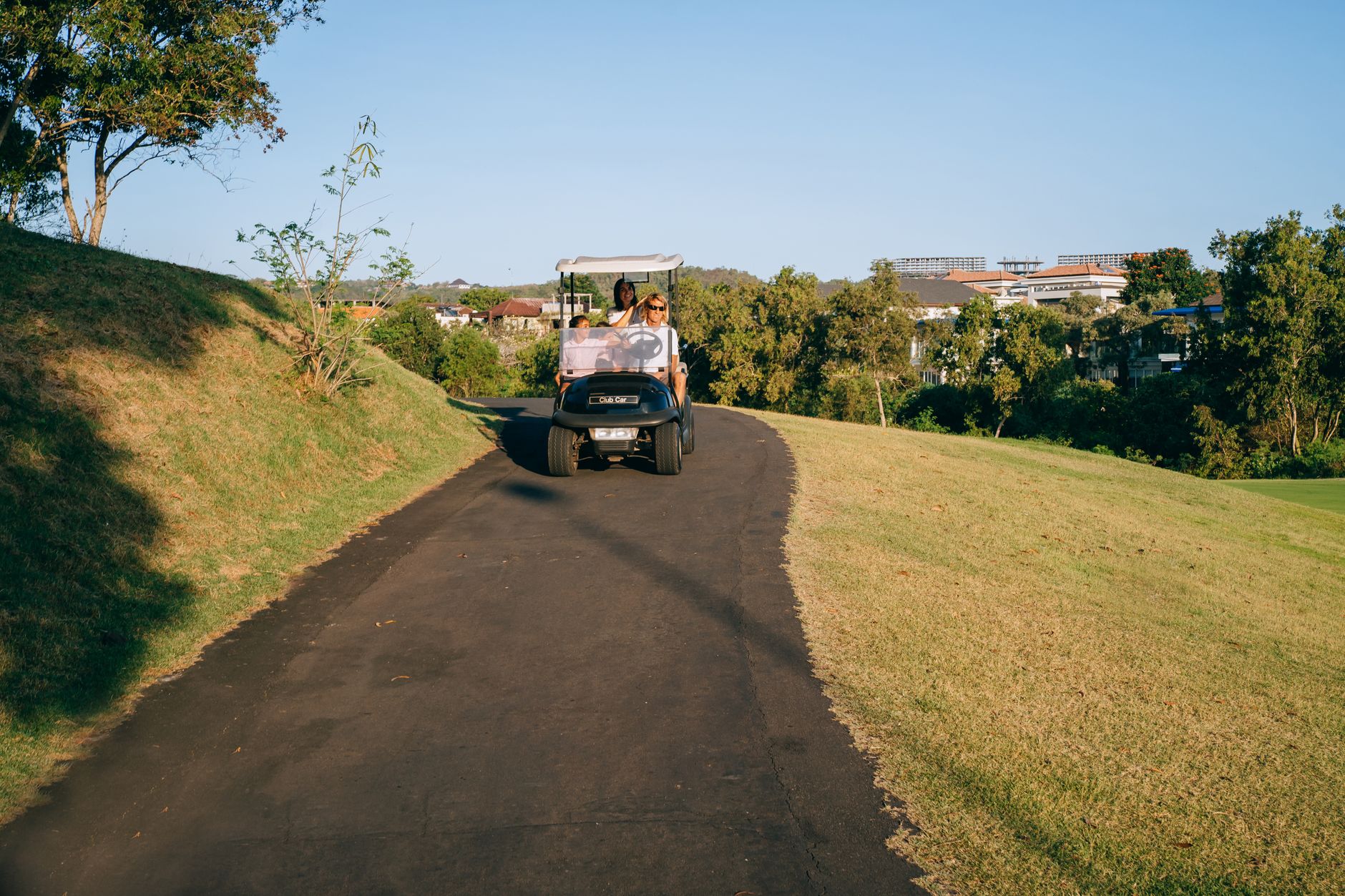
Charging and storage are course-design problems as much as technology problems. The USGA piece on mower homes recommends low-profile garages near tree lines or behind tees so golfers do not stare at docks all day.
Connectivity and correction signals need the same seriousness you give a GPS sprayer. Golf Course Industry reported that distributors now score courses on cell coverage, RTK access, and slope before recommending full fairway autonomy.
Service Robot Co. maps the property, sets financing as a buy or lease through approved programs, and keeps units under RoboCare service so superintendents are not juggling a different vendor for every breakdown. That single-partner model matters when your crew is already learning a new schedule.
How do you measure whether the new schedule is working?
Track hours by task category for four weeks before robots go live, then compare the same categories afterward. You want to see fairway tractor hours fall while bunker and approach hours rise without total staffing chaos.
Log golfer comments separately from member board chatter. The USGA robotic mowing research notes that players sometimes react differently to robots than to conventional mowers, especially around noise and morning presence.
Review turf quality on a simple scorecard: clip consistency, dew removal, weed encroachment at fairway edges, and disease spots in rough. Numbers only count when they come from your own scouting notes or published research, not from a vendor slide deck.
When should a course add robots beyond fairways?
Clubhouses, locker rooms, and halfway houses are the usual next step because they share the same overnight window you just freed on the course. Floor scrubbers and sweepers complement fairway automation without competing for the same crew lead.
Parking lots and perimeter fence lines are another layer. Solar security cameras and patrol-style robots can cover lots while mowers handle turf, which spreads automation across the property instead of dumping every new idea on the superintendent alone.
Inspection drones for irrigation and turf stress fit once the basic mow schedule is stable. They do not replace agronomists, but they can shorten the walk when you are deciding where to send the humans you moved off fairway tractors.


