
Key takeaways
- Exclusion zones are permanent keep-out polygons that stop autonomous fairway units from entering bunkers, trees, and other sensitive turf inside the playing corridor.
- Childress Hall runs five autonomous fairway units on 85 acres and credits exclusion zones for cleaner lines without daily realignment, according to its 2026 program summary.
- Buffers around greens and collars often need tighter rules than fairway-wide exclusions because small GPS drift matters more near putting surfaces.
- Tree removals, bunker reshapes, and new irrigation heads should trigger a map review before the next overnight pass.
- A documented pre-launch walk beats guessing whether a unit will pause for a sprinkler head you forgot to flag.
What are fairway exclusion zones on an autonomous mowing map?
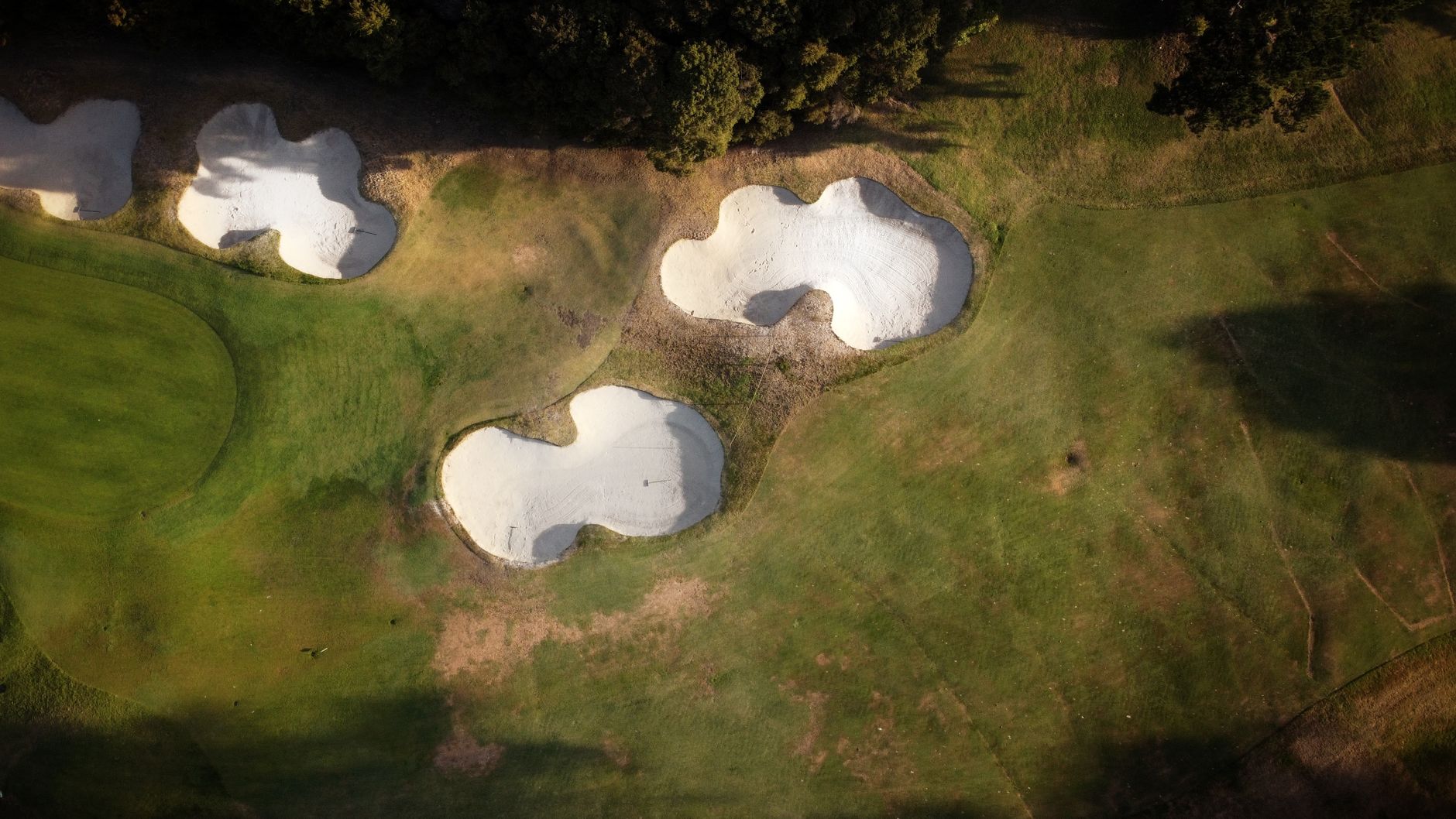
Fairway exclusion zones are keep-out areas you draw on the digital map before an autonomous fairway unit makes its first pass. They tell the machine to stay out of bunkers, tree wells, irrigation boxes, and any turf you do not want touched by a heavy deck, even when those features sit inside the fairway corridor.
Think of them as the opposite of a mowing zone. The mowing zone says where grass should be cut. The exclusion zone says where the cutter must never enter, period. Superintendents use them so overnight runs do not require a technician riding along to steer around hazards.
Without exclusions, crews either shrink the mowing polygon so far inward that strips of fairway get missed, or they accept daily babysitting that defeats the labor math. Mapping keep-outs up front is how you keep full fairway coverage and still sleep through the 2 a.m. shift.
Which course features belong in a keep-out polygon?
Start with anything that would damage the machine or the feature if the deck crossed it. Bunker faces, young tree trunks, drain grates, and hand-watered collars are the usual first pass. Add sprinkler heads that sit flush but still catch a gang reel if the line drifts a few inches.
Steep faces and erosion-prone edges belong in exclusions even when they are technically fairway grass. The goal is not to mow every blade inside the GIS boundary. The goal is to protect playability and avoid rebuilding a bunker lip because a robot took a shortcut.
Cart-path transitions deserve a look too. Some programs draw a narrow exclusion along a path edge where stone meets turf, then run a separate path sweeper on its own schedule. That split keeps the fairway map honest about what the big unit should touch.
- Bunker sand and faces inside the fairway width
- Tree wells and low branches on inner fairway trees
- Irrigation boxes, quick couplers, and valve lids
- Native or fescue islands you want to grow unmowed
- Freshly topdressed or grow-in patches during recovery

What did Childress Hall map before its fairway fleet rolled?

Childress Hall in Northwest Texas opened preview play on Tom Doak and Gil Hanse designs while still building out the full property. Chad Eldred, director of fleet management, runs five FireFly Automatix AMP-L100 autonomous units on 85 acres of fairways and blended tee areas on the Upper Course, according to a 2026 case summary from the manufacturer.
That program cites permanent exclusion zones as a core feature: defined keep-out areas so autonomous mowers avoid bunkers, trees, and other sensitive features while still holding straight lines. Eldred told the publisher that GPS-guided mowing lets the machines know exactly where to cut, which produced cleaner fairways without skips and less stopping to realign.
The same write-up says the five-unit fleet finishes all fairways in five to six hours with a two-person team, using Starlink for connectivity across the sand-hill site. Childress Hall planned five more units on the Lower Course later in 2026, which means exclusion standards set on the Upper Course become the template for the next map set.
How wide should buffers be around greens and collars?
Green surrounds need tighter buffers than mid-fairway exclusions because a small navigation drift matters more near a putting surface. Many superintendents draw a collar hold that is wider than the actual collar mowing strip so the fairway unit never encroaches on green approaches during a reverse pass.
If your crew still walks collars with a triplex, treat the autonomous fairway map as the outer ring only. Let the exclusion hug the inner edge of that walked band so two machines are not fighting for the same turf on the same morning.
Document the buffer width in your agronomy notes, not just in software. Seasonal interns change every summer, but the map should still make sense when a new mechanic opens the dashboard in October.
When should you redraw zones after course changes?
Any time earth moves, assume your exclusions are wrong until someone walks them again. Bunker renovations, tree removals, new forward tees, and irrigation reroutes all shift the hazards that matter to a gang reel.
Storm debris can create temporary exclusions too. A downed limb in the fairway is an obvious stop. Less obvious is the stump grind area you seeded over: it may look like fairway grass on a satellite image but still needs a hold until the surface firms up.
Tournament setups add another layer. If you move tee markers forward for a member guest, confirm whether the fairway polygon still matches the playing corridor you want cut that week. Some clubs duplicate a tournament map rather than editing the base layer, which keeps weekly league maps stable.
What belongs on a pre-launch checklist for the first overnight pass?
Walk the fairway at cart-path speed with the superintendent and the technician who owns the map. Pause at every exclusion and ask what happens if GPS drifts half a meter. If nobody likes the answer, widen the polygon before sundown.
Run a short daylight test at reduced speed on one hole. Watch how the unit handles turns toward a bunker hold, not just how straight it tracks in open turf. Dew, sand splash, and wet collars show up in that test more often than on a dry afternoon demo.
Log who can stop the run from a phone, who gets the alert if the unit stalls, and where it should park during a lightning hold. Exclusion zones only work if the human response plan matches the map.
- Confirm lightning and shelter rules with the shop lead
- Verify charging or swap timing against frost and irrigation windows
- Print a one-hole sketch for the night mechanic even if the map is cloud based
- Note which holes lack cell or satellite backhaul and plan manual checks
How does an integrator help you set exclusion zones?
Service Robot Co. maps fairways, rough loops, and support paths during a free site assessment before a course buys or leases an autonomous fairway program. We stay vendor neutral on the iron itself, then finance, deploy, train, and service under RoboCare with regional engineers who already work golf properties.
Our team imports your as-built irrigation and bunker CAD when you have it, then ground-truths hazards on foot. We hand off a map your superintendent can edit after tree work without calling three vendors.
Exclusion discipline is also a clubhouse story. The same visit can note where a scrubber should run in locker rooms and cart barns so fairway labor and indoor floor care do not compete for the same two night staffers.


