
Key takeaways
- Executive 9-hole layouts often sit on roughly 30 to 50 acres, so fairway acreage stays small enough that a dedicated reel fleet is hard to justify.
- Golf Course Industry reported in January 2025 that the assistant superintendent pipeline is thinning, which squeezes compact courses that already run two- or three-person maintenance teams.
- Nine-hole traffic can approach 18-hole wear on fairways, so mowing consistency matters even when total acreage is modest.
- GPS-mapped fairway mowing on a monthly program can hold lines and height without tying up your best operators on repeat passes.
- Vendor-neutral integrators can finance, map, train, and service autonomous fairway units so superintendents keep focus on greens, tees, and member communication.
Why do executive 9-hole courses rethink fairway mowing first?
If you run an executive 9-hole or par-3 property, fairway mowing is still visible to every member, but it rarely deserves the same capital stack as an 18-hole championship layout. Design references commonly place executive 9-hole courses in roughly 30 to 50 acres total, with fairways, greens, and tees occupying the highest-value turf. That compact footprint means one or two skilled operators can walk every fairway in a morning, yet it also means there is little room to hide a missed strip or a ragged collar when leagues stack tee times back to back.
The practical question is not whether fairways need cutting. They do, often twice a week in season. The question is whether owning and storing another fairway unit, plus the reels, belts, and training hours, is the best use of a lean payroll. Many superintendents at short courses already cross-train between mowing, irrigation checks, and bunker work. Fairway mowing programs that combine mapped autonomy with monthly service let those same people spend more minutes on greens speed and less on driving straight lines they have already memorized.
How tight acreage changes the math on equipment
Land-use guides for 9-hole designs often cite about 40 to 70 acres for a full-length nine, while executive layouts are frequently quoted closer to 30 to 50 acres because holes are shorter and rough is trimmed. Fairways still dominate the maintained palette, but the absolute acre count stays low enough that a second dedicated fairway mower may sit idle whenever weather compresses the schedule.
Industry maintenance commentary on 9-hole courses also notes that labor is not simply half of an 18-hole budget. Travel between small greens, limited staging areas, and morning tee-time pressure can consume hours that never show up on a fairway acre spreadsheet. When every fairway pass pulls a superintendent or assistant off a green roll or a topdressing window, the hidden cost is agronomic, not just hourly wages.
- Compact layouts concentrate play on fewer fairway corridors, so strip quality is obvious from the clubhouse patio.
- Shared equipment with a sister 18-hole course sounds efficient until transport and conflicting tee sheets break the plan.
- Monthly service on an autonomous fairway unit can cap unpredictable repair spikes that hurt small capital budgets.

What did Golf Course Industry report about the assistant pipeline?
In January 2025, Golf Course Industry published its "Numbers to Know" labor coverage, including superintendent voices who expect qualified assistant talent to be harder to find through the next decade. One high-profile superintendent quoted in that piece described thinking ten years ahead on irrigation installs because strong crew members leave for larger properties, and asked plainly who will fill those shoes afterward. The article frames an assistant shortage that could change who is available to manage upper-tier clubs by the mid-2030s.
That storyline lands harder on executive 9-hole courses than on resorts with deep benches. When you employ two full-time maintenance staff plus seasonal help, losing one assistant-level operator to a municipal upgrade or a construction boom can stall fairway work for weeks. USGA Green Section commentary has likewise described demand for educated assistants outstripping supply, pushing clubs toward on-the-job apprenticeships rather than assuming turf graduates will arrive each spring.
Bloom Golf Partners research highlighted in Golf Course Industry in 2025 also notes that many workers still see golf course jobs as seasonal or high-stress, which complicates recruiting for exactly the roles that keep fairways even. Short courses cannot wait ten years for enrollment curves to rebalance. They need fairway consistency now, with fewer specialized bodies on the payroll.
Can GPS-mapped fairway mowing fit quick rounds and tight corridors?
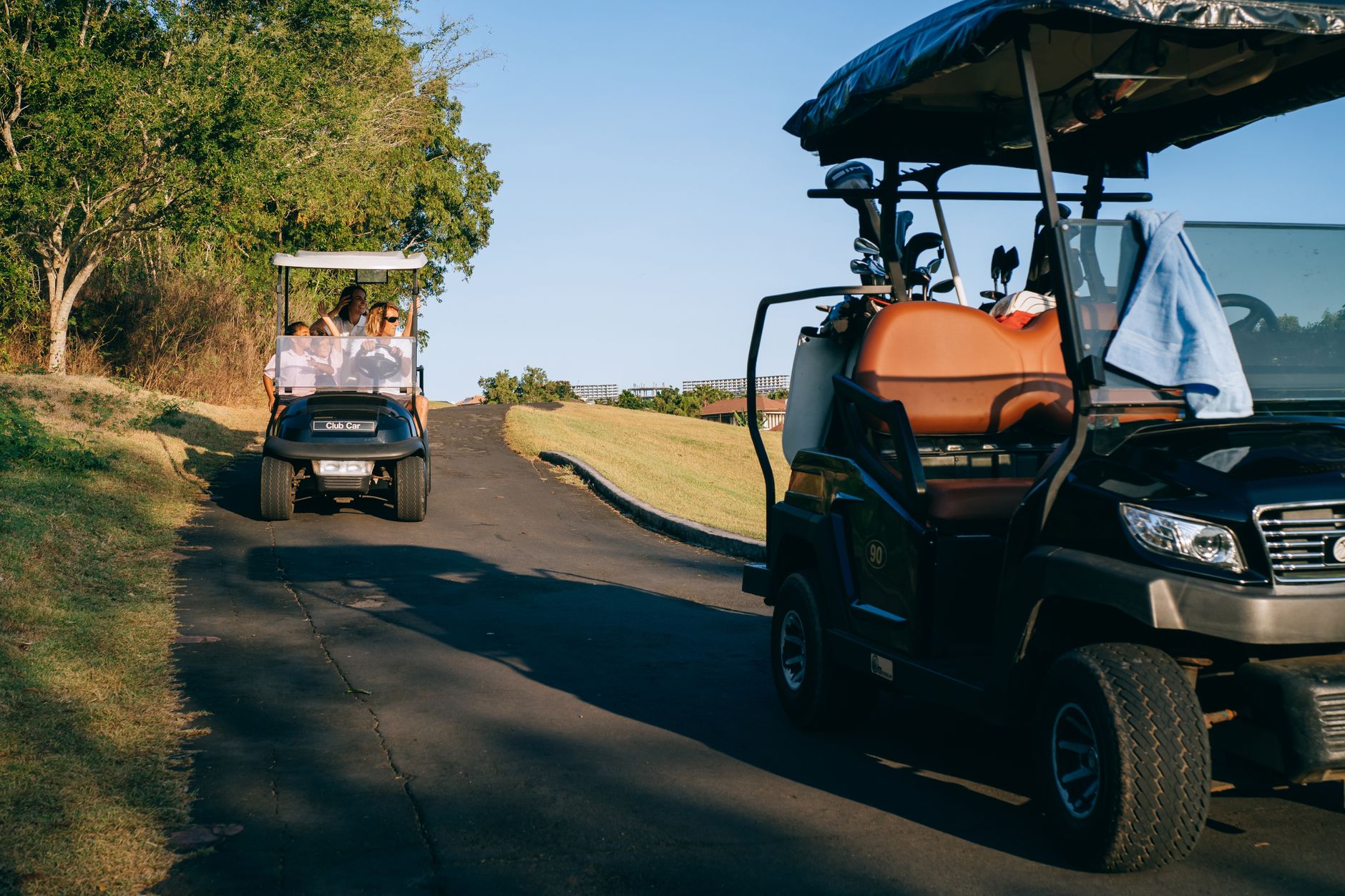
Executive properties sell pace of play. Golfers expect to finish nine holes before lunch meetings. That rhythm leaves narrow maintenance windows, often early morning or late afternoon, when fairway mowers must coexist with range balls and league carts. GPS-mapped fairway units follow predefined swaths, hold cutting height within a tight band, and can rerun trouble corridors without assigning your most experienced driver.
Mapping matters on short courses because hazards, tree lines, and dual fairways sit close together. A one-time walk with an integrator to set geofences around bunkers, native areas, and wet spots reduces the risk of a wrong turn that would tear a collar on a par-3 green. Once maps are validated, superintendents adjust schedules from a phone instead of chasing skips after a fog delay.
Autonomous fairway mowing is not a substitute for agronomic judgment on fertility, disease, or irrigation. It is a way to bank repeatable passes while humans handle cups, brushes, and member questions. On a nine-hole executive track, that division of labor often returns a full shift hour to greens and tees each week.
Where should a two-person crew spend time if fairways run on a program?
Picture a maintenance team of a superintendent and one full-time assistant, plus part-time students in summer. Fairway mowing might consume twelve to sixteen hours per week in peak season when you include cleanup, turning, and fueling. Shifting even half of those hours to green rolling, bunker edging, and tee divot repair lifts playing conditions where golfers notice first.
Short courses also fight concentrated wear in landing zones because many players use the same tees daily. Crew time freed from fairway seats can go to hand watering hot spots, venting compacted approaches, or resetting range mats that members blame on fairway quality. Those tasks protect revenue more directly than polishing already acceptable fairway stripes.
When storms blow through, the same team can focus on debris removal and squeegee work while a serviced fairway unit catches up on a programmed make-up pass overnight, provided your policy allows night mowing and local noise rules permit it.
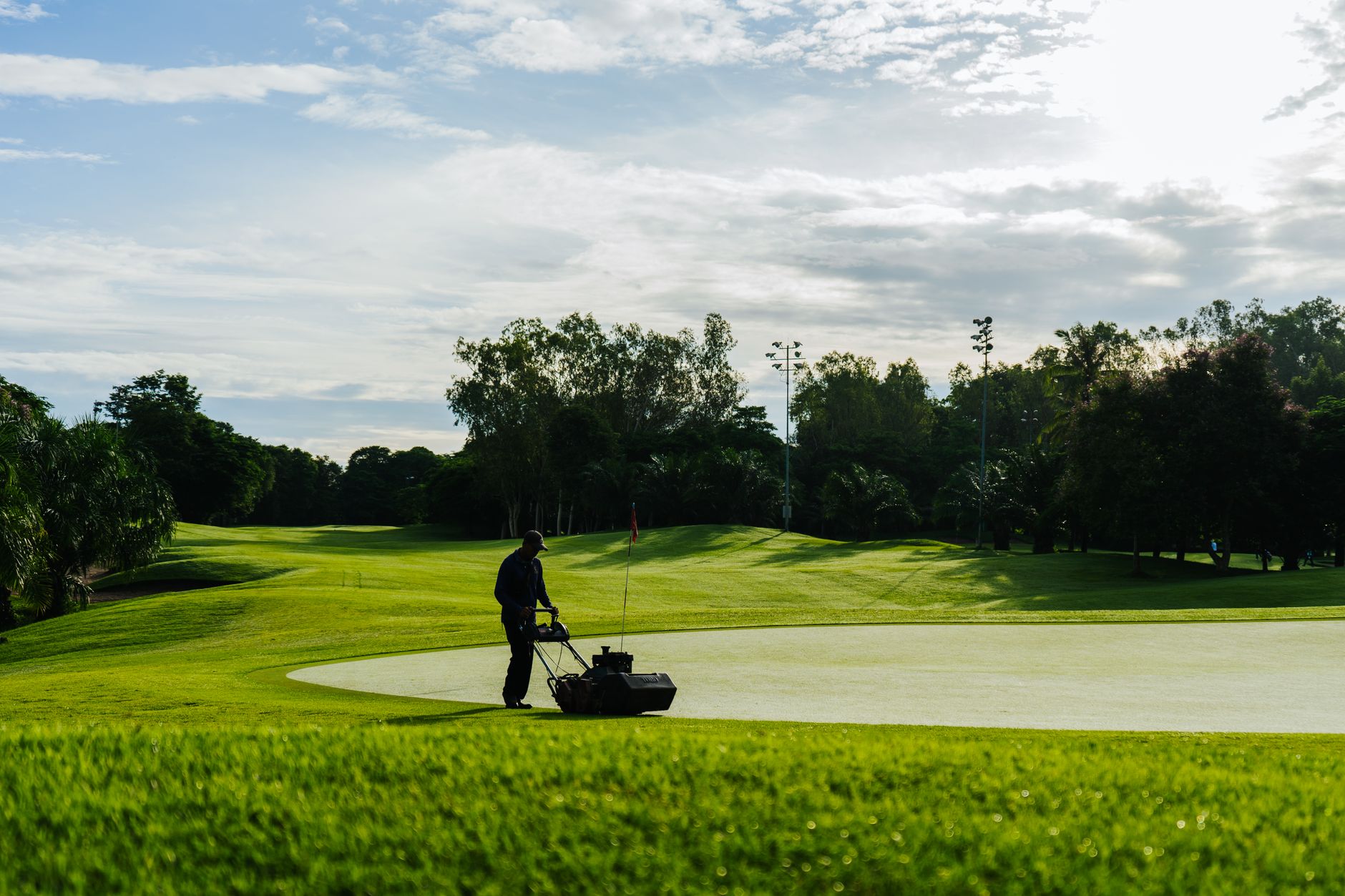
How do monthly fairway mowing programs compare to buying another reel?
Purchasing another fairway mower ties up capital, storage, and shop skills for a machine that may only earn its keep ten months a year. Leasing or subscribing through a vendor-neutral integrator spreads that cost into a predictable monthly line item that often bundles maintenance, remote diagnostics, and seasonal storage support. For a 9-hole executive board reviewing one major capital item per year, that predictability can beat another depreciation schedule.
Programs also let superintendents pilot autonomy for a season before committing capital. If member feedback praises fairway uniformity but asks for more hand work around bunkers, you adjust maps instead of reselling iron. If winter dormancy idles the unit, the service contract can spell out off-season storage rather than leaving reels parked in a cramped barn next to greens rollers.
Service Robot Co. operates as a full-service commercial robot integrator for U.S. businesses: OEM-neutral selection, financing, deployment, training, and nationwide field service through one partner. For golf properties, that model maps cleanly onto fairway mowing when you want mapped autonomy without locking into a single mower brand or managing spare parts yourself.
What should you verify before signing a fairway mowing program?
Start with an agronomic walk that flags slopes, washouts, and tree drip lines that belong in no-go zones. Confirm cutting height ranges match your cultivar and season, and ask how the integrator handles moisture holds after heavy rain. Executive soils on 30 to 50 acres can vary hole by hole, so maps should be hole-specific, not one blanket polygon.
Clarify who updates maps when you move tees or expand native areas. Short courses redesign more often than people assume. Review insurance, member communication, and signage so autonomous fairway units are expected, not surprising, during twilight leagues.
Finally, align the program with your assistant development plan. Golf Course Industry's 2025 labor reporting makes clear that tomorrow's superintendents will come from apprentices who see technology as a career upgrade, not a threat. Showing a structured fairway program with vendor-backed training can help you retain the very assistant you are trying to grow.
Frequently asked questions
Sources
- Golf Course Industry — Who will do the job? (January 2025)
- Golf Course Industry — Superintendent of the Future (January 2025)
- USGA Green Section — Looking for a Few Good Assistants
- Golf Course Industry — Bloom Golf Partners 2025 workforce trends
- ShunGolf — Ideal acreage for golf course design
- ShunGolf — Average golf course acreage
- Michigan State University turf archive — Turf stress on 9-hole courses