

Key takeaways
- Brochure acreage assumes open fields, not bunkers, trees, and tight green surrounds.
- USGA field reporting in 2026 tied a 40% daily capacity gain to AI zone redesign at Sand Valley.
- Remap zones before you buy a second fairway unit that still cannot finish the loop.
- Document hold zones for play, frost, and spray re-entry so software schedules stay honest.
- A vendor-neutral integrator can align fairway maps, clubhouse floor robots, and service plans.
Why do fairway robots miss the acreage on the spec sheet?
If your autonomous fairway program feels short on paper, the hardware may not be the first problem. Manufacturer acreage figures usually assume wide, level ground with few turns. Fairways add bunkers, cart paths, tree lines, and green surrounds that force slow corners and dead travel.
The USGA Green Section Record noted in 2026 that superintendents new to robotic mowing often see lower daily output than advertised specs. Slopes, obstacles, and narrow corridors between hazards shrink productive minutes even when cut quality looks excellent.
That gap is a mapping and scheduling issue as often as it is a machine limit. Before you add another unit or push the crew back onto ride-ons, audit how zones are drawn and how often each height of cut must run.
What did USGA field reporting show at Sand Valley in 2026?
While covering the 2026 U.S. Mid-Amateur at Sand Valley Resort in Wisconsin, USGA agronomists visited a three-hole short course maintained by The Lido team next door. An autonomous mower handled all turf except putting greens, with separate heights for rough, tees, fairways, and surrounds.
Superintendent Brandon Behrend told the USGA the cut quality and turf response impressed the crew, but productivity lagged brochure numbers at first. Assistant superintendent Charlie Beyer then used AI to redraw mowing zones and rebuild schedules in the control app.
According to the USGA article, that AI pass added 0.60 acres of capacity every 24 hours, a 40 percent gain over the prior layout. The team uploaded a full map, set mowing frequency by height zone, and implemented the redesigned loops the platform returned.

Which course features should you remap first?
Start with the corridors that force constant turns. Bunker lips, green banks, and tight cart-path edges burn minutes because the mower cannot hold a long straight pass. Split oversized zones so the machine finishes one side of a hazard before crossing play lines.
Next review height-of-cut boundaries. When one zone mixes rough and fairway targets, the controller may traverse the same ground twice to satisfy two schedules. Separate those polygons so each pass has one job.
Flag stay-out buffers you already enforce by hand: greens collars, freshly topdressed areas, and sprinkler repair patches. Software cannot respect a verbal rule; it needs mapped holds that match how your crew actually shuts down for the day.
- Bunker and green surrounds that narrow the turning radius
- Overlapping rough and fairway height targets in one polygon
- Cart-path crossings that need timed holds during morning play
- Practice range overlap if balls and mowers share dawn windows
How should superintendents test a new zone layout?
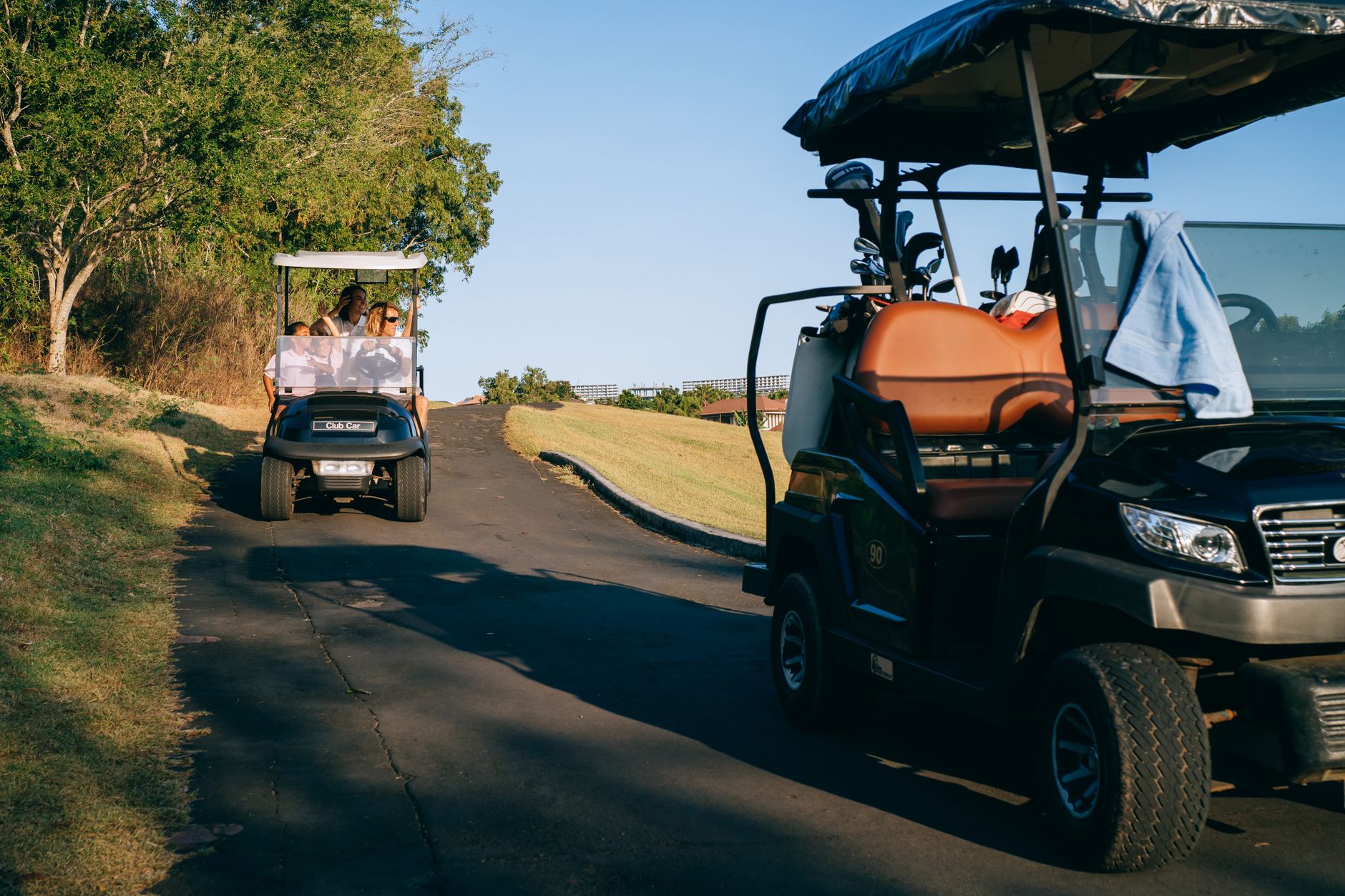
Run the proposed map on paper before you load it for a full night. Trace each loop with a cart at mowing speed and note where the unit would pause for golfers, frost, or spray re-entry. If the cart cannot complete a loop without stopping for play, the robot will struggle too.
Log one week of runtime per zone after you deploy changes. Compare acres finished, battery or fuel cycles, and manual rescue calls. The USGA Sand Valley example improved daily acres without changing hardware, which is the benchmark you want before capital requests.
Keep a rollback copy of the prior map. Tournament weeks and aerification windows still need quick reverts when you shrink fairway robots to path-only transit.
When does buying another fairway unit make sense?

Add hardware only after remaps and schedule tweaks plateau. If acres still fall short once zones match real geometry, a second unit on a staggered shift may be justified. Buying outright or leasing through financing should follow a map that already proves nightly completion on your longest loop.
Pair that decision with charging and service access planning. The USGA separate 2026 piece on autonomous mower homes stressed that travel to a distant charger steals cut time, which looks like an acreage problem in the dashboard even when the blade is sharp.
Service Robot Co. maps fairways, clubhouse floors, and cart barn routes together during a free site assessment so power and path access support the acres you programmed, not just the acres on a brochure.
How do play holds interact with software schedules?
Morning leagues, frost delays, and shotgun starts are not edge cases on most properties. Build calendar holds into the map the same way you would brief a human operator. A hold that exists only on a whiteboard will not stop a robot at 6:00 a.m.
Document who can edit schedules when the superintendent is off property. AI-generated zones still need a human to pause for lightning or a broken head. Train a backup on the app so a weather call does not turn into a fairway traffic jam.
After major tree work or bunker renovation, reload boundaries before you assume last season's polygons still fit. The Sand Valley team treated mapping as living data, which is why the AI pass found spare acres.
What should you ask an integrator before go-live?
Ask for a written list of exclusion zones before the first autonomous fairway pass. Greens, bunkers, native areas, and wet low spots should appear on the map you review with the pro shop, not as surprises at dawn.
Ask how software updates and zone files are backed up. Losing a tuned layout after a phone upgrade is more common than teams admit.
Ask how fairway work ties to clubhouse scrubbers or patrol cameras if you plan one vendor. Service Robot Co. finances, deploys, trains, and services the full robot stack under RoboCare so agronomy and building staff share one support line.
Where do crew hours go after maps improve?
Better acreage should push people toward detail work, not idle time. USGA coverage of robotic mowing programs repeatedly notes crews shifting to bunkers, collars, and setup when fairway loops run unattended.
Chart the hours you free before members ask why the bunker faces look sharper. Productivity gains earn trust when golfers see preparation, not just fewer mowers on fairways at 7:00 a.m.
Revisit the map each season. Grass grows into new lines, irrigation changes wet patterns, and events add temporary fences. The 40 percent Sand Valley gain came from software, but only because the team kept treating the map as operational data.


