
Key takeaways
- Brochure acreage rarely matches real fairways once slopes, trees, and bunkers enter the map.
- USGA reported a 40 percent productivity gain after AI redesigned mowing zones at a Wisconsin short course.
- Charging layout and cell coverage still cap how many acres a unit can cut in a day.
- Greens, tees, and bunkers stay with the crew; robots earn their keep on fairway and rough loops.
- A mapped walk with Service Robot Co. should happen before you buy or lease through financing.
Why do fairway robots miss their advertised acreage?
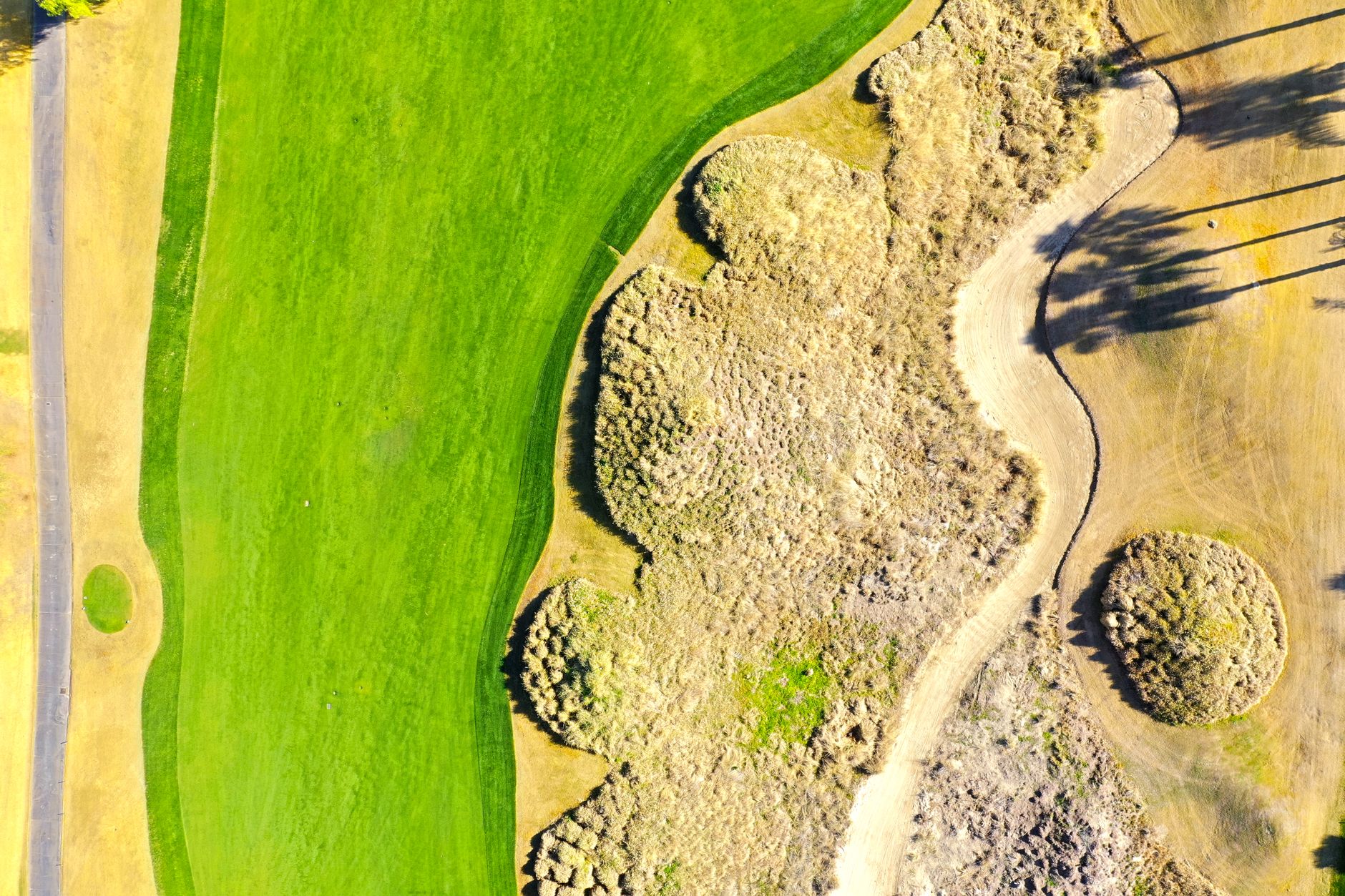
Autonomous fairway mowers look simple on a spec sheet: acres per charge, hours per loop, straight lines on a marketing photo. On a real course the map fills with keep-out zones, cart-path crossings, slopes, tree canopies, and bunkers that force detours. The USGA Green Section Record noted in 2026 that manufacturer specifications often assume wide open, level fields, conditions that simply do not exist on eighteen holes.
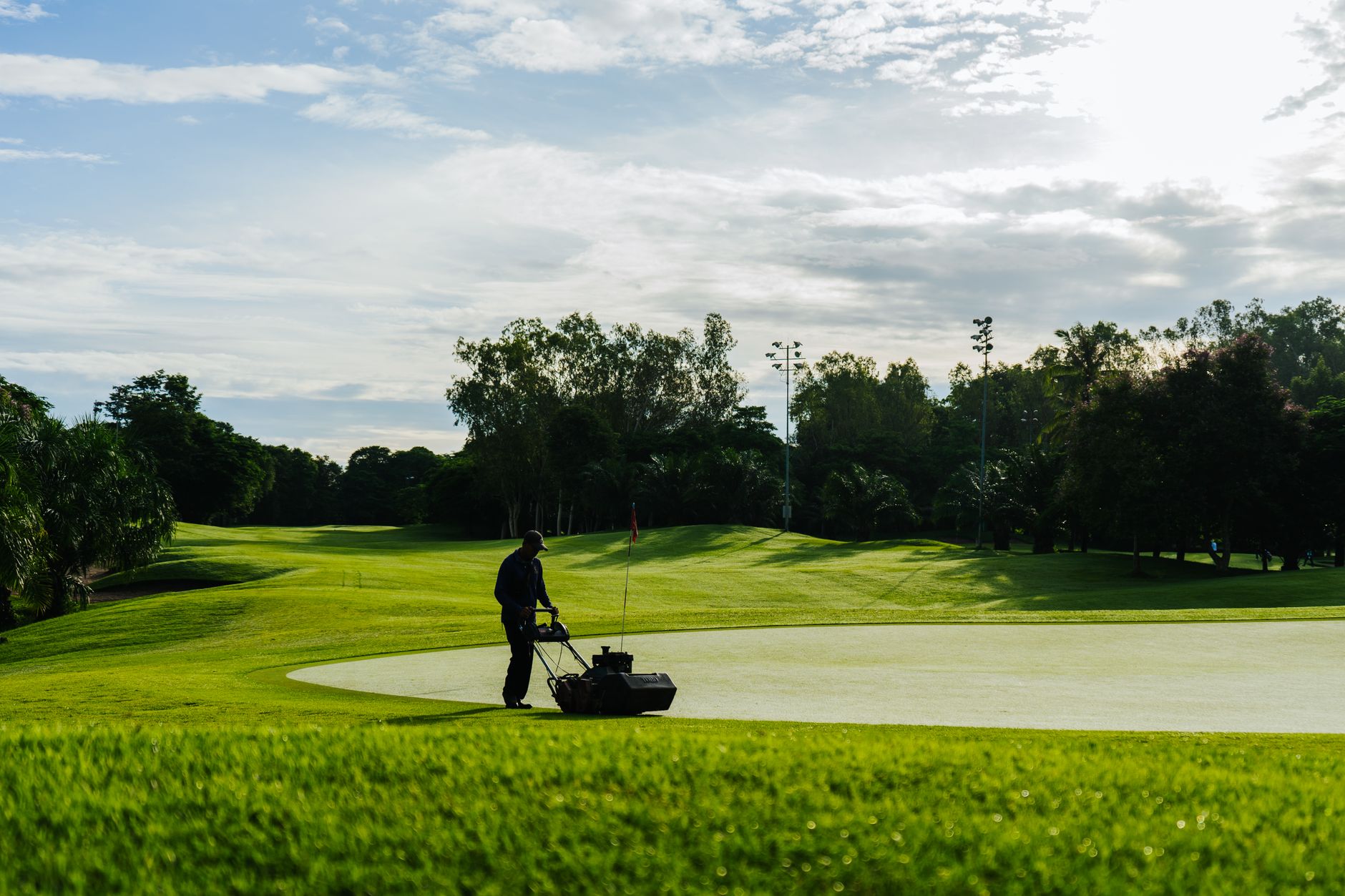
Superintendents at Sand Valley Resort in central Wisconsin saw that gap firsthand. While covering the 2026 U.S. Mid-Amateur, USGA agronomists visited a three-hole short course maintained by The Lido team next door. An autonomous unit cut rough, tees, fairways, and surrounds at programmed heights, but daily output initially disappointed compared with advertised capacity.
That disappointment is normal, not a sign the technology failed. It usually means the first map treated the property like a rectangle instead of a golf course. The fix is operational: redraw zones, tighten schedules, and align charging with the maintenance loop rather than hoping the factory default route survives your season.
What changed when The Lido team used AI on mowing zones?
Assistant superintendent Charlie Beyer uploaded a map of the entire mowing area and specified how often each height-of-cut zone should run, including separate rough and fairway panels. An AI platform returned redesigned zones and detailed schedules to enter into the mower control app, according to the USGA article published in 2026.
The result was concrete. Productivity rose by about 0.60 acres every twenty-four hours, a 40 percent gain over the prior schedule. Superintendent Brandon Behrend told USGA writers the team still valued cut quality and turf response, but the optimized map finally matched how the machine could work around real obstacles.
The lesson for other courses is not that AI replaces agronomic judgment. Humans still set heights, inspect after storms, and decide when wet slopes stay offline. Software simply explores thousands of zone shapes faster than a whiteboard session at the end of a fourteen-hour day.
How should superintendents audit a fairway robot map?
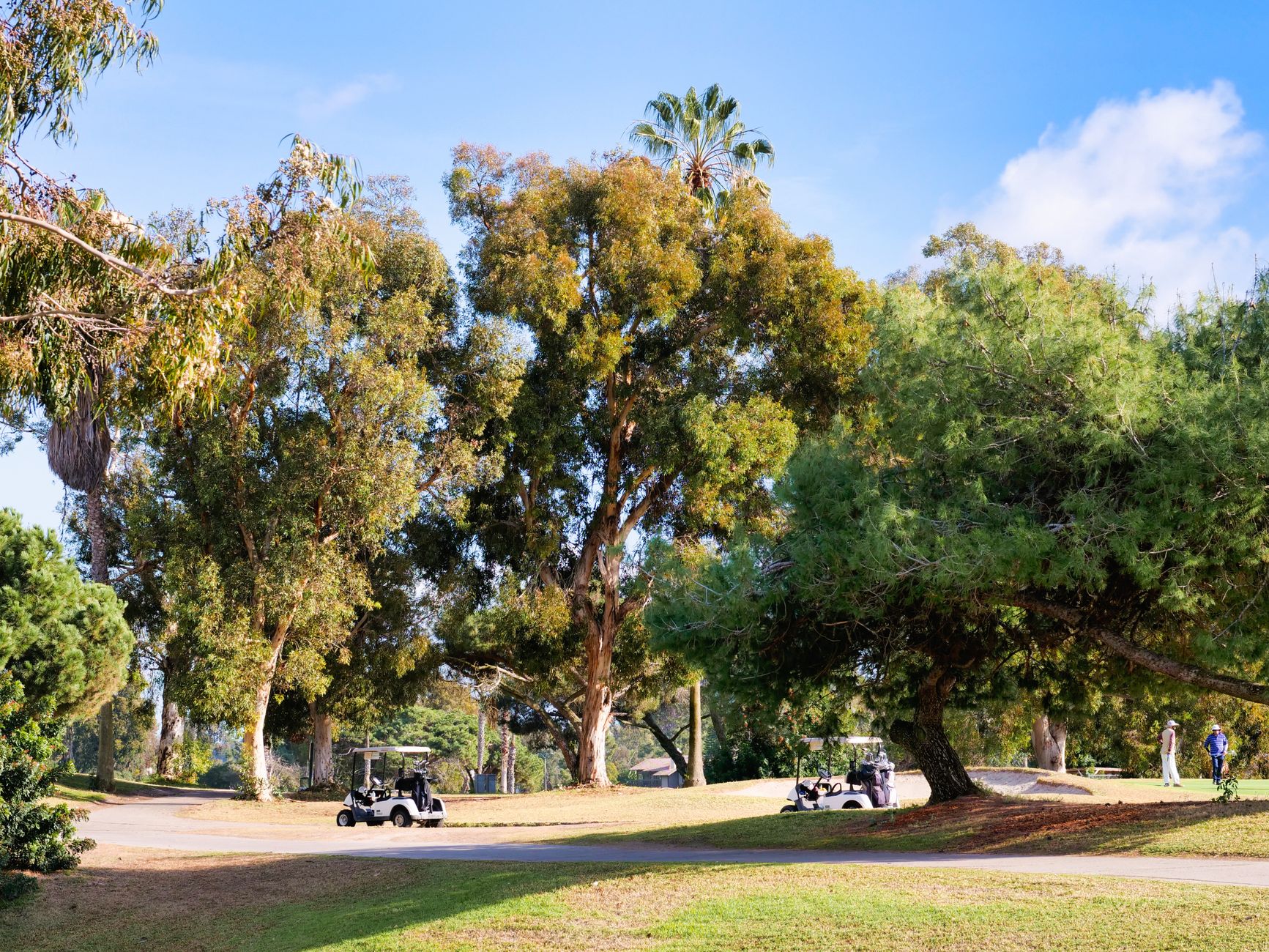
Start with the maintenance loop your crew already drives at dawn. Docks and chargers should sit on that loop, not on fairways players see during the first tee wave. USGA coverage of Atlanta Athletic Club in 2026 stressed that travel time to charge directly cuts mowing minutes, which makes power distribution as important as blade sharpness.
Mark keep-out buffers around greens complexes, bunkers, and native areas before you promise acres. USGA reporting on autonomous technology has repeatedly noted that cleanup passes and tree lines eat time. Build those buffers into the map instead of treating them as surprises after the first week.
Schedule around play, not around the robot's convenience. A 2025 PGA Tour event in Utah ran autonomous fairway units on bentgrass from about 2 a.m. to 6 a.m. so member rounds never crossed active routes, according to Golf Course Industry reporting. Your window may differ, but the principle holds: the map must respect tee sheets and tournament holds.
Test connectivity on the holes farthest from town. Golf Course Industry profiled an Idaho superintendent who upgraded to satellite connectivity after dead cellular zones on back-nine holes blocked RTK navigation. If your map assumes signal where none exists, acreage math collapses no matter how clever the zones look on a laptop.
- Trace charger placement on the existing maintenance road loop
- Verify RTK or cellular coverage on the farthest holes before go-live
- Separate height-of-cut zones for fairway panels versus rough panels
- Build storm pause rules before wet slopes go live in the schedule
- Document who resets the unit after faults during weekend play
What role does charging infrastructure play in daily output?
USGA agronomists visiting Atlanta Athletic Club in late 2025 found autonomous units expanding from a par-three course into Riverside Course rough. The harder conversation was not grass height but where to store, charge, and service machines without stealing pace of play. Clubs used low-profile garages, berms, and recycled-water pump areas to hide docks while keeping technicians on cart paths.
Power feeds matter as much as turf maps. Irrigation controllers, pump stations, and maintenance barns often host breakers you can tap with planning. Remote corners may need line extension or solar-assisted charging with battery storage, options USGA writers said courses are already testing where trenching is impractical.
Service space is not optional. Blade swaps, cleaning, and firmware updates still happen on a calendar. USGA guidance recommends level pads with drainage, clearance for a utility vehicle, and footing that stays stable after rain. Artificial turf rings around docks, used at Atlanta Athletic Club per USGA, give technicians dry footing at 5:30 a.m.
How do labor hours shift when fairways run autonomously?
Black Desert superintendent Ken Yates told Golf Course Industry that during the 2025 PGA Tour event his crew never touched a fairway mower while robots ran overnight. Staff shifted time to bunkers and detail work they would have reached later in the week. The robots did not eliminate positions; they changed where skilled hours went.
USGA reporting from 2022 through 2026 repeats the same pattern on smaller properties: units that once tied an operator to a seat now free that person for approaches, collars, and cleanup. Programs fail when leadership treats the machine as a headcount cut instead of a schedule tool.
For municipal and daily-fee courses facing hiring friction, that shift is the business case. California alone counted 961 golf facilities in 2024 National Golf Foundation data, competing for the same skilled turf workers as resorts and contractors. Fairway automation does not solve every labor gap, but it stops losing hours to repetitive miles.
What should you verify before you buy or lease?
Service Robot Co. walks the property before any quote, maps fairways and rough, marks stay-out zones, and aligns schedules with the superintendent's play calendar. Courses buy outright or lease through financing; pricing follows a free site assessment, not a web calculator.
Bring your irrigation as-built, cart-path widths, and a typical weekly tee sheet to that walk. Ask how docks sit on the maintenance loop, where power already exists, and how RoboCare support reaches your property when a fault hits on Saturday morning.
Greens, tees, bunkers, and hand-mowed surrounds stay with your crew. The autonomous unit earns its place on wide fairway and rough panels where ride-on hours stack up fastest. If the map cannot cover those panels with realistic charging, scale the program to the acres that work this season and expand when power and signal catch up.
Where is autonomous fairway mowing headed next?
USGA writers covering the 2026 GCSAA Conference in Orlando described autonomous mowing as a standard maintenance topic rather than a novelty booth. That shift means members will ask where your chargers sit, not whether robots belong on a golf course.
Field reporting also shows experimentation beyond fairways. Superintendents are testing rotary configurations on driving ranges and expanding rough coverage once first units prove reliable. Each expansion revisits the same questions: power, signal, docks, and crew time returned to detail work.
The courses seeing gains treat maps as living documents. They revisit zones after overseed, after tree work, and after a wet winter reshapes traffic patterns. A fairway robot is not a set-and-forget appliance; it is another piece of turf equipment that happens to drive itself when the map is honest.


