
Key takeaways
- Slow zones keep fairway robots from scalping lips at cart paths and drainage channels.
- FireFly's January 2026 AMP-L100 update added permanent slow-zone mapping ahead of GCSAA 2026.
- Pilot one fairway with buffers before you widen routes across the property.
- GCSAA's 2025 labor survey still shows one-third of superintendents call staffing bad or very bad.
- Document speed drops in the same map file your crew uses for exclusion zones.
Why do fairway robots need slow zones at all?
Autonomous fairway units carry weight and momentum that a walk-behind reel mower never builds. When a route crosses a cart path lip, a catch basin, or a wet depression, the cut height and wheel slip can change in a few feet. Members notice that as a stripe or a scalp long before they notice the hours you saved on the long pass.
Slow zones tell the machine to drop travel speed through those features so the cutting deck keeps a steady clip and the tires do not spin. Think of them as permanent cautions on the map, not daily operator judgment calls.
FireFly Automatix described Slow Zones in a January 12, 2026 product update ahead of GCSAA 2026, citing drainage features in fairways, concrete cart paths, and rough transitions as typical examples. Other platforms use different names, but the job is the same: protect turf and hardscape where geometry changes fast.
The payoff is consistency. A superintendent who maps slow zones once spends less time re-walking the same fairway after every rain event, because the machine already knows where to ease off.
What should you map before the first pilot fairway?
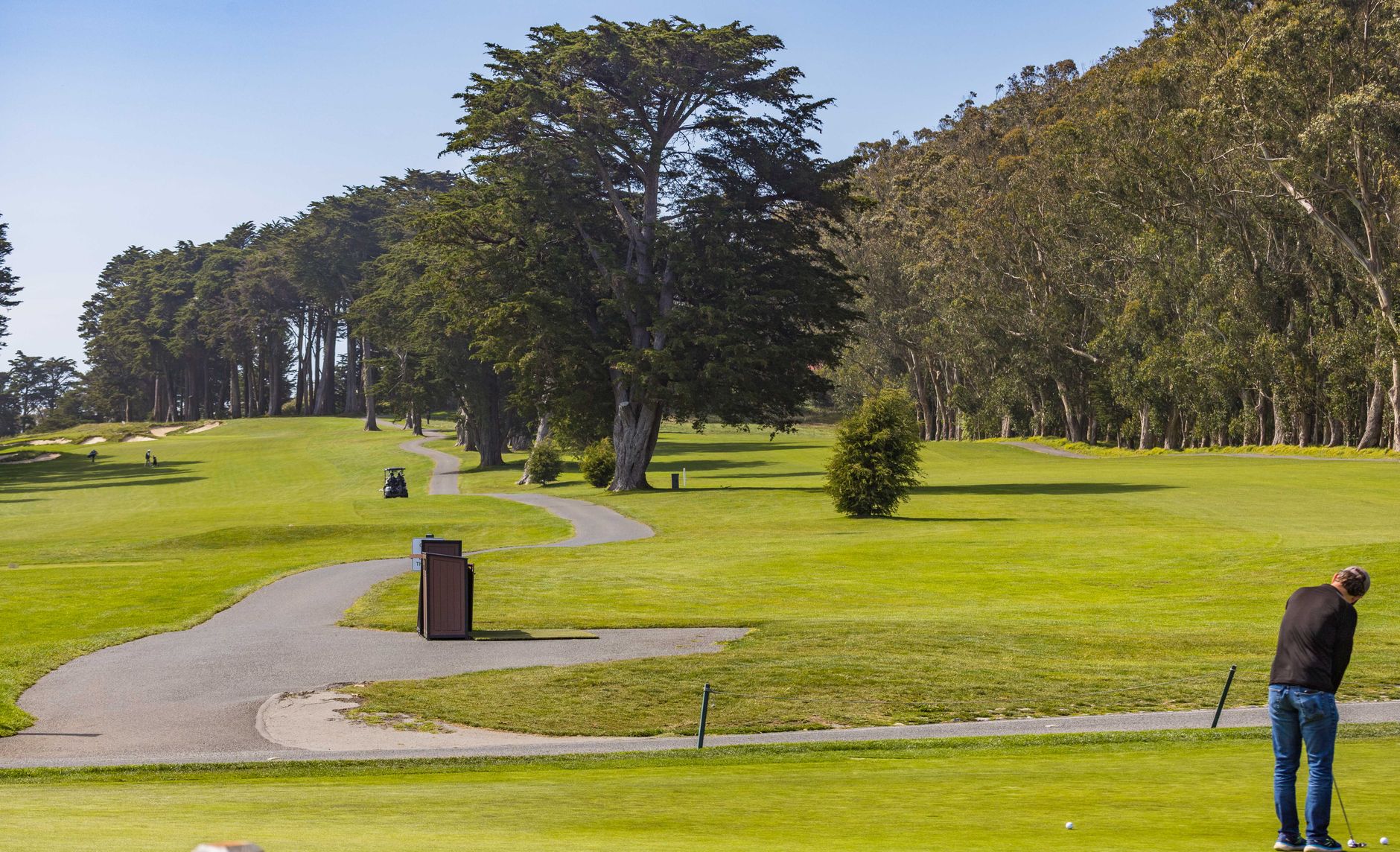
Start with one fairway that your crew already knows by feel. Walk it with the mechanic and the assistant superintendent at the speed you expect the robot to travel, and mark every place you would tap the brake on a triplex.
Cart path entries and exits belong on the list first. Paths are concrete or asphalt with a turf edge that can feather or lip depending on traffic and settlement. Mark a buffer on both sides of the crossing, not just the centerline.
Drainage channels, swales, and low spots that hold water after rain need slow zones even when they look dry on mapping day. According to Golf Course Industry's 2026 budgeting commentary, superintendents are still planning labor increases of 4 percent to 6.5 percent while training time rises, so you cannot afford rework passes that chew up a morning.
Bring a copy of your irrigation as-built and any recent drainage repairs. Those sheets often show grates and headers that do not show up on satellite imagery.
- Cart path crossings with turf lips or settlement
- Catch basins and surface drains in fairway centers
- Rough to fairway transitions with uneven height
- Bridges or narrow corridors between holes
- Steeper fall-line segments where wheels may slide
How wide should buffers be around cart paths?
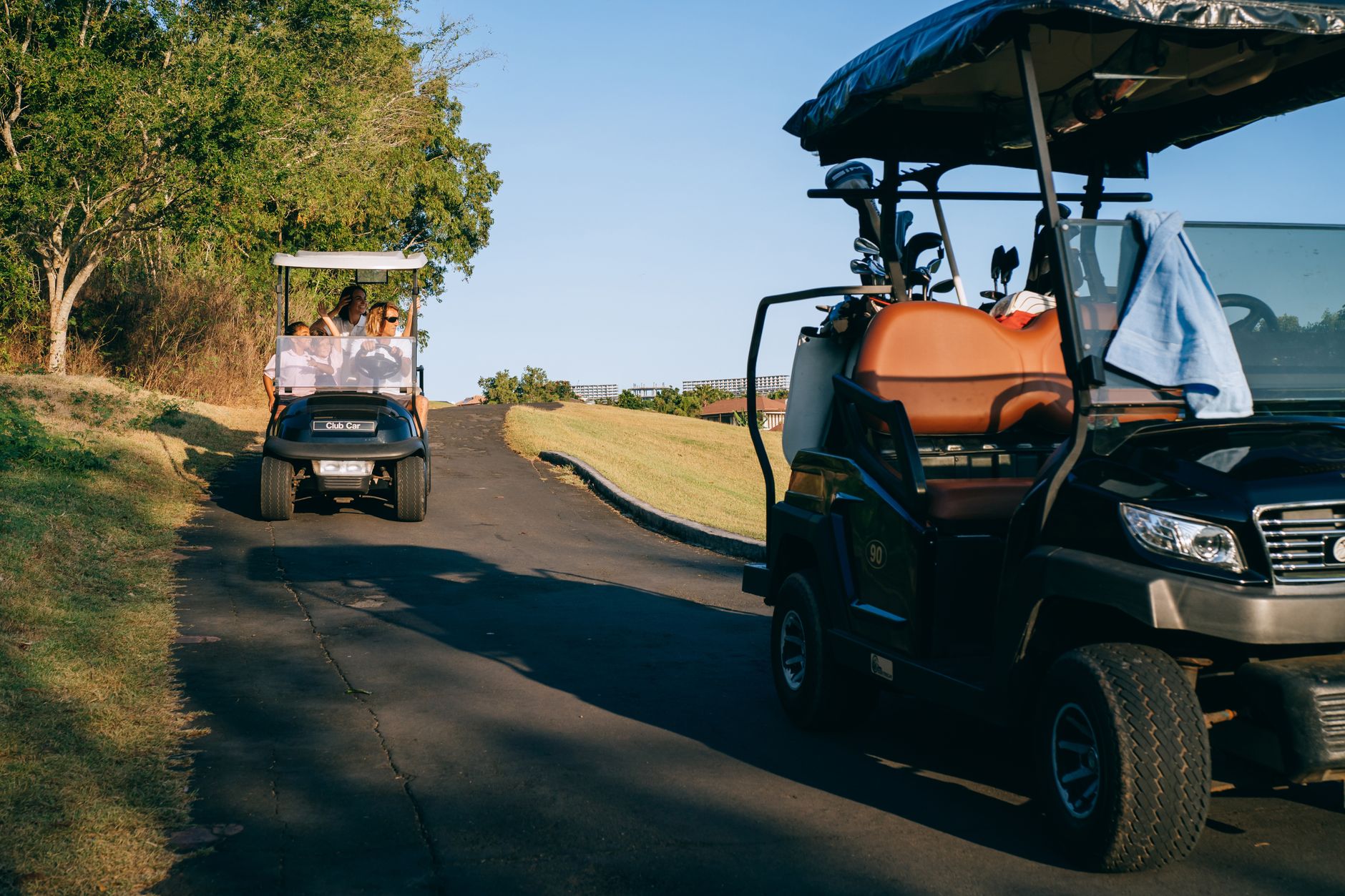
Width depends on mower wheelbase and how sharply the unit turns onto the path. A practical starting point is to measure the machine's outer wheel track and add at least one track width on each side of the crossing.
If members drive carts through while you test, extend the buffer in the direction of traffic flow. Golfweek reported in June 2026 that GPS-guided fairway robots at a Massachusetts club still run under staff monitoring, which is your chance to watch tire paths on damp mornings.
Paint temporary flags during the first three runs, then convert confirmed buffers into digital slow zones once the lines stop moving.
Night dew changes grip. If your pilot runs before sunrise, add a few extra feet of buffer on downhill approaches until you see three dry mornings with clean tire tracks.
Where do drainage lips hide on flat-looking fairways?
Laser-flat optics lie. Many fairways hide subtle crowns and collector lines that only show up after a half inch of rain. Walk with a level rod or at least a string line between sprinklers to find reverse grades.
Channel drains parallel to play often sit just outside the fairway cut line. Robots that hug the edge for efficiency can drop a wheel into the grate lip. Map those grates as full slow zones even if the deck does not pass directly over them, because the wheel line still does.
Irrigation head surrounds and valve boxes create the same problem. Mark a circle buffer rather than a line buffer so turning maneuvers stay smooth.
Document each grate with a photo in your map notes. When a contractor replaces a lid that sits a quarter inch higher, you will know which slow zone to widen.
How do rough transitions differ from path crossings?
Rough turf is taller and softer. When a fairway robot trims the edge, it can lean into rough and suddenly load the deck. Slow the unit before the height change so the cut rate stays even.
Bunker noses near fairway edges deserve their own exclusion or crawl-speed zone. You already keep staff mowers out of sand; autonomous units need the same respect with wider margins.
Tree root plates and shade lines change growth speed. You may need a slow zone plus a slightly higher height preset in those arcs, which is easier to test on a single fairway pilot than across eighteen holes.
Seasonal growth shifts the effective edge. Re-walk rough transitions after your first heavy rough cut of spring and again after summer stress periods.
What does a one-fairway pilot week look like?
Day one is map-only with the robot on a transport setting or manual mode if available. Confirm GPS lock, boundary edges, and that exclusion zones match your irrigation as-builts.
Days two through four run scheduled cuts with a superintendent or mechanic watching the first pass at each slow zone. Note wheel slip, deck stall, or path drift. Adjust buffers in the software the same evening.
Day five invite the head professional for a quick look at turf quality and pace of play impact. GCSAA's 2025 Capital Budget and Labor Survey still found 34 percent of superintendents rating general maintenance staffing bad or very bad, so frame the pilot as protecting labor for greens and bunkers, not as a stunt.
Log weather each day. Humidity and overnight rain change how aggressively you can tighten buffers without scalping.
How do you sequence slow zones with tee-time traffic?
Even when robots run at night, early groups can meet a unit returning to charge. Map slow zones along return paths near tee complexes so travel speed drops before players arrive.
If your platform supports time-based routes, keep the first hour of any new schedule on manual oversight. Assistant superintendents at CCNB in Massachusetts told Golfweek they still monitor autonomous fairway units closely while routes mature.
Communicate hold windows to the pro shop in plain language. A one-line note on the morning sheet beats surprise sightings on the ninth fairway.
Who owns the map after go-live?
Treat the slow-zone layer like a sprayer map. When drainage crews trench, when cart paths widen, or when a fairway expansion moves cut lines, update buffers before the next autonomous schedule.
Store exports where both the mechanic and assistant superintendent can reach them. If your platform allows version notes, log who changed a zone and why.
Service Robot Co. can align buy or lease financing, deployment mapping, and RoboCare service with the same integrator team so software edits do not get orphaned when staff turnover hits, which GCSAA data suggests remains a pressure point for many 18-hole shops.
Quarterly, run a fifteen-minute audit: random sample three slow zones on foot while the machine passes and confirm speed drops still feel right.
When should you add a second fairway to the route?
Add the next fairway only after one full week of unmanned scheduled cuts on the pilot hole without scalps, stuck wheels, or member complaints. Copy slow-zone templates for similar path geometry, then walk each copy because no two landings are identical.
Link holes only after transitions between fairways have their own slow zones at connectors and shared rough. Jumping to a full loop too early is how clubs get on the wrong side of a Monday member email.
Keep a conventional unit available for debris storms and washouts. Long Sutton Golf Club in the UK pairs night robots with daytime trailed mowers for heavy growth, a pattern US superintendents can mirror for storm weeks without abandoning automation.
When you expand, re-benchmark labor hours saved on bunkers and approaches. That number helps the board understand why mapping time upfront still matters.


