Key takeaways
- The 2025 Black Desert Championship marked the first PGA Tour stop with autonomous fairway mowers on bentgrass.
- Superintendent Ken Yates scheduled four electric AMP units on fairways from 2 a.m. to 6 a.m. during tournament week.
- Crews skipped fairway tractors and moved bunker and detail work earlier because mowing ran on its own.
- Mapping with gallery ropes in place and keeping backup fairway units ready were part of the safety plan.
- Vendor-neutral integrators help match mower type, financing, mapping, and service to your play calendar.
What made the Black Desert week different?
When the PGA Tour held its first Black Desert Championship in Ivins, Utah, in 2024, the debut was not only about a new venue. According to Golf Course Industry, it was also the first time autonomous mowers worked fairways at a Tour stop.
Black Desert superintendent Ken Yates brought in four all-electric, 100-inch-wide, five-gang reel Autonomous Mowing Platforms from FireFly Automatix. The units focused on bentgrass fairways while the event ran, which gave the maintenance team a live test under gallery traffic and broadcast scrutiny.
Yates told the publication he first saw the mowers during a demo about seven months before the tournament. The story fit Utah's return to the Tour calendar, but the agronomy team still treated the robots as a tool that had to earn trust on real turf.
Why mow fairways from 2 a.m. to 6 a.m.?
Tournament weeks compress every maintenance window. Yates ran the AMP fleet on fairways from 2 a.m. to 6 a.m. during the championship, according to Golf Course Industry. That block kept wide cuts off the course while players and fans were away and left daylight for setup crews.
Black Desert plays on bentgrass fairways and greens in a low-humidity desert climate. Yates noted Dominator bent on fairways and 007XL on greens, varieties he described as more resilient than older bents he managed in the 1990s. The overnight window let the team chase presentation without fighting afternoon heat on the mow.
For a daily member club, the same idea applies on a smaller scale. Moving fairway and rough mowing into quiet hours can protect morning tee sheets, even when there is no gallery rope to plan around.
How did crews spend the hours they got back?
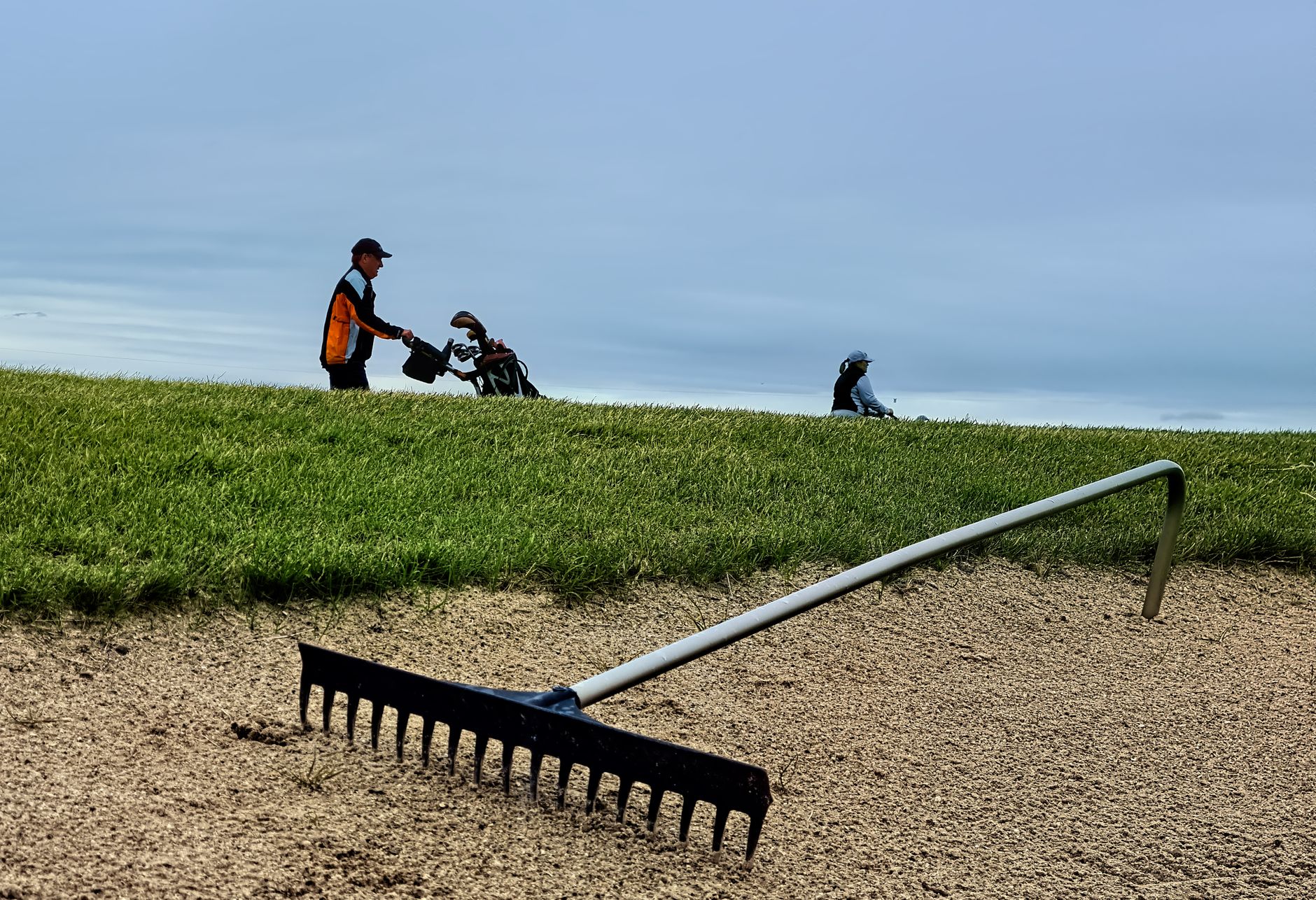
Yates told Golf Course Industry his staff did not touch a fairway mower during the tournament. Bunker work and fine detail moved up the priority list because the autonomous units handled the wide cuts on schedule.
He described a common superintendent backlog: tasks everyone knows matter but only happen when mowing finishes early. With fairway passes automated for that week, those jobs started sooner instead of waiting for the last tractor to come off the course.
That is the operational case many facilities weigh. Autonomous mowing is rarely about deleting jobs. It is about moving skilled people from repetitive seat time to cup cutting, approaches, irrigation checks, and guest-facing standards.
What should you verify before copying an overnight fairway plan?
Yates kept conventional fairway mowers available as a backup while the AMP fleet proved itself, Golf Course Industry reported. Any superintendent planning a similar pilot should document the same fallback before the first autonomous pass.
FireFly staff mapped the course about six weeks ahead of the event, Yates said. The first map did not account for gallery ropes, so the team remapped with ropes up. Your property needs the same discipline for cart paths, stake lines, range borders, and temporary setups if you host leagues or outings.
Ask how the system handles steep collars, wet spots, and turn areas that reel units struggle with. Ask who owns boundary updates when you move tee markers or rebuild a bunker face. Ask how training is delivered so your equipment manager is not guessing at firmware updates alone.
How does this connect to financing and service?
Fairway robots are capital equipment with a service rhythm, not a one-time purchase you park in a barn. Courses buy outright or lease through financing, then budget mapping, parts, and seasonal support the way they would for a fairway fleet.
Service Robot Co. acts as a vendor-neutral integrator for grounds automation and the robots that support the clubhouse side of the operation. We help match mower type to turf goal, arrange buy or lease paths, map the property, train the crew, and keep units running through a nationwide network of regional service engineers under RoboCare.
A free site assessment should answer whether your fairways, rough, or cart paths are the right first automation target before you commit to a full fleet.
Are jobs going away when fairway mowing automates?
Yates pushed back on a man-versus-machine story in the same Golf Course Industry piece. He said he keeps the same staff and treats robots as another tool, similar to how irrigation and sprayer controls evolved over his three decades in golf.
That matches what other public rollouts describe. JC Golf reported in 2025 that Kress Mega Mission units across six Southern California courses let agronomy teams focus on presentation and turf health while autonomous units handled rough mowing on adapted schedules, with 2026 expansion planned for more acres.
Your board may still ask for headcount clarity. Frame the project around hours redeployed, consistency of cut, and fuel or diesel lines moved off the fairway program rather than a vague labor replacement claim.
What data should you track in year one?

Yates noted FireFly gained dense field data from two weeks at Black Desert, including practical lessons that would inform product updates. Your club should capture its own baseline: hours on fairways and rough, fuel use, clip yield, and golfer comments about roll.
Log downtime reasons, remap events, and weather delays. Compare moisture and disease notes on automated strips versus traditionally mowed control areas if you keep one zone manual for a season.
Pair those agronomy notes with crew time studies. If bunker minutes rise without quality slipping, you have evidence the schedule change worked even before you expand acreage.
Frequently asked questions
Sources
Service Robot Co. is not affiliated with, sponsored by, or endorsed by the companies mentioned in this article.