
Key takeaways
- Fall league finals compress more tee times into fewer evenings than regular league nights.
- Bracket match play keeps fairway corridors hot longer than a single medal round.
- Hole-level hold calendars prevent robots from entering active flight paths.
- Starters and the superintendent share one release sheet before holds lift.
- Service Robot Co. can map geofenced corridors during fairway robot deployment.
Why fall league finals change fairway robot timing
Regular league nights usually follow a predictable tee sheet. Fall league finals add bracket rounds, sudden-death matches, and makeup flights that stack on the same fairway corridors within a few days.
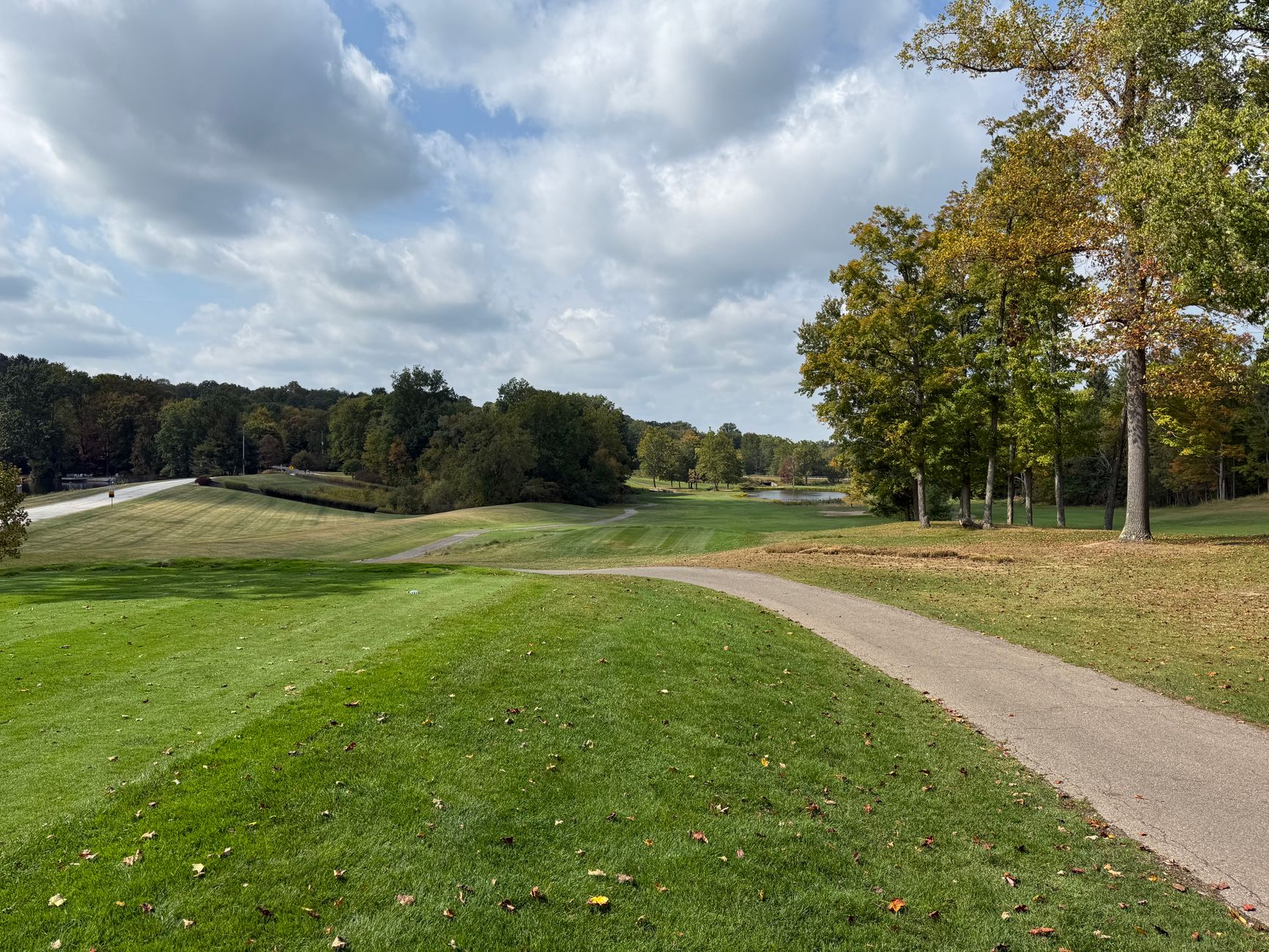
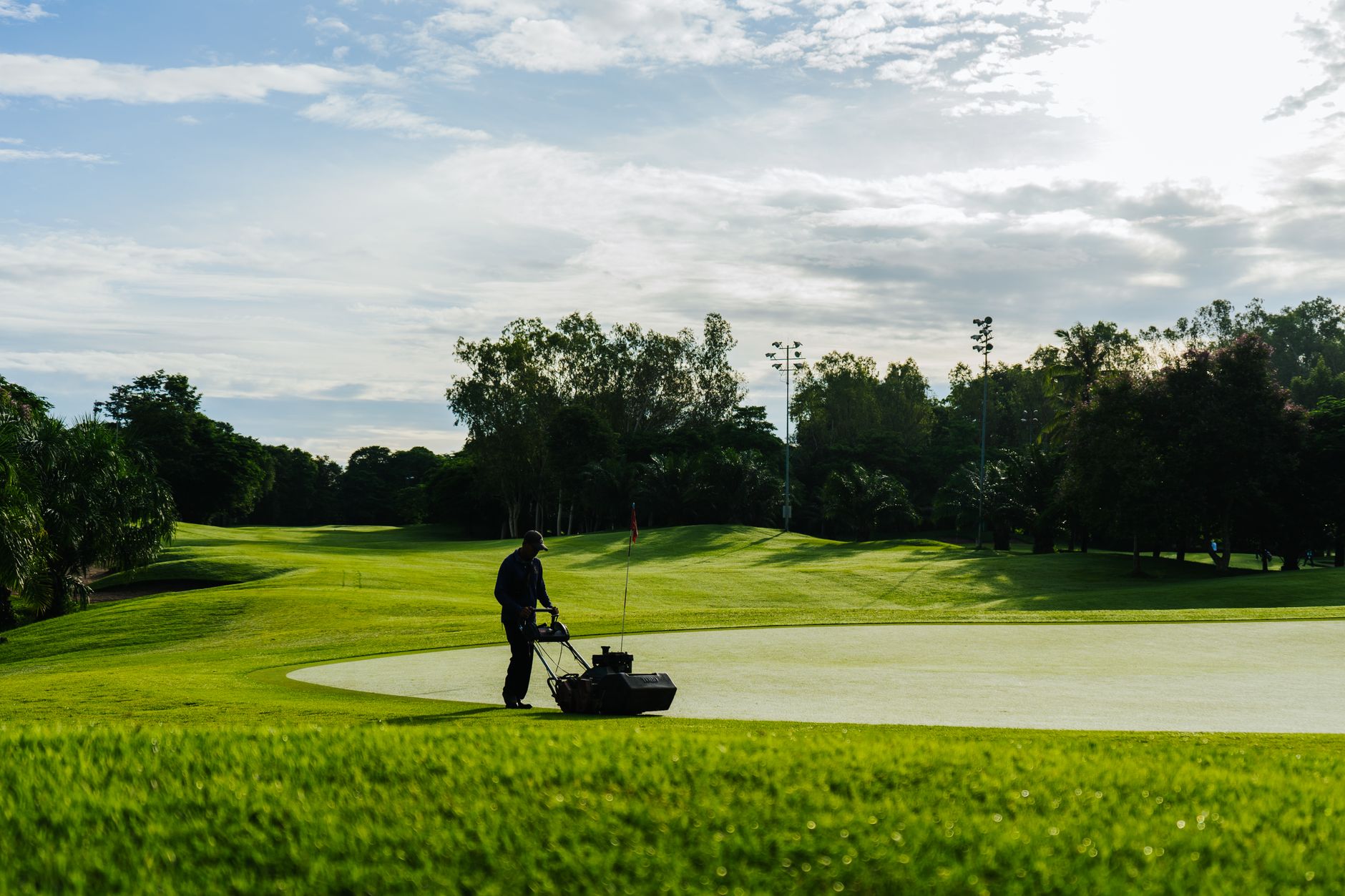
Autonomous fairway mowers follow mapped loops. When finals traffic runs late into twilight, those loops must pause so groups never meet a robot on a turn or a narrow corridor.
Superintendents still need cut quality for member play the next morning. Planning holds up front keeps robots productive on open holes without guessing when a match will finish.
Build a corridor hold calendar before the first final
Start with the tournament chair bracket and the starter tee sheet. Mark every hole that hosts a final each day, not only the holes in active play at dawn.
Assign hold windows per hole in 30 to 60 minute blocks that match realistic match pace. Leave buffer on par fives and holes with cart-path-only detours.
Post the calendar in the shop and at chargers. Robot operators should see the same hole list the starters read on the radio.
Match play pace versus stroke play league nights
Match play can stop on a green while the fairway behind it stays clear, which tempts crews to release a robot early. Hold the full corridor until the match clears the hole exit, not only the landing zone.
Sudden-death playoffs often replay the same hole twice in one evening. Treat those holes as extended holds even if the first match ended quickly.
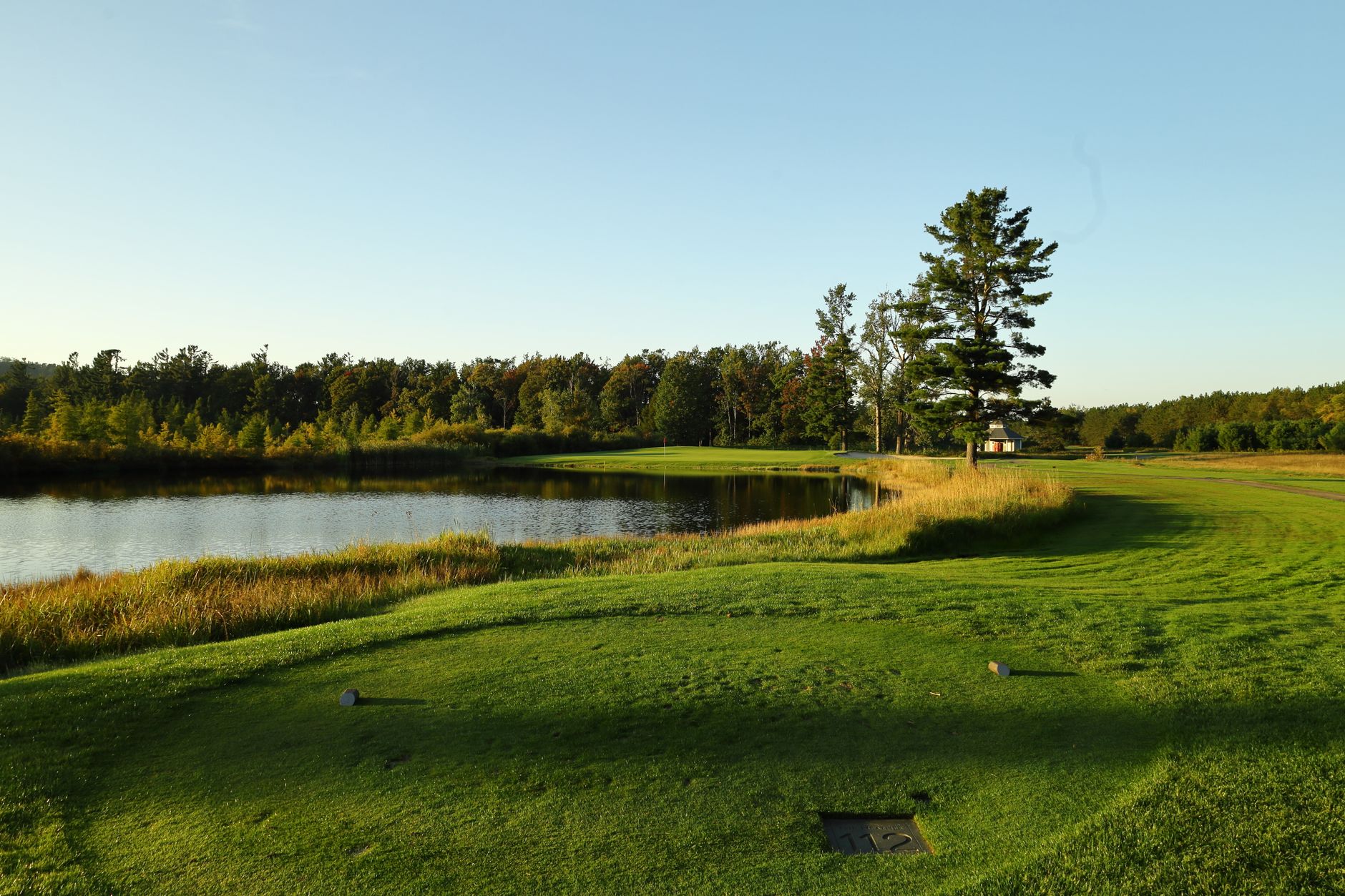
When multiple flights use split tees, map separate robot zones so a unit on hole ten never crosses hole one traffic.
Geofenced corridors versus full fleet shutdown
Full shutdown is simple but wastes hours on a quiet nine. Polygon holds let robots keep working on holes with no finals traffic while finals corridors stay dark.
Set geofences wide enough to cover approach walks and turnaround loops, not only the centerline pass. Robots need clearance for obstacle avoidance swings.
Test geofences with a slow escort walk before the first final night. Confirm GPS drift near tree lines does not clip the buffer.
Coordinate starters, league chairs, and maintenance
Give starters a one-page hold summary with hole numbers and earliest release times. They should call maintenance when a match runs long, not only when players complain.
League chairs should flag weather delays that push finals into darkness. Darkness changes both pace and where spectators stand along fairways.
Log actual release times beside planned times. Those notes improve next season calendar templates.
Spectators, scoring tables, and extra cart traffic
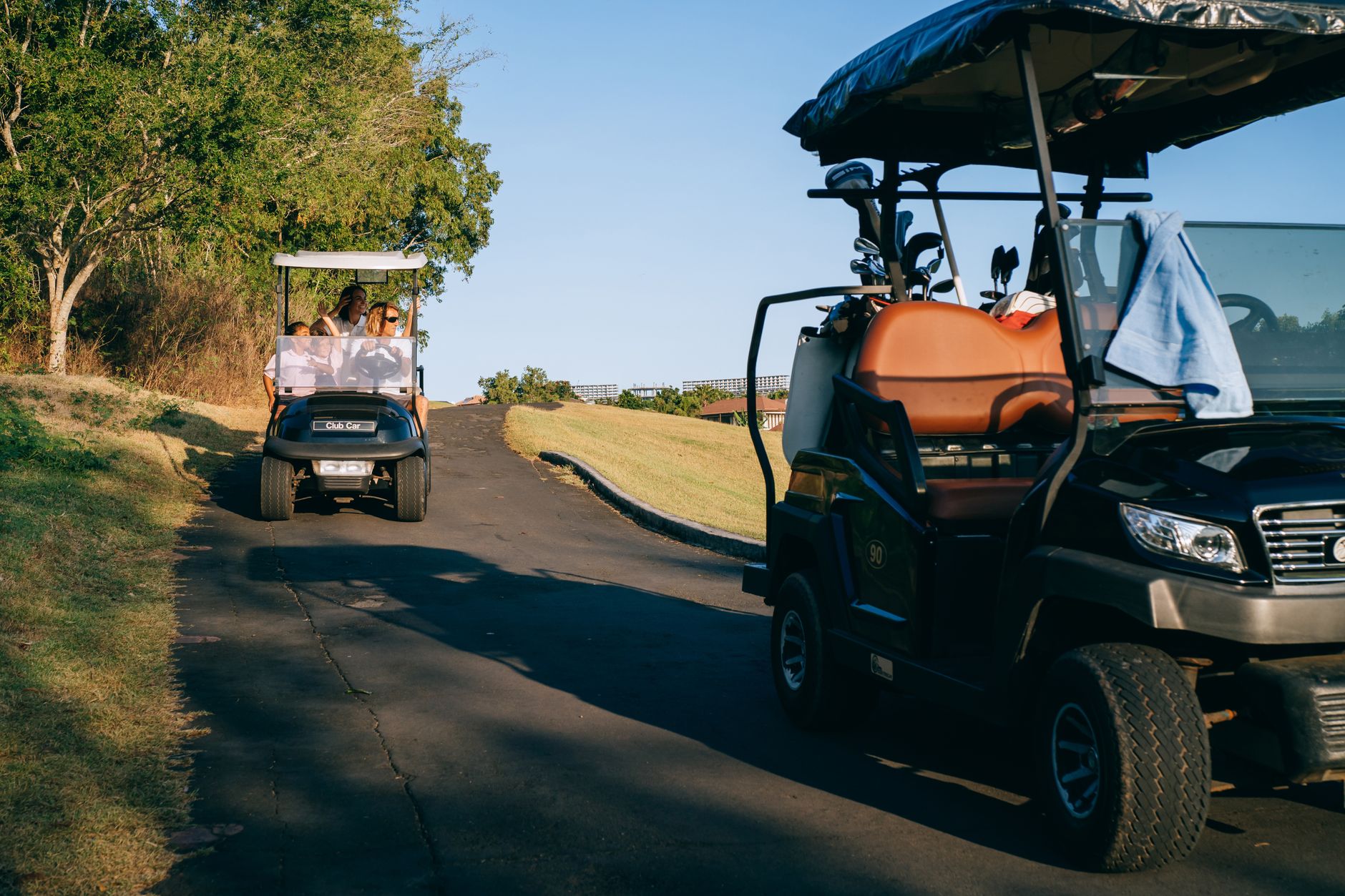
Finals draw carts parked along landing areas and walkers on inside lines. Robots should avoid those edges even after play moves forward.
Scoring tables near greens can block the exit path a robot uses to leave a hole. Hold until tables pack up or remap exit through a wider fairway section.
If the club allows extra range time before finals, keep robots off range-adjacent fairway connectors until the range clears.
Overnight recovery between final nights
When finals run back-to-back evenings, overnight windows shrink. Prioritize holes that host the first tee time the next day before touching decorative rough.
Check dew and frost rules. Wet fairways may delay member play, which also delays when robots can re-enter a corridor.
Charge batteries during active holds on quiet holes so units are ready the moment releases stack at dusk.
Where buy or lease support fits
Service Robot Co. stays vendor neutral, then lines up buy or lease financing, mapping, training, and RoboCare support through one contact.
Integrators can import hold polygons from your GIS or walk the course with you before the first finals week.
A nationwide network of regional service engineers helps adjust maps when brackets change mid-season without waiting for a factory visit.


