Key takeaways
- FedEx is scaling its use of AI-powered robotic trailer loading systems, signaling a major shift in logistics.
- The technology targets one of the most physically demanding and hard-to-staff jobs in a warehouse: the loading dock.
- This automation push is a response to labor shortages, safety concerns, and the need for greater operational consistency.
- Mid-sized operators can learn from FedEx's strategy by identifying their own most challenging, repetitive tasks for automation.
- A phased deployment with a knowledgeable integration partner is key to successfully adopting this level of automation.
The Big Story: What FedEx's Robotic Deployment Means for Logistics
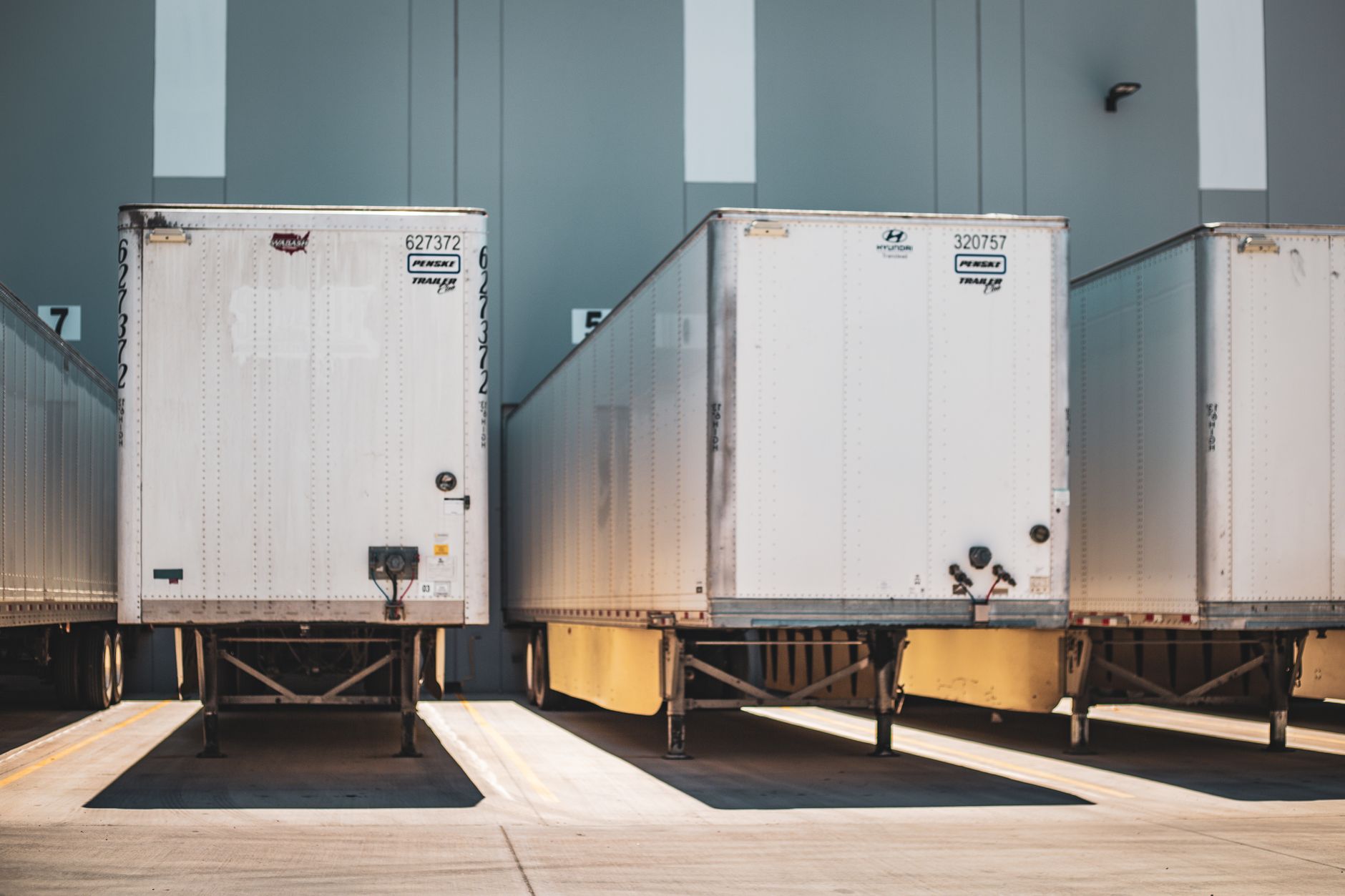
In logistics, some jobs are harder to fill and keep than others. Topping that list is often the loading dock, where the physically demanding task of loading and unloading trailers is a constant operational challenge. That is why FedEx's announcements in July and August 2026 are so significant for the entire industry.
The company confirmed it is expanding its collaboration with a robotics firm to deploy AI-powered, dual-armed robotic trailer loading systems at its hub in Hagerstown, Maryland. This move scales up a program that has been in development for several years, moving it from a pilot test to a larger, production-level environment.
This is not just about one company's operational upgrade. It is a clear signal that automating one of the most complex and historically manual tasks in a distribution center is now a practical reality. For any logistics operator, from a regional hub to a national network, FedEx's strategy provides a blueprint for addressing critical labor, safety, and efficiency challenges.
Why is Trailer Loading So Difficult to Automate?
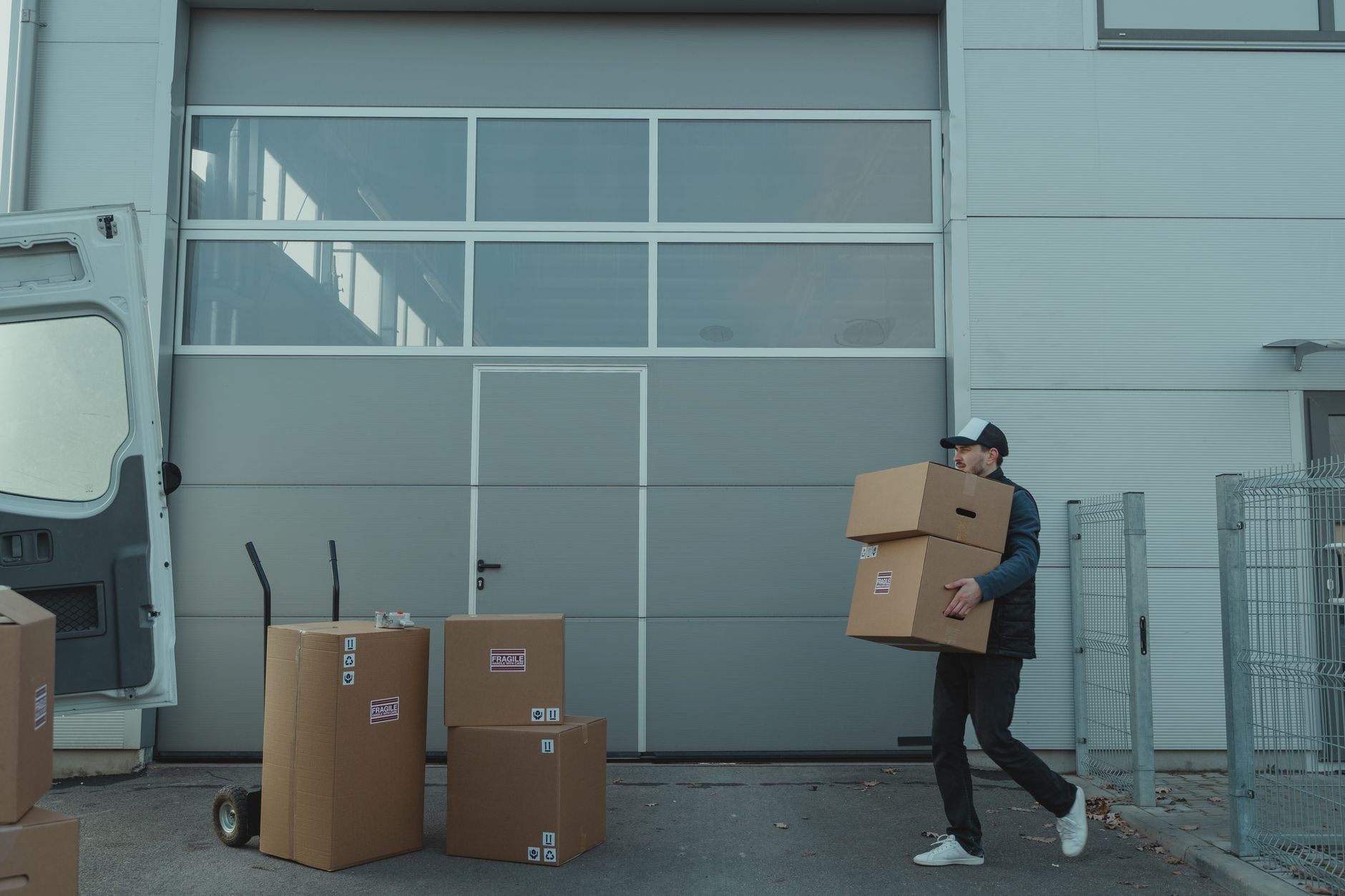
For decades, the loading dock has resisted automation. Unlike predictable, repetitive tasks on an assembly line, loading a trailer is a high-variability puzzle. Packages come in countless shapes, sizes, and weights, requiring real-time problem solving to place them for stability and to maximize trailer space.
The work is physically grueling. It demands strength and endurance, leading to high staff turnover and increased risk of musculoskeletal injuries. With tens of thousands of trailers loaded daily across the FedEx network alone, this process has long been a prime candidate for a technological answer, yet traditional automation could not cope with the complexity.
The systems FedEx is deploying use what the industry calls "physical AI". Combining vision, depth, and touch sensors, the robots can perceive their environment, make real-time decisions, and maneuver packages inside the confined space of a trailer. This AI-driven approach is what finally makes it possible to automate a job that requires spatial reasoning comparable to a game of 3-D Tetris.
What Operational Problems Does This Technology Solve?
FedEx's public statements highlight several key business drivers for this automation push, and they are challenges shared by nearly every logistics operator.
First and foremost is labor. The difficulty in finding and retaining workers for physically demanding warehouse jobs is a persistent industry-wide problem. FedEx explicitly noted that trailer loading is one of the top areas where team members seek additional support. Automation here directly addresses the labor shortage for this tough, high-turnover role.
Second is safety and ergonomics. Manual loading and unloading consistently rank as high-risk activities for workplace injuries. By assigning this strenuous work to robots, companies can reduce injury rates and associated costs like workers' compensation claims, creating a safer environment for their human staff.
Third is consistency and efficiency. Human performance can vary by shift, time of day, and even temperature. Robots deliver a consistent, predictable rate of work. The AI powering these systems can also optimize how packages are placed for stability and density, potentially improving cube utilization and reducing damage in transit.
How Can Mid-Sized Operators Apply These Lessons?
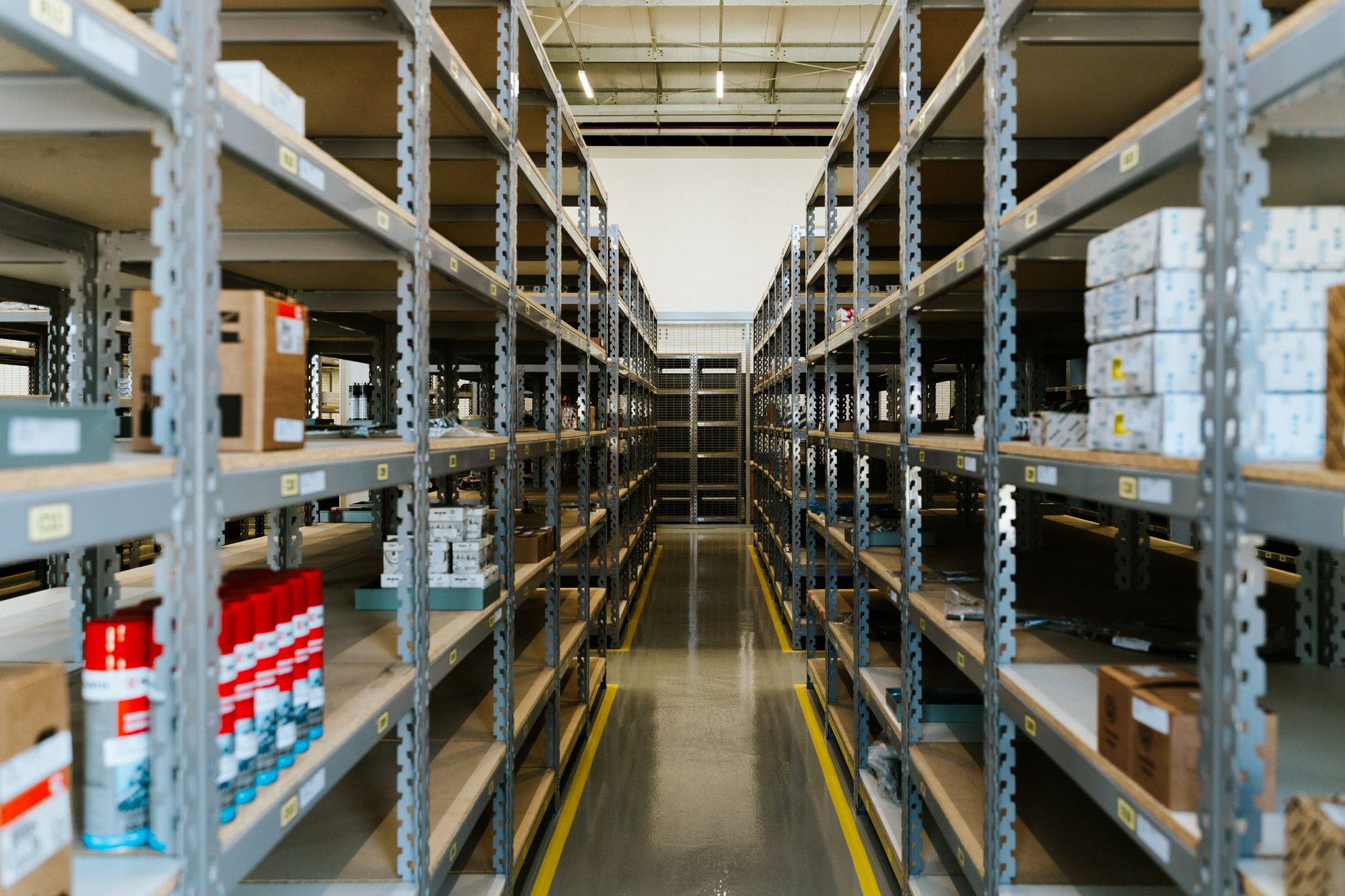
While not every company operates at FedEx's scale, the strategic thinking behind their automation push is universal. Mid-sized distribution centers can and should analyze their own operations through the same lens.
Start by identifying your own version of the trailer loading problem. Pinpoint the single most physically demanding, repetitive, and hard-to-staff task in your facility. Is it palletizing at the end of a line? Transporting goods from receiving to storage? Manual floor scrubbing overnight in a large warehouse? These are your prime candidates for automation.
The goal is not to automate everything at once, but to target the roles that create the biggest operational headaches. Focusing on these areas first, like material handling robot rental or an autonomous floor scrubber for warehouses, can deliver the fastest and most significant return on investment. The key is to address the most pressing issues of labor availability, safety, and operational consistency.
The Integrator's Role: Making Complex Automation Work
FedEx's deployment is the result of a multi-year collaboration with its technology partner. This highlights a critical lesson: successful automation is not about buying a machine, it is about implementing a system. This is where a full-service commercial robot integrator becomes essential, especially for operators without a dedicated robotics engineering department.
At Service Robot Co., we act as that central partner. We are OEM-neutral, which means our loyalty is to your operational needs, not a specific manufacturer. We select the right robots for the job from across the market, whether it's for pallet transport, machine tending, or overnight cleaning with no operator.
Our role covers the entire project lifecycle. We handle financing, including options like RaaS monthly subscriptions that avoid large upfront capital expenditures. Our nationwide network of engineers manages the deployment and integration, from initial site assessment and mapping to go-live support. We ensure the new systems work with your existing processes and train your staff to work alongside them. It's one partner and one number for the whole journey.
Beyond the Dock: Building a Long-Term Automation Strategy
The decision to automate trailer loading is part of a broader strategy at FedEx to create a smarter and more resilient network. The company is not just installing robots; it is studying how this technology integrates into wider hub operations, including trailer assignment, maintenance, and overall workforce processes.
This holistic view is the final lesson for any growing logistics hub. Your first robot, perhaps an industrial floor scrubbing robot for your warehouse, is just the start. The long-term value comes from building a fleet of automated systems that work together. This requires a partner who can provide centralized fleet management, often with a single dashboard for multiple types of robots from different vendors.
As your needs evolve, a true integrator like Service Robot Co. grows with you. We handle all ongoing service and maintenance, with on-site dispatch from our national engineer network to maximize uptime. With programs for backup units and flexible robot rental, we help you build a resilient operation, proving that you do not need to be a global giant to reap the benefits of a world-class automation strategy.
Frequently asked questions
Sources
Service Robot Co. is not affiliated with, sponsored by, or endorsed by the companies mentioned in this article.