Key takeaways
- Count trailer trips, truck hours and fuel for each property before the first robot pass, or you cannot prove any change.
- Use matched seasons, weather windows and mowing frequency for the before and after counts.
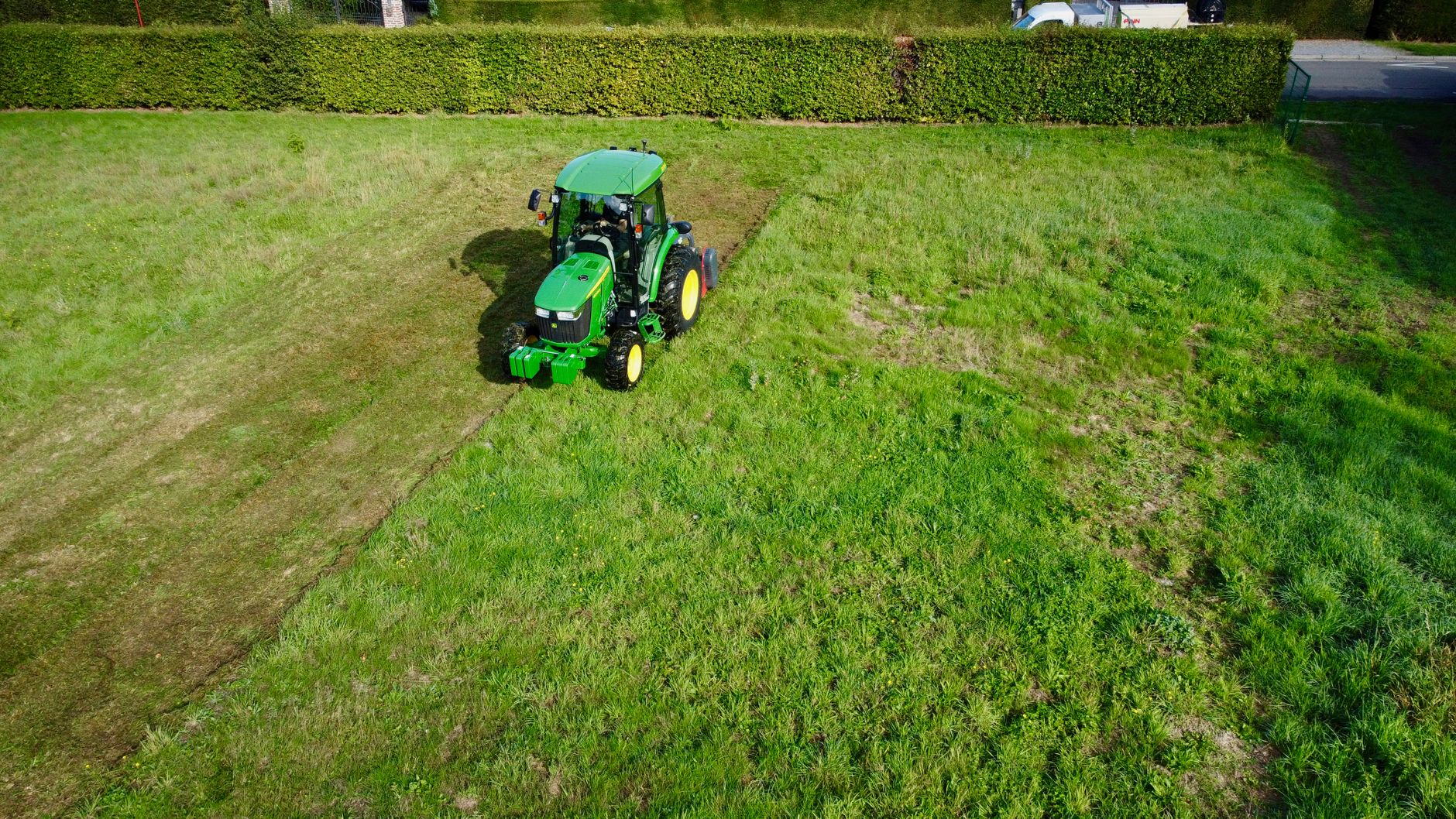
- A robot pass cuts hauling only where it replaces a trailered mower run on open turf.
- Ask how the robot reaches each site and where it charges before you put any hauling figure in a board memo.
- Edges, obstacles and sloped corners keep some trailer trips alive, so count those separately.
Does a robot pass on open turf cut hauling?
Sometimes, and only if you measure it. A robot mower working open turf can keep a property mowed without a trailered machine going out on every cycle. That effect stays invisible unless you count trips before and after. Most crews remember the bad days. Few keep the trip log that shows the good ones.
The method is easy to describe and tedious to run. Count trailer trips, truck hours and fuel for each property across a defined baseline window, then repeat the count once robot passes begin. A wet spring and a dry summer will move those numbers more than the robot ever will, so compare like with like.
Which records should you pull before the first robot pass?
Pull the last full season for each property before anything changes. If the shop keeps a dispatch board, export it. If not, rebuild the record from timecards, fuel receipts and the trailer log, and label it as rebuilt so nobody mistakes it for raw data.
- Trailer departures from the shop or yard, tagged by property and by the equipment they carried
- Truck drive hours and engine idle hours, split apart wherever the truck records both
- Fuel purchases by truck or fuel card, matched to the property visited that day
- Mowing frequency per property, taken from route sheets or the job calendar
- Weather days and rain holds, so you can explain gaps in the numbers later
How do you count trailer trips by property?
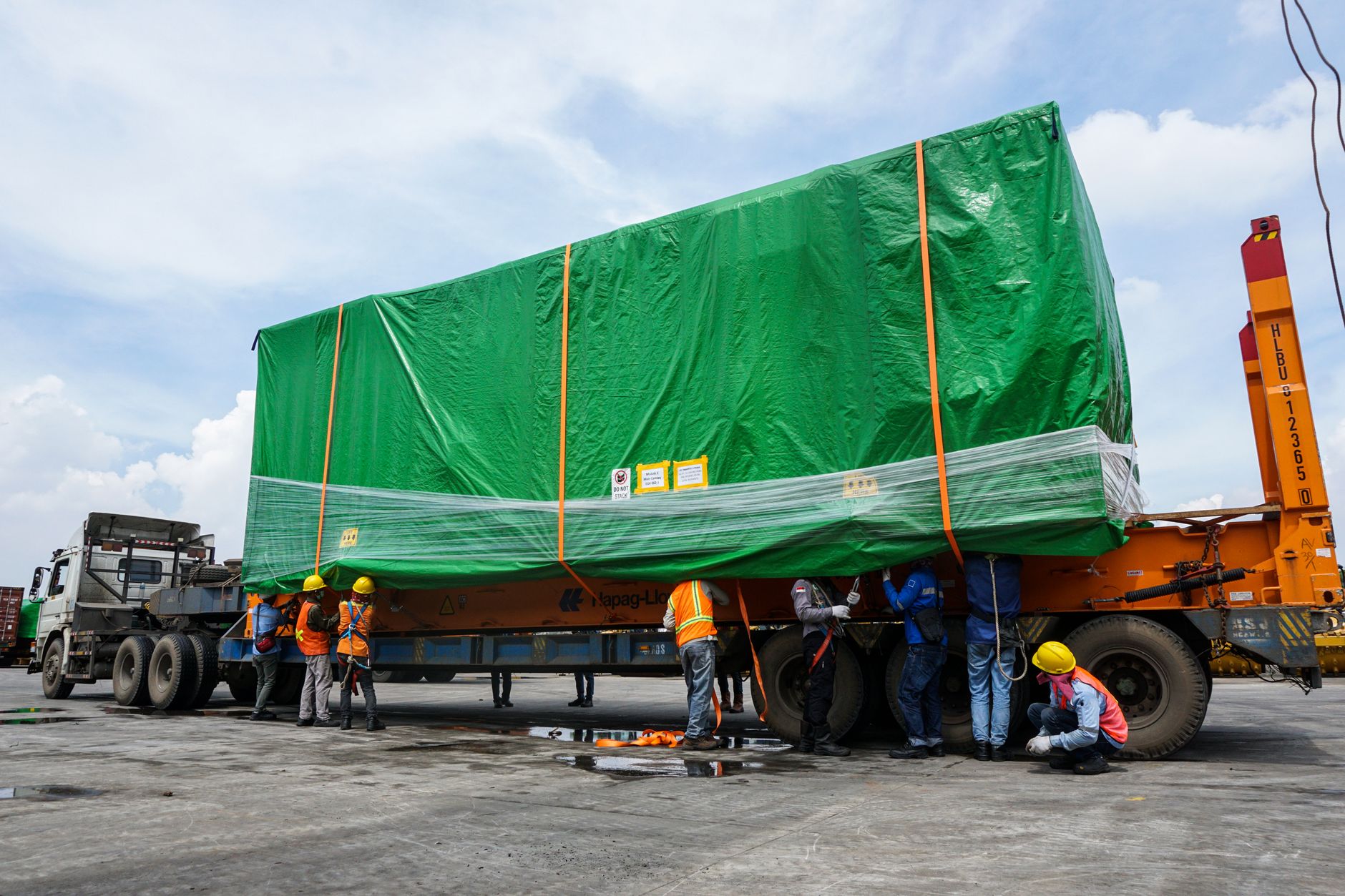
Define a trip before you count one. A trip is one loaded departure from the yard to a property and its return. If the crew stays out and the trailer does not come back, count the departure only. Pick one definition and hold it for the whole study, or your before and after numbers will measure different things.
Tag each trip with the property code on the work order, not from memory at the end of the week. Mark loads that carry a mower or trimmer apart from loads that carry only fuel, blades or spare parts. A robot pass should only touch the first kind, and mixing them will hide that difference.
How should you measure truck hours and fuel without guessing?

Truck hours are easier to inflate than trips. Separate drive time from idle time, because a truck idling at a gate while the crew loads the trailer burns fuel and hours that no trip record captures. A telematics feed or a meter reading at departure and return will settle it. Without either, use paper logs and state the precision you actually have.
Fuel needs the same discipline. Receipts and card data give total gallons. Assign fuel to a property only when the truck fuels at a known point and the route is known. Otherwise allocate fuel by drive hours and say so in the write up, so the reader can judge the method.
What makes a before and after comparison fair?
Hold the variables you can hold. Use the same property, the same crew size, the same mowing frequency and windows with comparable weather. If a property took on a new contract, a storm cleanup or a shutdown week in one window, flag that week or drop it. A short, clean comparison beats a long, muddy one.
Expect uneven results. Robot passes fit open fields and long runs best. Edges, islands, sloped corners and spots near obstacles often still need a walk behind mower or a trailered machine, so some trips will persist. Report those trips on their own line rather than folding them into the robot's score.
What should you ask about the robot's own transport and charging?
A robot does not remove hauling from the picture. It has to reach the site, return after a service call and charge between passes. Each of those needs can add trips or truck hours, or shift the work to a different person. Ask these questions before any hauling figure goes into a memo.
- How does the unit travel between properties, and does it need a trailer, a truck or a hand move?
- Who loads, unloads and secures it, and is that work logged as a trip?
- Where does it charge, what electrical supply does the charger need, and does the route cross a cart path or a second site?
- How often does it return to a shop or service bay, and how quickly does a backup arrive when it does?
- How does the charging cycle affect property hours on a heavy turf day?
- Who logs each transport and service visit, so the trip count stays honest?
How Service Robot Co. handles transport and charging questions
Service Robot Co. is a full service commercial robot integrator for US businesses. We stay neutral across manufacturers, choose the robot that fits the turf, and then lease it through financing on a three year lease with one fixed lease quote after a site assessment. We deploy, integrate and train on the site, and every unit is covered under RoboCare, our service program, backed by regional service engineers in every state we service.
That structure helps with hauling questions because the transport, charger layout and repair dispatch sit with one contact. You do not have to trace a trailer trip across three vendors to find out why a unit left a property.
How long should the before and after windows run?
Long enough to cover a full mowing cycle and the weather swings that come with it. A single week tells you about that week and nothing more. Keep the same window lengths in each season you report, and log any change of crew, route or contract the day it happens.
Frequently asked questions
Want a robot working for you?
Tell us the job and the site. We will recommend the robot, quote the lease, and keep it serviced.