Key takeaways
- The task, the surface and the debris decide which robot fits, so the survey starts there.
- Coverage depends on the usable route, not only the total floor area.
- Site work should be listed item by item, with a named person responsible for each item.
- Ask for remote support, dispatch and parts commitments in writing, and compare response claims by fault type.
- A three year lease should state what the fixed payment covers and how a rule change is handled.
What do facility managers need to know before leasing a service robot?
Five questions come up before almost every lease conversation: what the robot will clean or move, how much floor or route it must cover, what the site needs before go live, how service and repairs work, and what a three year term actually includes. Each question has a direct answer, and each answer should be tested in a site assessment rather than taken from a brochure.
This article walks through those five questions in order. For each one, it names what the site assessment should check, so the facility team reaches a lease quote with facts rather than estimates.
Service Robot Co. is a full service commercial robot integrator for US businesses. We lease robots only, through financing on a three year lease, with one fixed payment quoted after a site assessment. We are OEM neutral, so we pick the right robots across manufacturers rather than starting from a single catalog.
What will the robot clean or move?
Start with the task, not the machine. According to IFR reporting on its 2026 World Robotics data, professional service robot sales rose 24 percent worldwide in 2025, with shipments of almost 250,000 units. Cleaning robots ranked third in that data, and floor cleaning was the main application.
A scrubber, a sweeper and a vacuum are not interchangeable. The survey should record the surface (sealed concrete, epoxy, tile or carpet), the debris (grit, dust, liquids or food residue), and whether the floor will be wet when the cleaning window opens. A unit that suits an empty warehouse aisle may not suit a dining room full of chairs.
If the job is moving goods rather than cleaning floors, the survey changes. Load weight, pallet type and handoff points matter more than floor finish, and they belong on the same checklist.
How much floor or route will the robot cover?
Square footage is a starting figure, not the coverage answer. Coverage depends on the route a robot can actually run: aisle widths, doorways, ramps, thresholds, and the places where staff or equipment regularly block the path. A large open hall and a broken up floor plan with many small rooms can share the same total area and need very different work.
IFR reports that professional cleaning robots grew 34 percent to more than 25,000 units in 2024, based on a sample of 294 suppliers. IFR does not project that sample to the whole industry and advises against comparing figures across different World Robotics reports. Treat market growth as background, and build the decision on your own route map.
Record these items on the survey map:
- The narrowest aisle and doorway width along each route
- Zones that must stay closed during cleaning, such as active loading lanes or patient rooms
- Floor level changes, drains, and carpet to hard floor transitions
- The cleaning window and the hours when staff are present
- A charger location that does not cross a working route

What site work is needed before go live?
Every site needs some preparation, and the amount depends on the robot and the building. Typical items include a charging location with power, a floor map built during the survey, a staff briefing, and a test window before full hours. Each item should carry a named person and a due date, because an unassigned item is usually what delays go live.
This is where an integrator earns its place. Service Robot Co. handles assessment, mapping, deployment, integration and training through one contact, backed by a nationwide US engineer network. Because we are OEM neutral, the site check comes before any brand choice, so the robot fits the floor rather than the other way around.
Ask what changes in the building during operation. Doors may need to stay open during runs, elevator access may need scheduling, and wireless coverage along the route may need a check. None of these should surprise the team on the first night.
How are service and repairs handled?
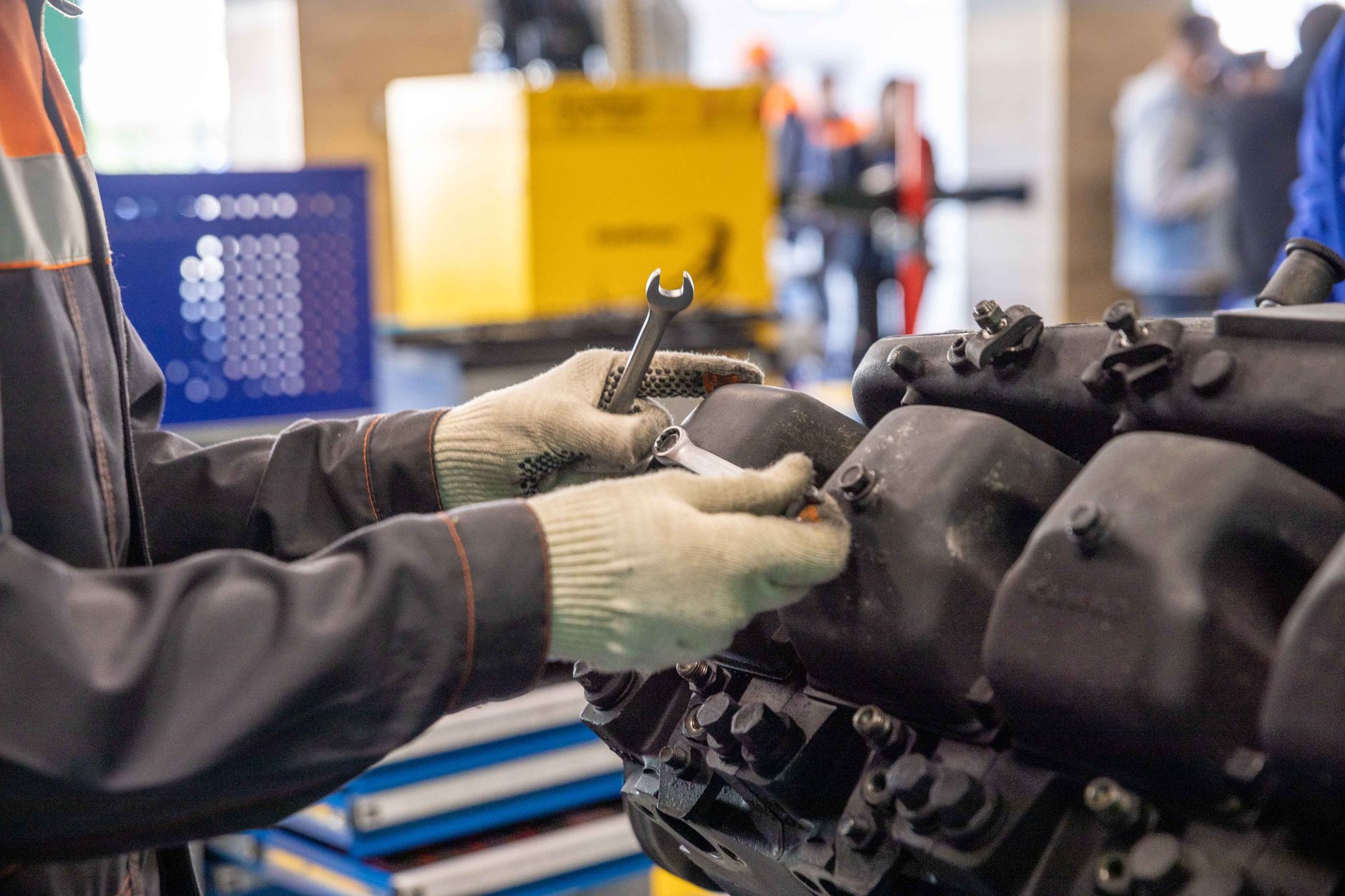
Ask who fixes the robot, how fast they respond, and whether repairs can start remotely. Makers differ on this. In a guide published August 10, 2026, Gausium, a cleaning robot maker, says its Remote Maintenance Center offers 24/7 global response and that about 70 percent of faults are resolved during remote troubleshooting. The company notes that this depends on fault type and model, so treat it as a vendor claim and ask for the equivalent figure on the exact model you will lease.
The same guide lists three criteria for a service provider: remote diagnostics, a service network that covers the target market, and factory certified field technicians. Dealer listings for ride on scrubbers describe on site repair, preventive maintenance, diagnostics, part replacement and battery replacement. Those listings cover ride on machines rather than robots, but they show the service categories a complete plan should name.
Response times and warranty terms vary by vendor, and this review found no independent comparison. The site assessment should therefore ask for the response commitment in writing, the spare parts plan, and the battery replacement schedule.
What does a three year lease term include?

A three year lease is a long commitment for equipment that runs every night. The term should state in writing what the fixed payment covers: service visits, remote support, replacement parts, batteries, software updates, and what happens during downtime. Ask what is excluded as well, such as damage from misuse or work outside the mapped route.
Regulation belongs in the term too. According to a JD Supra legal summary, the FCC added all foreign produced drones and their critical components to its Covered List on December 22, 2025. Covered equipment cannot receive new equipment authorizations, though existing authorized drones are not affected. A BACL summary describes a July 28, 2026 FCC rule covering advanced mobile robots, including humanoids, quadrupeds and autonomous mobile robots, from certain foreign manufacturers.
These are secondary summaries, and they disagree on how far the July rule reaches. Check the exact model against the FCC Covered List before signing, and ask how the lease handles a rule change during the term.
How does a lease quote come out of the site assessment?
The quote follows the survey, not the other way around. Once the assessment answers the five questions, the integrator can match the robot to the task, the route and the service plan, then quote one fixed payment for the three year lease. The quote should list the robot model, the route assumptions, the service commitments, and the site work the customer is responsible for.
Before comparing quotes, compare the assumptions behind them. A lower figure built on a smaller route or a slower response commitment is not a like for like offer, even when the totals look close.
Frequently asked questions
Want a robot working for you?
Tell us the job and the site. We will recommend the robot, quote the lease, and keep it serviced.
Sources
- Supply Chain Digital: IFR professional service robot sales surge 24% worldwide
- IFR: Service robots see global growth boom
- Gausium: Commercial cleaning robot service and support guide
- Okum Supply: Cimex floor scrubber CR38SC repair services
- JD Supra: FCC exempts certain drones from Covered List
- BACL Corp: FCC Covered List update on mobile robots