Key takeaways
- FMLink reported on October 1, 2026 that Flagship grew from 100 cleaners at 15 airports to more than 200 across 25 locations.
- The fleet surpassed 100,000 operating hours and neared 500 million square feet cleaned since the 2024 partnership began.
- Flagship cites nearly one million square feet cleaned per day on average across the expanded program.
- The portfolio spans sweeping, scrubbing, hard-floor mopping, and carpet vacuuming for different terminal layouts.
- Vendor-neutral integrators can mirror the multi-modality approach without locking every site to one OEM.
What did Flagship and SoftBank announce in October 2026?
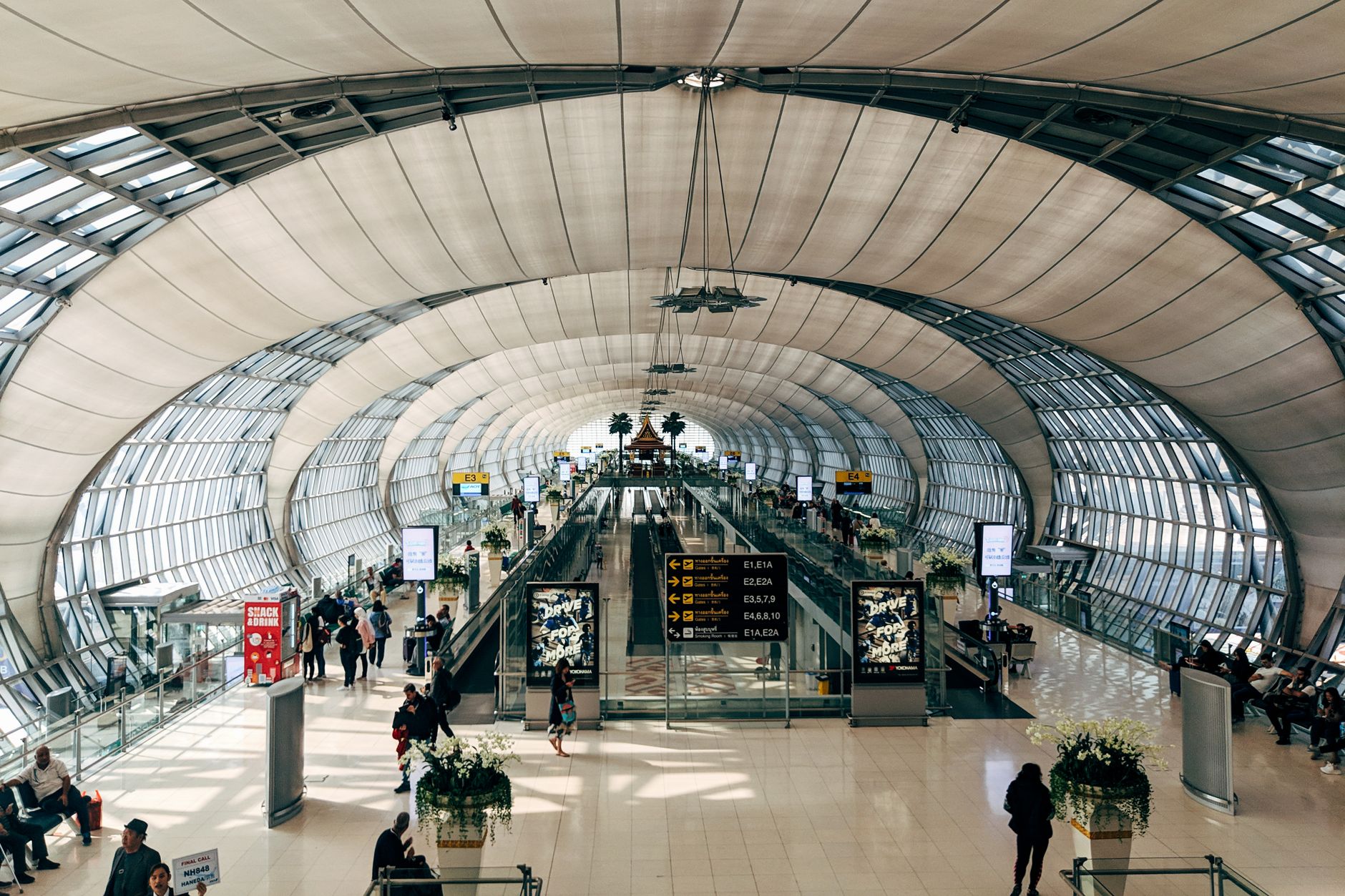
On October 1, 2026, facilities trade press reported that Flagship Aviation Services and SoftBank Robotics America continued expanding autonomous floor care at major U.S. airports. The program grew from about 100 cleaning robots across 15 locations to more than 200 robots across 25 locations in under two years.
The announcement matters beyond aviation. Any large building with mixed flooring, tight cleaning windows, and passenger or customer traffic faces the same tradeoff: keep standards high without pulling every janitor into wide-aisle scrubbing during peak hours.
Flagship positions the fleet as support for human teams, not a replacement. Restrooms, gates, and detail work still need judgment. Robots absorb repetitive sweep and scrub miles.
How much work has the airport fleet logged?
According to the October 2026 FMLink report, the expanded program surpassed 100,000 operating hours and was approaching 500 million square feet cleaned since the partnership launched in 2024.
The same article states the autonomous fleet now cleans nearly one million square feet per day on average. That daily figure is the metric non-airport leaders should steal for internal dashboards.
Square footage per day is easier to defend in budget meetings than robot count alone. It ties capital to output your GM already understands.
Compare your manual baseline the same way before you add a second unit. Hours saved without footage proof invites skepticism from finance.
Why do airports mix sweepers, scrubbers, mops, and vacuums?
FMLink notes Flagship uses the full SoftBank Robotics America cleaning portfolio so teams can match modality to surface. Sweeping handles debris in wide concourses. Scrubbers address hard tile. Mopping and vacuuming cover carpets and transitions.
Terminals are not one floor type. Neither are hospitals, casinos, or big-box stores. A single scrubber cannot vacuum carpeted club lounges or pick dry litter before wet scrubbing.
Portfolio thinking reduces the temptation to force one machine through every zone. It also clarifies service contracts: different modalities need different water, pad, and filter schedules.
When you spec a pilot, list floor types by square footage first. Machine categories follow the map, not the reverse.
How do robots run during peak passenger traffic?
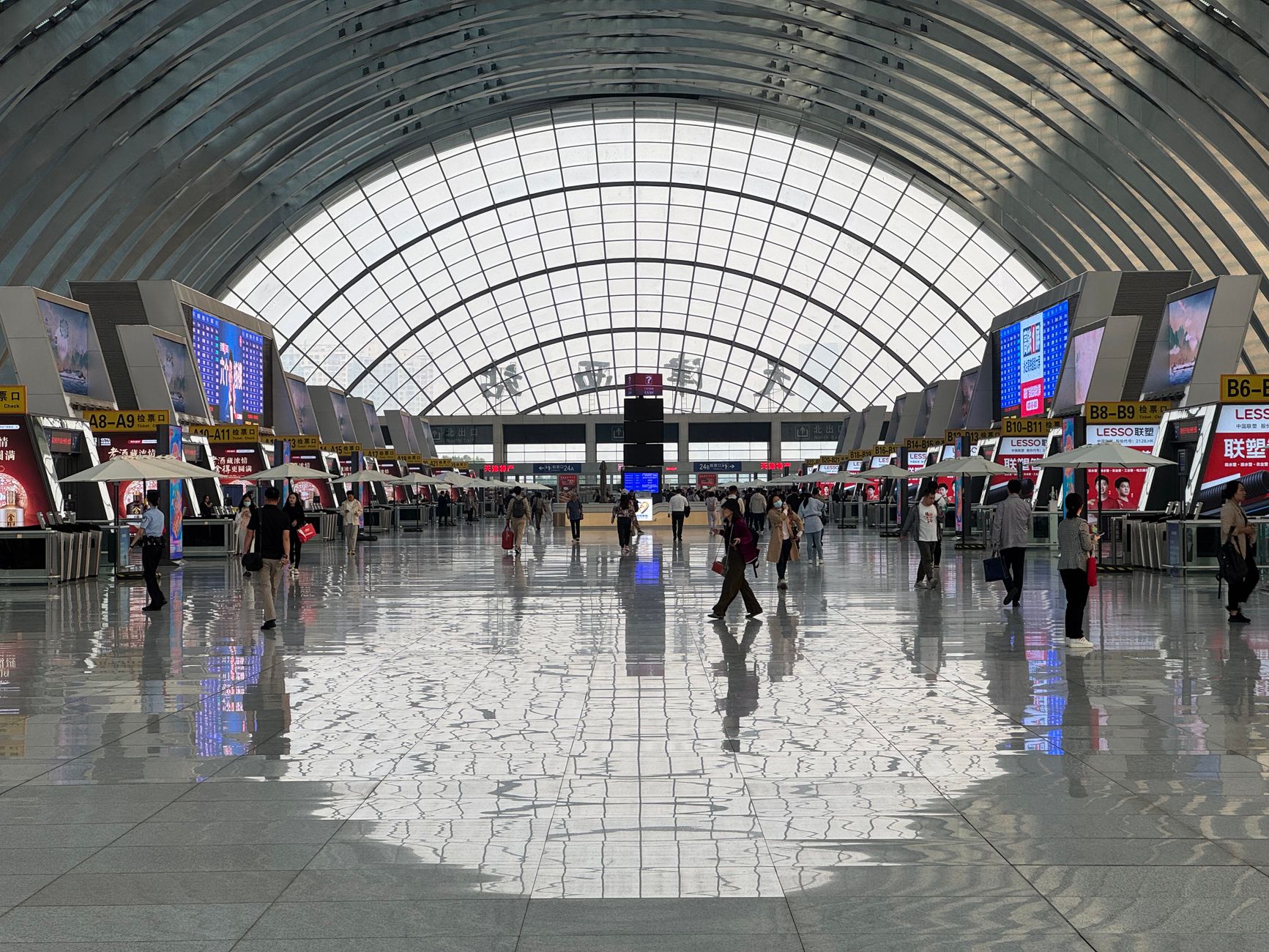
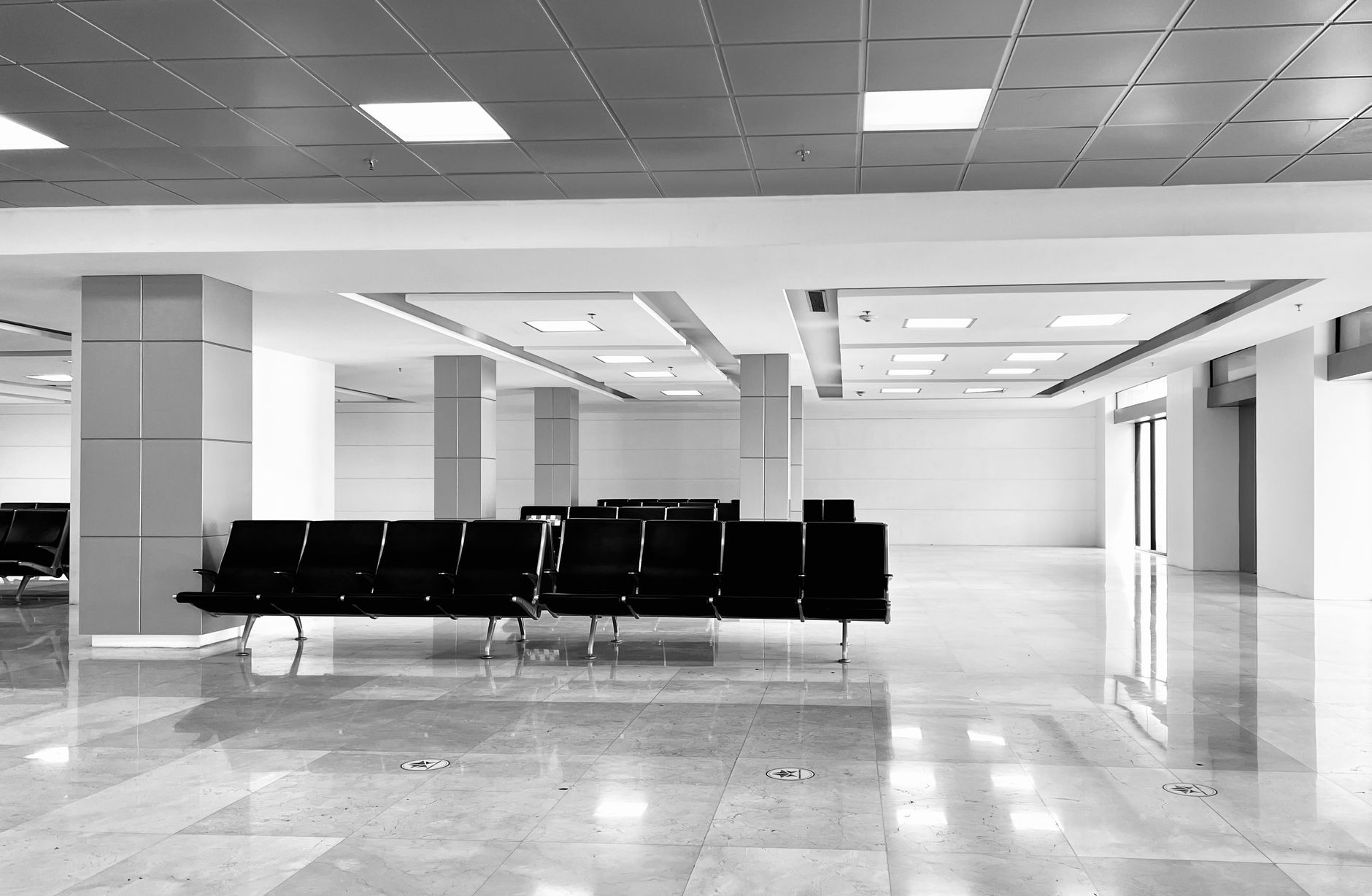
The October 2026 report says robots can operate around the clock and safely clean alongside travelers, including during peak periods. That claim only holds if routes, speeds, and escalation rules are mapped with operations.
Peak coexistence is harder in a grocery aisle than a concourse, but the principle is identical. Slow zones, audible alerts, and staff escorts during the first month prevent the public from treating the unit as a photo prop.
Flagship emphasizes consistent standards tied to standard operating procedures while staff focus on high-touch areas. Copy that split: robots own the repeatable square footage, people own exceptions.
Document every peak-hour abort. If aborts cluster at one gate or checkout lane, the map needs a detour, not a louder siren.
What makes airport cleaning windows so tight?
Airports combine high passenger volume, expansive floor area, limited overnight windows, and shifting traffic patterns, according to the FMLink summary. Those constraints are not unique to aviation.
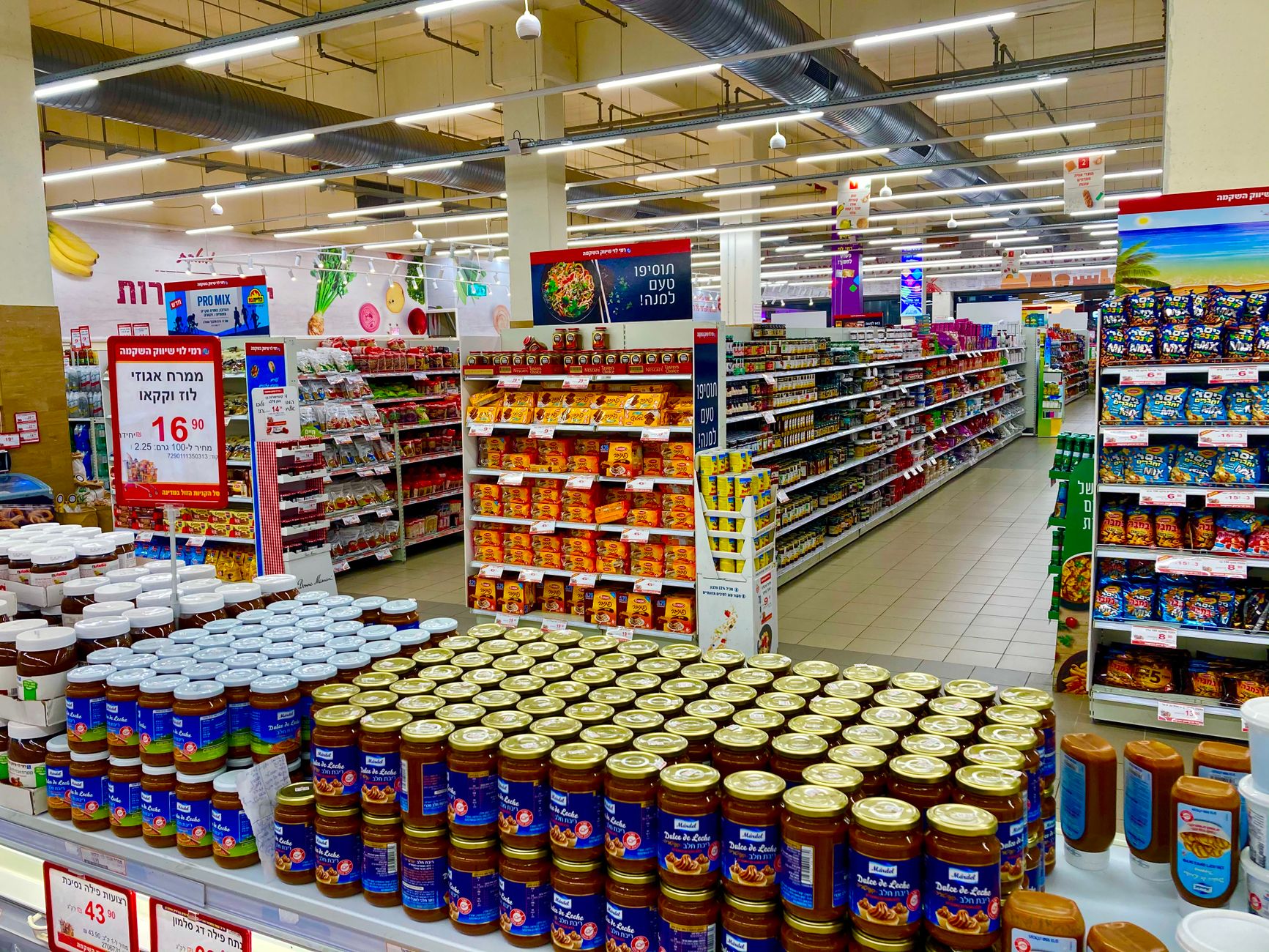
Convention centers see the same spike before keynote hours. Hospital lobbies compress cleaning between morning clinic rushes. Retailers fight Black Friday footprints on polished tile.
Autonomous schedules work when leadership agrees on the true cleaning window. A robot scheduled for 2 a.m. but blocked by freight deliveries will fail the program before month two.
Run a one-week time study on foot traffic before you lock routes. Airport programs succeed because Flagship aligned robots with real SOPs, not wishful quiet hours.
How fast did Flagship scale the program?
FMLink reports Flagship doubled robot count and airport footprint in under two years after the 2024 partnership start. That pace implies standardized onboarding: mapping templates, training kits, and spare parts logistics reused across sites.
Smaller operators can copy the playbook without doubling every quarter. Phase one site proves square feet per day. Phase two reuses charger placement rules and escalation phone trees.
Scaling too fast without spare units creates downtime headlines. Flagship's numbers suggest they treated autonomy as a fleet, not a single trophy purchase per terminal.
Ask your integrator for a phased rollout timeline with explicit gate criteria between phases. Airports are unforgiving; so are hospital administrators.
What should warehouses and casinos take from this story?
Warehouses often start with one scrubber for aisles. Casinos mix carpet, tile, and food service spills in one property. Both benefit from defining which modality owns which zone before finance signs.
The Flagship announcement is not a mandate to buy SoftBank units. It is evidence that the winning programs treat floor care as a portfolio tied to measured output.
Security patrol robots and delivery bots are separate conversations. Floor care still underpins slip-and-fall risk and guest perception.
If you already run a scrubber pilot, add a debris metric. Pre-sweep or vacuum passes may unlock higher scrubber uptime on gritty entries.
Where does a vendor-neutral integrator help?
Flagship partners with SoftBank Robotics America for this aviation program. Your site may need a different scrubber OEM, a carpet vacuum from another line, and an AMR in the back of house.
Service Robot Co. selects robots across manufacturers, structures purchase or lease financing, maps facilities, trains teams, and supports fleets through RoboCare with a nationwide network of regional service engineers.
Public reporting names Flagship and SoftBank. It does not name Service Robot Co. We help other operators benchmark airport-scale discipline on a single campus or a regional warehouse network without assuming one brand fits every floor.
What metrics should you track in the first 90 days?
Log autonomous square feet per day and compare it to the Flagship public benchmark of nearly one million across the fleet. Your target will be smaller but should trend up as maps improve.
Track operating hours per robot per week. Stagnant hours usually mean routing conflicts, not mechanical failure.
Measure staff time shifted to restrooms, gates, or pick lanes. The airport story wins when humans visibly upgrade high-touch work.
Count passenger or customer interactions that stop a route. Social acceptance data belongs beside technical uptime.
After 90 days, decide whether to add a second modality or a second machine. Let footage and hours guide the choice, not vendor slide decks.
Frequently asked questions
Sources
Service Robot Co. is not affiliated with, sponsored by, or endorsed by the companies mentioned in this article.