Key takeaways
- Public vendor material we reviewed gives no clearance distance for flagsticks or yardage stakes, so the crew sets its own and tests it.
- Toro says its fairway mower stops at an obstacle and usually resumes once the obstacle moves away, so resumption is not guaranteed.
- If an obstacle stays put, Toro says the supervisor gets a text alert through the GeoLink Mow app.
- Set exclusion zones and pass-by rules hole by hole before the first mower pass, not after the first hit.
- Walk every green and tee before each tournament round, especially after rain or wind.
Do robot mowers stop for flagsticks and yardage stakes?
Yes, once the sensors see them. Toro says its GeoLink fairway mower stops when it detects an obstacle and usually resumes normal operation once the obstacle moves away. That word usually is a hint that resumption is not promised, so crews should not treat it as a guarantee. Checked as of November 2026.
Trade coverage of Toro's system lists LiDAR, radar and sonar sensing, and one Golf Course Industry article also mentions pressure sensors. John Deere's 7500A preview described two sensor towers, front and back, that slow the mower at an obstacle and stop it if the object stays put.
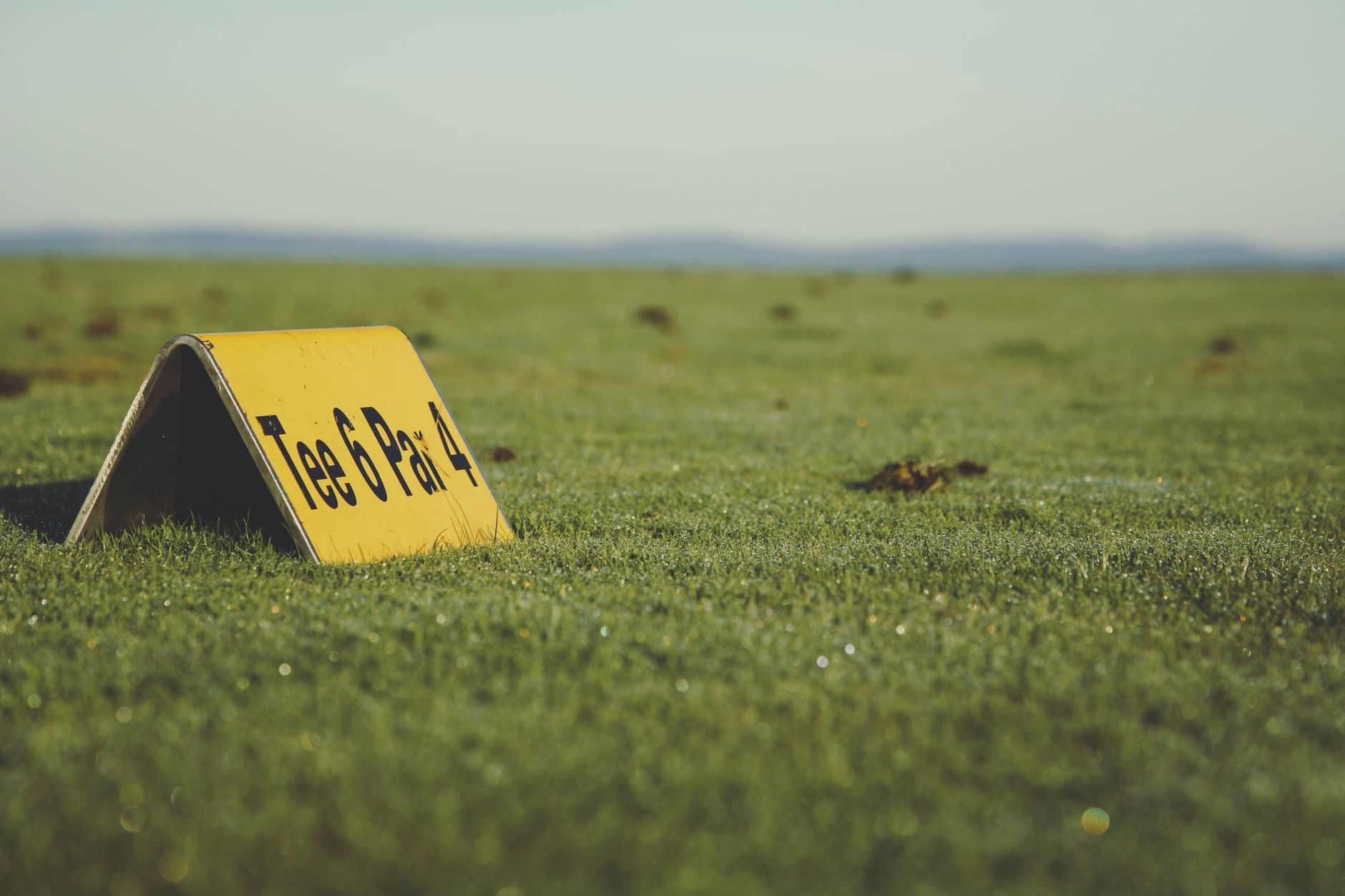
Flags and stakes are the awkward case. They are thin, they sit where routes converge at greens and tees, and a stationary object is exactly what triggers a hold. The public vendor material we reviewed gives no clearance distance for flagsticks, cups, yardage stakes or tee markers. Those numbers belong to your course, and the crew sets them.
Which hole markers should the crew map first?
Start with anything that stands above the turf and sits outside the mowing plan. On most courses that is a short list, and it is worth walking the whole property once with a notebook.
- Flagsticks and cups in each green, where the mower's turns are tightest
- Yardage stakes and distance markers beside tees and fairways
- Tee markers and ball washers at the collar of each tee box
- Irrigation risers, sprinkler heads and any temporary tent or staging stakes
Are thin markers harder for the sensors to read?
Thin items are the hard ones. A Carnegie Mellon project set a goal of detecting objects as small as a golf ball without false positives. The project page now describes it as no longer active, so small-object detection is something to test on your turf, not assume from a brochure.
How should a clearance around each marker be set?
Set it by test, not by guess. Measure the footprint of each stake or flag, add the mower's width where it passes, and then leave a margin for flags that lean when the wind comes up. Run the first test on a calm dry morning, then repeat it on a windy one.
Tradeoffs run both ways. A wide clearance leaves a strip of uncut turf around every stake, and on a tournament green that strip shows. A tight clearance risks a stop in the middle of a pass, and a hold at the wrong moment costs the crew a rerun. Choose the width that keeps the stripe clean and the mower moving.
Put the vendor on the hook too. Ask for the detection behavior of the mower model you are considering, in writing, including what happens at a marker that is only partly in view. A vendor that cannot answer that question has not answered yours.
What pass-by rules keep the mower clear of hole markers?
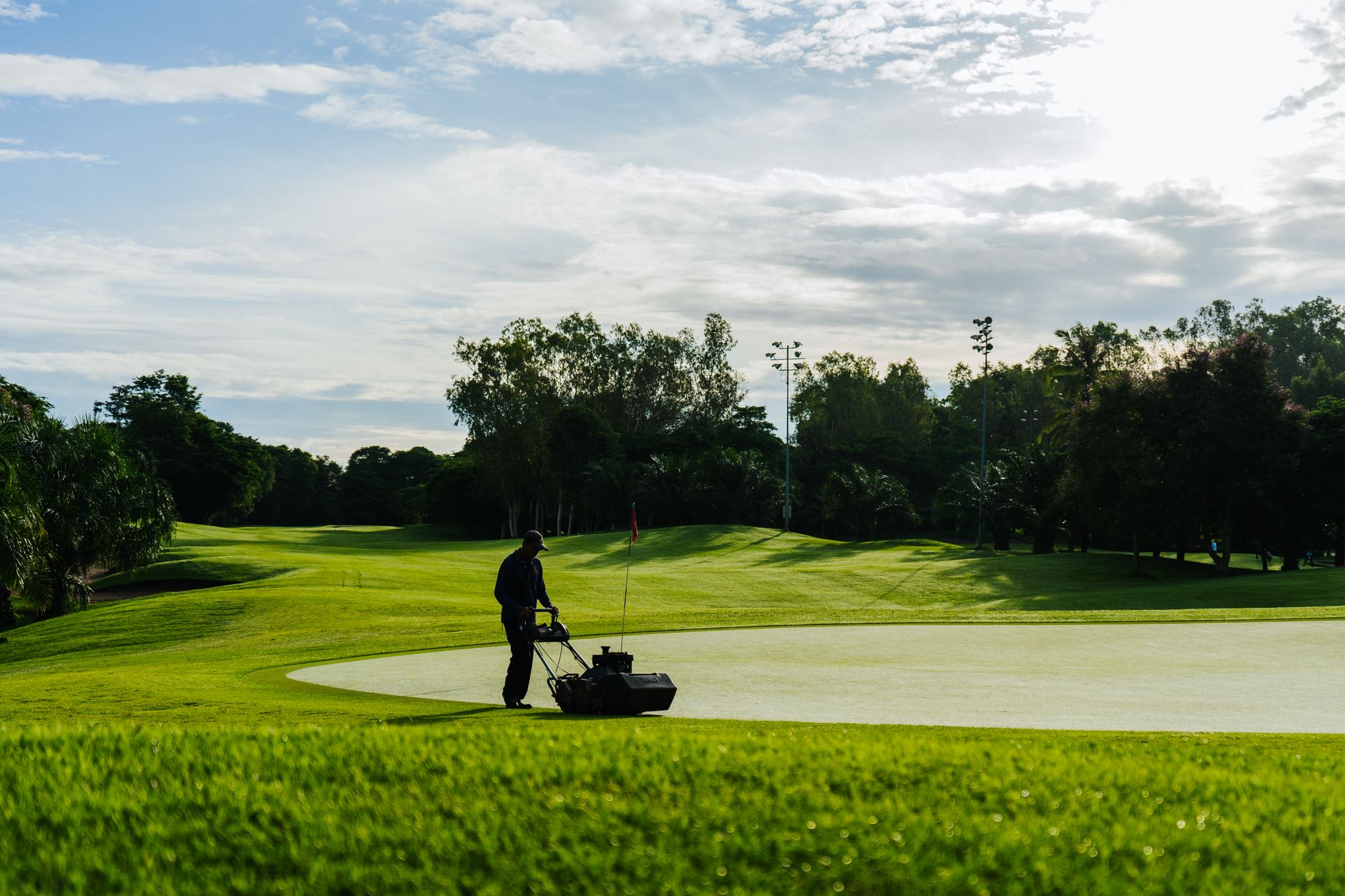
Pass-by rules govern how the mower behaves near a marker, not only whether it stops. A Blue Ash Golf Course report, which is customer-reported, describes mowers that stop for an obstacle, go around it, use a geofence and sound an alarm if they leave the marked area. The geofence idea is the part to copy.
Draw an exclusion zone around each marker, then route passes so the zone never blocks the line across a green. Approach each flagstick from the same side on every pass, so the crew can predict the pattern and spot drift. Write these rules hole by hole, because a stake at one tee does not sit the way a stake at another does.
What should the crew look for before a round?
A walk before each round catches what a sensor may miss. Look for flags that have leaned or dropped, cups sitting proud of the surface, stakes pulled by a storm or a cart, and tee markers shifted off their spots. Rain loosens markers that were secure the day before.
Walk in the direction the mower will travel, at the same time each day. The check then matches the route, and a marker that moved overnight shows up where the machine will meet it.
What is the daily checklist for tournament weeks?
Run this list every morning of the event, and log the result before the first tee time.
- Walk every green and tee for flags, cups and markers before the first mower pass
- Confirm each exclusion zone in the mower app sits on the marker's real position
- Re-check markers after rain, wind or cart traffic, not only at dawn
- Log every hold with the hole number and time, so patterns show up in the week's record
- Confirm the supervisor's phone receives test alerts before the first tee time
- Move any temporary tournament item that sits on a mowing route
How do holds and alerts reach the supervisor?
Toro says that when an obstacle stays put, the machine alerts the supervisor by text, and monitoring runs through the GeoLink Mow app without line of sight to the machine. A Golfdom article in its November and December 2025 edition says the mower texts the supervisor automatically when an issue arises.
An alert only helps if someone answers it. Name one person for each tournament day, and make that person responsible for clearing a hold, checking the marker and logging the result.
Where does a site assessment fit into marker clearances?
Service Robot Co. is OEM-neutral. We pick the mower that fits your course across manufacturers, deploy and integrate it, train your crew, and service each unit under RoboCare, backed by regional service engineers in every state we service.
The site assessment is the right place to map hole markers, draw exclusion zones and write pass-by rules with your superintendent. We lease the robot through financing on a 3-year lease, with one fixed payment quoted after that site assessment, so clearance decisions are on paper before the first round.
Frequently asked questions
Want a robot working for you?
Tell us the job and the site. We will recommend the robot, quote the lease, and keep it serviced.
Sources
- Toro GeoLink Solutions Autonomous Fairway Mower Series
- Toro autonomous commercial mowing
- Golf Course Industry, Part 2: Execution
- Golfdom, November/December 2025 edition
- Golfdom, John Deere 7500A preview
- Blue Ash Golf Course
- Carnegie Mellon Automated Turf Management project
- Golf Business News, Toro and Reesink autonomous mower fleet