
Key takeaways
- Four-ball leagues keep two active balls on reachable holes longer than a single foursome.
- Partner alternate shots spread carts across fairway panels robots use for long loops.
- Shared-corridor holds should release on geofence rules, not tee-time math alone.
- Starters and turf monitors need one hold sheet for four-ball mornings.
- Service Robot Co. can map four-ball buffers during vendor-neutral fairway robot deployment.
Why four-ball mornings change fairway robot timing
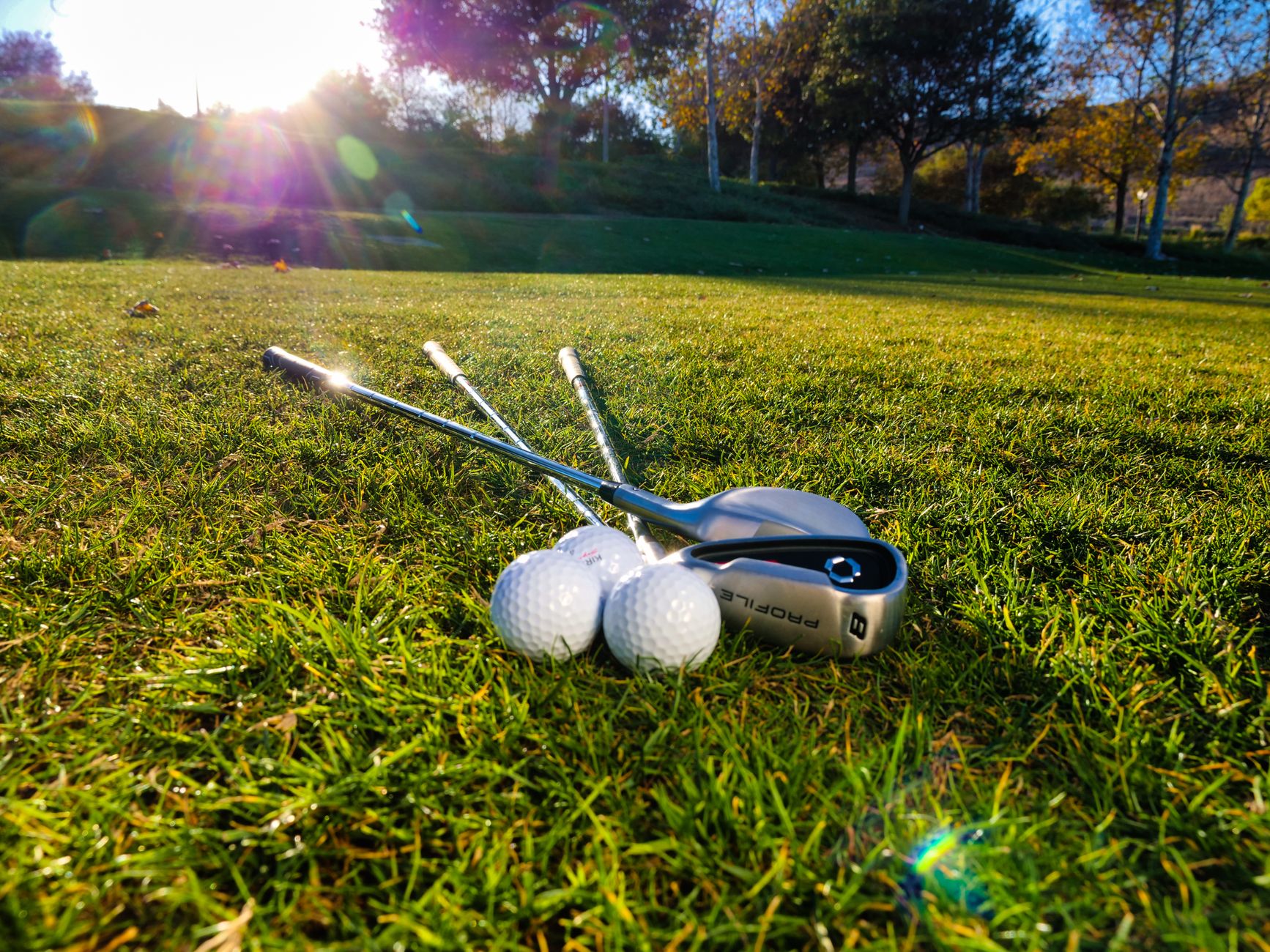
Four-ball league play pairs two teams on one card, so reachable holes often carry two balls at different stages of the hole.
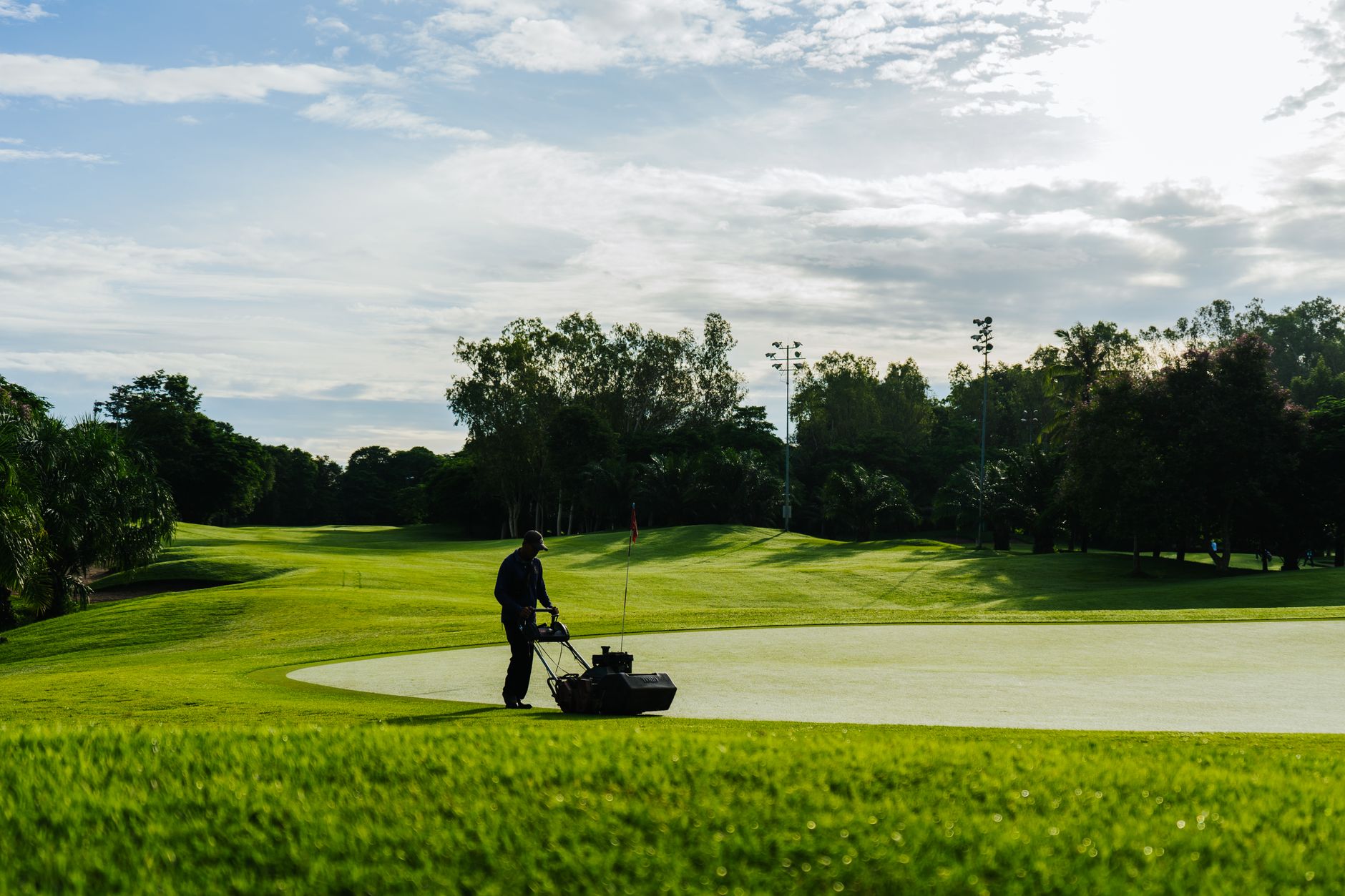
Autonomous fairway mowers follow mapped loops that cross the same grass partners use for drives, layups, and recovery shots.
According to the USGA, players should make a stroke in no more than 40 seconds when able to play without interference, yet four-ball etiquette still pauses partners while scores get compared on the fairway.
Your shared-corridor hold plan must assume both balls will visit the same panel before robots finish a long pass.
A weekday maintenance map can fail on the first four-ball tee block when the pro shop sells a full morning card.
Superintendents who map only for single-ball foursomes often get surprised when a second ball arrives on a connector fairway robots still need for a finishing cut.
Superintendents who map only for single-ball foursomes often get surprised when a second ball arrives on a connector fairway robots still need for a finishing cut.
Superintendents who map only for single-ball foursomes often get surprised when a second ball arrives on a connector fairway robots still need for a finishing cut.
Superintendents who map only for single-ball foursomes often get surprised when a second ball arrives on a connector fairway robots still need for a finishing cut.
Superintendents who map only for single-ball foursomes often get surprised when a second ball arrives on a connector fairway robots still need for a finishing cut.
Partner pace on reachable par fours and fives
When both teams can reach a par five in two, carts may stop on the fairway while partners decide who hits the next shot.
Alternate shot holes spread players across the width of the fairway, which widens the zone robots must treat as occupied.
Mark those holes with polygons that cover both landing areas, not only the cart path edge.
Log which holes produced conflicts during week one, then widen buffers before week two.
Build the morning hold sheet before four-ball season
Import the league card with tee times, crossover nines, and any guest days the pro shop adds mid-season.
Flag holes with blind landings where the second ball cannot see the first group clear the corridor.
Post hole numbers at chargers and in the starter shack so robot operators read the same list as starters.
Share the sheet with the professional staff so makeup rounds use the same geofences as league day.
Note crossover nines on the sheet so holds cover connectors both starting waves will use.
Note crossover nines on the sheet so holds cover connectors both starting waves will use.
Note crossover nines on the sheet so holds cover connectors both starting waves will use.
Note crossover nines on the sheet so holds cover connectors both starting waves will use.
- Reachable par fives where two balls lay up on the same side
- Short par fours with split fairways and partner alternate shots
- Par threes where both teams gather on the tee while the prior group putts
Alternate shot traffic league monitors should watch
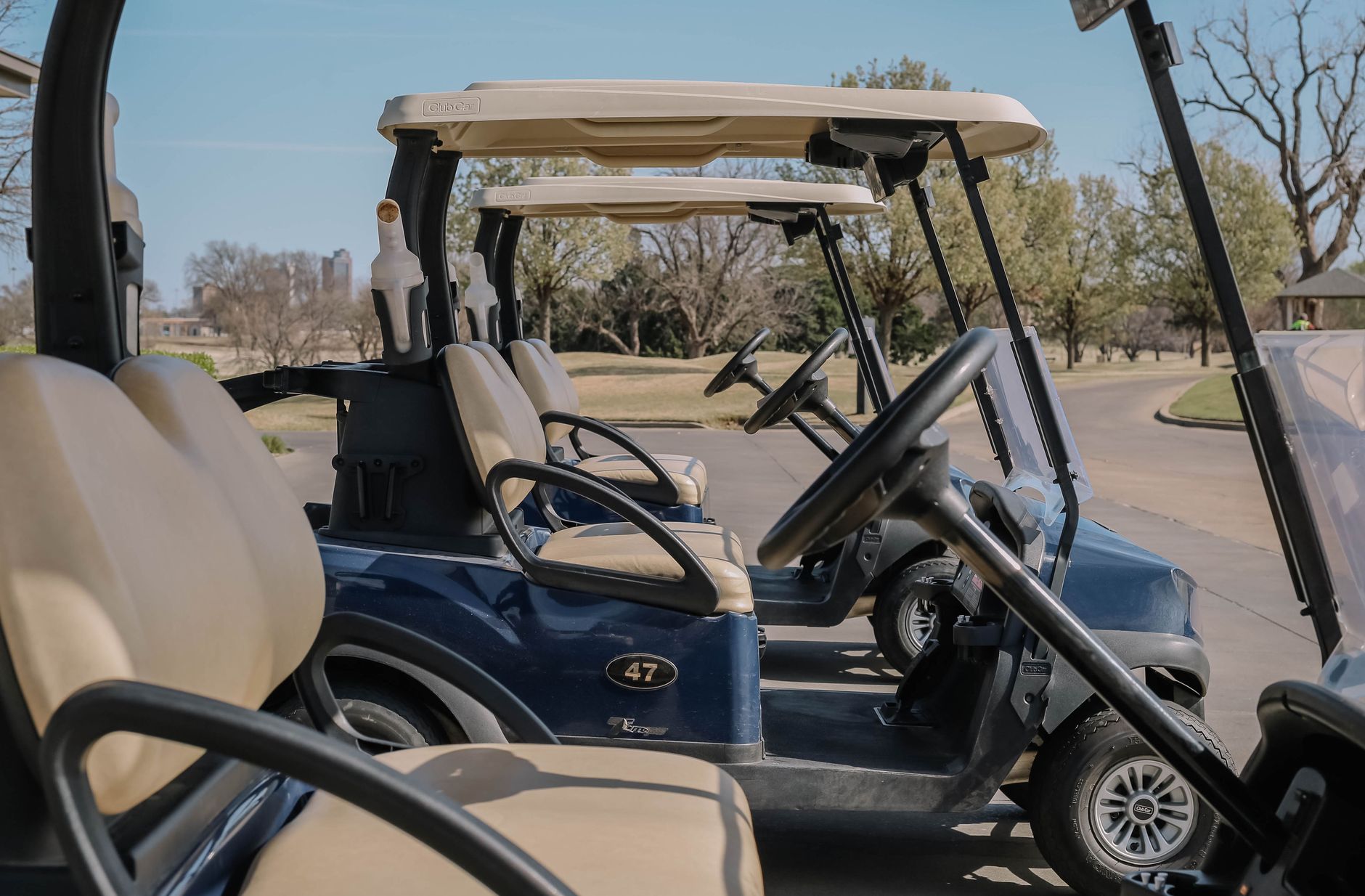
Partners often ride together to a ball while the other team walks ahead, which stretches cart spread.
Watch for teams that switch balls on the fairway while the following tee time is on the clock.
USGA guidance encourages ready golf in stroke play when safe, but league culture may still pause for rules questions on whose turn it is.
Widen geofences on elevated tees where players gather to watch partner shots.
Radio the shop when a match runs hot because partners may chase flags on holes robots still need for a long pass.
Radio the shop when a match runs hot because partners may chase flags on holes robots still need for a long pass.
Radio the shop when a match runs hot because partners may chase flags on holes robots still need for a long pass.
Radio the shop when a match runs hot because partners may chase flags on holes robots still need for a long pass.
Radio the shop when a match runs hot because partners may chase flags on holes robots still need for a long pass.
Geofenced releases before two balls clear mapped paths
Release robots only when the dashboard shows no carts inside the polygon for that segment.
Add a trailing buffer after the last cart exits so a late rider does not meet a mower entering from a dogleg.
If your platform supports staged release, clear the exit corridor first, then the inbound transit leg on the next hole.
Never rely on tee-time math alone when the pro shop allows walk-ons for makeup four-ball rounds.
Who calls the hold on four-ball mornings
Starters own tee flow and should radio maintenance when the last morning group clears a league corridor.
Turf monitors own robot dashboards and should not lift a hold without starter confirmation on busy league weeks.
The pro shop should flag guest days that add extra cards to the same format.
Print a one-page hold sheet each league day with hole numbers and who can authorize release.
Where buy or lease support fits fairway programs
Service Robot Co. stays OEM-neutral, then lines up buy or lease financing, site mapping, crew training, and nationwide service through one partner.
Integrators can import four-ball hold templates and tune geofences after the first month of league play.
A single contact for deployment and RoboCare support helps when formats or tee blocks change mid-season.
Clubs that pilot one unit often expand after they see how much manual mowing shared-corridor holds still require on league weeks.


