
Key takeaways
- W. Gessmann reported in September 2026 that a GESSbot at SLK Klinikum Heilbronn moves medications from central pharmacy to oncology.
- The hospital cites more than 680 completed deliveries and over 165 kilometers traveled while normal operations continued.
- The robot uses public hallways and regular passenger elevators without restricted zones or special tracks.
- Gessmann lists payload options up to 350 or 500 kilograms depending on model configuration.
- U.S. sites can pair pharmacy AMR loops with overnight scrubbers when one integrator owns both workflows.
What is SLK Klinikum Heilbronn running today?
In September 2026, W. Gessmann GmbH announced that SLK Klinikum Heilbronn operates a GESSbot autonomous mobile robot between the central pharmacy and the oncology department. The robot travels through public hospital areas alongside patients, visitors, and staff.
The deployment is live operations, not a cordoned demo wing. Gessmann states the unit uses regular passenger elevators and existing infrastructure rather than dedicated robot tunnels.
For U.S. facility leaders, the headline is familiar: long internal distances consume nurse and pharmacy tech minutes that never show up on a patient satisfaction survey until something is late.
How much work has the GESSbot logged?
According to Gessmann's September 2026 release, the GESSbot completed more than 680 medication deliveries and covered over 165 kilometers autonomously while the hospital remained open.
Those two numbers belong in every internal pilot scorecard. Delivery count proves repeatability. Kilometers prove the routes are real hallways, not a shortcut through an empty conference wing.
Compare your manual baseline the same way: count trips and measure walking distance before you promise clinical directors a go-live date.
If your discovery interviews only capture minutes per trip, add a step counter or badge swipe log for one week. The distance figure often surprises leadership.
Why does pharmacy-to-oncology matter?
Oncology units depend on time-sensitive medications and supplies. Every extra handoff between pharmacy prep and infusion adds risk and noise on busy floors.
Gessmann positions the GESSbot on that pharmacy-to-oncology corridor because it is high friction and high visibility. Success there buys trust for linen, meals, or lab specimens later.
U.S. hospitals with pneumatic tube gaps in older pavilions face the same geometry. A mobile carrier closes distance without pouring concrete for new tube runs.
Start with the route nurses complain about loudest. Expansion follows credibility, not a vendor slide deck.
How does elevator use change the integration plan?
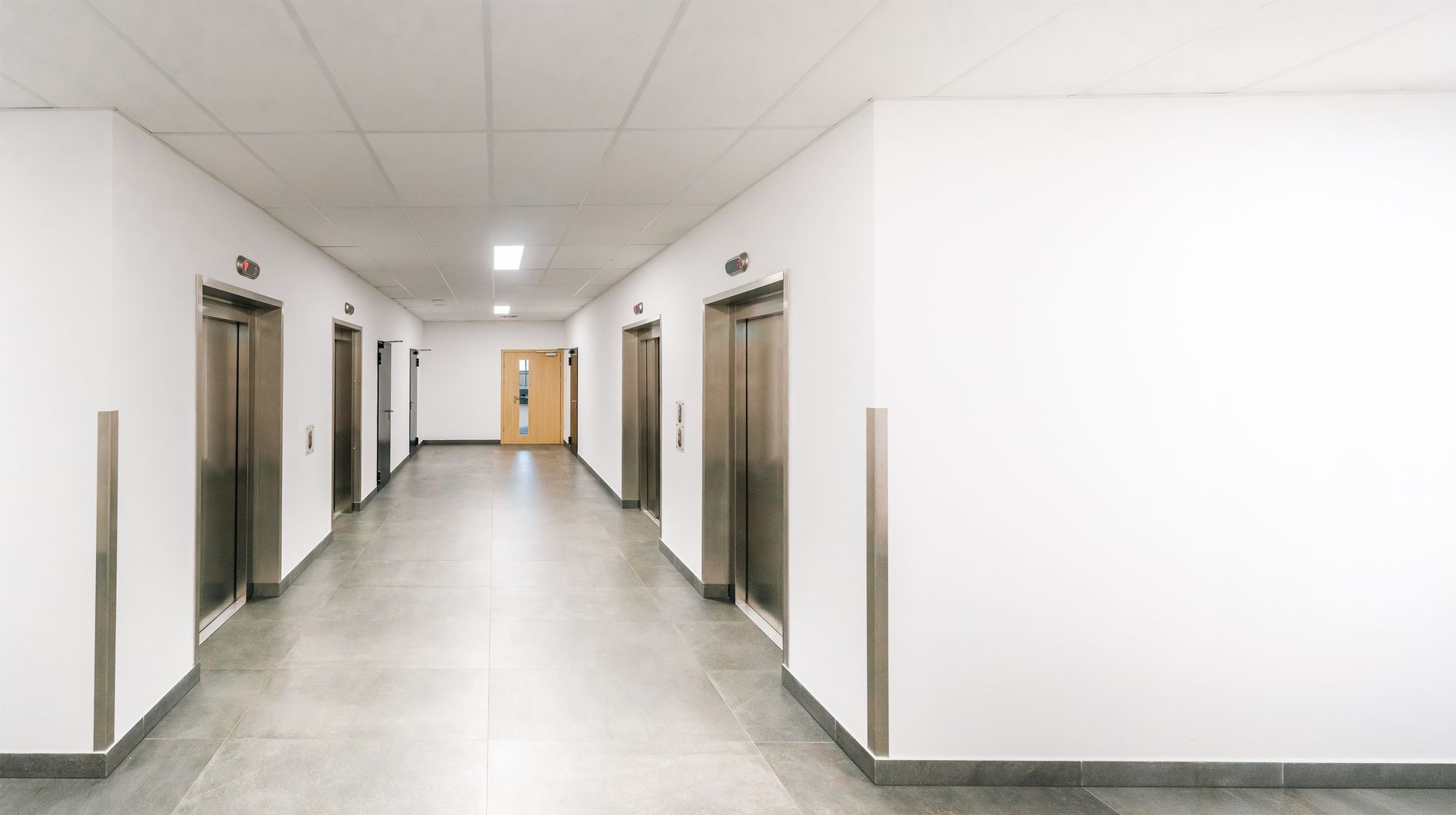
Gessmann emphasizes independent use of passenger elevators across multiple floors. That is the hard part of hospital AMRs compared with a warehouse pilot that never leaves the ground level.
Elevator priority, door hold timing, and fire-panel coordination belong in the facilities charter, not only the robotics statement of work.
Relay Robotics made similar integration claims at U.S. hospitals in 2026, which shows the pattern is vendor-agnostic. The building systems are the gating item.
Budget eight to twelve weeks for mapping and IT handshakes when vendors quote hospital timelines. Blountstown-sized clinics still need elevator rules if they occupy a multi-floor medical office building.
What payload and aisle constraints does Gessmann publish?
Gessmann states that depending on model, GESSbot units can move payloads up to 350 or 500 kilograms and navigate narrow aisles.
Medication totes are lighter than linen carts, but the published range signals the platform is not limited to pill packs. Meal trays and supply cages may fit the same navigation stack.
Verify weight and center of gravity for your actual carts. Vendor maxima assume even loading and approved hitch hardware.
Narrow aisle claims still need a measured width at your worst doorway. Oncology prep areas often squeeze beside infusion chairs.
What did hospital leadership say about staff time?
Stephanie Haußmann, managing director of SLK-Service GmbH, told Gessmann that long distances force employees to travel considerable distances daily for supplies and medications. She said the GESSbot removes that burden so staff can focus on patient care.
Steffen Kuhnle, head of robotics at Gessmann, framed the goal as logistics that works amid everyday foot traffic, not under ideal empty halls.
Copy those quotes into your steering committee deck as outcomes, not technology adjectives. The win is minutes returned, not robot novelty.
Survey clinical staff after month one with one question: did the robot change who walks the pharmacy loop? Shadow walking defeats the business case quickly.
How does medication AMR work next to floor scrubbers?
Scrubbers optimize for water recovery and repeated tile coverage. Pharmacy AMRs optimize for secured payloads and elevator handshakes.
Run scrubbers overnight and AMRs during steady-state hours when possible. Wet floor tape and delivery bots should not share a corridor without a schedule.
Infection prevention will ask about sanitizer compatibility on AMR handles and pharmacy latches. Answer before go-live, not after a failed audit walkthrough.
One integrator can finance both modalities, but the service plan should name different consumables and filter schedules per machine type.

Where does a vendor-neutral integrator fit?
Gessmann builds the GESSbot. Your U.S. site may also evaluate Relay-class delivery units, Pudu or Gausium scrubbers, or patrol robots for parking courts.
Service Robot Co. selects robots across manufacturers, structures purchase or lease financing, maps facilities, trains teams, and supports fleets through RoboCare with a nationwide network of regional service engineers.
Public reporting names Gessmann and SLK Klinikum Heilbronn. It does not name Service Robot Co. We help other operators benchmark Heilbronn discipline on domestic pilots without assuming one OEM fits every job.
What should U.S. teams measure in the first 90 days?
Track completed pharmacy-to-unit trips per day against the 680-delivery proof point Gessmann cites as early evidence from Heilbronn.
Log elevator wait time as its own field. Facilities owns those delays even when the robot navigation stack is healthy.
Measure kilometers or miles per week autonomously. Distance validates that routes are not cherry-picked shortcuts.
Count trip aborts caused by crowded elevators or visitor congestion during visiting hours.
After 90 days, decide whether to add meal or linen routes. Let trip success and staff surveys drive the sequence, not vendor roadmaps alone.
Frequently asked questions
Sources
Service Robot Co. is not affiliated with, sponsored by, or endorsed by the companies mentioned in this article.