Key takeaways
- Consumer threshold figures of 15 to 20 mm are a starting point, not a rating for your clubhouse carpet.
- Measure the real vertical rise at every doorway, sill and rug edge before any unattended run.
- The gap between lunch breakdown and member dinner setup is the practical window for a floor robot.
- Carpet limits and threshold ratings are separate checks, so test both on your own floor.
- A robot lifts loose soil. Set-in stains and deep soil still call for an extractor.
Can a vacuum robot run clubhouse dining and lounge carpets?
Yes, for routine vacuuming, and only after the room has been tested. A vacuum robot suits the light, daily soil that gathers in a clubhouse dining room and lounge between services. It does not replace the extractor that keeps carpet looking settled over years of traffic.
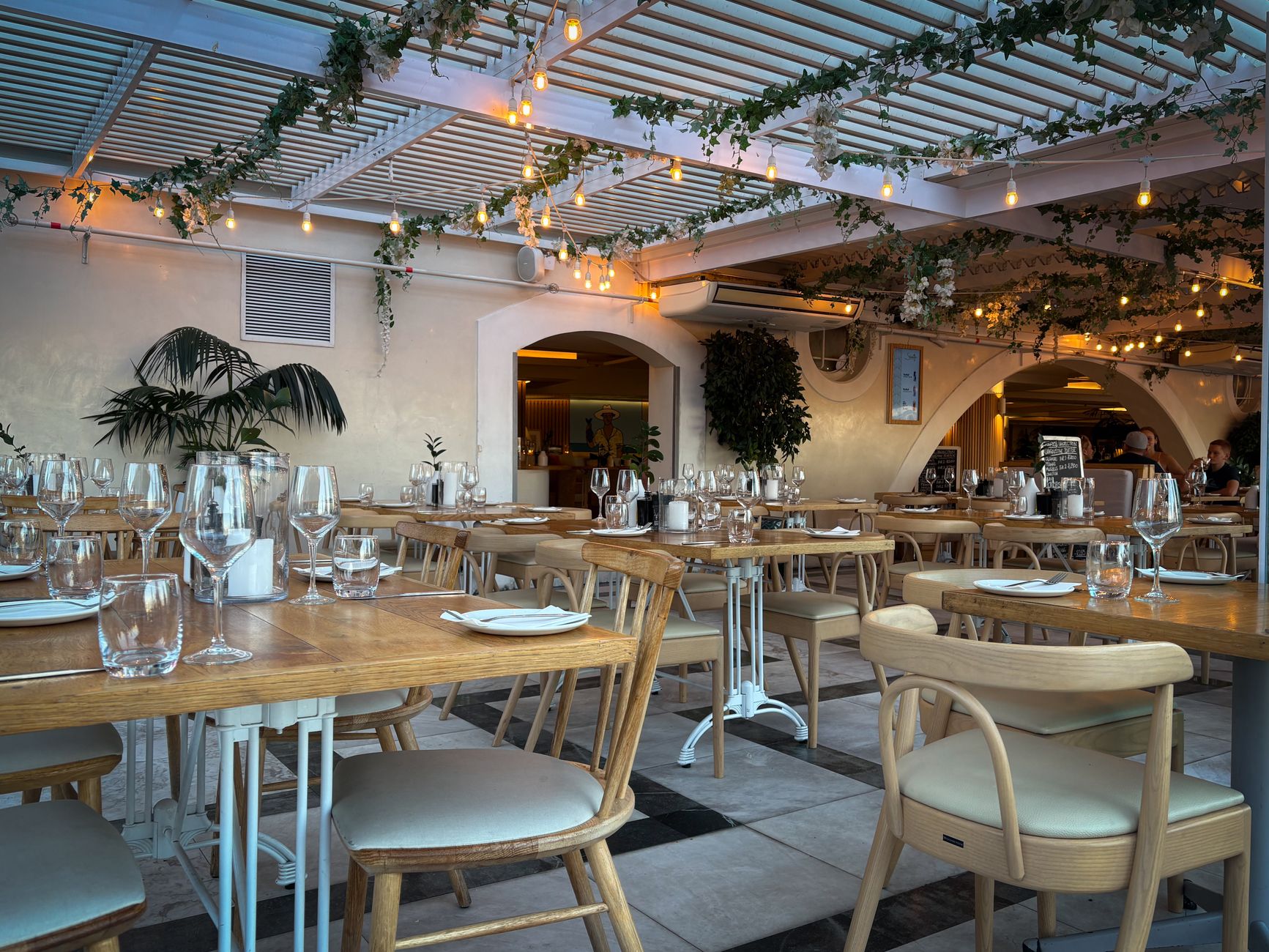
The practical window is the gap between lunch breakdown and member dinner setup, when tables are cleared and the bar can cover the floor line. The failure points are predictable: a unit that stalls at a sill, snags on a rug fringe, or runs over a cord. Each one can be tested before the first unattended pass.
A caveat up front. Public material on commercial carpet robots is thin. Our search turned up no independent field deployment of a robotic vacuum on restaurant or clubhouse carpet, and no independent carpet performance data. The figures below come from vendors and consumer guides, so treat them as starting points for your own floor.
Why the lunch to dinner gap suits a floor robot
Dining traffic is the reason robots run late. A floor cleaning vendor describes Keenon's KleenBot C40 as using LiDAR, a stereo camera and ultrasonic sensing to map and move through dense dining layouts. The same vendor says peak dining traffic limits cleaning windows (Knox Labs product page, checked November 2026).
That vendor also says noisy units are generally run after hours or in vacated halls. A clubhouse seldom empties completely, so the gap is a judgment call. One sensible sequence is to run the lounge first while the dining room is being reset, then move to the dining room once chairs and linens are clear. Log every pass for the first two weeks.

What thresholds should you test first?
Consumer guides put typical threshold climbing at about 15 to 20 mm, roughly 0.6 to 0.8 inches. Ecovacs gives that range and describes it as typical, not a rating for every model. A consumer model from eufy is listed at climbing single thresholds up to 3.5 cm, about 1.38 inches. Those are home machines on home floors, so the figures show where to begin, not what a commercial unit will clear.
A consumer guide from Smart Robot Reviews notes that threshold ratings depend on the sill's shape. The number that matters is the vertical rise the wheels must climb, so measure that on the floor and set the marketing claim aside.
- Measure the vertical rise at each doorway between dining room, bar, service corridor and lounge, including the sill under any door that swings across carpet.
- Note the lip shape. A rounded threshold and a square-edged metal strip are different tests, even at the same height.
- Watch the carpet to tile edge at the bar rail and service station, where a stall more often happens than in the middle of a room.
- Run each threshold at least twice and log any stall, reverse or wheel slip.
How do rug edges and carpet limits change the plan?
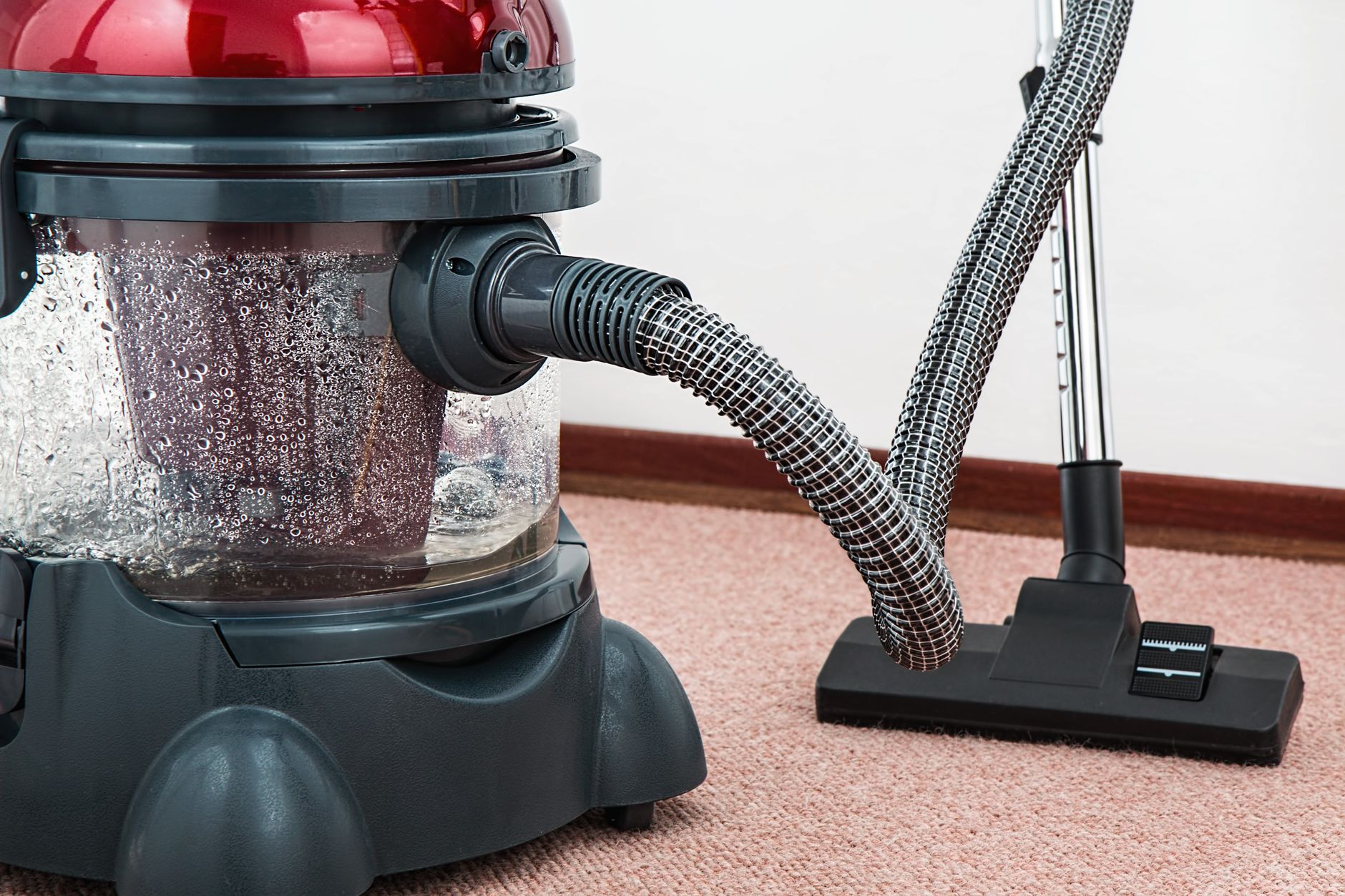
Carpet limits are a separate check from threshold ratings. Narwal's guide says the two should be verified on the manufacturer's sheet, since a unit can climb a sill and still be wrong for a dense pile or a thick pad. Ask the vendor which carpet constructions the unit has run on in rooms like yours, and get that answer in writing.
Rug edges are the usual trap in a dining room. Fringed, tasseled or curled rugs can fold under a wheel or catch a side brush. Test each rug edge at the speed you plan to run, then either lift the rug during the robot window or mark it as an off limits zone on the map.
How often does clubhouse carpet still need an extractor?
Sources disagree, which is useful to know before a board asks. One secondary source attributes to the IICRC a recommendation of deep cleaning three times a year, with two or three interim cleanings between deep extractions. We could not locate the IICRC document itself, so verify it before quoting it.
A Shaw linked chart, reported by Cleanfax, puts light traffic areas such as private offices at about once a year for hot water extraction. A dining room is not a light traffic area. Use that chart as a floor for quiet rooms, not as a schedule for a clubhouse dining room.
Interim methods named across industry sources include dry extraction, encapsulation brush cleaning and low moisture extraction. ISSA's guidance also warns that some manufacturer warranties require hot water extraction records, so confirm the warranty terms before you change methods.
When does an extractor still do the job?
Wine on a lounge rug, a spilled sauce that has soaked into the pad, a coffee ring that has set, and a banquet week of trampled footprints all call for an extractor. A vacuum robot lifts loose soil. It does not lift a stain that has bonded to the pile, and it should not be asked to.
Build the extractor visit into the calendar on the cadence your warranty and traffic support, then use the robot to hold the floor between visits. That split keeps carpet looking settled instead of tired, and it keeps staff focused on the spills that matter.
What does a one room pilot look like?
Service Robot Co. starts with a site assessment. We map the dining room and lounge, mark thresholds and rug edges, and note traffic at lunch and dinner. Because we are OEM neutral, we pick the robot for the floor rather than for one catalog. We lease robots only, through a three year lease with one fixed lease quote after the site assessment.
Deployment, staff training and service follow under RoboCare, our service plan, backed by regional service engineers. Start with one room and one lunch to dinner window, and let the stall and miss log decide whether the second room is next.
Frequently asked questions
Want a robot working for you?
Tell us the job and the site. We will recommend the robot, quote the lease, and keep it serviced.
Sources
- Ecovacs: Robot vacuums for going over thresholds
- eufy: Best robot vacuum that can go over threshold
- Smart Robot Reviews: How high a threshold can a robot vacuum cross
- Narwal: Robot vacuum go over thresholds
- Parish Supply: Carpet cleaning frequency
- Cleanfax: Shaw carpet cleaning frequency chart
- ISSA: Keep commercial carpeting looking its best
- Knox Labs: Keenon KleenBot C40 cleaning robot