Key takeaways
- Most robot mowers are rated near 55 to 60 dB, while Husqvarna's own manual puts petrol mowers and ride-ons at 95 to 100 dB(A).
- Set the quiet window from your real guest traffic, including check-in peaks, dusk walks and fire pit hours.
- Draw cottage steps, fire pit rings and guest paths as no-go areas before the first pass.
- Vendor-rated RTK accuracy holds only while the base station stays where you mapped it.
- Trial one guest zone for a full weekend before you widen the boundary across the grounds.
Can a robot mower cut lodge lawns while guests are still outside?
Yes, if the mower runs in a window you choose, stays out of guest zones, and works the fairway-adjacent turf that runs up to them. Most robot mowers are rated by their makers at roughly 55 to 60 dB, far quieter than the gas equipment a crew would otherwise run at dusk.
Quiet alone does not settle it. The mower also needs a timed window and a mapped boundary, and the layout has to match how guests actually move across the grounds.
What do the decibel ratings actually tell you?
Vendor guides put most robot mowers at roughly 55 to 60 dB, and one guide cites a wider market range of 55 to 79 dB. Husqvarna's Automower manual lists about 60 dB for its unit, and the same company's material puts petrol mowers and ride-ons at 95 to 100 dB(A).
These ratings do not compare cleanly. Makers test under different conditions, and some sources mix up sound power with sound pressure. One guide offers a useful rule of thumb: sound drops about 6 dB each time distance doubles, so a 60 dB unit measured at 5 m reads about 54 dB at 10 m. Treat that as a planning estimate, and ask any supplier for the test method in writing before you rely on a number near a fire pit.
When should the mower run around overnight stays?
Golf Monthly reports that courses can mow overnight or between play, which reduces early closures and rushed prep before tee times. Concert Golf Partners says its quiet operation lets crews work without disrupting play, and Aphrodite Hills in Cyprus runs its fleet quietly to limit disturbance to golfers, resort guests and wildlife.
None of those sources publishes a quiet-hours schedule you can copy. The window has to come from your own traffic, not a generic overnight default. Log these inputs for two weeks before you set it:
- Check-in and check-out times, and late arrivals who cross the grounds after dark
- Fire pit hours, and how long guests sit outside once the lodge quiets
- Dusk and early-morning walking routes between cottages, lodge and the course
- The first tee time, and the gap the mower needs to finish before it
- Wildlife areas or nesting ground that the resort wants left undisturbed
How do you map guest zones so the mower stays out of them?

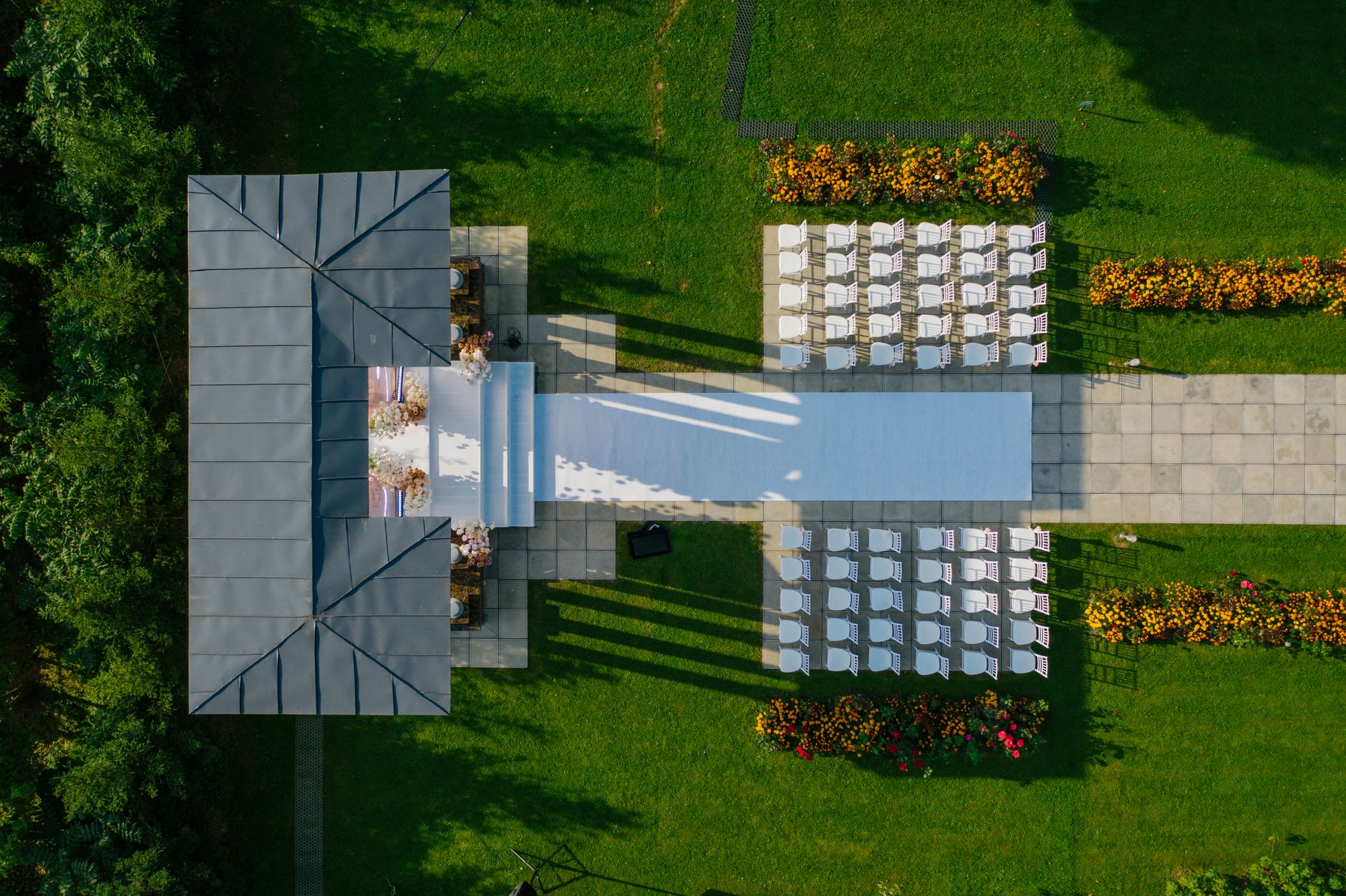
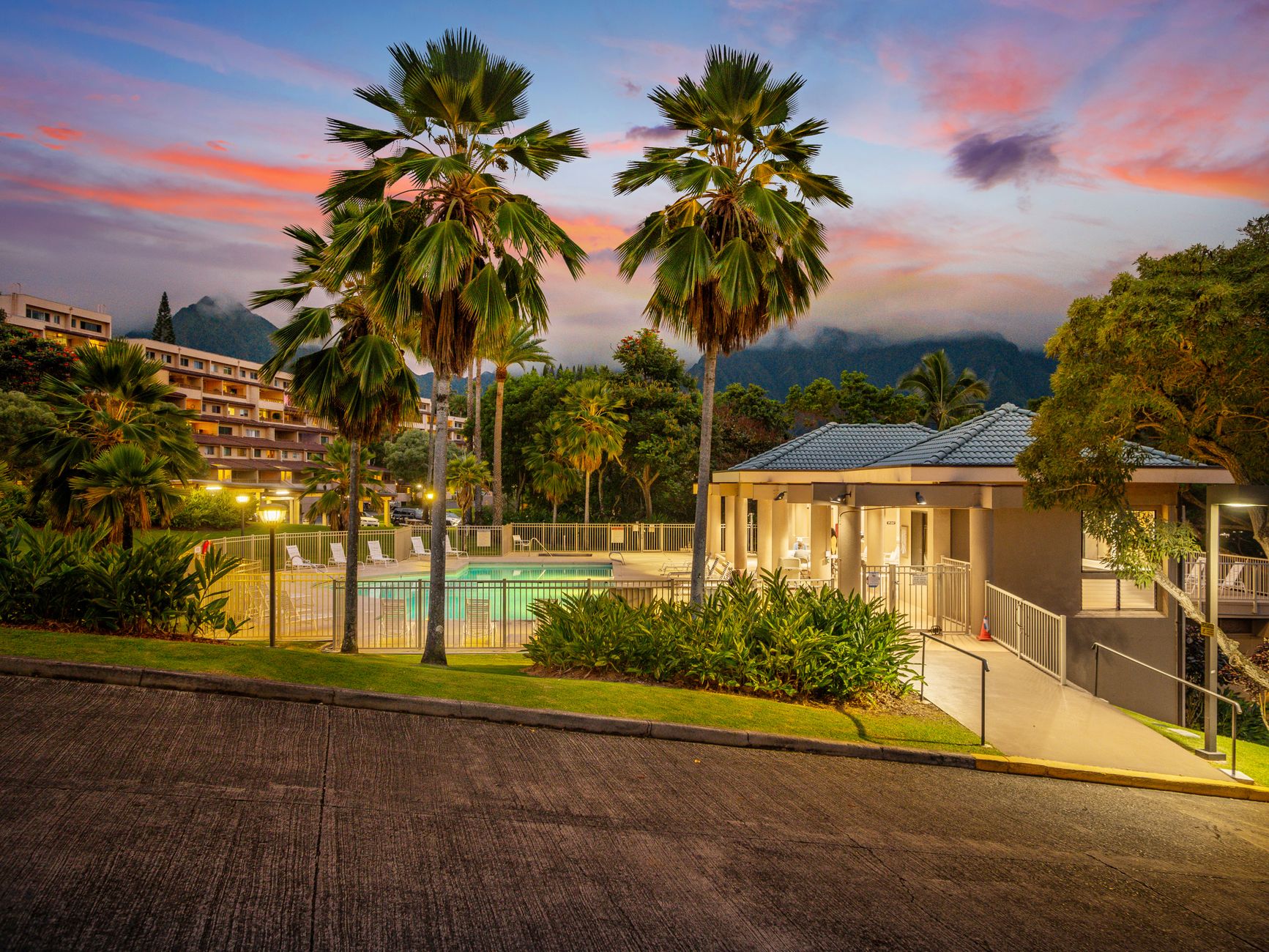
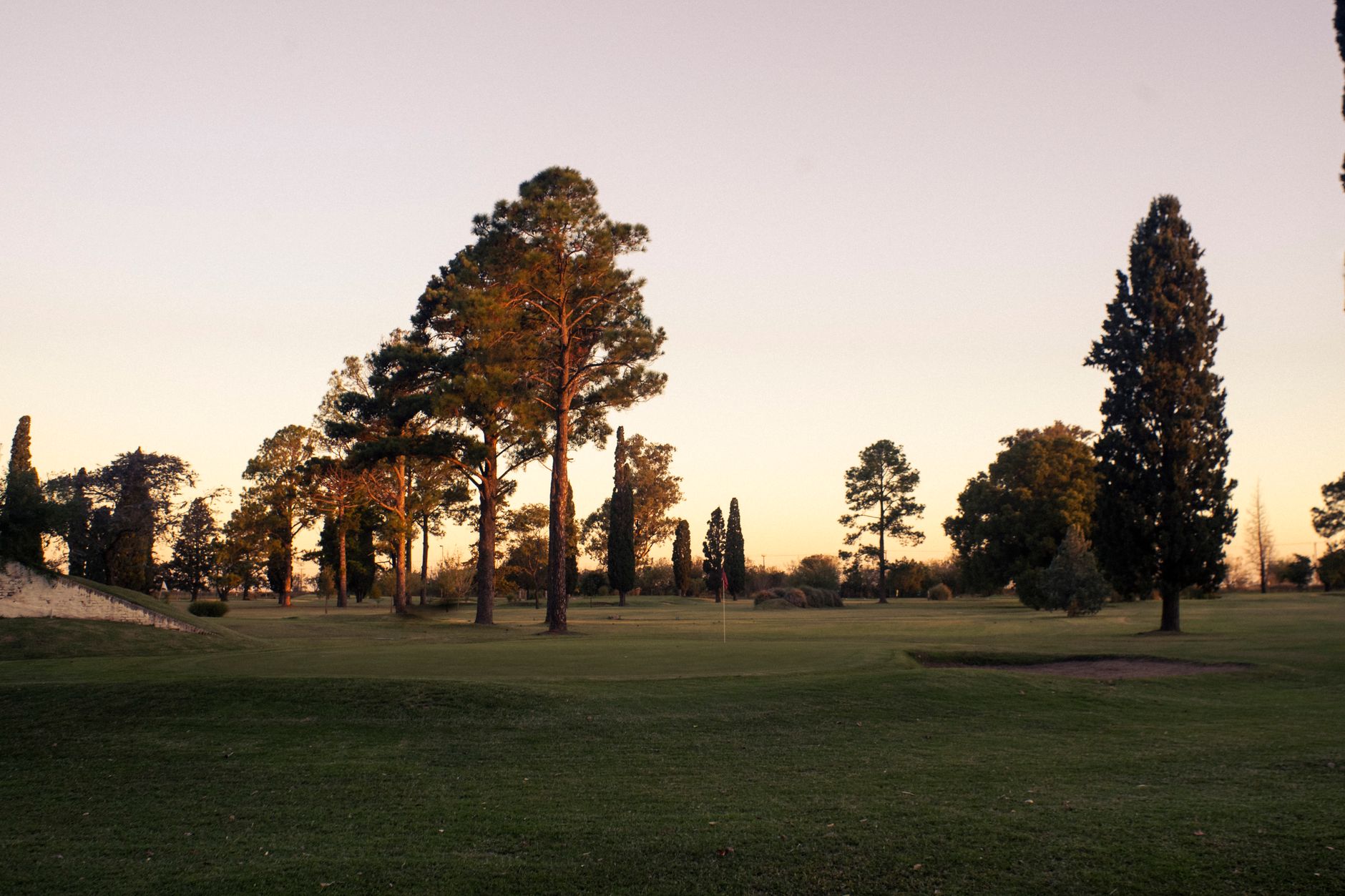
Walk the grounds at dusk with the people who run guest services. Mark cottage steps, doorstep lawns, fire pit rings, bench groupings and the paths guests take to the course. Those are the spots worth a no-go zone, because they are where a mower would surprise someone.
Segway Navimow's product listing describes off-limit islands and a fence-off zone, plus an alert when the mower leaves its boundary. Its setup guidance asks for clearance from fences, walls, ponds, flower beds, steps, gravel and drop-offs, and it keeps no-go zones around trees, gardens, furniture and sensitive planting. That list works as a mapping checklist even if you choose a different brand.
How precise are RTK boundaries near guest areas?
A 2026 RTK guide puts boundary accuracy within a few centimetres. That figure is vendor-reported, so test it on your own ground. The same guide warns that moving the base station shifts every boundary, which means the base should stay put once the map is drawn.
Cobra's MowBot X range links separate work areas with virtual transition paths and can add no-go areas to protect parts of a site. A lodge suits that structure well, because the fairway edge, cottage lawns and fire pit ground are separate zones the mower must travel between without crossing guest space.
How do you keep fairway-adjacent turf covered without crossing guest space?
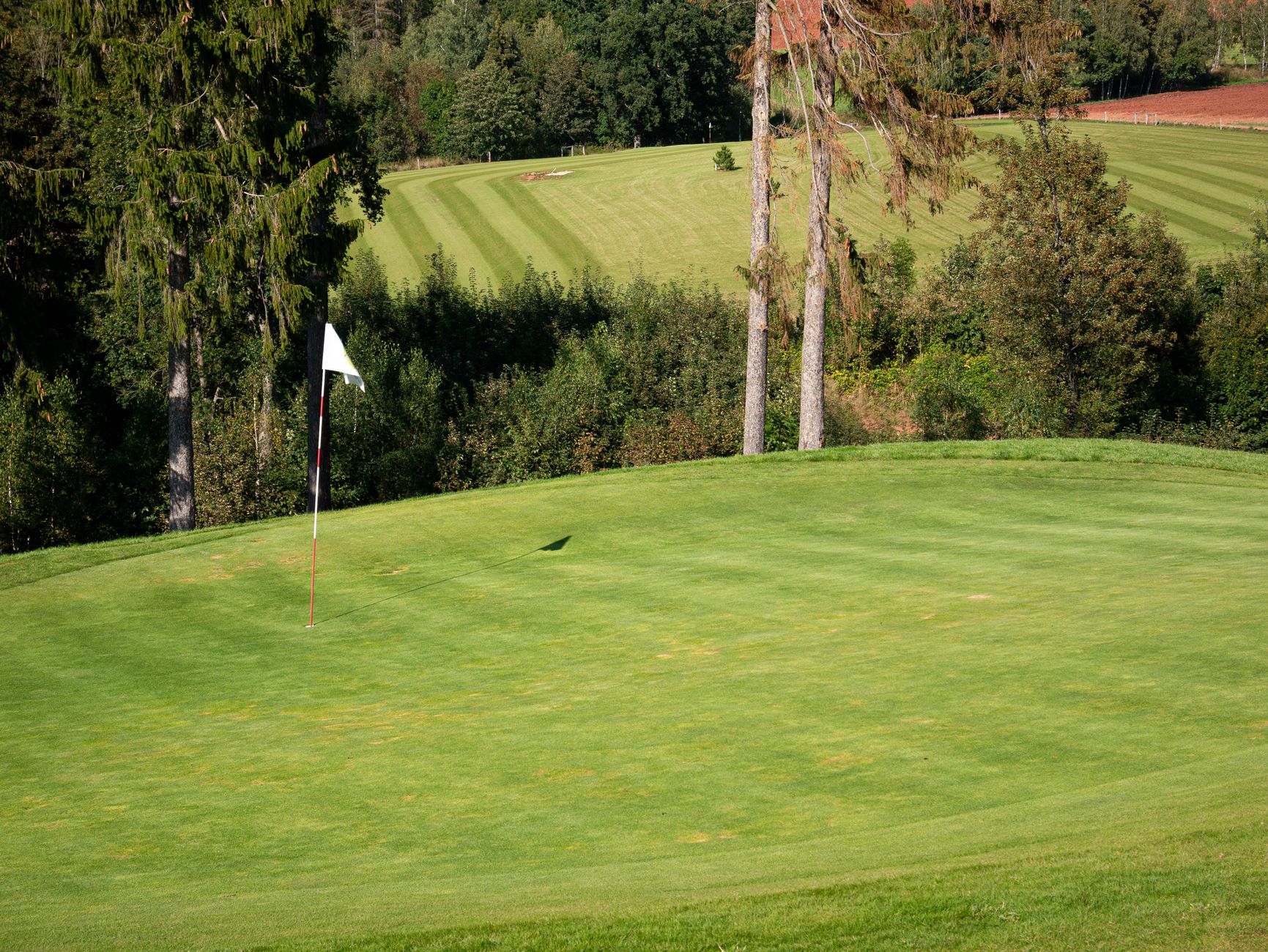
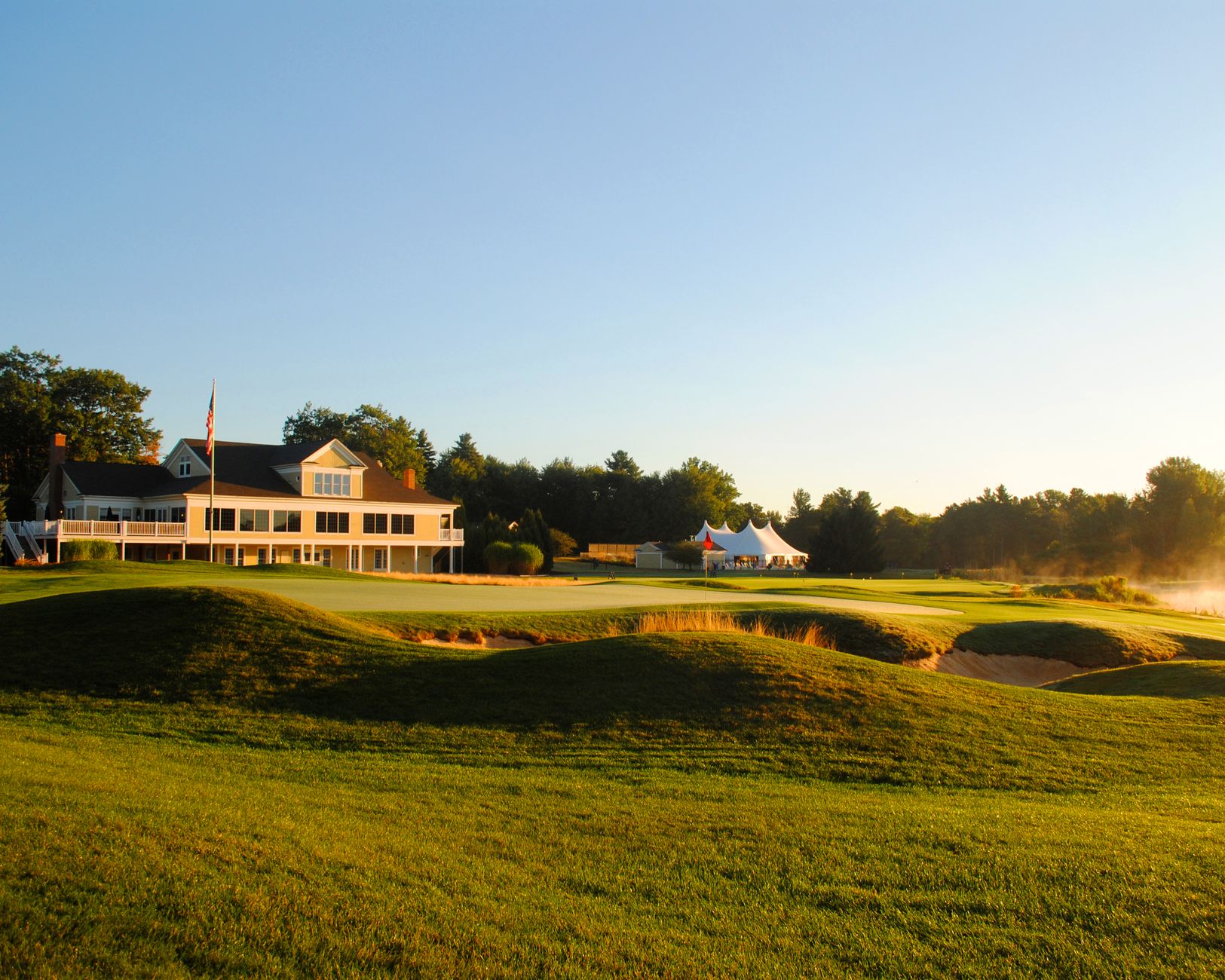
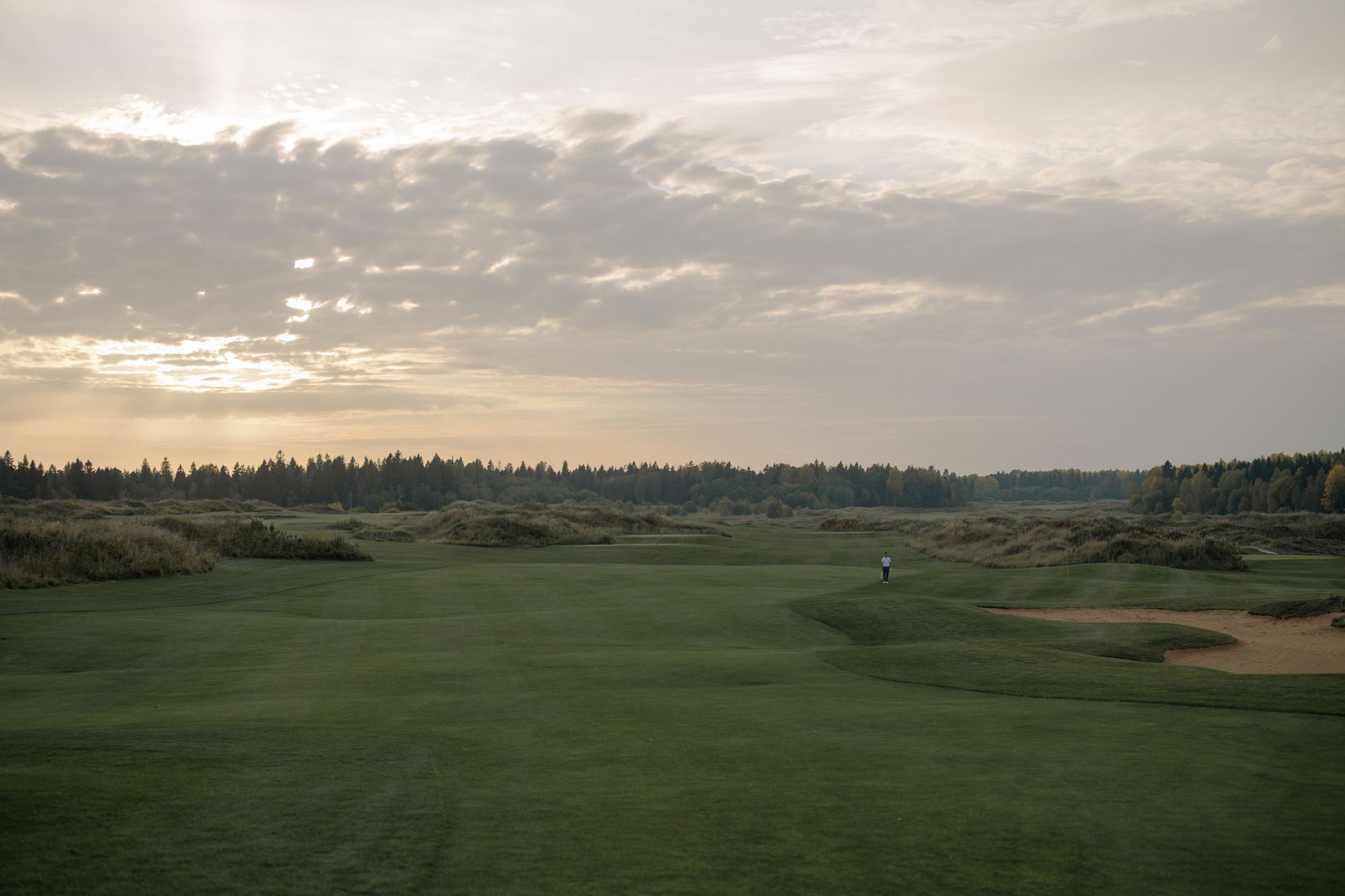
The hard edge is where guest lawn meets fairway rough. Give the mower a clean path into that transition, but do not let it treat a guest lawn as more fairway. Keep a buffer you can see and walk between the fire pit ring and the nearest cutting path, and check it at dusk, when guests are most likely out on the grass.
Where a fairway shares a boundary with a guest path, let the mower finish its window and then sweep the path edge by hand. Clippings on walks are the complaint guests remember, so make that cleanup a fixed step in the routine rather than an afterthought.
What should a lodge check in the first two weeks?
Start the mower on one guest zone, then widen the boundary once the quiet window and no-go areas hold through a full weekend. Record every fire pit night, every guest complaint and every pause at a boundary. Those records prove the plan works, which a spec sheet cannot do.
Service Robot Co. handles this as one job. We are OEM-neutral, so we choose the mower that suits your slopes, noise limits and boundaries across manufacturers rather than one catalog. We start with a site assessment and mapping, then lease the robot on a 3-year lease, with one fixed lease quote after that assessment. Deployment, integration, operator training and go-live support follow, and every unit is covered under RoboCare, our service plan, with on-site dispatch from regional service engineers in every state we service.
Frequently asked questions
Want a robot working for you?
Tell us the job and the site. We will recommend the robot, quote the lease, and keep it serviced.
Sources
- Navimow buying guide: How loud is a lawn mower
- Husqvarna Automower manual (ManualsLib)
- Golf Monthly: How robot mowers are transforming golf courses
- Club and Resort Business: Why Concert Golf Partners is investing in robotic mowing
- RTK Data: Wire-free robot mower RTK accuracy guide 2026
- Segway Navimow H500 product page
- Cobra Garden: MowBot X RTK range
- Golf Business News: Aphrodite Hills introduces robotic mower fleet