Key takeaways
- Map every event lawn as its own zone before the first booking, not on the wedding day.
- Hold ceremony, reception, staging and service lanes on a window that starts before setup and ends after cleanup.
- Set hold lengths from your own event calendar and run logs, not from a generic number.
- Get written vendor answers on how exclusion zones hold up after map edits.
- Put turf recovery on the post event timeline so the first robot pass waits until the lawn is cleared and checked.
How do you keep a robot mower off a wedding lawn?
Map each event lawn as its own named zone, mark it as an exclusion zone for the robot, and set hold windows that start before the first setup vehicle arrives and end after the lawn is cleared. That is the short answer. The crew then owns the ground on event days, and the mower works the rest of the property on a schedule you control.
Patent literature describes this kind of control in general terms. One patent describes operator defined exclusion zones for cultivated beds, obstacles, poor traction areas and spots that need no maintenance (US 10,338,602). Another describes transit zones where the mower does not cut grass, such as a driveway crossing between two lawn sections, and says the mower runs in whichever zone its schedule assigns at a given time (US 10,444,760). Both are research stage text, not product specifications, so treat them as features to ask about rather than guarantees.
Why do event lawns belong in a golf crew plan?
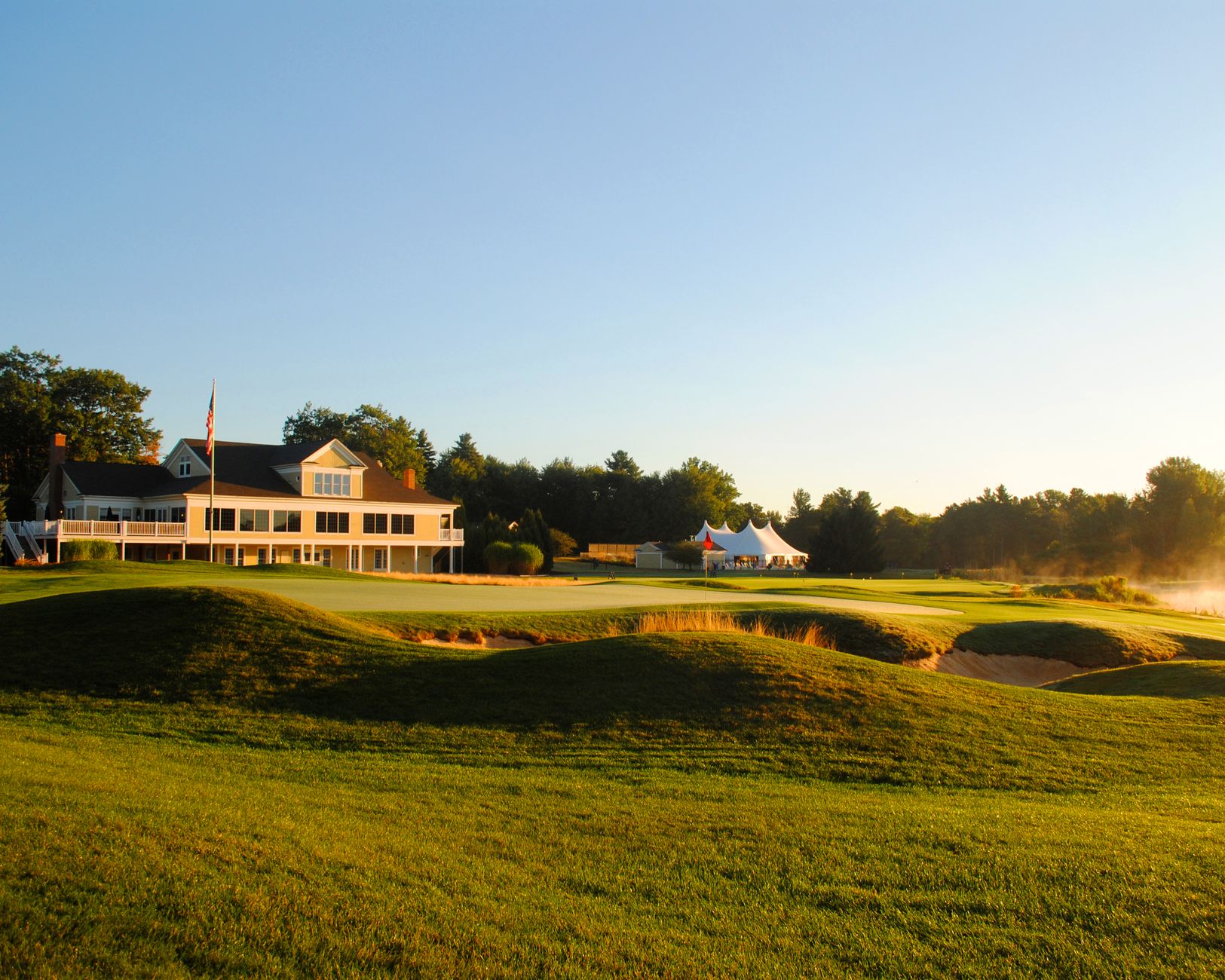
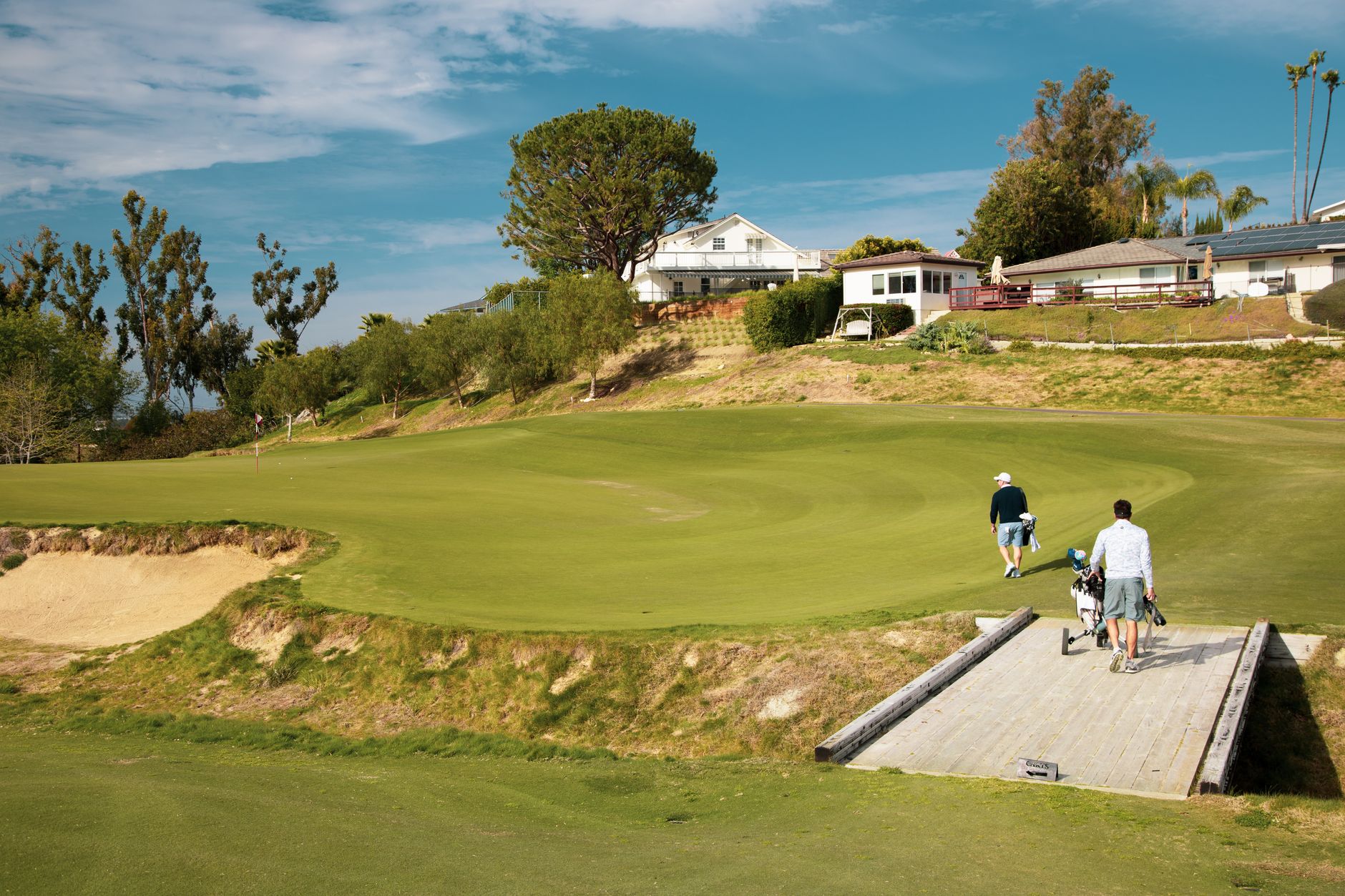
Some golf clubs pair an outdoor ceremony lawn with an indoor or patio reception. The Golf Club at Fossil Creek describes an outdoor ceremony lawn with shaded trees and course views, plus a three tier outdoor cocktail patio overlooking that site. SouthWood Clubhouse in Tallahassee describes a course side ceremony and photos, then a move indoors for the evening reception. Both are venue marketing pages, but they show the layout a superintendent should expect.
A golf industry article makes the operating point. It says keeping nuptial and banquet sites on par with course conditions matters for keeping ceremonies booked, even when that diverts superintendent time and staff from golf turf. The event lawn is not a side task. It competes for the same crew hours as the fairways, which is why it belongs in the mower plan.
Which event zones should you map?
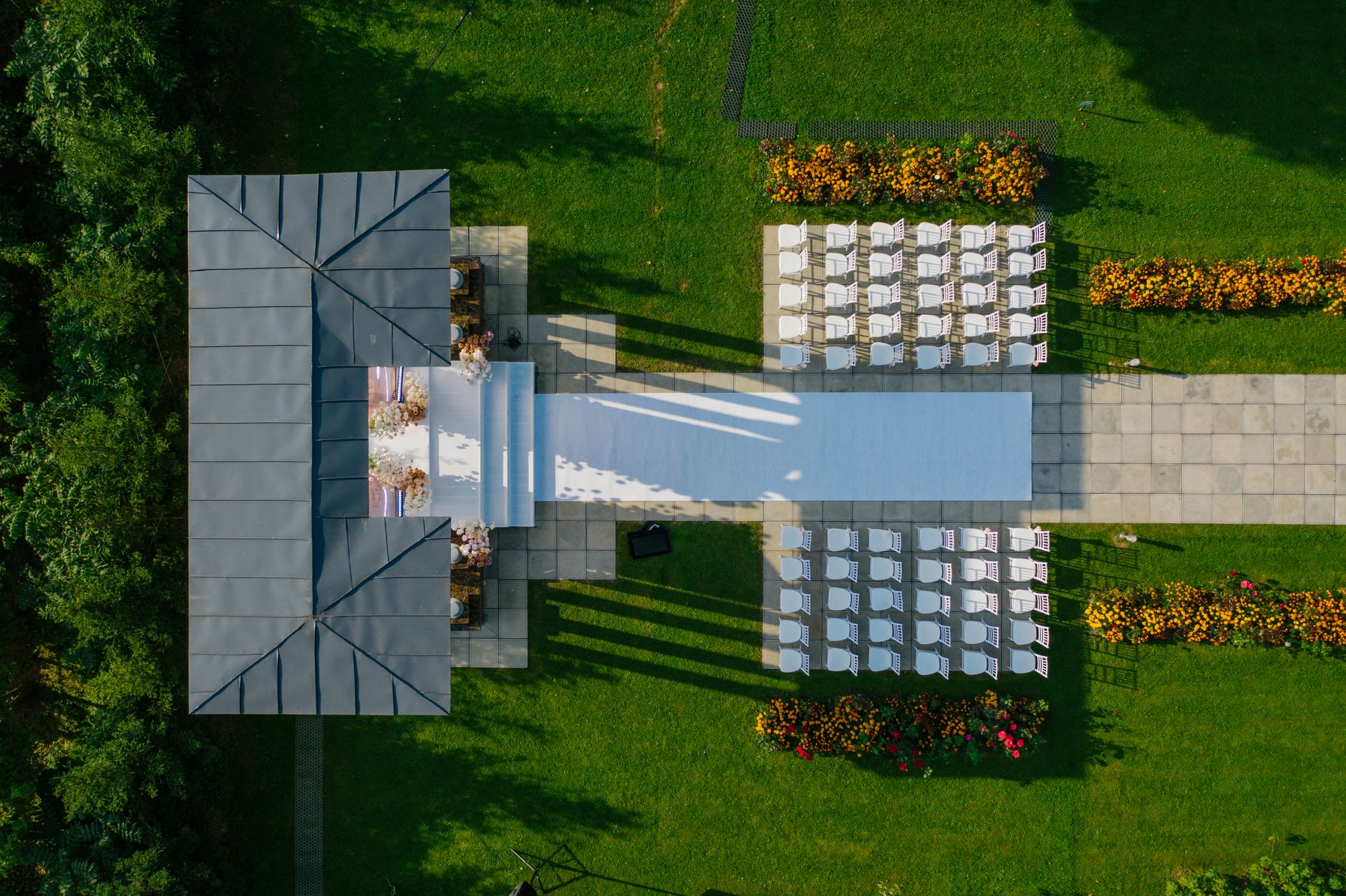
Start with a site walk alongside the event lead, not the mower vendor. Name every area a wedding touches, then decide which ones the robot must never enter on event days. The list below covers the zones a wedding usually touches.
Then screen each zone for the usual robot trouble spots. The residential guide we reviewed from Anker says no go zones are commonly set for ponds, newly seeded grass, steep areas and spots where a mower repeatedly gets stuck. A wet, newly seeded ceremony lawn is the place to catch a bad map, long before a Saturday booking.
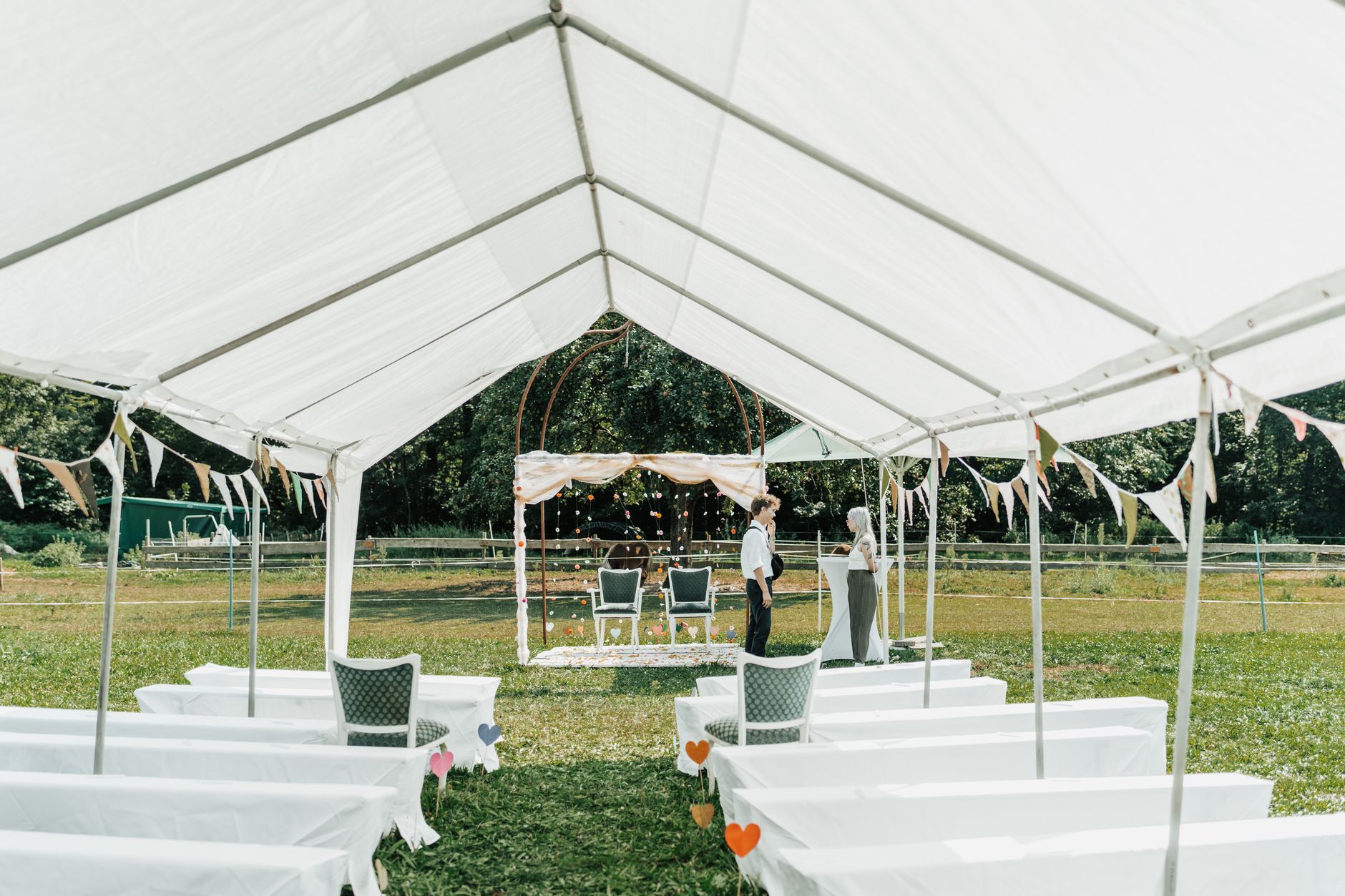
- Ceremony lawn, including the arbor, chair rows and aisle
- Reception lawn or patio apron, including the cocktail area and tent footprint
- Guest walk paths between parking, clubhouse and ceremony site
- Caterer and vendor service lanes for ice, linen and food deliveries
- Staging and tent corridors where equipment is set down and stored
- Overflow parking strips, which can take heavy traffic after the ceremony
How long should a hold window run?
The research pass did not find published timing rules for wedding holds, so this article offers no number to copy. Build the window from your own event calendar instead. Count from the first setup vehicle, through the ceremony and reception, to the moment the last delivery van leaves the service lane.
Add a buffer you set yourself, and record it. Your run logs will show how long real events took on your ground, which beats any generic figure. When a wedding runs late, the hold should extend by rule, so the decision does not depend on someone remembering to call the office.
What does the crew do on event days?
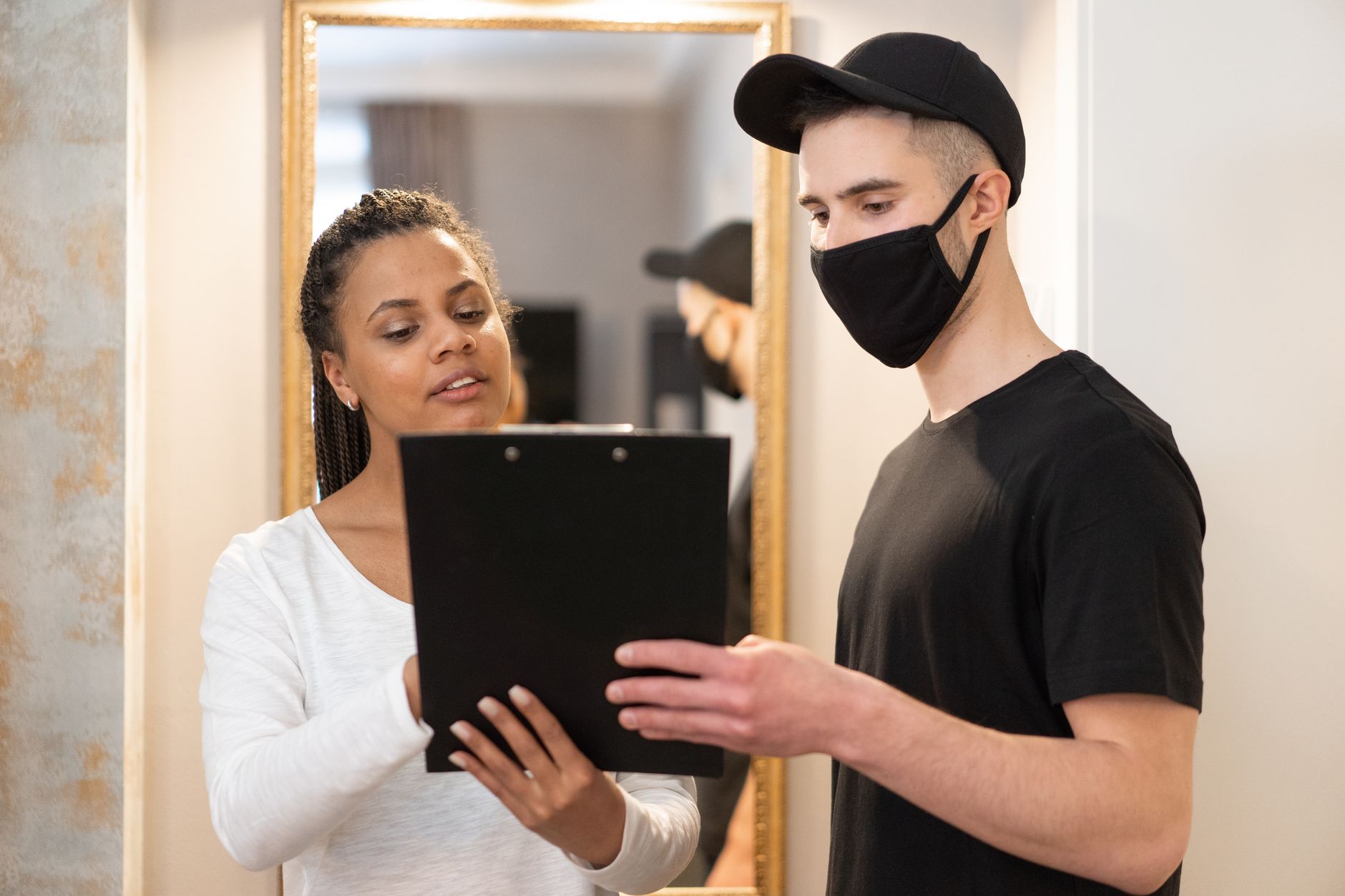
The crew lead should confirm the status of every event zone before guests arrive. That means checking that the mower is outside the zone, that the zone is still marked as excluded, and that the schedule shows no pass into the ceremony lawn until the cleanup crew signs off. The robot handles the routine cut. The lead decides when the lawn is ready.
Write the override into the event checklist. If your vendor supports a phone or tablet stop, the lead should know how to use it before the first wedding on the calendar. A good schedule nobody can reach at four in the afternoon, when the caterer needs a lane cleared, is not much use.
How should recovery fit into the timeline?
BrightView's guidance on large events says turf may need treatment and recovery time built into the post event timeline. That guidance is written for golf tournaments, not weddings, but the two problems it names carry over. Servers dumping ice on turf can damage it, and rain can turn the venue into a mud bath. A reception lawn after a wedding can have both.
Put recovery on the calendar as its own line. The first robot pass should wait until the lawn has been cleared, checked and, if needed, treated. Running a mower over turf still soaked from ice bins and tent footprints only spreads the damage. The sources in this research pass gave no wedding specific rest periods, so set yours with your turf consultant.
What should you ask a vendor before trusting a hold?
Put these questions to any vendor in writing. The research pass did not find commercial fleet scheduling specs or zone time window features, and it could not confirm how exclusion zones behave after a map is edited. Those answers should come from vendor documentation and a demonstration on your own turf, not from a brochure.
- Does an exclusion zone survive a later map edit, and who checks it afterward?
- Can a zone be held by time window, not only by a fixed boundary?
- Can one zone run a different cutting height or schedule from the rest of the lawn?
- How quickly can a lead stop or redirect a unit from a phone or tablet?
- What happens to the schedule when one unit goes down on a Friday?
Who helps set up and service the event zones?
Service Robot Co. is an OEM neutral integrator for US businesses. We pick the mower that fits your turf rather than one brand's catalog, then lease it through financing on a three year lease with one fixed lease quote after a site assessment. Our team maps the event zones, integrates the schedule, trains your crew lead and services every unit under RoboCare, our service plan, through regional service engineers in the states we serve.
That matters most in the week of a large booking. One partner, one number, and a service engineer who already knows the lawn is simpler than sorting out a fault across several vendors while the caterer is on site.
Frequently asked questions
Want a robot working for you?
Tell us the job and the site. We will recommend the robot, quote the lease, and keep it serviced.
Sources
- USPTO patent text, exclusion zones and terrain map (patent 10338602)
- USPTO patent text, transit zones (patent 10444760)
- Anker, how to program a robot lawn mower (residential guide)
- The Golf Club at Fossil Creek, weddings page
- SouthWood Clubhouse, Wedding Spot venue page
- Golf Course Industry, weddings and golf course maintenance article
- BrightView, turf time saving tips for managing big events