Key takeaways
- Fairway condition is a recurring theme in golf reviews, and listing sites let golfers rate it on its own.
- Stripes make a first impression only when the same pattern repeats week after week.
- Stripe direction matters, since turns can damage diagonal stripes and some lines clash with a player's shot.
- Labor pressure makes repeat passes harder, and the latest hiring figure we could confirm is from 2022.
- A weekly photo and note log turns striping quality into a record you can show.
Do golfers really notice fairway stripes?
Golfers do notice fairway stripes, though they may never name the pattern. They judge fairways by what they see from the tee and how the ball sits, and a clean, even pattern is part of that first look. Online, the impression lands in reviews and listing pages where conditions earn their own score.
For a course, the reputation question is rarely about one dramatic morning. It is about whether the fairway looks the same from visit to visit. A returning golfer reads that consistency, and so does a stranger looking at a photo posted after a round.
Striping can be a real asset, but only when it is repeated and tracked. Without a record, a strong week and a weak week blur together in memory and in reviews.
Where do fairway complaints show up online?
Listing sites give reviewers room to judge conditions on their own. GolfPass course pages carry individual ratings for conditions, value, layout, friendliness and pace, so a golfer can mark down the turf without punishing the price.
Written reviews also connect weak fairways to dry weather and missing irrigation. One GolfAdvisor reviewer said it did not appear much water was being used. That is a turf health complaint, and striping sits right alongside it.
Read these reviews with care. Small counts swing hard, and reviewers can disagree about the same course. One called fairways thin with no overseeding, while another described the course as in good condition. A single review reports one golfer's day, not a course's average.
Why stripes make a first impression
Striping is a deliberate choice. A Golf Course Industry article describes it as a way for a superintendent to make a strong first impression. The stripe becomes a signal that someone is paying close attention.
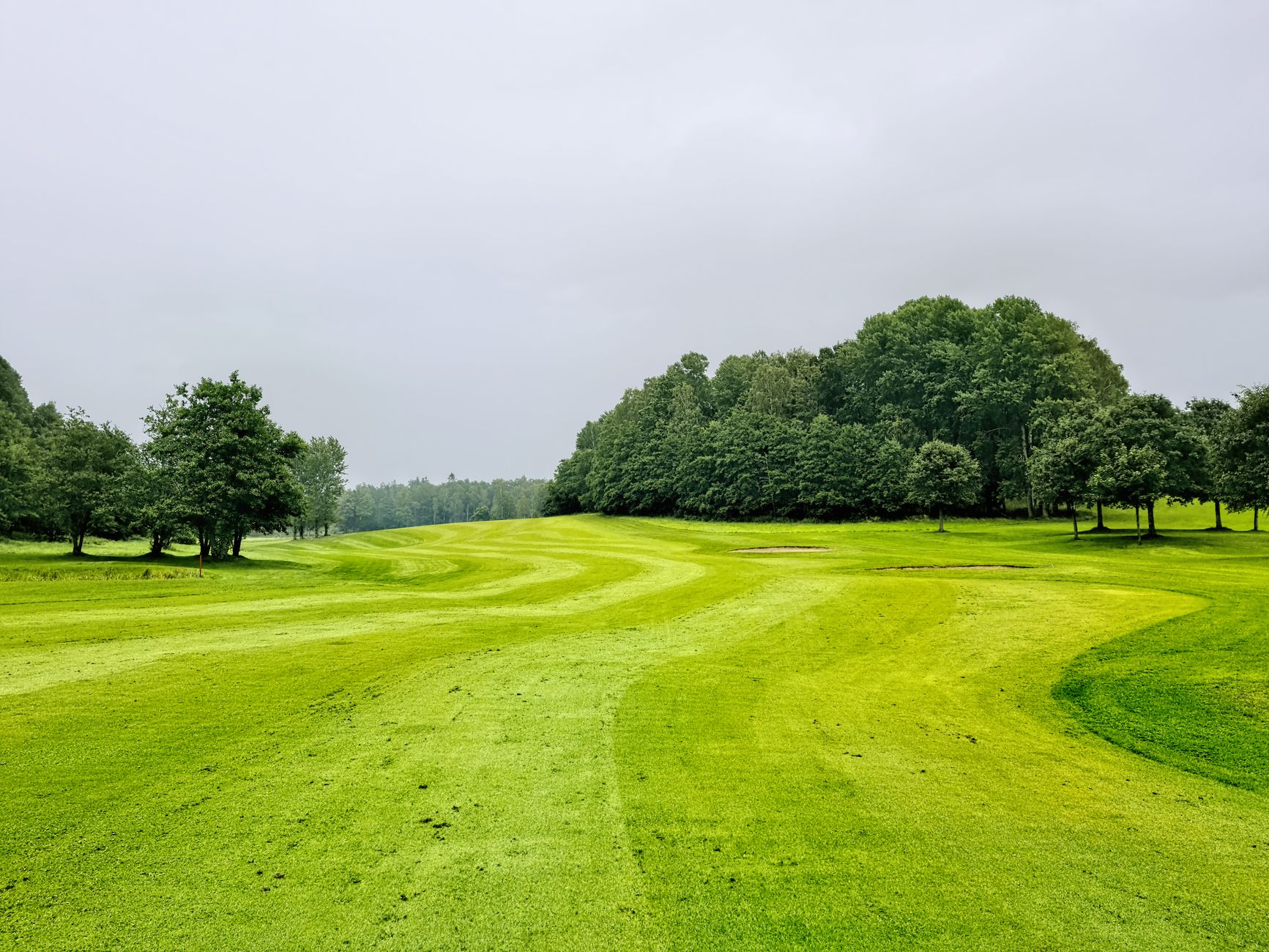
Stripes also need repetition to register. Club and Resort Business reports that the same pattern on the same fairway, held over weeks or months, is what makes stripes stand out. One morning of sharp lines fades quickly. A pattern that holds across a season reads as a crew that knows what it is doing.
How stripe direction and turns change the result
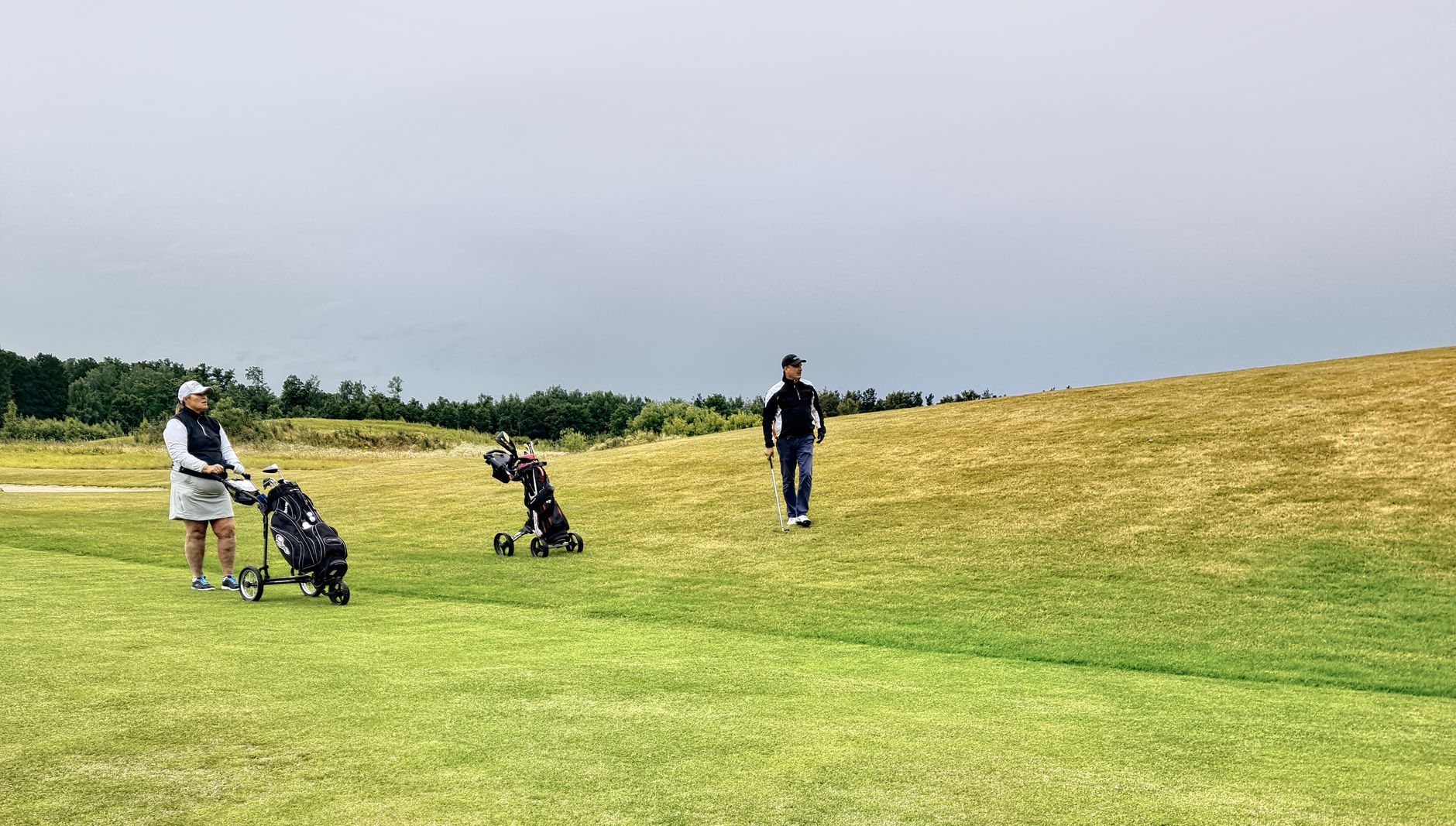
Stripes are more than a look, because they interact with play. Golf.com reports that the PGA Tour does not require a particular fairway mowing pattern but prefers stripes that do not run in line with a player's shot.
Direction has physical consequences too. Some superintendents dropped diagonal stripes after turning in the rough damaged the grass. Others skip striping on purpose. A superintendent at Brae Burn, a Donald Ross design, believes the course shows best without stripes.
The lesson is that the pattern should follow the hole, the traffic and the goal. Stripes that look sharp across a broad fairway can cost you where carts and turns concentrate.
What does labor pressure do to striping?
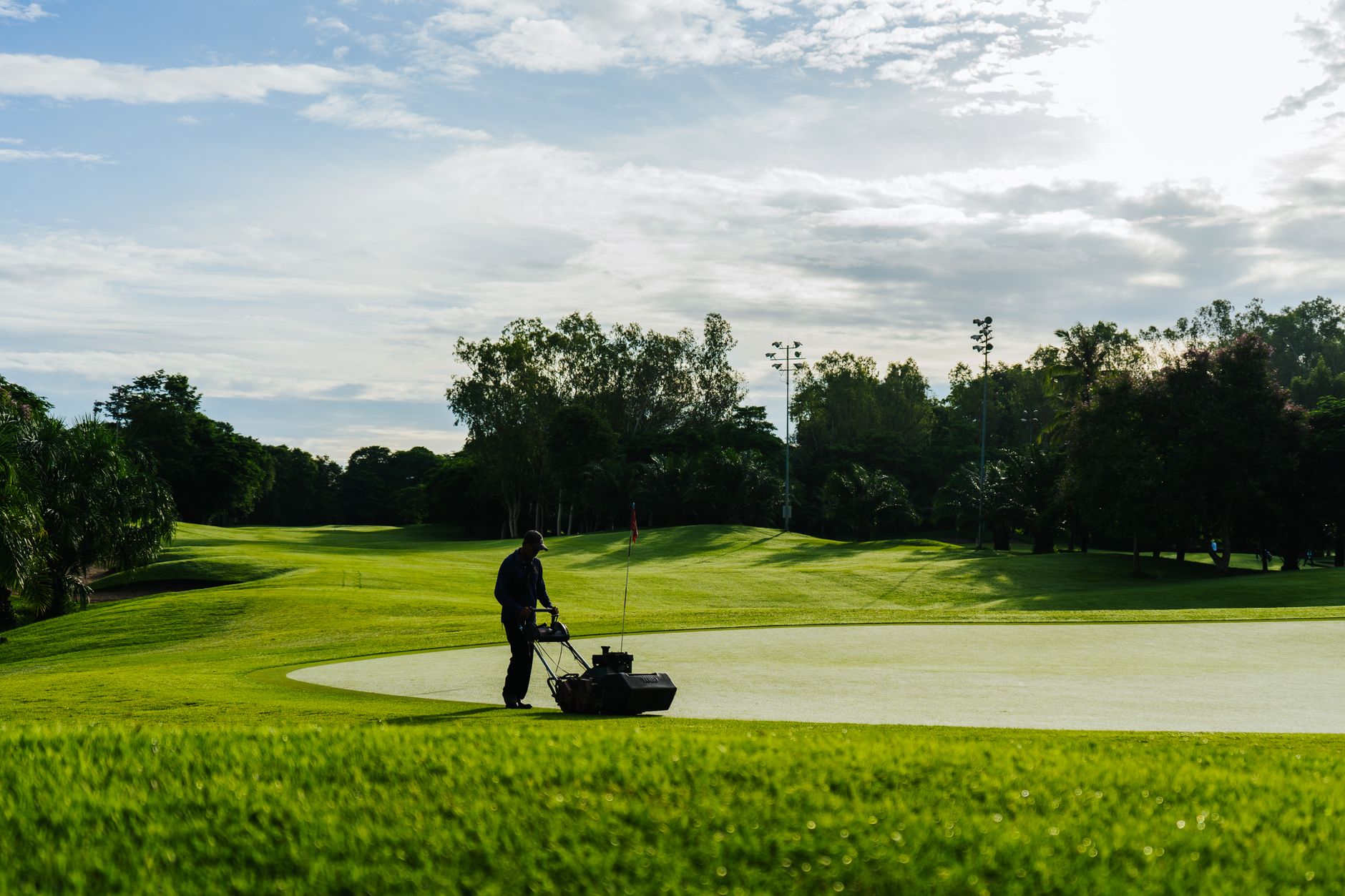
Striping is labor, and labor is where many courses feel the squeeze. According to Golfdom, 63 percent of superintendents described the labor market as bad or very bad in the 2022 GCSAA Capital and Labor Survey.
The USGA, citing GCSAA's 2024 Maintenance Budget Survey, reports that average labor expenditures rose 17 percent from 2022 to 2024. We did not find a 2025 GCSAA hiring figure, so the most recent hiring difficulty number we could confirm comes from 2022.
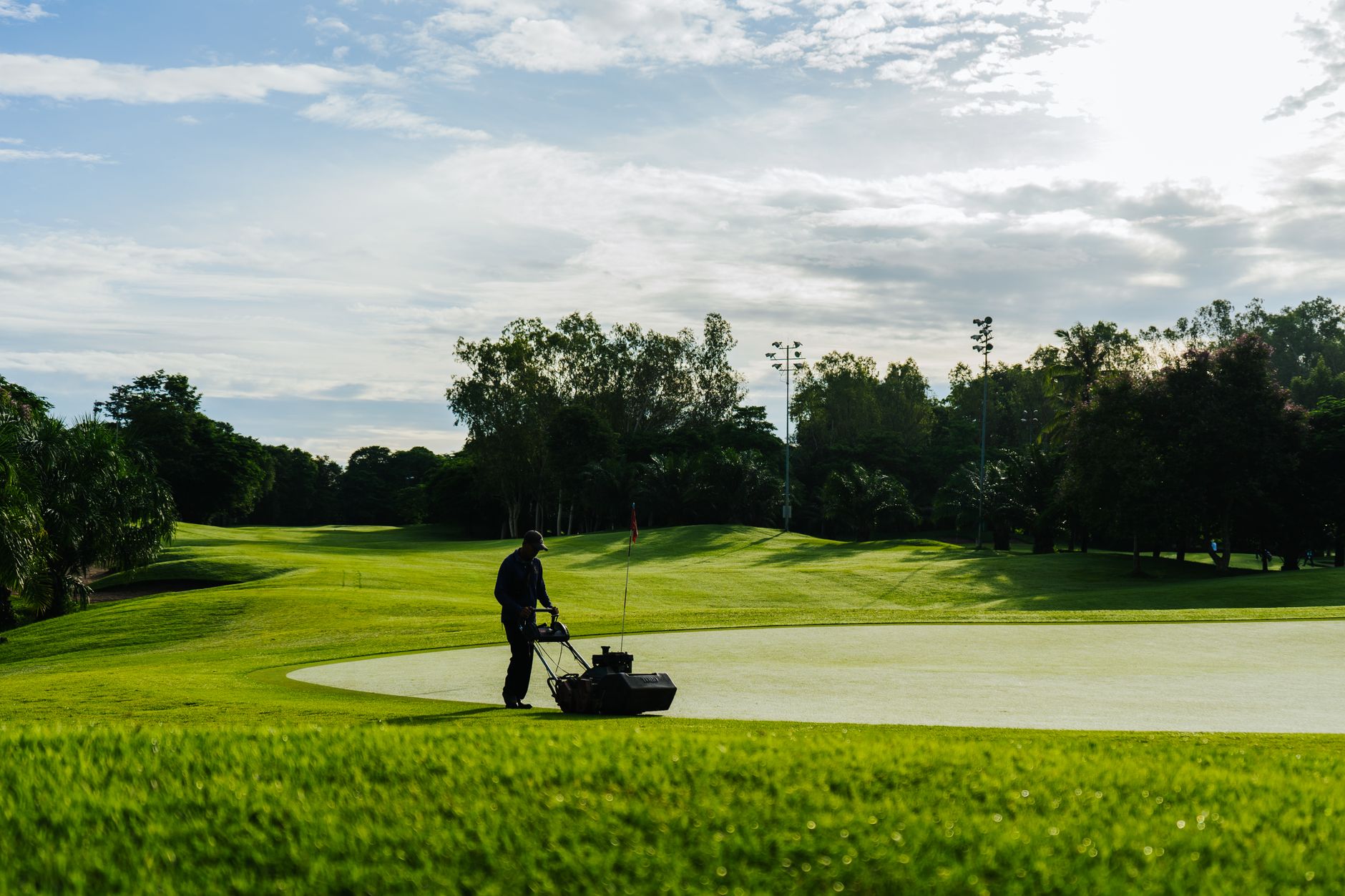
Short crews struggle to repeat the same pass, at the same height and in the same direction, week after week. That repetition is exactly what builds the stripe, so a thin crew puts the reputation signal at risk before anyone notices.
How to track striping quality week to week
Track striping the way you track any turf record: same place, same frame, same notes. Choose fixed photo points on the fairways golfers see most, such as the landing zone off the tee and the approach to a green.
Shoot each point from the same height and angle at the same time of day, so the light does not change the story. Keep the notes short. These fields are enough to reveal a pattern across a season:
- Photo point label and the direction the camera faces
- Stripe direction, and whether it matches last week
- Cut height reading, plus any scalping or missed edges
- Rainfall, irrigation timing and soil moisture from the past seven days
- Pass count and who ran or supervised the mower
- One line on anything a golfer is likely to notice
What to do when stripes start to slip
When stripes slip, start with the record rather than the machine. A changed stripe direction can mean a shifted route, a moved turn point or a boundary edit. Ragged edges usually point to height settings or overlap.
Cart paths and turn areas wear first, so compare those photo points before blaming the whole fairway. If the drift is seasonal, check irrigation and rainfall notes from the same window. Fix the cause, then photograph the same points again to confirm the correction held.
Store the photos in one folder by date and review them side by side. Drift in stripe direction or edge quality usually shows up in the pictures before it shows up in a review.
Where a robot mower lease fits
Autonomous mowers are built to repeat programmed routes, and that repetition is the consistency this log is meant to show. The asset is the record plus the discipline behind it, not the machine alone. Mapping, boundaries and height settings still decide the result, and someone has to check the photos.
Service Robot Co. is a vendor neutral robot integrator for US businesses. We pick the right robots across manufacturers, then lease them through financing on a three year lease, with one fixed lease quoted after a site assessment. We deploy, integrate, train and service each unit under RoboCare, our service coverage, backed by regional service engineers in every state we serve. One vendor for the whole lifecycle, not six.
A common first step is a pilot program that starts with one leased unit on the holes that matter most. Begin with a commercial demo, keep the striping log running from day one, and widen the fleet only when the photos show the pattern holding.
Frequently asked questions
Want a robot working for you?
Tell us the job and the site. We will recommend the robot, quote the lease, and keep it serviced.
Sources
- GolfPass, Clear Lake Golf Club course listing
- GolfAdvisor golfer review
- Golf Course Industry, striping article
- Club and Resort Business, Splendor in the Grass
- Golf.com, how golf courses choose mowing patterns
- Golf.com, sneaky tricks superintendents employ
- Golfdom, GCSAA 2022 labor survey
- USGA Green Section Record, investing in staff