
Key takeaways
- The 63% labor figure comes from a GCSAA member survey, but published accounts disagree on the year.
- USGA Green Section data ranks lack of qualified labor as superintendents' top current concern.
- An empty mower seat is often a job design problem as well as a pay problem.
- Moving routine fairway passes to an autonomous mower lets clubs recruit for greens, bunkers and tees.
- Track your club's open seats and applications, because survey averages do not predict your next posting.
What to do when the mower seat stays empty
A golf club that cannot fill its mower operator seats is rarely short of machines. It is short of work people want to stay in. The fix starts with the job itself, not only the pay line, and it works best when the routine passes that fill a long shift move to an autonomous mower.
Survey data points the same way. Superintendents keep naming labor as a top worry, and the people they hire are often asked to spend long hours on a seat repeating the same pass. Candidates notice that shape before they notice the pay.
Moving fairway passes to an autonomous mower does not remove the need for crew. It changes what a crew member is hired to do. Instead of a seat, the candidate gets greens, bunkers and tees, plus the hand work that depends on judgment. That is a pitch a recruiter can make in one sentence.
What the labor surveys actually say
The figure most often quoted is 63%: the share of respondents who rated the labor market bad or very bad in a GCSAA member survey. The year is the weak point. Golf Course Management ties the 63% to GCSAA's 2018 Labor Survey, which drew 369 responses. A GCSAA-linked newsletter places it in the 2019 survey and reports that only 9% rated the market good or very good. Golfdom attributes the 63% to a 2022 Capital and Labor Survey.
Until the original GCSAA report is in hand, cite the figure as a member survey result and leave the year out. The sources agree on the 63%, even though they disagree on the year.
USGA Green Section work points the same way from another angle. In a Green Section survey, lack of qualified or skilled labor was superintendents' top current concern, with water supply close behind, and labor ranked second as a future concern. The sample was not random. It was drawn from Green Section networks and included 117 respondents: 39 superintendents, 24 assistants, 41 researchers and 13 agronomists. The summary does not give a survey date, so treat the results as indicative.
Use these numbers to describe the market, not to forecast your club. Your club's applicant counts and open-seat days say more about your course.
Why a mower seat is a hard sell to candidates
A mower seat asks a person to repeat the same pass across daylight hours. For someone choosing among jobs, that is a long commitment to one narrow task, and a posting rarely says what a second season looks like. Candidates read the posting, picture a shift, and the seat can lose out before the interview starts.
Pay is part of the picture. A USGA summary of labor concerns attributes part of the shortage to wages alongside the wider labor market. Raising pay without changing the work leaves the core problem in place, because the daily shape of the job is still what candidates weigh.
Scarcity hits experienced people hardest. A USGA Green Section article on investing in staff describes qualified assistants as scarce, with demand outstripping supply. A club that can offer a route to skilled turf work, rather than a single seat, has something concrete to put in front of applicants.

How does the candidate's day change?
Once routine fairway passes go to an autonomous mower, the human role moves toward work that needs hands and eyes. Greens, bunkers and tees are where a skilled person's judgment shows, and where a machine does not work on its own. A candidate can be hired as a turf technician who handles greens and bunker work, with the mower as a tool they supervise rather than a seat they sit in.
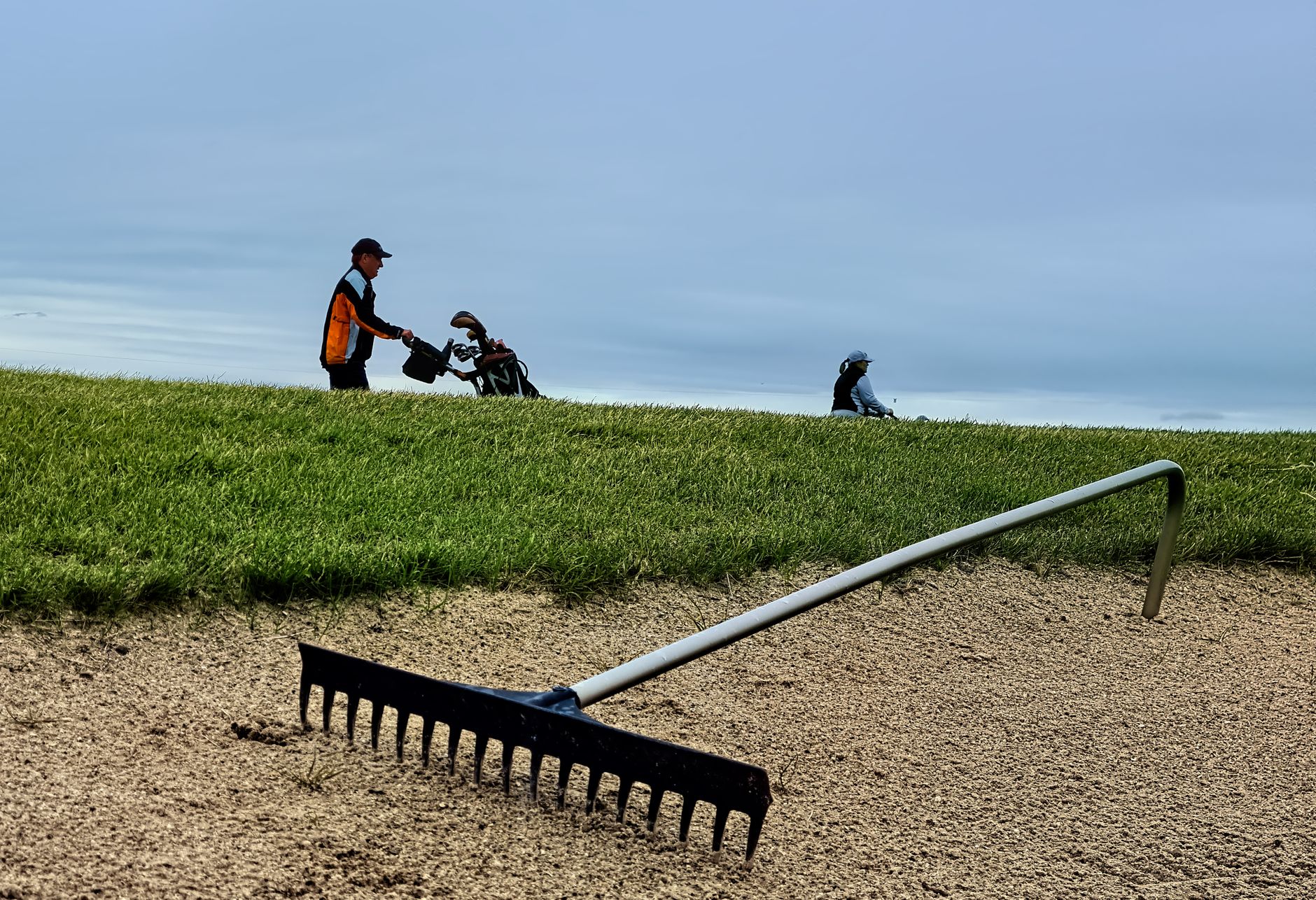
Bunker work is a clear example. Raking, edge work and face repair ask a person to read sand depth, drainage and playability, and members see the results. A new hire gets a visible result each morning and a skill that carries to other courses.
Tees follow the same logic. Tee surfaces, divot repair and height work depend on people who look at the turf closely. Those tasks give a new hire something to build, which a seat does not.
What should the recruiting message say?
Lead with the role, not the machine. Name the work, the training that goes with it, and who supervises the mower. Describe the checks, the cut calendar and what a first season looks like. Specific detail tends to read as more credible than a general promise that the work is changing.
Be direct that the mower still needs people. Fairway runs depend on supervision, charging, obstacle checks and recovery when a unit stops. A crew member who learns that work becomes someone the club depends on, and that is a stronger pitch than suggesting the machine runs itself.

Where Service Robot Co. fits the staffing change
Service Robot Co. is a US commercial robot integrator. We are OEM-neutral, so we select robots across manufacturers, then lease, deploy, integrate, train and service them. A club that wants to test the fairway change can start with one leased unit on a 3-year robot lease through financing. We quote one fixed robot lease payment after a site assessment, and site assessment mapping shows where passes, slopes and hazards sit before anything runs.
Every unit we place is serviced under RoboCare, backed by regional service engineers in each state we service. We aim for one partner, one number: dispatch, remote triage and go live support come through one contact, so a crew lead reporting a stopped unit does not have to find the right vendor first.
How do you check the change against your club's numbers?
Track what your club sees, not only industry averages. Count open mower seats, the days they stay open, applications per posting, and how many new crew members are still on the crew after their first season. Compare those figures before and after the change, and let the window run through a full cut season, since a single opening week tells you little.
Survey figures help explain the problem to a board or a member committee. They cannot tell you what your next posting will draw. Keep the survey numbers in the deck and keep your club's hiring log beside them.
Frequently asked questions
Want a robot working for you?
Tell us the job and the site. We will recommend the robot, quote the lease, and keep it serviced.