Key takeaways
- Gausium published a May 2026 case study on a leading Greek supermarket chain deploying 25 Omnie and Phantas cleaning robots.
- The fleet mixes Omnie scrubbers with Phantas units for different aisle and edge needs in active stores.
- Multi-store grocery rollouts need standardized maps, parts inventory, and service escalation paths.
- US grocers should pilot one store with one machine type before copying a 25-unit network.
- Vendor-neutral integrators compare Gausium models against other scrubbers for your flooring mix.
What did the Greek supermarket chain deploy?
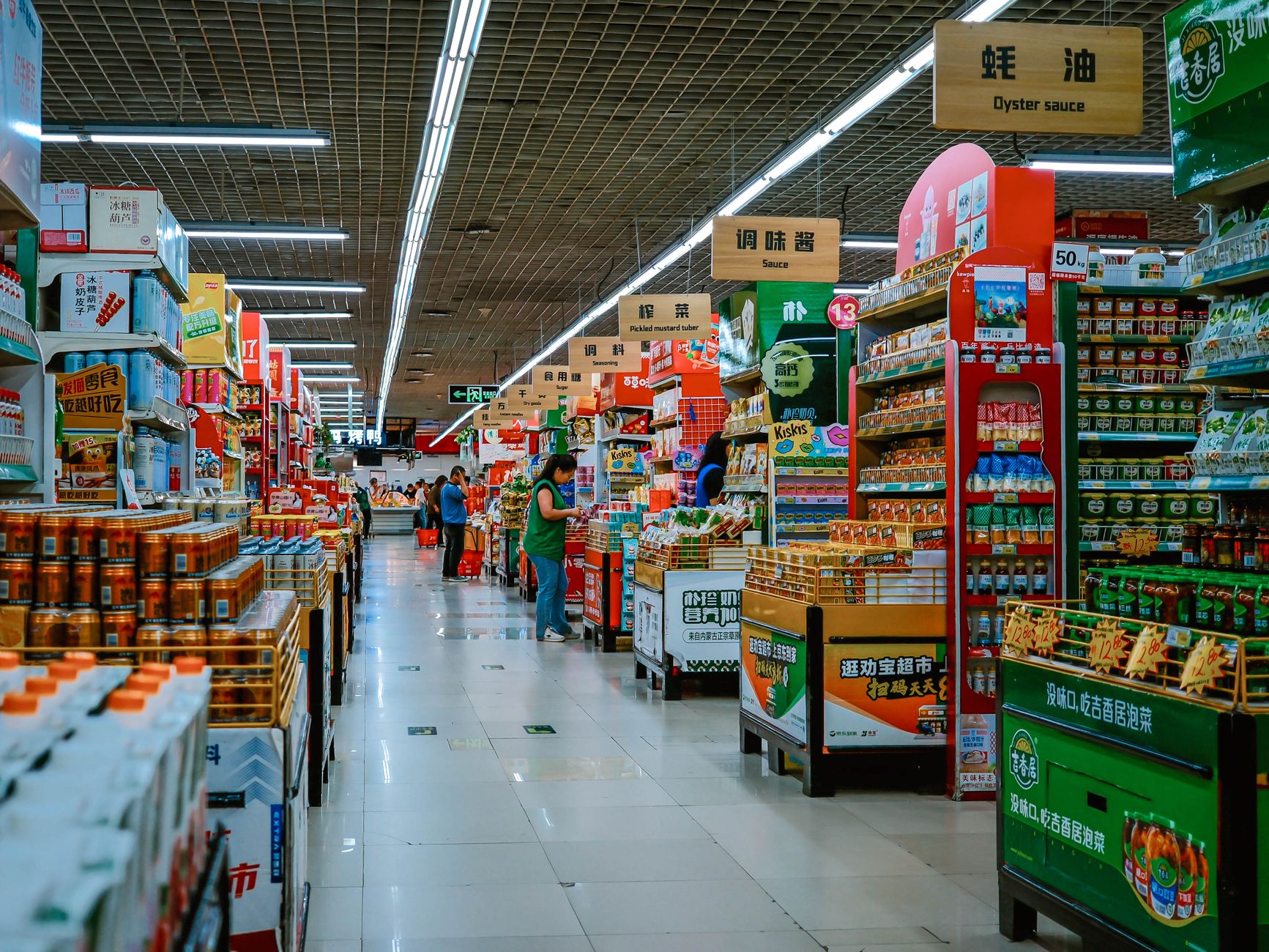
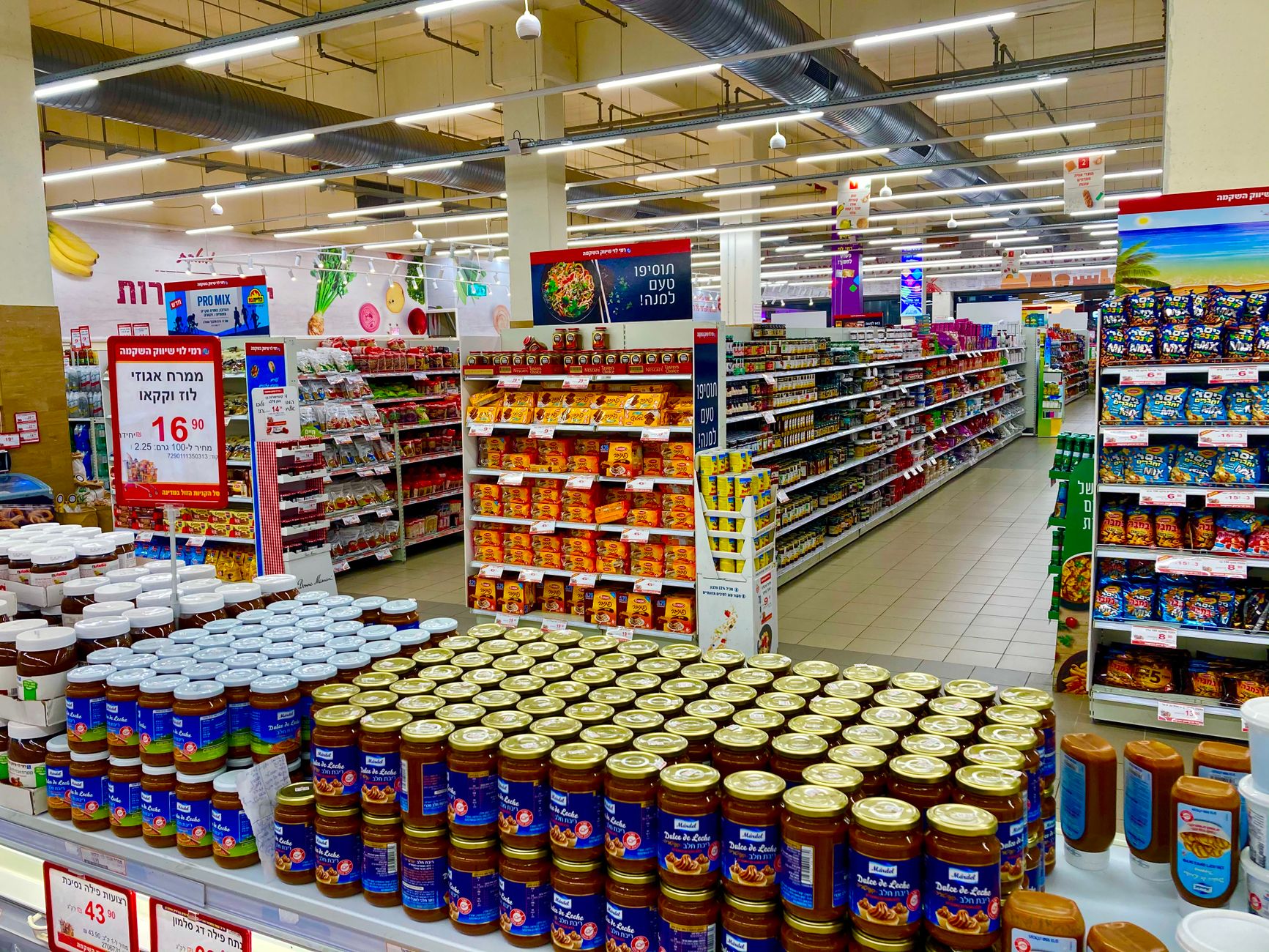
Gausium case materials dated May 12, 2026 describe a leading Greek supermarket chain deploying 25 Gausium cleaning robots across its stores. Published details name Omnie and Phantas models working together in supermarket environments.
The story is a multi-unit fleet decision, not a single-aisle pilot. That scale implies training playbooks, map governance, and service contracts repeated at many sites.
US readers should treat the case as proof that grocers may need more than one scrubber form factor when aisles, back rooms, and entry zones differ.
Why mix Omnie and Phantas in the same grocery network?
Wide main aisles and open hard floors often suit larger scrubber platforms. Narrow produce lanes and tighter turns may need a more compact Phantas-class machine.
Using two models can reduce compromise on coverage, but it doubles training, parts SKUs, and service expertise requirements.
Chains should document which store zones each model owns so crews do not fight over the same overnight window.
How should grocers map scrubbers around shoppers and pallets?

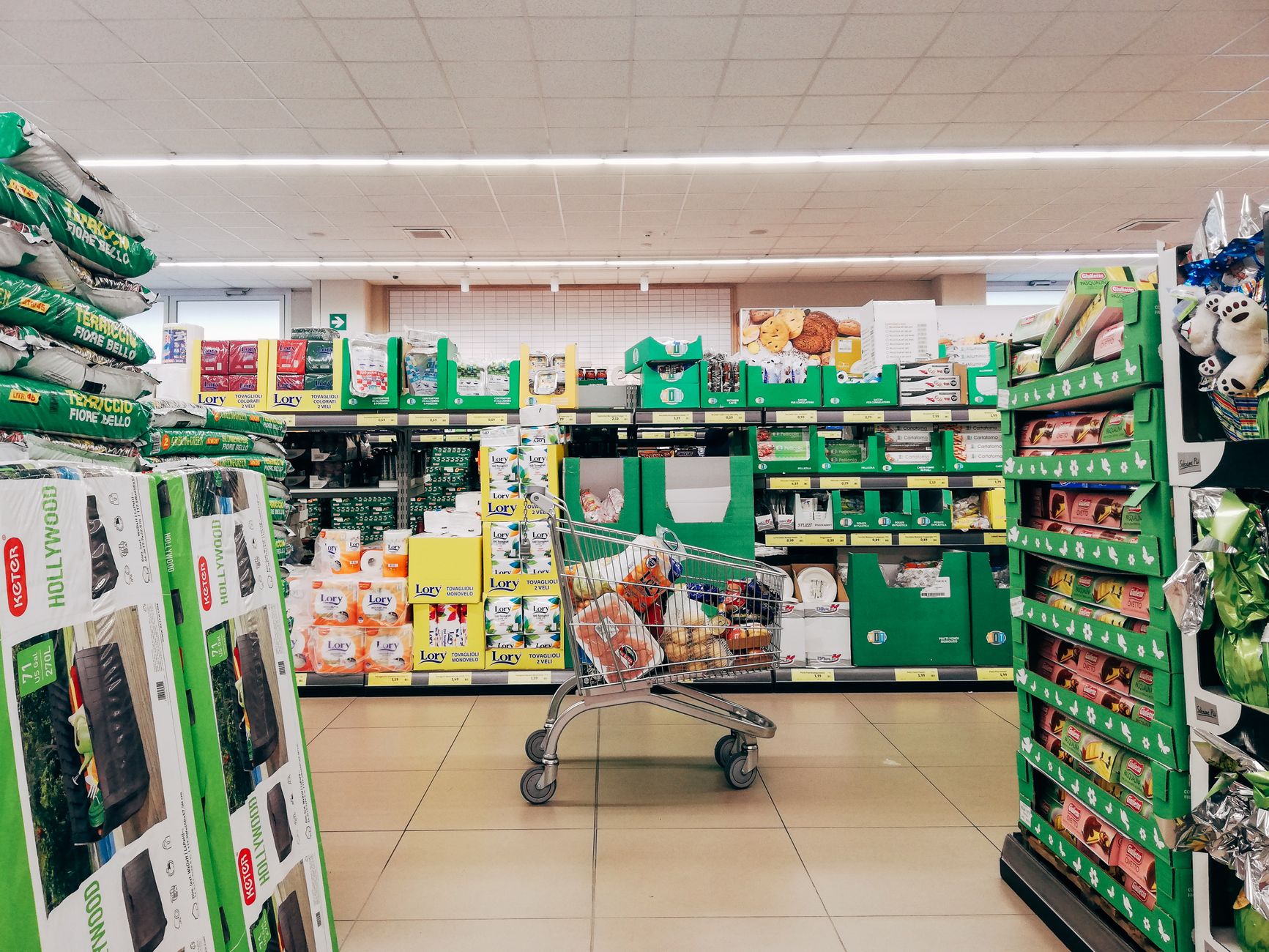
Customer-visible scrubbing needs slow zones at checkout and deli counters. Night-first schedules may fit stores that can clear aisles after close.
Receiving hours overlap sales floors when back doors open. Coordinate with inventory before the first autonomous run.
Promo endcaps change aisle width weekly. Tie map edits to merchandising calendars.
- Assign Omnie loops to wide dry grocery paths
- Reserve Phantas for tighter produce lanes
- Train managers on pause controls at service desks
What does a 25-robot rollout imply for US regional chains?
Twenty-five units across a network requires regional spare parts and a clear escalation path when multiple stores fault the same Friday night.
US chains should not assume Greek store layouts transfer directly. Copy fleet governance, not square footage.
Lease financing can stage rollout by region after each pilot store passes slip and labor metrics.
When should a US grocer start smaller than 25 units?
Start with one store and one loop if you have never run customer-visible scrubbing. Add a second model only after the first map is stable for thirty days.
Regional grocers under ten stores may never need twenty-five units. Scale to pain points, not headline counts.
Remote diagnostics matter more as unit counts rise.
What safety and hygiene checks matter in grocery scrubbing?
Run squeegee tests with your risk team on quarry tile and sealed concrete.
Keep humans on broken glass, biohazards, and drain detail. Robots do not replace spill protocols.
Align chemical use with sanitation vendor SDS requirements.
How does Service Robot Co. help US grocers benchmark this fleet?
We compare Omnie and Phantas against other manufacturers on your flooring samples. The Greek case is a fleet-mix reference, not a mandatory SKU list.
We handle buy or lease financing, deployment, training, and RoboCare service as stores pass pilot gates.
Measure success on slip incidents, complaint tickets, and labor hours on the same aisle loop.
What belongs in a multi-store scrubber service contract?
Define fault response times by daypart, especially Friday evenings.
Specify who owns map updates after remodels or self-checkout changes.
Require reporting on downtime by store, not fleet-wide averages that hide weak sites.
Frequently asked questions
Sources
Service Robot Co. is not affiliated with, sponsored by, or endorsed by the companies mentioned in this article.