Key takeaways
- Map the arrival lane as a keep-out zone before the first robot pass.
- Run robot passes in the quiet windows between guest arrival waves, not during them.
- Robots take the open turf; crews keep planters, curb lines and valet edges.
- Satellite RTK navigation avoids boundary wire along busy drives, but it needs open sky.
- Judge the frontage by how it looks at the curb, not by mowing hours alone.
Can a robot mower work a hotel frontage without slowing arrivals?
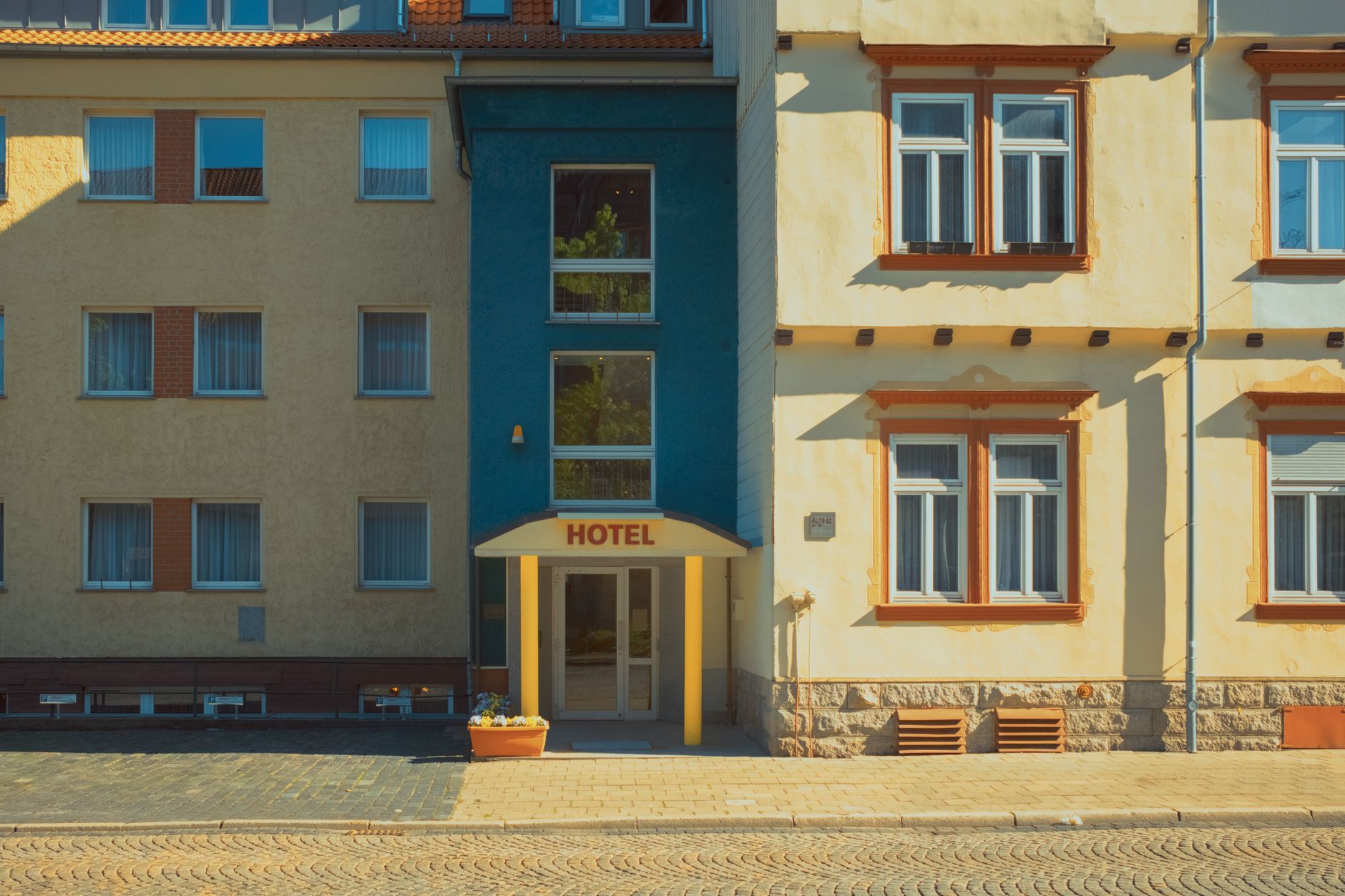
Yes, if the robot runs the open turf and the crew keeps everything that touches a guest's path. A hotel frontage is crowded with hazards for a mower: valet stands, drop-off curbs, pickup bays, planter beds and bollards. The lawn between them is usually the simple part, and robots can take that open turf in passes that stay clear of the arrival lane.
The evidence is thin but real. At Four Seasons Firenze in Florence, Italy, five Kress RTKn robot mowers cover roughly 10,000 sqm of garden, and the site manager said the earlier boundary-wire system was time-consuming. Guest quiet was a stated concern. These are vendor-published claims from May 2024, so treat them as a starting point rather than a benchmark. At Hatfield House in the UK, Husqvarna Automowers went in after guide-wire work around about 20 trees, and the estate reported more even grass with areas once strimmed by hand now handled by the robots.
How do you map keep-out zones before the first pass?
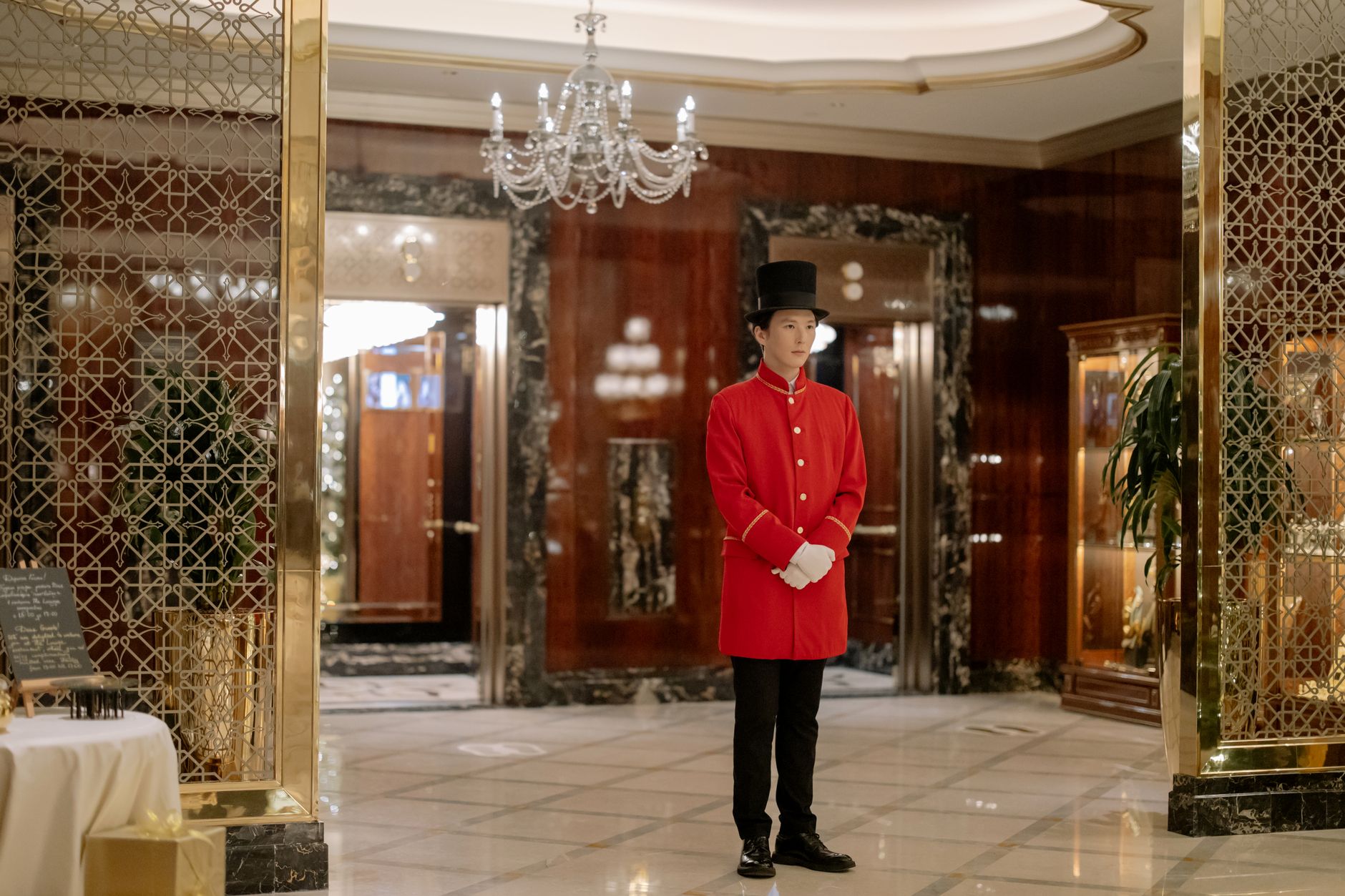
Walk the frontage at the hour it is busiest, not at dawn when the lot is empty. Mark every place a guest, a valet or a car will be, then turn those points into keep-out areas the robot's map will respect. Leave a margin wide enough for a door swing or a bag cart.
Most frontages need these marks at a minimum:
- Valet stand and key hand-off points
- Drop-off curb edge and porte-cochere line
- Pickup bays, taxi queues and the lane centerline
- Planter bed edges, bollards and sign footings
- Guest walkways running from the curb to the entrance
How should passes be timed around check-in peaks?
No published hotel check-in timing or arrival-lane traffic counts turned up in this research, so no schedule here is a standard. Build yours from the property's own records: front desk arrival logs, valet ticket timestamps and the doorman's sense of the busiest hours. Those reflect your property's day more accurately than any generic figure.
Then choose windows that fall between arrival waves, and set pause rules so the unit yields when a valet car or a guest enters its keep-out area. Guest quiet matters here as well. Husqvarna's hotel guidance claims Automowers can cut noise complaints about landscaping crews, but that is vendor marketing rather than independent evidence, so check it on your own site before you cite it to an owner.
How does the frontage look to someone pulling up?
Arriving guests judge a property in the first few seconds, so consistency counts for more than any single pass. Robot mowing gives a regular cut and steady height across the open turf. The weak points are the edges, the clippings on the drive and stripes that fade near the curb. A sweep after each pass and a crew edge along the curb keep the frontage looking deliberate.
LSI Services in New Jersey added robotic mowing to commercial properties alongside its full-service crews and cited noise and emissions reductions. Those are company-reported claims, covered by trade press in 2024 and 2025. The model is useful because the robots take the open lawn while people finish the frontage.
What does the crew still own on the frontage?
Planters, curb lines, trimming around signs and bollards, hand work near the valet stand and cleanup after each pass stay with people. At Hatfield House the robots took over grass that had been strimmed by hand, so the split can shift toward the machine over time. That case says nothing about planters or curb edges, which is why the map should assign them explicitly.
A Turf Magazine report covered a New Jersey landscaping company installing its first commercial robotic mowers, a sign that the crew-plus-robot model is spreading beyond showcase sites.
How do you start a frontage pilot?
Service Robot Co. starts with a site assessment that sets the keep-out map, the navigation method and the timing windows against the property's real arrival pattern. We are OEM-neutral, so the mower is chosen for the frontage rather than for a brand. The customer receives one fixed lease quote after that assessment, on a 3-year lease, with the robot deployed, integrated and trained by our team.
RoboCare, our service plan, covers each unit, backed by regional service engineers in every state we service. Phase in one frontage first, and expand only once the crew and the property manager are satisfied with the arrival view.
Frequently asked questions
Want a robot working for you?
Tell us the job and the site. We will recommend the robot, quote the lease, and keep it serviced.
Sources
- Kress: Four Seasons commitment to automated mowing (Firenze case, vendor-published, May 2024)
- Husqvarna UK: Hatfield House Automower case (vendor-published, 2019)
- Husqvarna: Automowers in new places, hotel guidance (vendor marketing)
- Landscape Management: LSI Services deploys Husqvarna Automowers
- Lawn & Landscape: LSI adds commercial robotic mowing
- Turf Magazine: New Jersey landscaping company installs first commercial robotic mowers
- Pulse Bot: Why wire-free robotic lawn mowers are becoming the industry standard (May 2026)
- Cleveland Heart: best robotic lawn mowers without boundary wire (retail review)