Key takeaways
- Autonomous fairway mowers shift the early crew shift from cutting turf to confirming the machines ran as scheduled.
- Wichita Country Club expects its morning fairway routines to change in 2026, but has reported no results yet.
- The club's superintendent says crew leaders will manage the mowers much as they manage staff.
- The check before the first tee covers overnight alerts, charge, map changes, hold zones, and a visual pass of the turf.
- Test any vendor hour-savings claim against your own logs before a schedule depends on it.
What changes in the morning when fairway robots run?
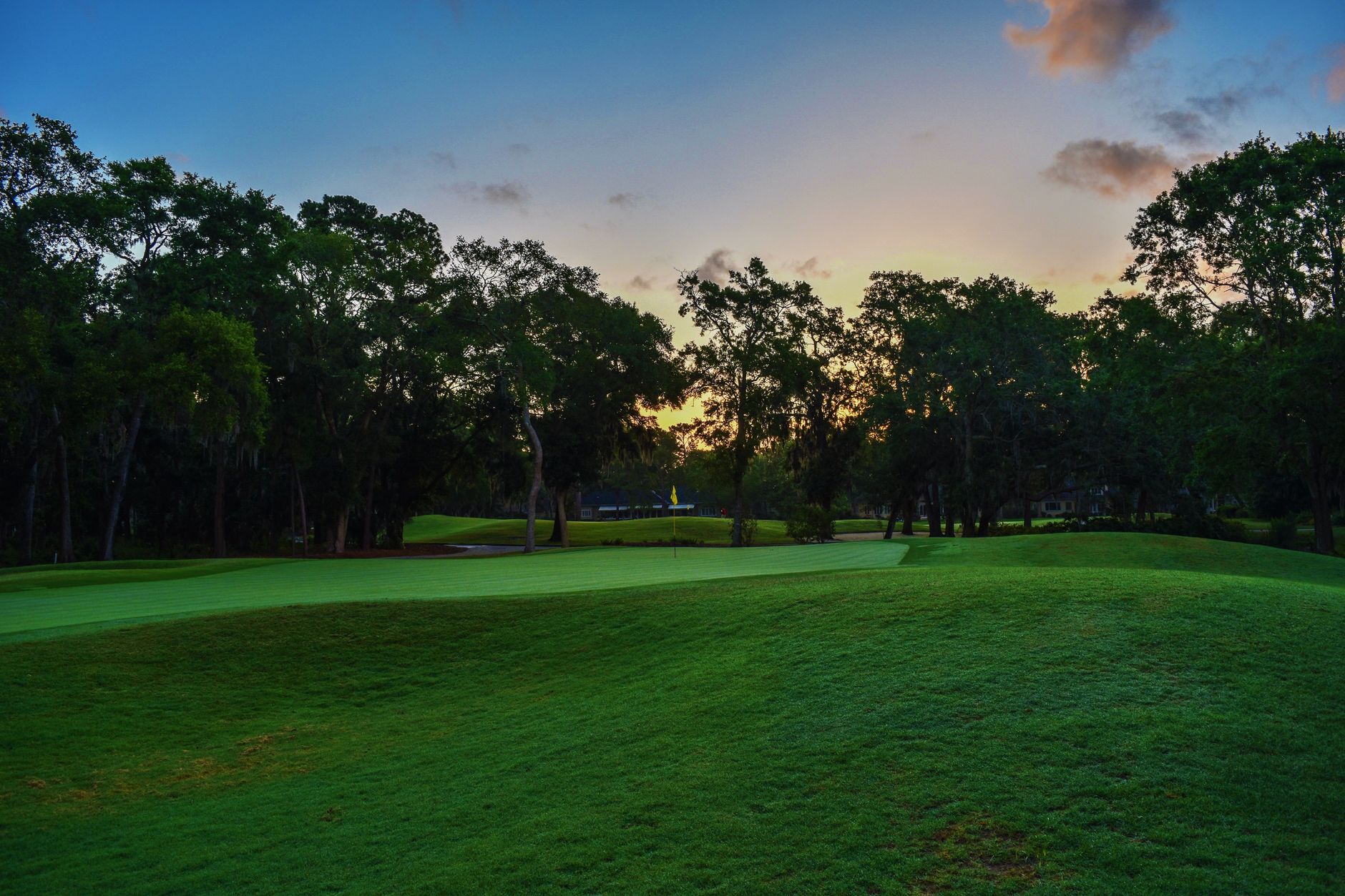
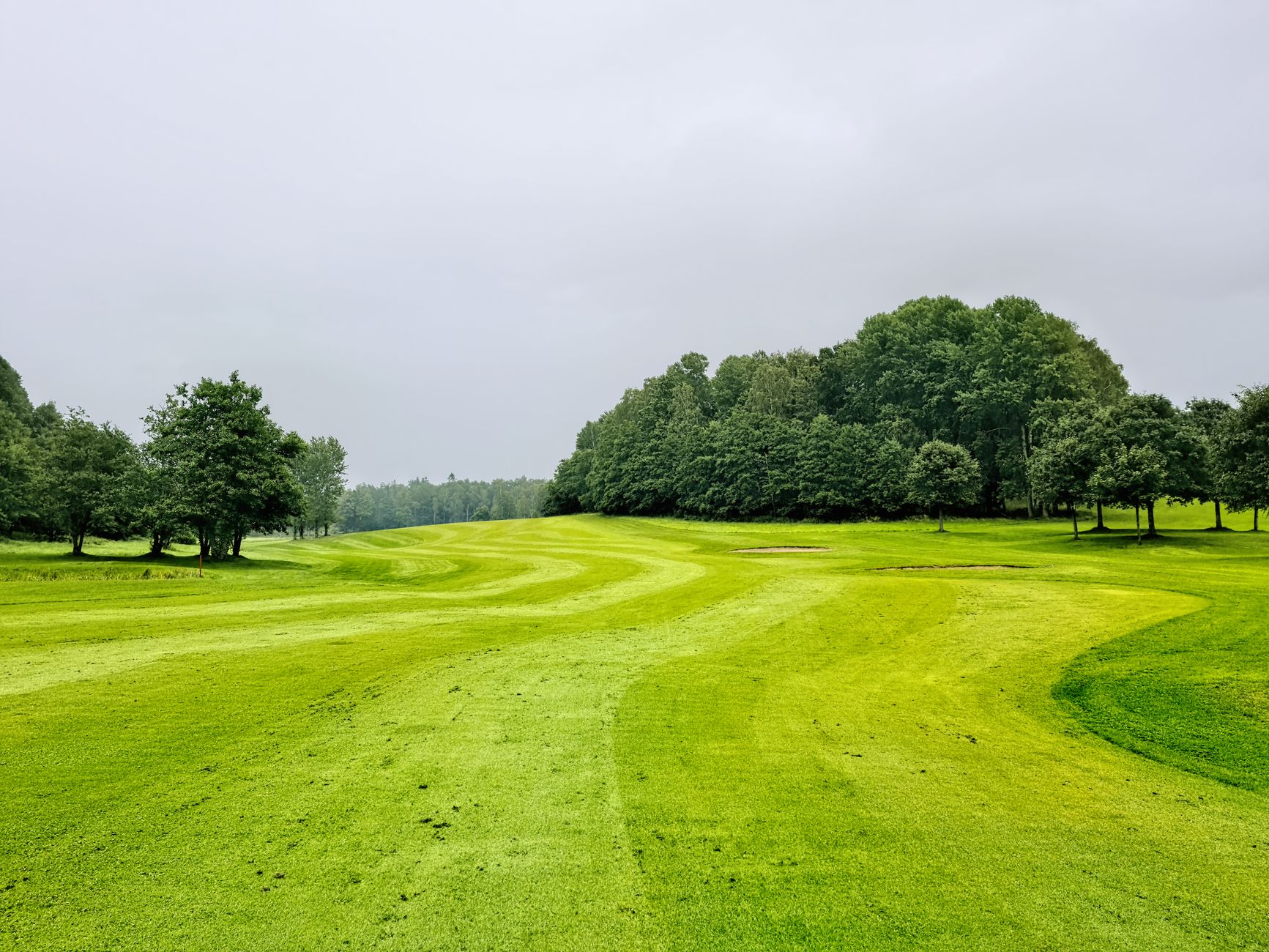
On a course running autonomous fairway mowers, the early hours stop being mostly about the machine and start being mostly about verification. The mowers follow a schedule set around the tee sheet, so the crew arrives to learn what the robots did overnight, what they still need, and whether any zone needs a person before golfers come through.
Wichita Country Club in Kansas is the clearest recent example. The club expects its morning fairway routines to change in 2026 as it adopts autonomous fairway mowers. Its superintendent, Curtis Schriever, has said the goal is to keep the same staff and take some of the mowing burden off them. The club has not reported outcomes such as hours saved, so what follows describes an expectation, not a result.
The sequence below shows how a morning like this is typically organized, and what the crew checks before the first tee time.
What has Wichita Country Club said it expects?
Wichita Country Club is described as the oldest private club in central Kansas and one of the first in the region to take up autonomous fairway mowing. Reporting on its plans says the club is set to begin using Toro autonomous fairway mowers in 2026, with two units in the plan.
Schriever has also said crew leaders will manage the machines much as they manage employees. That places supervision with a named role on the crew, not with a vendor dashboard, and it changes what a crew leader is expected to know before the first group tees off.
Plans are not results. The club has not reported how the machines performed on its turf, so its first season will be the real test.
How is the mowing schedule set around play?
Autonomous mowers do not run on a stopwatch. The schedule has to fit tee sheets, shotgun starts, cart traffic, and the greens crew's own work, so mowing windows usually sit before the first group and between waves. The superintendent sets those windows and any holds, then changes them when the calendar changes.
Tournament weeks show how tight that fit can get. Husqvarna brought autonomous mowing to the 2026 U.S. Senior Women's Open, according to Sports Field Management. At The Belfry in England, autonomous mowers worked the Brabazon Course during a week hit by rain in the 2026 Husqvarna British Masters, according to Golf Business News.
Rain is the harder test. Wet turf and shifted play both push a calendar around, so a schedule that works on a dry Tuesday needs a plan for the morning it does not.
What do the superintendent and crew check before the first tee?
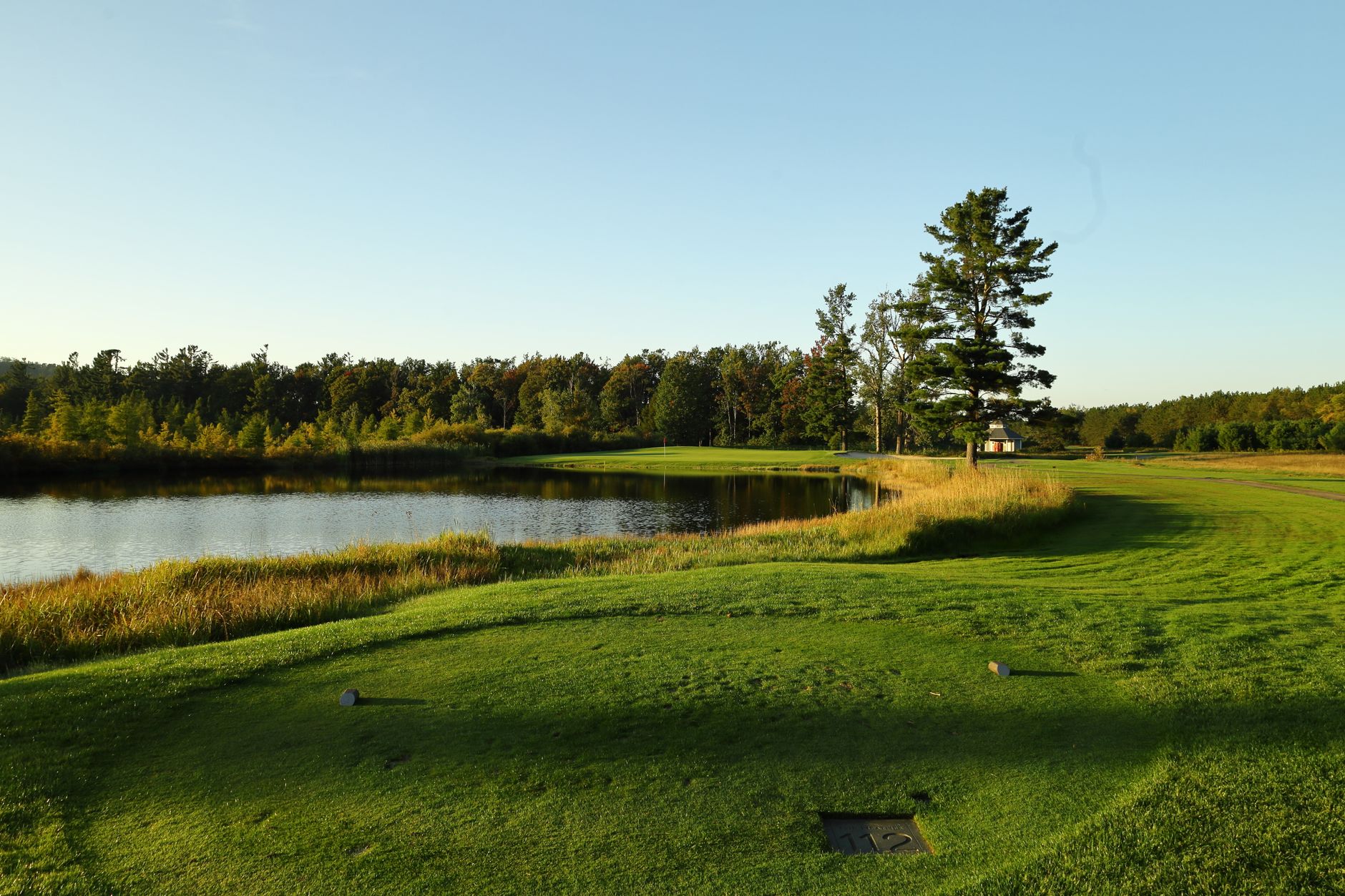
The check is a short, ordered walk through data and turf, not a second mow. A typical check covers the items below, roughly in this order, before golfers reach the first tee.
- The overnight alert log, noting any stop, fault, or lost position and whether the unit resumed on its own.
- Charge status on each unit, and whether it reached its dock on schedule.
- Map changes since the last update, including tree work, storm debris, bunker edits, and new sprinkler heads.
- Hold zones around greens, tee boxes, and any work underway that morning.
- A visual pass of the fairways the robot covered, looking for missed strips, scalping, and clippings on cart paths.
- Who answers alerts during play, and who can reach a unit on site if one needs a person.
Who supervises a robot mower during play, and what do vendors report?
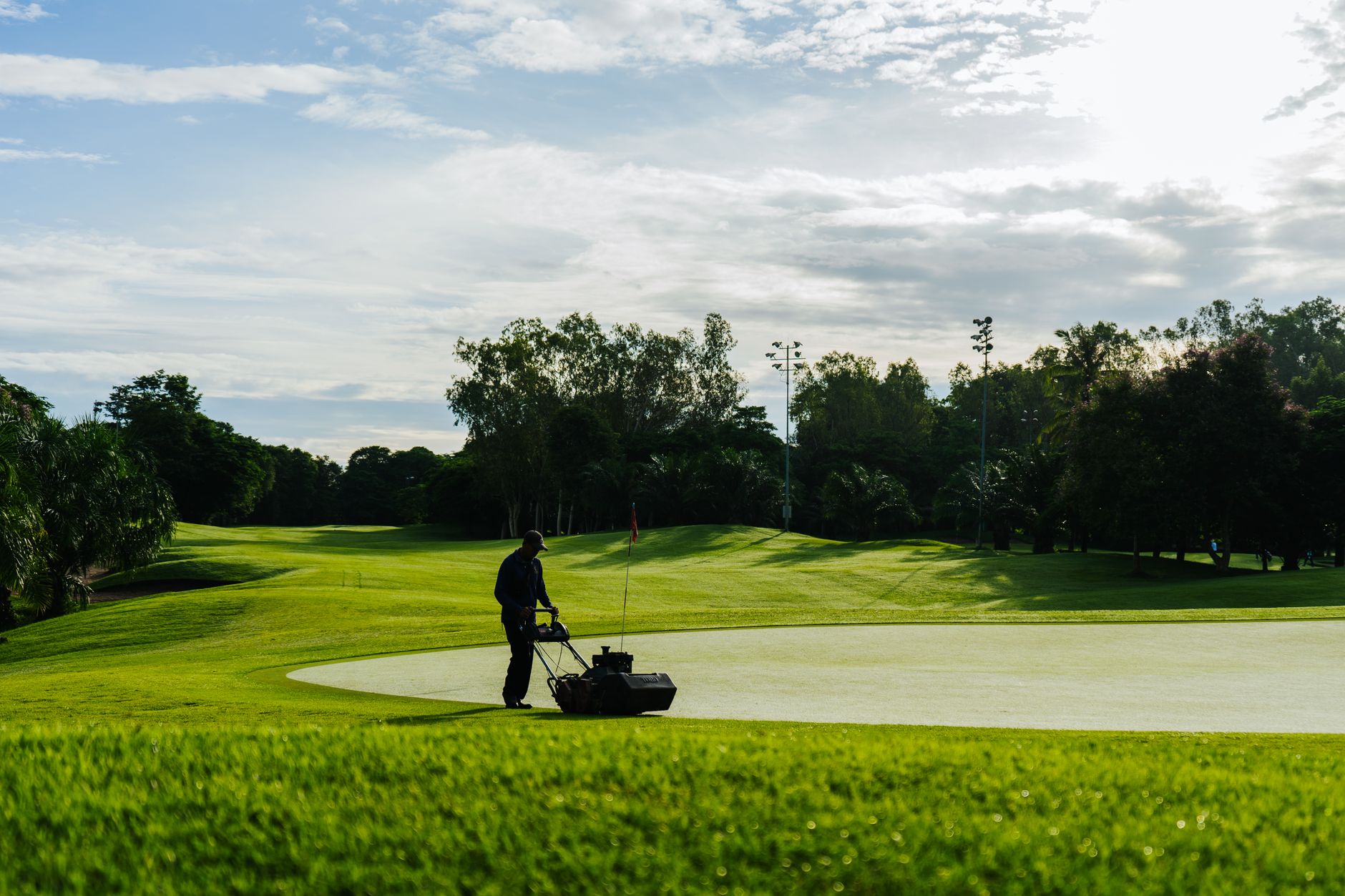
The supervisor is the most important new role in this routine. A crew leader who reads an alert queue and a map needs different skills from one who only walks a line. The crew also needs a clear rule for when a machine is paused and a person takes over, and that rule should be posted where everyone can see it.
The technology is also reaching more courses in 2026. FireFly Automatix and Concert Golf Partners announced the installation of robotic fairway mowers on March 31, 2026. Kohanaiki in Hawaii reported deploying the FireFly Automatix AMP L100 autonomous electric mower on May 27, 2026, as the first in the state to do so.
How should a club judge vendor hour-savings claims?
Vendor material on autonomous mowers often leads with hour savings. Treat those claims as the start of a test, not the answer. Compare them against your own fairway hours, morning check times, and alert counts, recorded for the same period before and after a change.
Include a stretch of weather in the comparison, because rain changes both the turf and the play. A club that expects change, as Wichita does, will learn the most from its first wet week, not from a dry week in a brochure.
Where does a vendor neutral integrator fit?
Service Robot Co. is a full service commercial robot integrator. We are OEM neutral, so we select robots across manufacturers, then finance, deploy, integrate, train, and service each unit through a nationwide US engineer network. For a club weighing autonomous mowing, that means one partner for the whole lifecycle instead of a stack of separate contracts.
Our offer is a commercial robot lease with a term of three years and one fixed lease payment quoted after a site assessment. The site assessment maps the course and its zones first, so the quote reflects the real ground. Go live support and remote triage follow the robots into service, with on site dispatch when a unit needs a technician.
Frequently asked questions
Want a robot working for you?
Tell us the job and the site. We will recommend the robot, quote the lease, and keep it serviced.
Sources
Service Robot Co. is not affiliated with, sponsored by, or endorsed by the companies mentioned in this article.