Key takeaways
- Amid an ongoing labor crisis, major hotel chains have accelerated the deployment of delivery robots for room service and amenities.
- These robots free up front-desk and concierge staff, allowing them to focus on high-value guest interactions instead of simple delivery tasks.
- Autonomous delivery robots can navigate hallways and integrate with elevators to provide 24/7 service across multiple floors.
- Data from early deployments shows a significant reduction in guest wait times and an increase in overall guest satisfaction scores.
- Robot-as-a-Service (RaaS) models lower the barrier to entry, allowing hotels to deploy robotics without large upfront capital investment.
Why Hotels Are Turning to Robotic Delivery
Major hotel chains are increasingly using autonomous delivery robots to solve a critical, persistent problem: a severe shortage of staff. Throughout 2025 and into 2026, brands like Marriott have expanded their use of robotics to handle routine tasks like room service and amenity delivery, addressing significant operational challenges head-on.
The hospitality industry faces a projected labor shortfall of 18% in 2026, according to the American Hotel & Lodging Association (AHLA). Key positions like front desk staff, responsible for much more than just check-ins, are among the hardest to fill, with 26% of hotels reporting shortages. This gap forces remaining employees to cover an unsustainable range of duties, from managing guest arrivals to running towels up to the tenth floor.
By automating these simple point-to-point deliveries, hotels free their valuable human staff to focus on what they do best: providing high-touch, personal service to guests. The robots handle the repetitive transit, while the front-desk team manages complex requests, resolves issues, and creates a welcoming environment, boosting overall operational efficiency.
What Is Driving This Widespread Adoption?
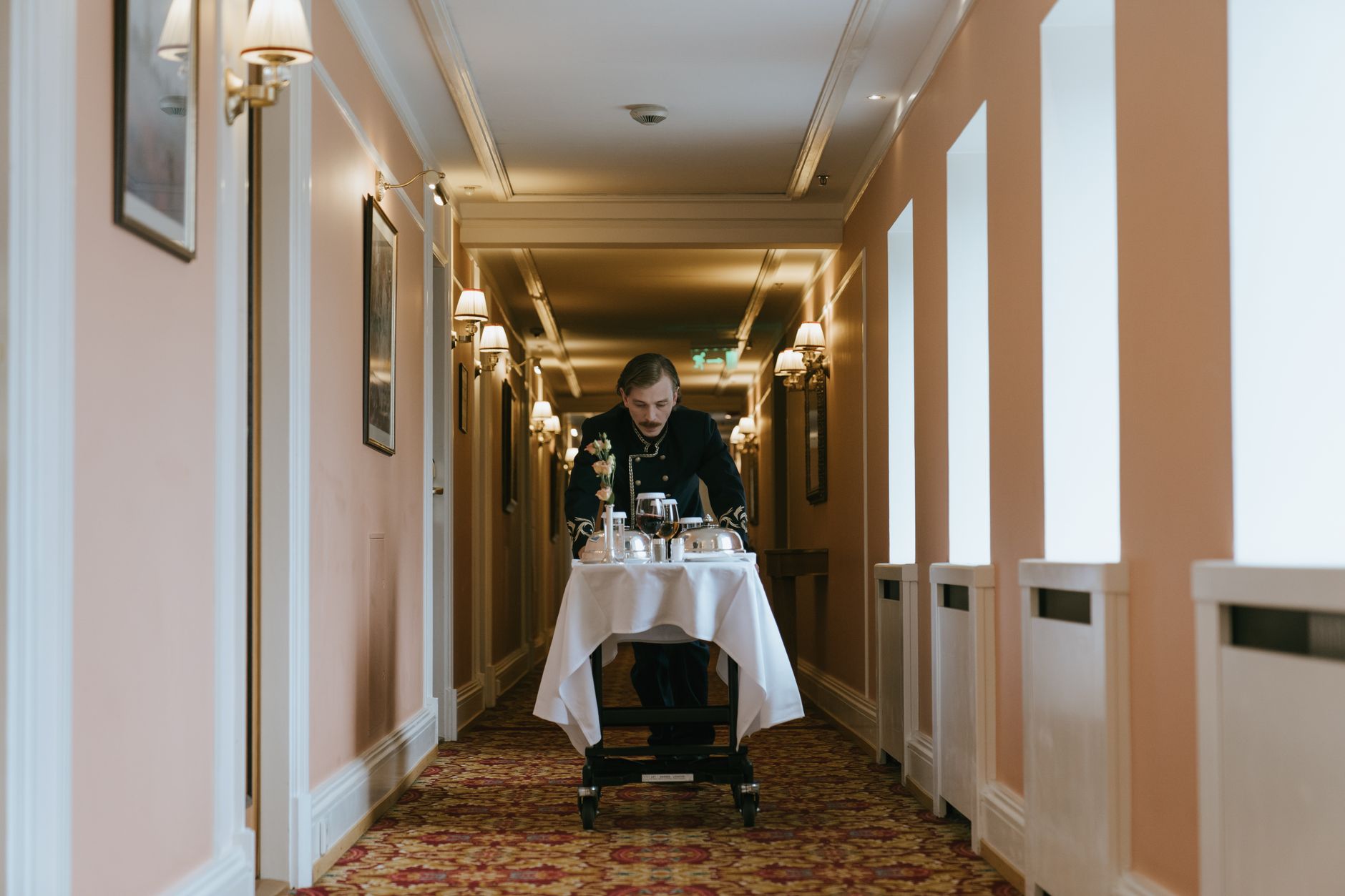
The turn toward automation is a direct response to a difficult labor market. The U.S. leisure and hospitality sector consistently reports high numbers of job openings and elevated turnover rates compared to other industries. According to the U.S. Bureau of Labor Statistics, the sector had 969,000 job openings as of January 2026.
This isn't just a numbers problem; it's a financial one. A March 2026 survey by the AHLA found that rising labor costs are a top concern for 65% of hotel owners, second only to the cost of goods and supplies. Chronic understaffing leads to overworked employees, burnout, and even higher turnover, creating a costly cycle for operators.
Delivery robots offer a practical way to break this cycle. They work around the clock, are not subject to shift limitations, and handle the endless flow of small requests that can overwhelm a lean front-desk team, especially during peak hours or overnight. This allows hotels to maintain service levels without overburdening their staff.
How Do Hotel Delivery Robots Work?
The process is straightforward and designed for efficiency. When a guest requests an item, like extra towels or a meal, a staff member at the front desk or in the kitchen loads it into the robot's secure compartment. They then enter the room number on a touchscreen, and the robot begins its journey.
Using a combination of LiDAR and other sensors, the robot autonomously navigates the hotel's corridors, safely avoiding obstacles like luggage carts and people. A key technological hurdle, multi-floor travel, has been solved through direct integration with modern elevator systems.
The robot can electronically call the elevator, select the correct floor, and exit to continue its route. Upon arrival at the guest's door, the robot typically calls the room's phone to announce its presence. The guest then opens the door and retrieves their items from the robot's compartment, completing a fully automated, contactless delivery.
What Is the Impact on Operations and Guest Satisfaction?
The operational benefits are clear and measurable. Pilot programs and early deployments have demonstrated significant efficiency gains. A deployment at multiple Marriott properties, for example, resulted in a 35% reduction in delivery requests handled by front desk staff, with each robot completing over 50 autonomous deliveries per day.
This directly translates to a better guest experience. With robots handling simple deliveries, wait times are reduced, and service becomes more consistent, even during busy periods. The same Marriott deployment saw guest satisfaction scores for room service increase by 8%. One major chain even reported a 20% increase in sales after implementing mobile robots, driven by faster response times.
By freeing human employees from repetitive transit tasks, hotels enable them to be more present and available for complex, value-added interactions. This focus on higher-level service not only improves guest satisfaction but can also lead to better staff morale and retention.
What Are the Financial Models for Acquiring Robots?
While the operational benefits are compelling, the upfront capital cost of purchasing a fleet of robots can be a significant barrier. Recognizing this, the industry has moved toward more flexible financial arrangements that make automation accessible to more properties.
Robot as a Service, or RaaS, is a popular subscription-based model. Instead of buying the hardware, hotels pay a monthly fee that typically includes the robot, software updates, maintenance, and support. This approach eliminates upfront capital expenditure and converts the investment into a predictable operating expense.
Leasing programs offer another path, allowing businesses to acquire robotic capabilities with manageable monthly payments. These models de-risk the investment, making it financially viable for properties of all sizes to start automating. At servicerobotco.com, we offer robot leasing, RaaS monthly subscriptions, and purchase options, ensuring there's a financial path that works for any operational budget.
Frequently asked questions
Sources
Service Robot Co. is not affiliated with, sponsored by, or endorsed by the companies mentioned in this article.