Key takeaways
- Pudu's published case study centers on one CC1 scrubber for public-area cleaning at a Balinese-style city hotel in Osaka.
- The property framed the robot as a way to keep staff closer to hospitality work instead of long scrubbing loops.
- Resort-themed lobbies and corridors still behave like high-traffic hard-floor jobs that need mapped routes and quiet night windows.
- US buyers should treat the story as a scope lesson: one scrubber can anchor a pilot before you add runners or patrol units.
- A vendor-neutral integrator matters when you compare CC1-class scrubbers against other manufacturers for your floor mix.
What did Hotel Bali Tower Osaka Tennoji deploy?
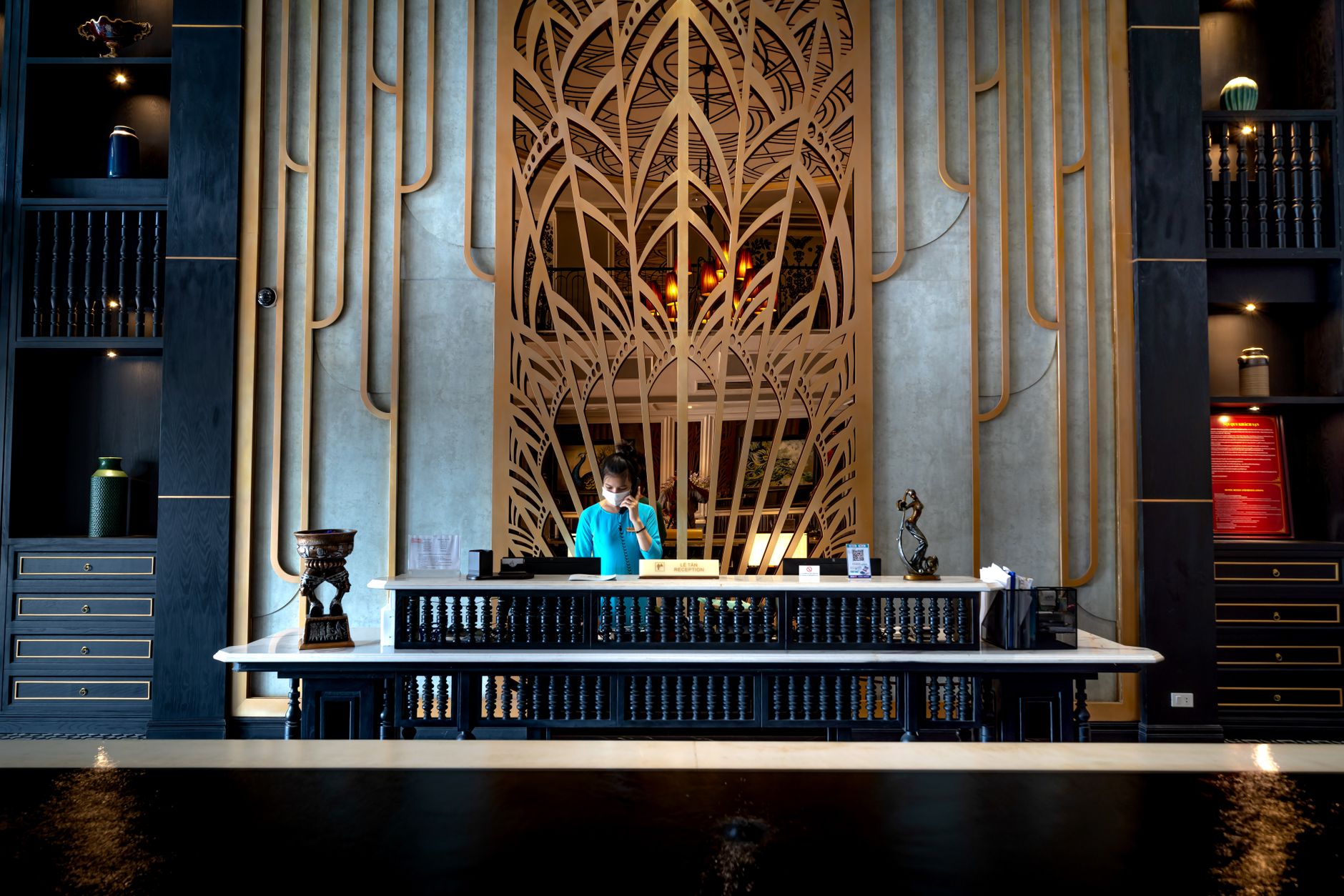
Hotel Bali Tower Osaka Tennoji is marketed as a Balinese-style resort inside Osaka's Tennoji district. According to Pudu Robotics' case study page checked in October 2026, the hotel integrated the company's CC1 cleaning robot to handle cleaning challenges in public areas.
The manufacturer describes the CC1 as supporting both operations and guest interaction, with staff able to spend more time on hospitality tasks. The write-up does not present the project as a full-property automation overhaul. It highlights floor care in shared spaces where foot traffic and presentation standards stay high all week.
For a US reader, that framing matters. The deployment is a targeted scrubbing program at a themed hotel, not a promise that one machine replaces housekeeping in every guest room.
Why do themed hotel lobbies punish manual scrubbing schedules?
Resort-style properties lean on visual detail. Stone accents, dark tile, and wide circulation paths show scuffs fast when tour groups, check-in queues, and restaurant traffic overlap.
Manual scrubbing often gets pushed to overnight crews that are already thin. When a banquet lets out late or a group arrives off schedule, the mop cart loses the race.
An autonomous scrubber does not remove the need for detail work at edges and restrooms. It does hold a repeatable hard-floor program on the routes you map once, which is the workload the Bali Tower story emphasizes.
Humidity and salt on shoes from travel days can also accelerate finish wear near entries. A mapped scrubber lets you increase frequency on those lanes without adding another hourly head on the schedule.
How does a CC1-class scrubber fit corridor and lobby routes?
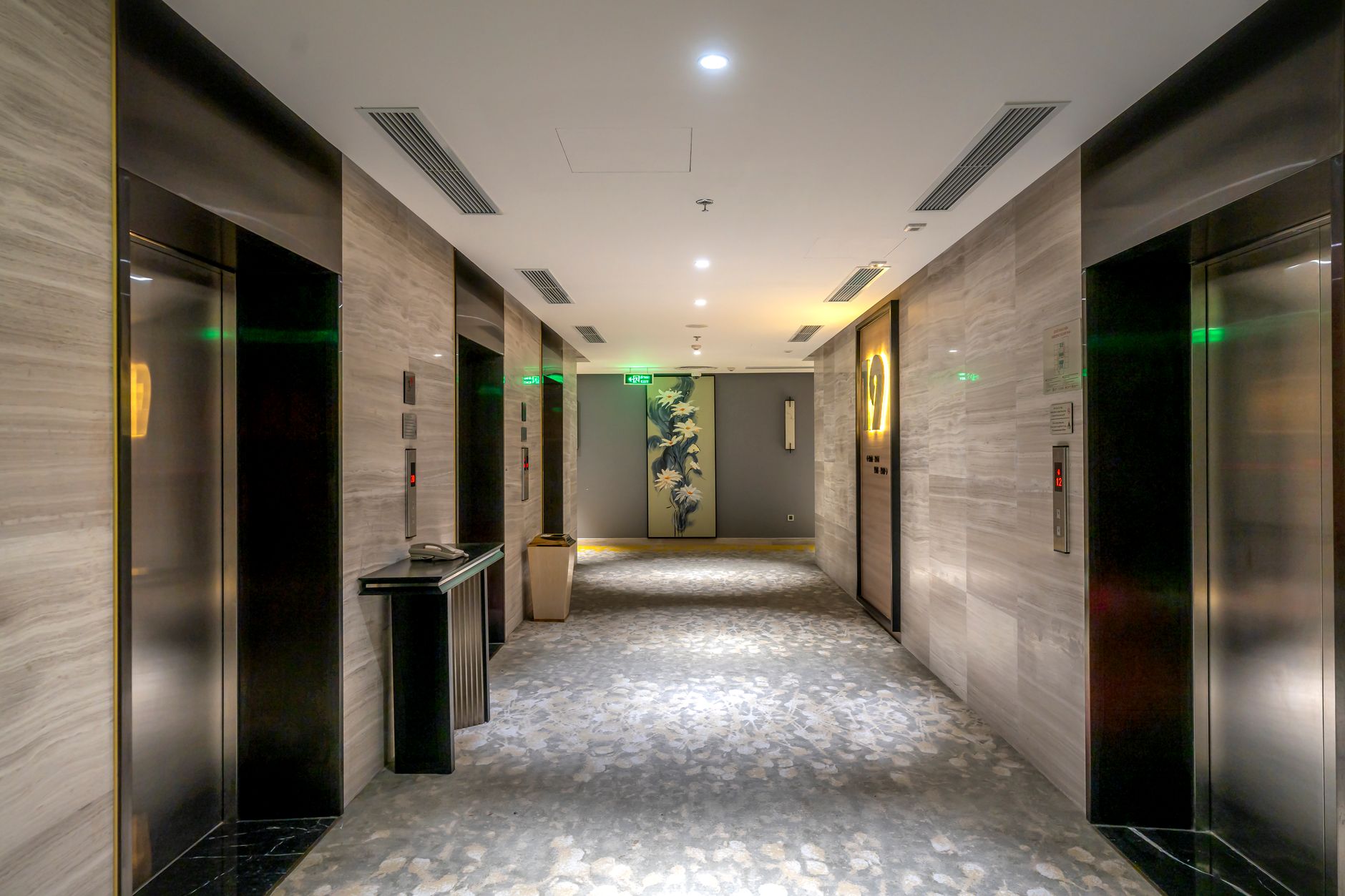
CC1 is positioned in manufacturer materials as a commercial cleaning robot aimed at hard-floor maintenance. In a hotel context that usually means lobbies, pre-function corridors, and connector hallways with predictable geometry.
Mapping work should separate guest queues from machine paths. Elevator lobbies, bell desks, and bar openings need slow zones or time windows so the scrubber runs when those areas are quiet.
Battery swaps, water fill, and squeegee maintenance still need a closet plan. US properties often underestimate how much dock space a scrubber consumes compared with a compact vacuum.
- Map guest queue zones separately from scrubber paths
- Run heavy routes after late dining traffic when possible
- Keep a human reset checklist for edges, mats, and elevator thresholds
What did Pudu say about guests and staff on site?
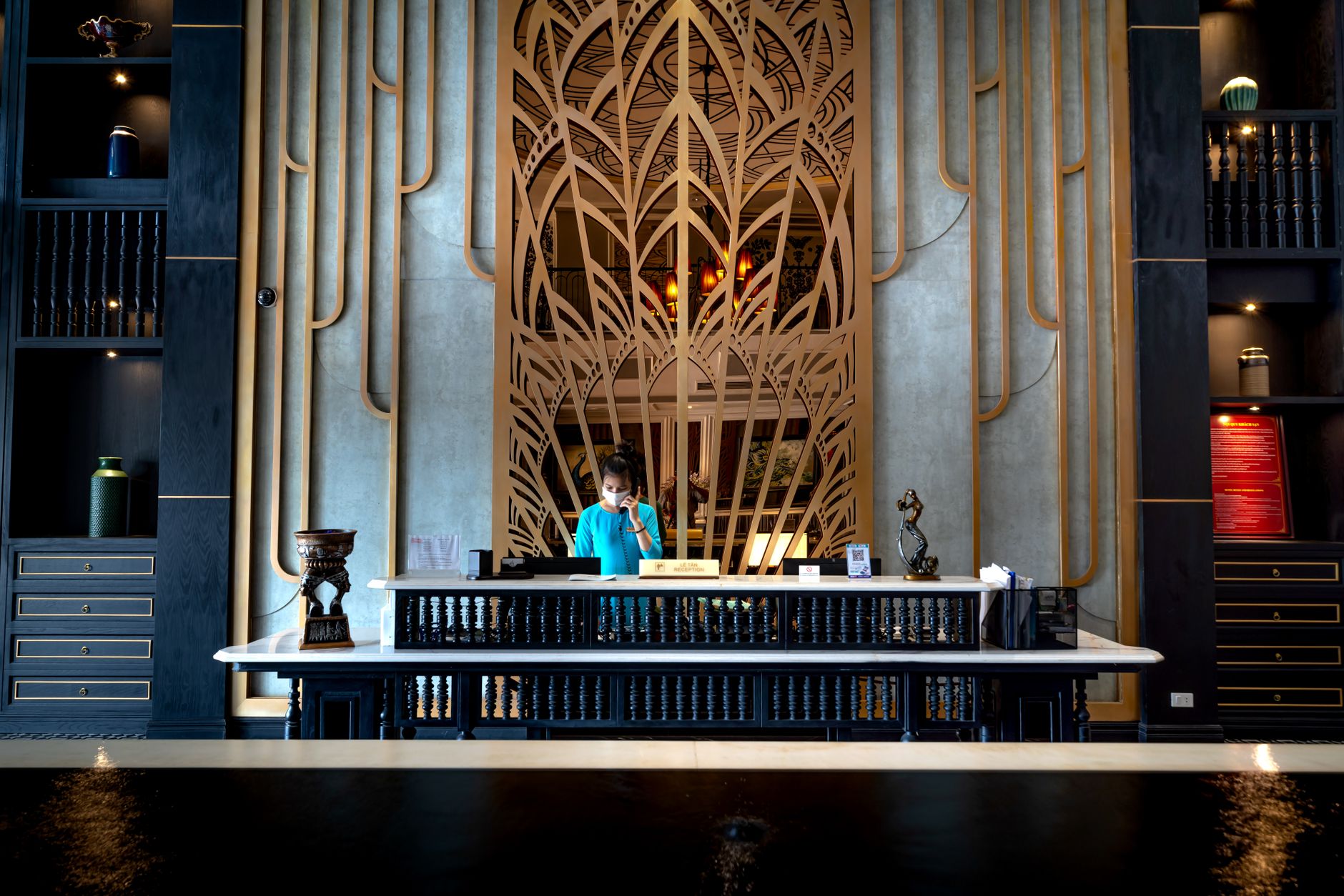
The Bali Tower case study stresses guest interaction alongside cleaning performance. That language fits hotels that want robots visible enough to signal modern service without turning public areas into a demo floor.
Staff time freed from long scrub loops can return to greeting, luggage assistance, and issue resolution at the front of the house. The case study does not publish labor hour savings or headcount changes, so US operators should not import numbers that are not on the page.
Training still has to cover pause procedures, elevator etiquette, and who answers guest questions when the scrubber is mid-route.
When is one scrubber enough for a US hotel pilot?
A single CC1-class unit can anchor a pilot when most of your pain sits on one hard-floor zone under about forty thousand square feet and you can protect a nightly or off-peak window.
Limited-service hotels, boutique properties, and conference hotels with one dominant lobby loop often fit that profile. You prove consistency on the highest-visibility floors before you expand to ballrooms or back-of-house corridors.
Lease financing through an integrator can keep the pilot off the capital committee calendar while you log run hours, water usage, and guest comments for thirty to sixty days.
Track slip incidents and guest complaints about floor shine as leading indicators. If both improve while labor hours on scrubbing fall, you have evidence to justify a second machine or an expanded map.
When should you plan a multi-zone scrubbing program instead?
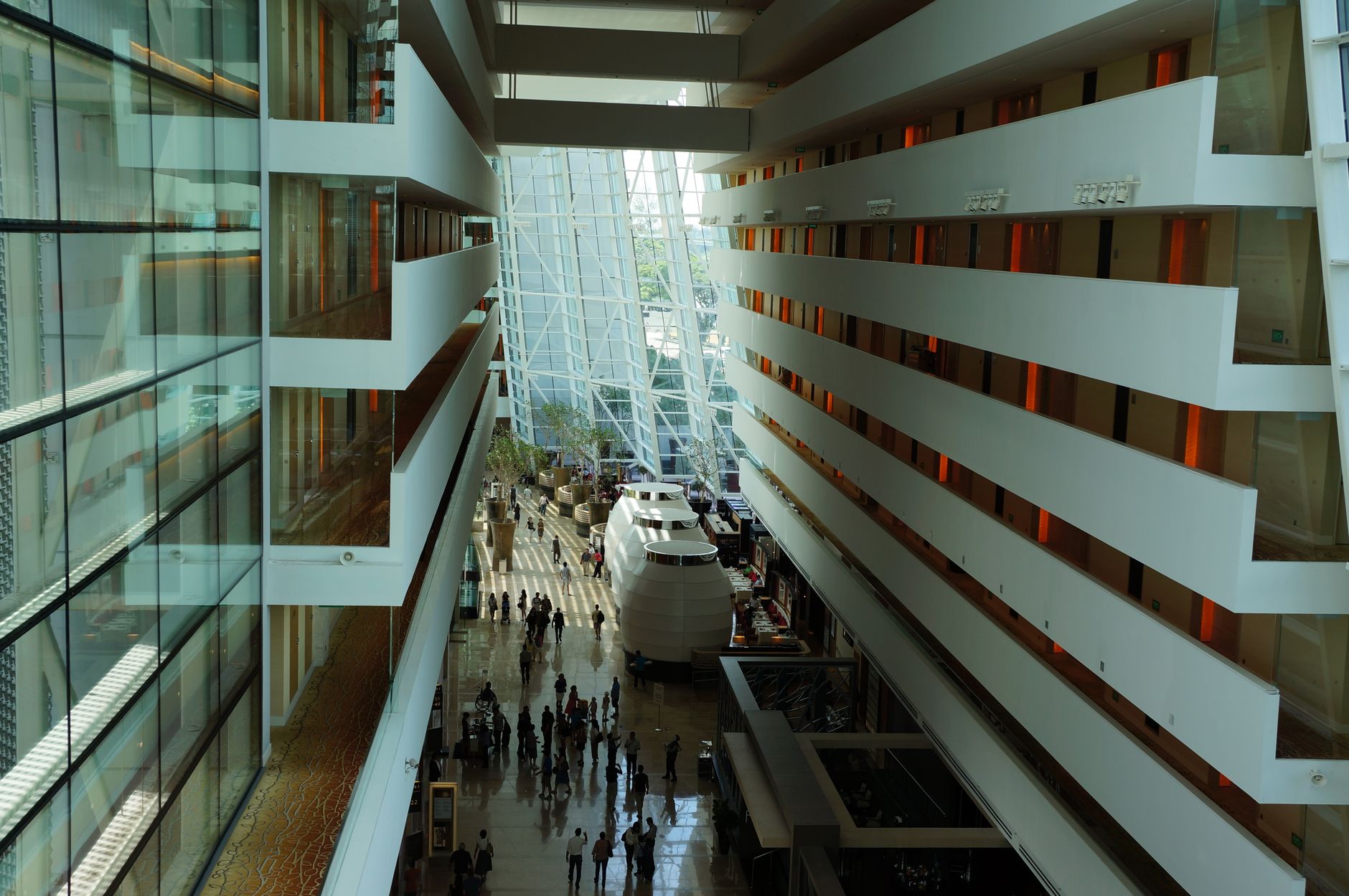
Add zones when ballrooms, meeting pre-function space, and retail pods each need different pad pressure, chemical dilution, or dry time. One machine can still cover them, but the schedule becomes a logistics puzzle without clear priority rules.
Properties with mixed flooring, carpet runners, or frequent furniture moves need more change-control than a single-lobby resort tower case implies. Those sites often pair a scrubber with autonomous vacuums or contract detail crews for edges.
If you already run delivery robots for room service, coordinate paths so scrubbers and runners do not compete for the same elevator bank at checkout time.
How should US operators borrow the lesson without copying Osaka?
Start with a walk that lists every hard-floor guest touchpoint, then mark where carts, luggage, and catering racks force replans. Osaka floor plans will not match a suburban conference hotel or a beachfront resort in Florida.
Document noise limits for evening events. Scrubbers are quieter than old propane buffers, but squeegees and vacuums still carry sound signatures that matter near guest rooms.
Service Robot Co. can line up vendor-neutral scrubber options, map the pilot zone, set buy or lease terms, and keep RoboCare service on the same contract if you expand to delivery or patrol robots later. The Bali Tower story is a reference point for scope, not a blueprint for your square footage.
Photograph your floor transitions before the first autonomous run. Those images become the change-control record when you move furniture for weddings or trade shows.
What should you verify before you sign a scrubber lease?
Confirm detergent compatibility with your flooring vendor warranty. Resort-themed finishes sometimes use sealers that react poorly with aggressive pads.
Ask how remote diagnostics and on-site dispatch work for your metro. Downtime during a sold-out weekend costs more than a missed night scrub in a slow season.
Request a written map of what training includes for front desk, security, and night engineering so every shift knows how to pause or redirect the robot.
Frequently asked questions
Sources
Service Robot Co. is not affiliated with, sponsored by, or endorsed by the companies mentioned in this article.