Key takeaways
- OSHA renewed its National Emphasis Program (NEP) for warehouses on August 6, 2026, extending it for five years.
- The program focuses on hazards from powered industrial trucks, material handling, and ergonomic risks.
- Deploying AMRs and cobots directly addresses these specific hazards, reducing injury risk and supporting compliance.
- AMRs automate material transport, minimizing forklift accidents and manual handling strains.
- Cobots handle repetitive tasks like palletizing, which directly mitigates common ergonomic injuries.
What Is OSHA's Renewed Warehouse NEP for 2026?
On August 6, 2026, the Occupational Safety and Health Administration (OSHA) renewed its National Emphasis Program (NEP) for warehousing and distribution centers, extending it for five years. This program directs OSHA to proactively conduct comprehensive safety inspections at warehouses, distribution centers, and other specified logistics facilities, rather than waiting for an accident or complaint. The goal is to reduce injury and illness rates in an industry that has seen rapid growth coupled with workplace injury rates that are often double the average for private industry.
The renewed NEP continues to focus on some of the most persistent dangers in warehouse environments. Compliance officers will conduct thorough inspections targeting hazards related to powered industrial trucks like forklifts, material handling and storage, and ergonomic risks from repetitive motion and overexertion. The directive also covers walking-working surfaces, means of egress, heat hazards, and fire protection. For warehouse operators, this sustained focus means the likelihood of an unannounced, comprehensive inspection remains high through 2031.
Why Are Forklifts and Material Handling a Primary Focus?
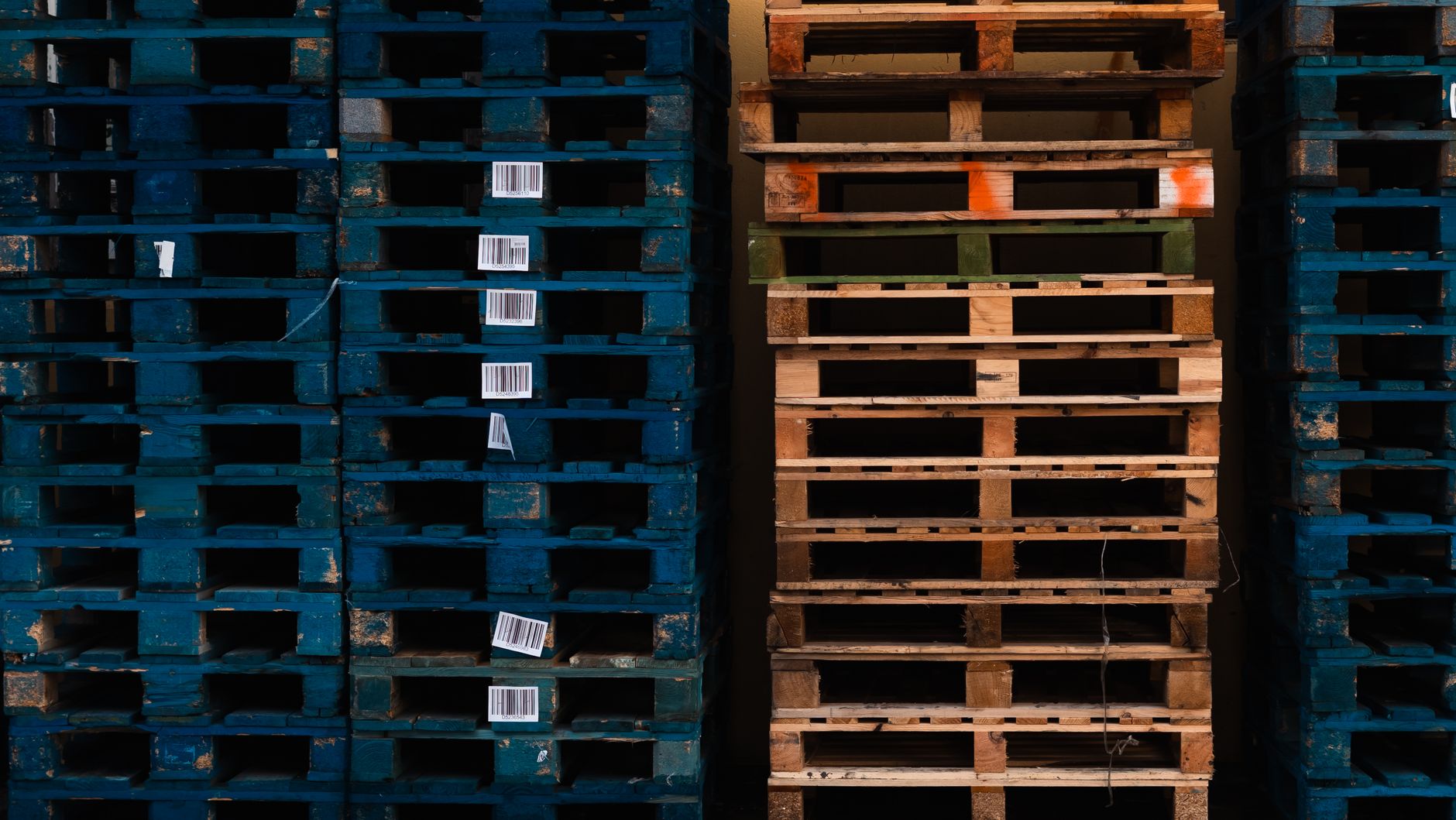
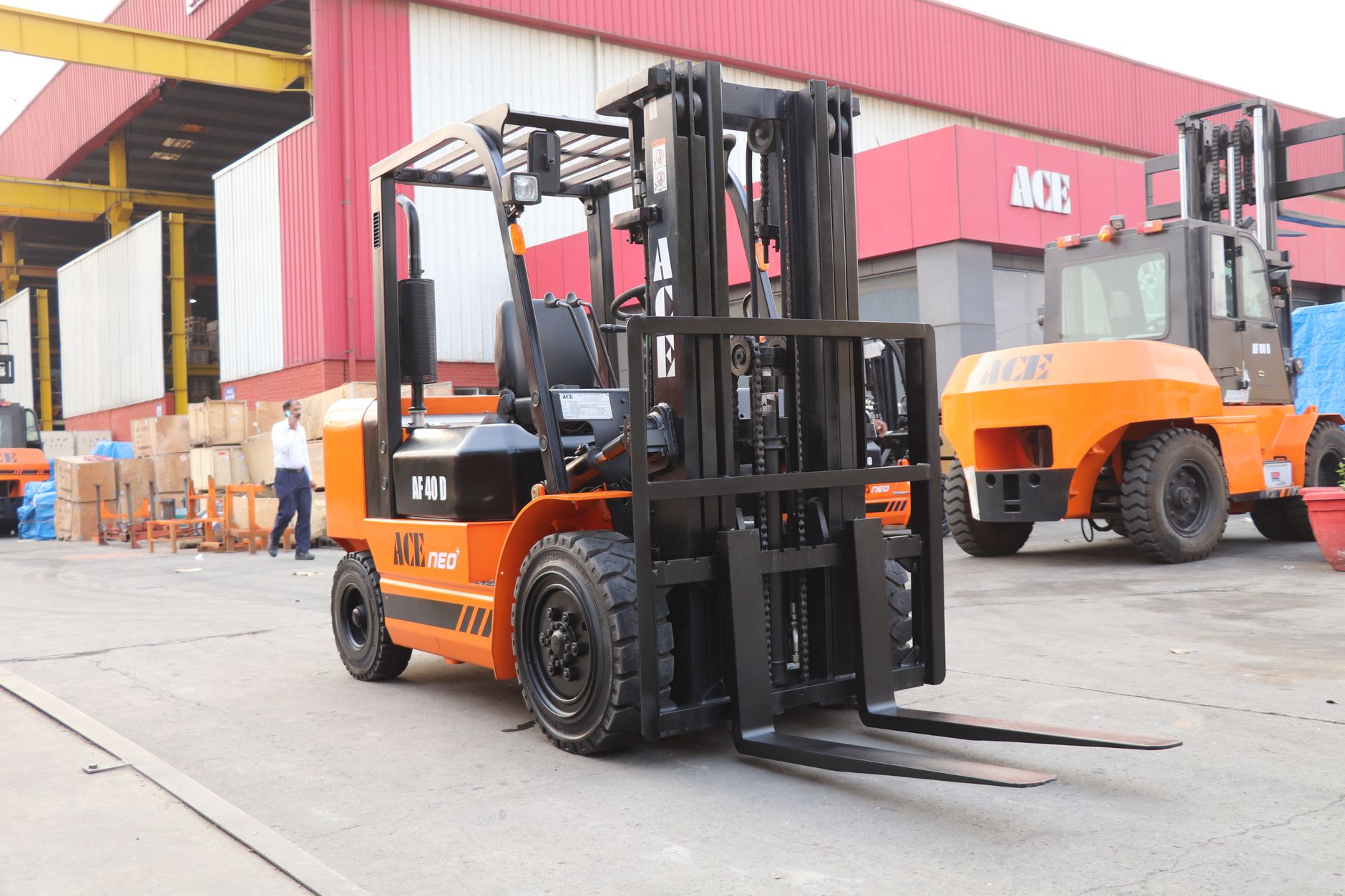
Powered industrial trucks, primarily forklifts, are a top priority for OSHA due to the severity and frequency of accidents. Annually, forklift-related incidents result in 75 to 100 worker fatalities and tens of thousands of injuries, with OSHA estimating that as many as 62,000 non-serious injuries occur each year. Statistics show that approximately 11% of all forklifts will be involved in an accident annually, and overturns are a common incident type, accounting for a quarter of all forklift accidents.
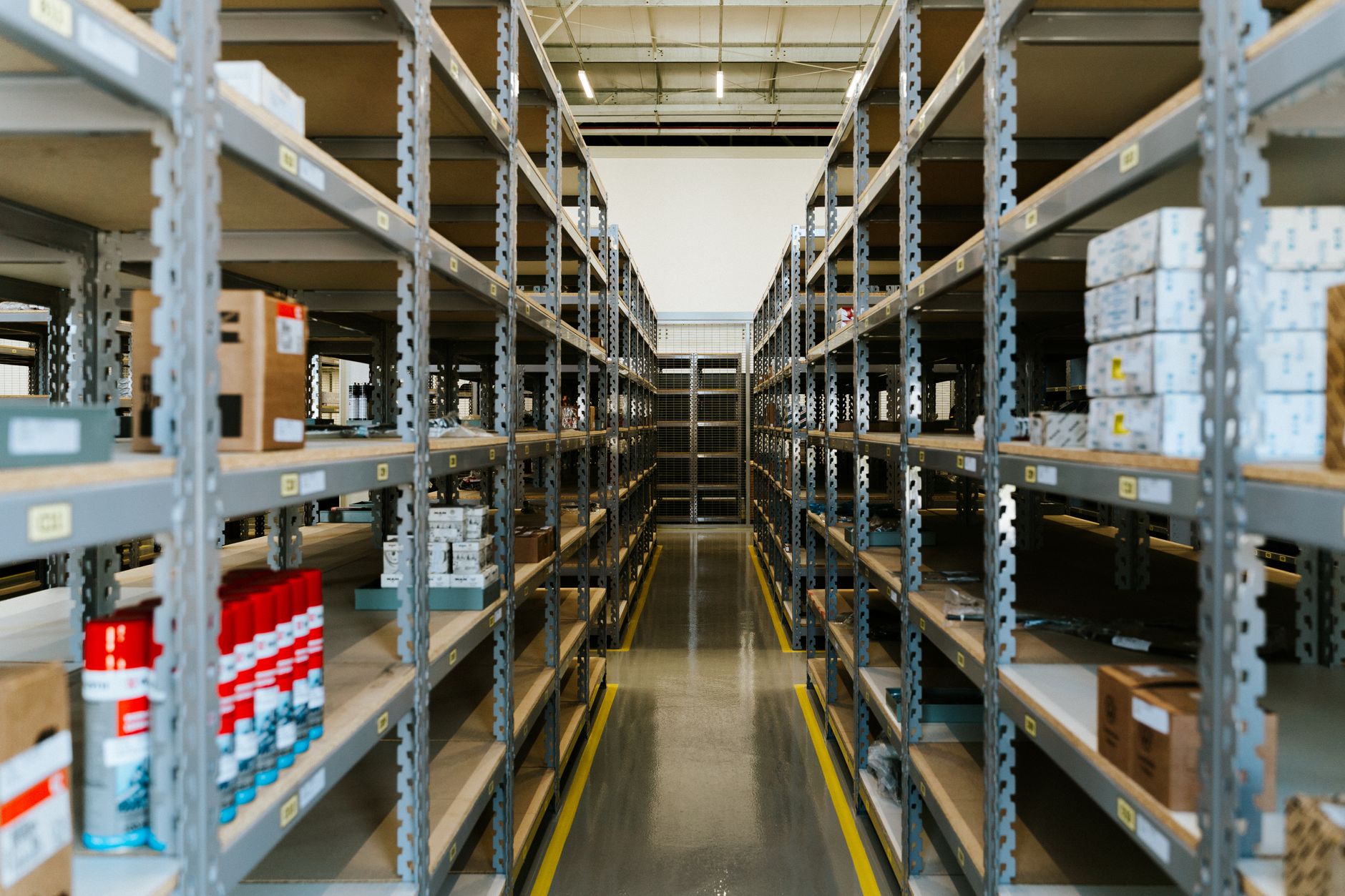
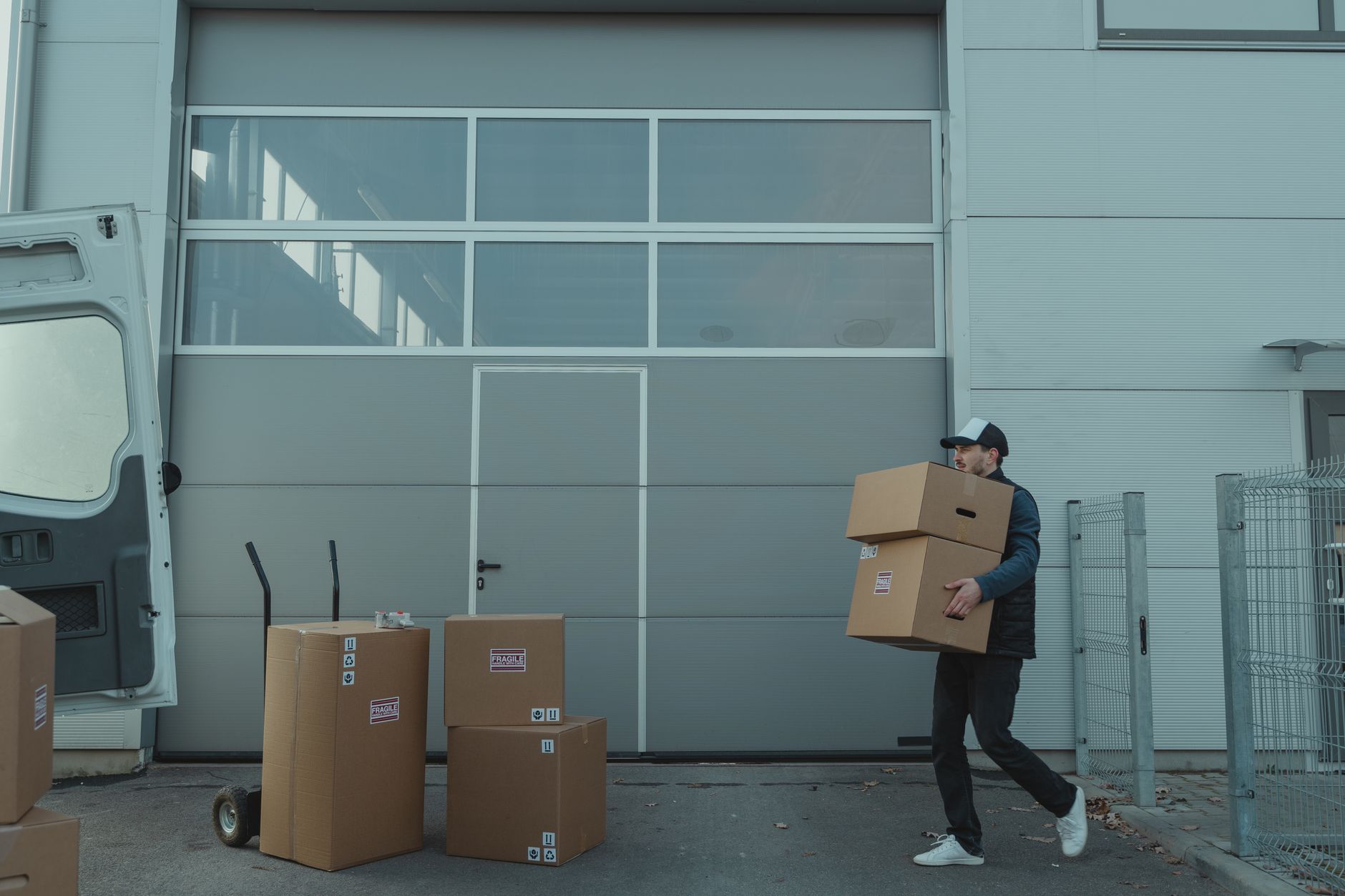
The NEP's focus on material handling extends beyond forklifts to the manual lifting, carrying, and moving of goods, which is a major source of musculoskeletal disorders (MSDs). Overexertion from lifting, pushing, and pulling heavy loads is one of the leading causes of injury in the warehousing sector. The Bureau of Labor Statistics has previously noted that the warehousing and transportation sector has a significantly high rate of MSDs. These injuries result in significant costs from workers' compensation claims and lost workdays.
How Do Autonomous Mobile Robots (AMRs) Address These Risks?
Autonomous Mobile Robots (AMRs) directly mitigate the risks OSHA is targeting by automating the movement of goods, which reduces the reliance on forklifts and manual material handling. AMRs are designed to transport pallets, carts, and bins safely and efficiently through a warehouse without a human operator, navigating via advanced sensors and real-time mapping.
By taking over repetitive transport tasks, AMRs reduce the congested and often chaotic floor traffic involving manned forklifts. This separation of workers from heavy equipment systematically decreases the opportunity for struck-by accidents, which are a leading cause of forklift-related fatalities. AMRs are equipped with sensors, LiDAR, and cameras that enable them to detect and avoid obstacles, including people and other equipment, making them a safer alternative for moving materials in a dynamic environment.
Furthermore, implementing a 'goods-to-person' model with AMRs brings items directly to workers at stationary picking stations. This nearly eliminates the physical strain of walking long distances, pushing heavy carts, and manually moving inventory, which are all significant ergonomic risk factors. Automation of these strenuous tasks leads to a direct reduction in the risk of MSDs.
What Role Do Cobots Play in Mitigating Ergonomic Hazards?
Collaborative robots, or cobots, are designed to work alongside human employees and are a powerful tool for addressing the ergonomic hazards OSHA is scrutinizing. These robotic arms can be deployed for highly repetitive and physically demanding tasks like palletizing, packing, and machine tending, which are frequent sources of MSDs in warehouses.
Tasks such as repeatedly lifting boxes from a conveyor to stack them onto a pallet involve awkward postures, bending, and twisting, all of which are known risk factors for back and shoulder injuries. A palletizing cobot can handle this entire process, lifting and placing items consistently without fatigue or strain. This frees human workers to focus on higher-value tasks that require more complex decision-making.
Cobots are equipped with safety sensors that allow them to operate safely near people, often without the need for extensive safety caging required by traditional industrial robots. By automating the most repetitive and physically stressful jobs at the end of a line or in a workcell, cobots directly reduce the ergonomic burden on your workforce, improving both safety and employee morale.
How Can a Robot Integrator Help Ensure OSHA Compliance?
Navigating the complexities of OSHA regulations and selecting the right automation to address them can be a significant challenge. This is where a full-service commercial robot integrator like Service Robot Co. provides critical value. We act as a single partner for your entire automation journey, from initial site assessment to long-term maintenance.
Because we are OEM-neutral, our focus is on finding the right robots for your specific operational challenges and safety goals, not on pushing a particular brand. We analyze your workflow to identify the highest-risk tasks targeted by OSHA's NEP, such as manual pallet transport or repetitive case packing, and then recommend the specific AMR or cobot best suited to mitigate that risk.
Our process covers every stage. We handle financing, including robot rental and RaaS monthly subscription models that eliminate large upfront capital expenditures. Our nationwide network of US engineers then manages the entire turnkey robot deployment: site mapping, integration with your existing systems, staff training, and go-live support. With a single number to call for service and maintenance, we ensure your fleet maintains uptime and continues to deliver the safety benefits you invested in.
What Are the First Steps Toward an Automated Safety Plan?
The first step in leveraging automation for your 2026 safety plan is a comprehensive evaluation of your current operations. Identify the specific tasks and areas in your facility that present the highest risks related to powered industrial trucks, material handling, and ergonomic strain. Documenting injury trends and near-misses can provide a clear, data-driven starting point.
Next, consider a pilot program. A 'try before you buy' approach allows you to test AMRs or cobots in a limited area of your operation to measure their impact on safety and productivity. This helps build the business case for a larger deployment and gets your team comfortable working with the technology. A robot pilot program can provide real-world data on how automation reduces specific hazards identified in the OSHA NEP.
Engaging an experienced integration partner early in this process is essential. Service Robot Co. offers a free site assessment to help you identify the best opportunities for automation. We can analyze your floor plan, workflow, and existing infrastructure to create a phased deployment plan that causes no operational shutdowns. Our expertise ensures you select a robotics strategy that not only enhances safety and compliance but also delivers a strong return on investment.
Frequently asked questions
Sources
Service Robot Co. is not affiliated with, sponsored by, or endorsed by the companies mentioned in this article.