Key takeaways
- Yes, compact autonomous scrubbers are now practical for many c-stores, but only when the store has a clear dock location and disciplined cleaning windows.
- The big shift in 2026 is form factor. New small-format machines are built for narrow aisles and high-traffic layouts that used to block robot adoption.
- In a typical c-store, the robot wins on repeatable nightly floor care and low-touch daytime touch-up routes. A porter still wins at spills, mats, clutter, and coffee-station chaos.
- For multi-site operators, the best buying question is not just robot size. It is who will map, train, service, and support the fleet when stores are live 24/7.
Are compact autonomous scrubbers finally practical for convenience stores?
Yes, in the right store they finally are. The short answer is that compact autonomous scrubbers now fit a slice of convenience retail that older floor robots often missed: tight aisles, front vestibules, cooler runs, and stores that never really go quiet. The technology is not magic, and it does not replace every cleaning task. But for repeated hard-floor scrubbing in a small footprint, the fit is much better than it was even a year ago.
That shift matters because convenience stores are small, busy, and unforgiving. According to NACS, there were 151,975 convenience stores in the United States at the end of 2025, and the average store handled 1,484 transactions per day in 2025. In that kind of traffic, floor care has to happen without turning the sales floor into an obstacle course.
The practical conclusion is simple. A compact robot works when the store has enough uninterrupted hard-floor area to justify automation, a sensible place to dock, and managers willing to schedule around rush windows. It does not work well when the floor is constantly blocked by promotional stacks, loose mats, or a coffee zone that stays wet and crowded for most of the day.
Why has the c-store floor been such a hard robotics problem?
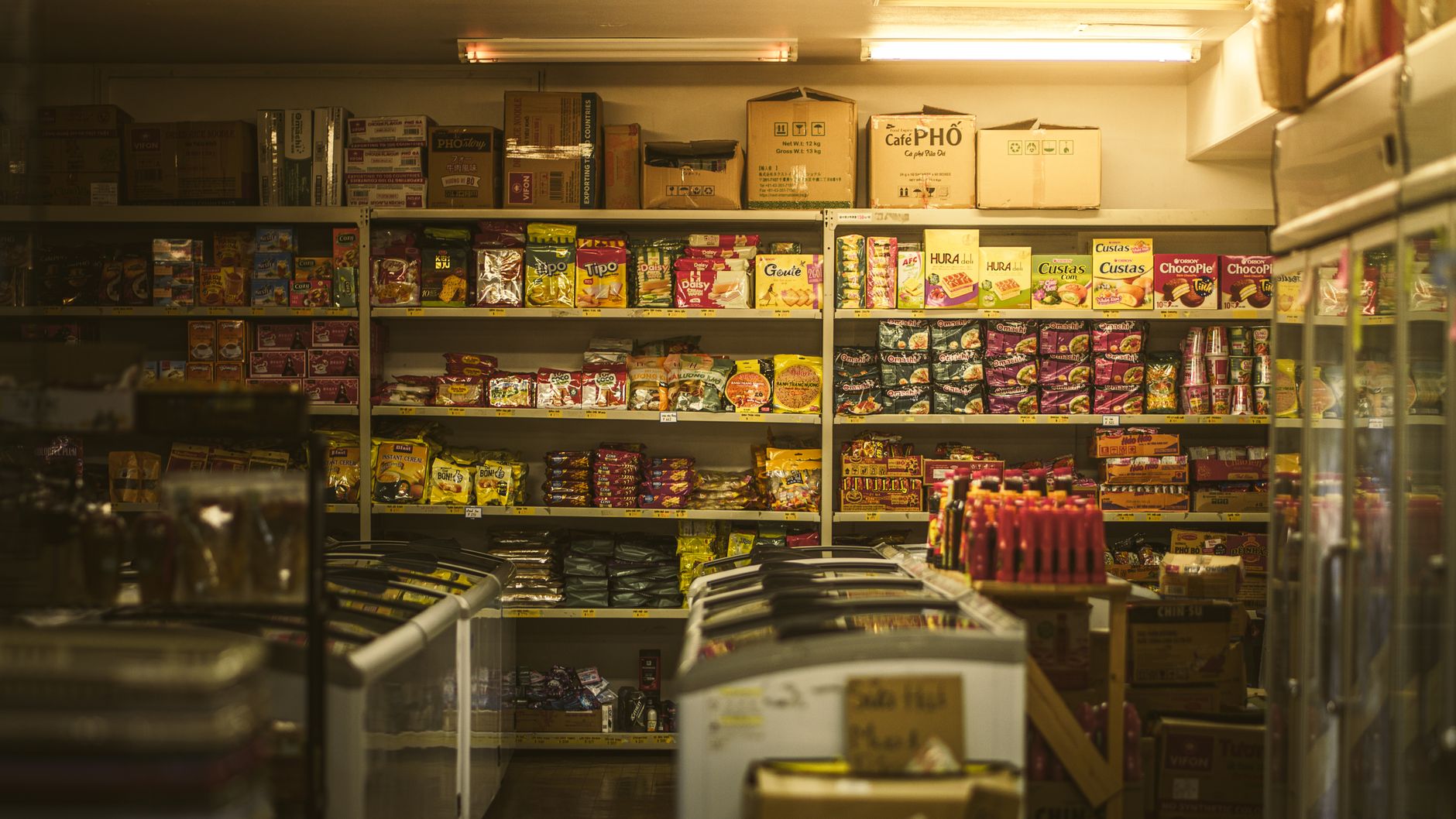
Most cleaning-robot marketing has been written for large-format retail, airports, or warehouses. Convenience stores live at the opposite end of the spectrum. NACS says a convenience store is typically less than 5,000 square feet, and it puts the average store footprint at 3,041 square feet. That is not much room once you subtract checkout, foodservice, coolers, endcaps, and customer clustering at the entrance and beverage area.
The operating pattern is just as tricky as the geometry. Many stores run extended hours, and NACS notes that many are open 24 hours a day, seven days a week. So the cleaning plan cannot assume a clean overnight shutdown. It has to coexist with coffee refills at dawn, lunch traffic, fuel customers coming in bursts, and staff who are already juggling foodservice, stocking, and the register.
That is why older machines often felt like a bad trade. They were too large for the aisle network, too needy about operator intervention, or too awkward around customers. In a c-store, a machine that is technically autonomous but constantly needs babysitting is just an expensive way to distract the shift lead.
What changed in 2026 to make the use case stronger?
The clearest news signal came on May 11, 2026, when a robotics manufacturer announced a new compact autonomous scrubber for small, high-traffic spaces including convenience stores. According to the launch release, the machine was designed to handle aisles and corridors as narrow as 29 inches, pivot in place, and return to a dock that can recharge, empty recovered water, refill clean water, and dilute cleaning solution automatically.
That combination is more important than the robot itself. Narrow-aisle mobility solves the first c-store objection. Autonomous water handling and charging solve the second, which is labor drag. If staff still have to haul the machine to a sink, dump tanks, and restart routes several times a shift, the value evaporates fast.
The market data points in the same direction. On July 15, 2026, an industry release citing IDC's 2025 tracker said the commercial cleaning robotics market reached US$760 million globally, up 48.5% by value. That does not prove every c-store should buy or pursue commercial cleaning robot rental, but it does show the category is no longer niche. Vendors are building for tighter, messier, more labor-constrained environments because that is where the next wave of demand sits.
- What actually changed: smaller turning radius
- What actually changed: narrow-aisle cleaning down to 29 inches in the cited launch
- What actually changed: dock-based charging, refill, and recovery handling
- What actually changed: better route adaptation around people in live environments
Which parts of a convenience store are good robot territory?
The best robot zones are the parts of the floor that are repetitive, hard-surface, and annoyingly easy to neglect during a busy shift. Think center-store aisles, perimeter traffic lanes, front entry hard floor after the morning rush, and the long path along cooler doors where footprints, dust, and drip marks accumulate. These areas reward repeatability more than judgment.
The worst zones are the ones that change by the hour. Coffee islands, roller-grill areas, self-serve beverage counters, and front-door mat transitions can be cleaned by a robot, but only at the right time. These spaces suffer from bursty congestion, sticky spills, and items on the floor that require a human to notice and intervene.
A compact autonomous floor scrubber rental can make sense when the store has a nightly or early-morning route that covers most of the hard floor in one pass, then adds one short daytime route for touch-up after lunch or before evening commuter traffic. If the store needs mostly spot response instead of route-based cleaning, a porter remains the better fit.
- Best fit: center aisles with predictable traffic
- Best fit: cooler runs and perimeter hard-floor lanes
- Use caution: front vestibules with mats and weather drag-in
- Use caution: coffee and condiment zones during active rushes
- Poor fit: cluttered promo zones that move every shift

Where should the dock go in a store this tight?
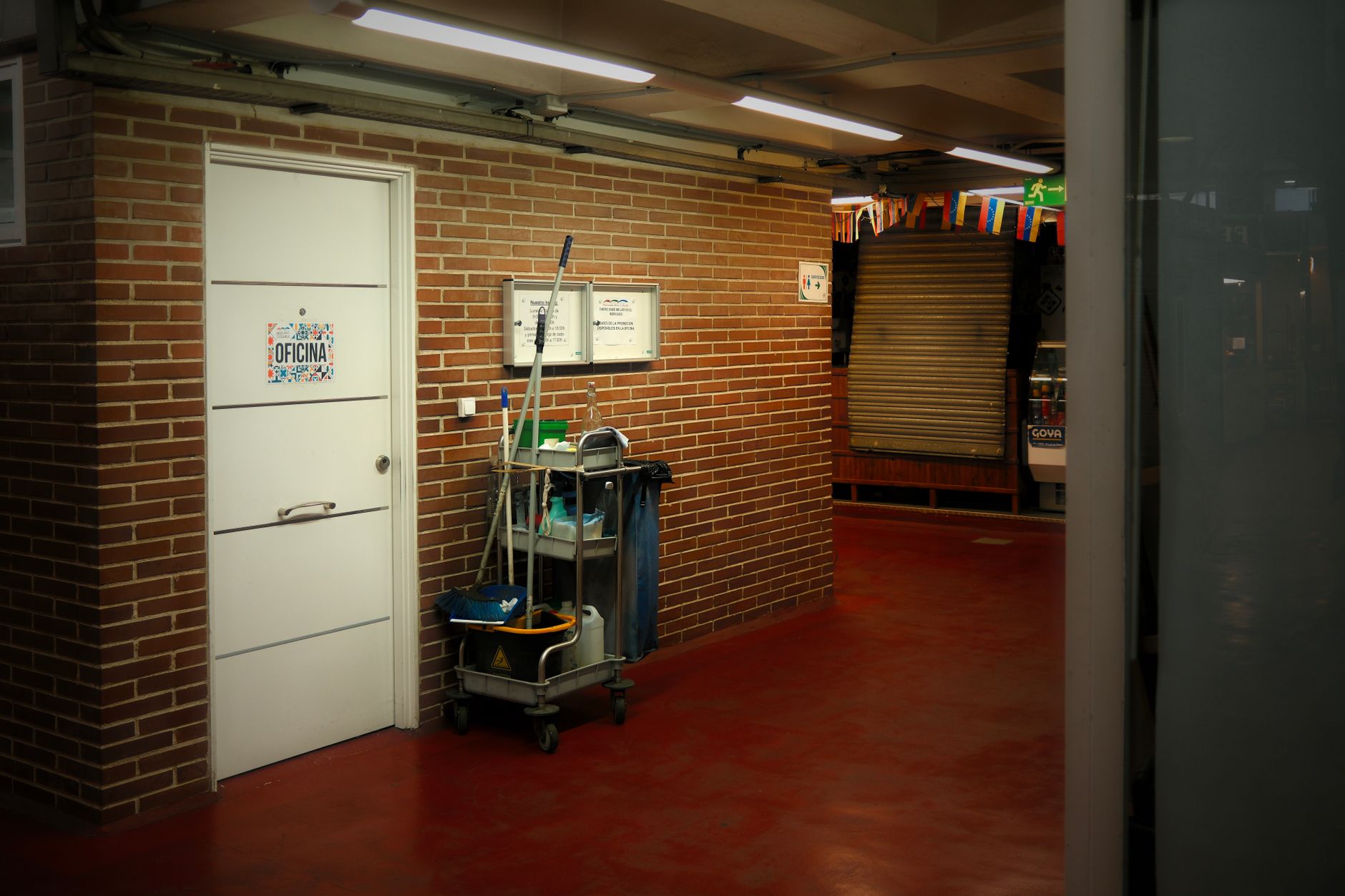
Docking is usually the make-or-break decision. In a c-store, the dock has to live near water, drain access, and power without stealing selling space or blocking emergency egress. Backroom placement is attractive, but only if the robot can enter and exit cleanly without crossing stock carts, broken-down boxes, or freezer deliveries.
A surprisingly good option is often a protected side room or utility alcove just off the sales floor. That shortens travel time, keeps hose and drain connections practical, and lets staff visually confirm status during the shift. What matters most is that the dock is stable. If the robot's home keeps changing because the space gets repurposed for promotions or overflow, the program will not last.
This is where a vendor neutral robot integrator earns its keep. Service Robot Co. handles site assessment mapping, robot deployment and integration, training, and ongoing service so operators do not have to guess at plumbing proximity, clearance, or route recovery. For stores exploring robot as a service, commercial cleaning robot rental, or a floor scrubber monthly lease, that up-front dock decision is often the difference between a pilot that scales and one that quietly dies.
- Keep the dock off the main customer path
- Give the robot a clean departure lane with no carts or stock staging
- Place it close enough to water and drain access to reduce manual handling
- Protect the dock from ad hoc storage creep
How should a store handle daytime etiquette?
Daytime robot use in a c-store is less about autonomy and more about manners. The machine has to move slowly, yield often, and avoid the minutes when the entrance, coffee counter, and register queue are fully loaded. In practice, many stores will get better results from one main after-hours route plus a short daytime pass in lower-intensity windows rather than a long live-floor run.
Managers should treat robot scheduling like any other customer-experience policy. Do not send it through the front door area during the breakfast rush. Do not run it through the coffee zone while customers are crowding the condiment bar. Do use it for a quick polish on cooler lanes after restock, or for the center aisle after the lunch wave breaks.
A good operating rule is this: the robot should be visible, but never memorable. If customers keep having to step around it, wait on it, or listen to repeated recovery attempts around a floor display, the route is wrong. A compact machine expands the possible schedule, but it does not erase the need for route discipline.
- Avoid breakfast, lunch, and school-release spikes
- Pause routes during active mopping of spills or restroom emergencies
- Use short touch-up runs instead of long daytime loops
- Train staff on simple stop, clear, and resume rules

When does a small robot beat a porter, and when does it not?
The robot wins when the task is repetitive and the standard matters more than improvisation. Nightly scrubbing of the same hard-floor path is the obvious case. The machine does not get distracted, does not cut corners on the last pass, and does not call in sick for the third overnight in a row. That is why autonomous floor scrubber rental and robot rental monthly programs appeal to operators who need consistency without adding another fragile shift to the labor plan.
The porter wins when the floor problem is messy, mixed, or immediate. Spills, trash, rugs, ice melt, knocked-over lids, and foodservice debris still demand hands, eyes, and judgment. A compact robot is not a cleanup artist. It is a repeat-work specialist.
The real comparison is not robot versus person in the abstract. It is route-based floor care versus exception-based floor care. If your store loses hours every week to routine scrubbing, a service robot rental with maintenance included can take that burden off the team. If your floor issue is mostly reactive messes, keep the human in front and let the robot wait.
- Robot advantage: repeatability
- Robot advantage: overnight cleaning no operator for the core route
- Robot advantage: documented schedules and cleaner morning handoff
- Human advantage: spill response
- Human advantage: clutter management and mat handling
- Human advantage: judgment in live foodservice zones
What does a workable program look like across many stores?
For a chain, the question is not just machine fit. It is support fit. A 20-store rollout fails when every location improvises docking, training, route naming, and service response. The stores that hold up are the ones with a standard playbook for floor prep, docking checks, route windows, and exception handling.
That is the case for one partner, one number. Service Robot Co. is a full-service commercial robot integrator for U.S. businesses, and its OEM-neutral model matters here. Instead of forcing one manufacturer's machine into every layout, it can pick the robot that fits the floor, then finance, deploy, integrate, train, and service every unit through a nationwide U.S. engineer network. For operators weighing lease rental or sale, robot leasing for business, no upfront capital, or monthly payment programs, that lifecycle coverage is often more valuable than any single hardware spec.
Convenience retail is finally becoming believable robot territory, but only in a disciplined way. Small-format autonomous scrubbers have opened the door. Good routing, good docking, and good field support are what keep it open.
Frequently asked questions
Sources
Service Robot Co. is not affiliated with, sponsored by, or endorsed by the companies mentioned in this article.