Key takeaways
- Treat the chassis, battery packs, and attachments as separate capital lines with different lives.
- Swappable batteries need their own replacement reserve, not buried inside robot depreciation.
- Software and service belong in opex or amortization buckets your finance team already uses.
- Document cycle counts and swap intervals before you set internal useful-life assumptions.
- Rental and lease schedules should show who owns battery replacements in plain language.
Why do replaceable batteries change depreciation planning?
Finance teams often book one robot as a single asset. On the floor, the unit is a chassis, a battery pack that wears on its own schedule, attachments, firmware licenses, and field service hours.
The direct answer for internal capital planning: model depreciation and replacement reserves separately for the robot body, each battery module, attachments, software, and contracted service. This is not tax advice. Your accountants still decide statutory treatment.
When batteries swap in minutes, the worn pack is not the same economic object as the navigation stack. Ignoring that split leaves year three budgets surprised by pack purchases that never appeared on the depreciation schedule.
What belongs on the robot asset line?
The robot asset line usually covers the mobile base, drive system, sensors, onboard compute, and factory charger if purchased with the unit.
Capitalize integration labor only when your policy treats it as part of the installed asset. Many operators expense mapping and training while capitalizing the hardware.
Useful-life assumptions for the chassis should reflect how many hours per week it runs, not the brochure warranty term alone.
How should battery packs appear in the ledger?
Swappable packs are consumable capital. They cycle faster than the frame, especially on scrubbers and AMRs that opportunity charge all day.
Track pack serial numbers, install dates, and cycle counts in the same asset log as the robot. Finance can then set a shorter internal life for packs without rewriting the base asset.
Professional service robot fleets keep growing, with IFR reporting more than 205,000 professional units registered in 2023. Larger fleets make battery reserves material because one site may run dozens of packs across shifts.
- Reserve line for pack purchases at expected cycle intervals.
- Separate line for charger upgrades tied to new pack chemistry.
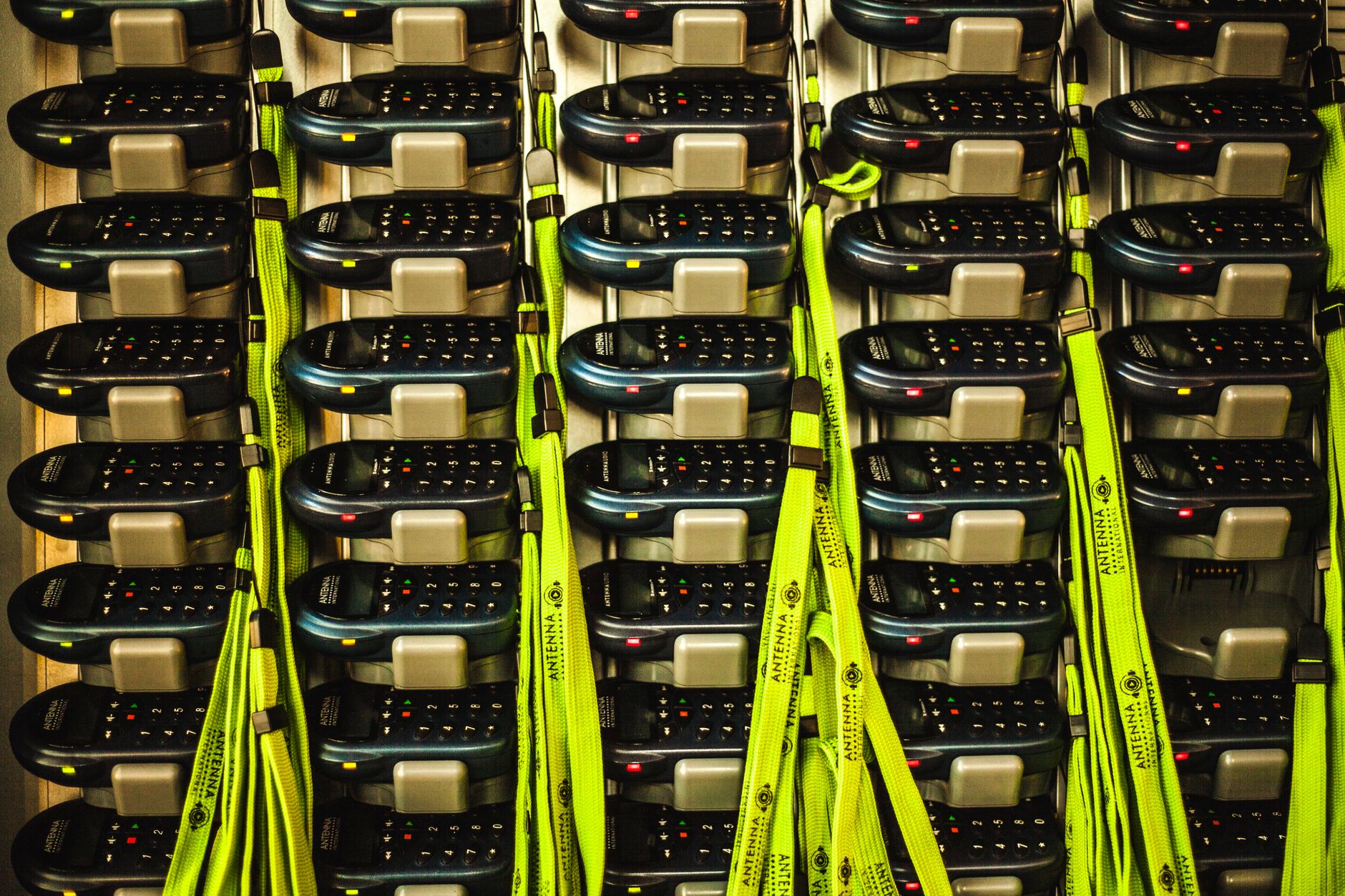
- Spare pack inventory counted as its own asset group.
- Swap labor in service contracts, not hidden in depreciation.
Where do attachments and top modules fit?
Bins, pad drivers, lifting plates, and safety enclosures often outlive one robot or move to a replacement unit mid lease.
Attachments with shorter physical life than the base should carry their own depreciation or rental line item in internal models.
When an attachment is shared across two robots, split reserves by utilization hours so one busy unit does not drain the whole pool.
How do software and firmware subscriptions differ?

Perpetual licenses sometimes capitalize while annual cloud fees stay in opex. Robot fleets increasingly blend both.
Map storage, fleet analytics, and remote monitoring should not be folded into hardware depreciation unless your policy explicitly allows it.
Renewal dates for software should sit beside battery swap dates on the same capital calendar so leadership sees cash needs in one view.
What about service and maintenance contracts?
Maintenance included robot rental often bundles parts, labor, and loaners. Internal planning still needs to know which components the vendor replaces without a capital hit to you.
Break out battery replacements covered by contract versus packs you buy outright. That distinction drives whether reserves stay on your books at all.
On site dispatch and remote triage hours are operating expense for most operators, even when they feel like part of the robot.
How should rental and lease schedules read?
Month to month robot lease quotes should state who funds pack swaps at end of life. Lessors sometimes retain battery ownership while you retain chassis risk.
Robot rental monthly with maintenance included is simpler on cash flow but can obscure pack replacement timing if the contract uses vague wear language.
Lease return inspections should photograph pack health so disputes do not land on operators for normal cycle wear.

Which operating metrics feed useful-life guesses?
Log autonomous hours, charge cycles, and depth of discharge where the fleet portal allows it. Internal life assumptions should follow measured use, not calendar years alone.
Cleaning applications dominated floor scrubbing in IFR's 2023 sample, with almost 12,000 professional cleaning units sold and roughly seventy percent of that group focused on floor cleaning. Those machines stress batteries through long nightly runs.
Compare pack performance across buildings. A humid site may shorten effective life even when cycle counts look identical.
What belongs in a capital planning appendix?
List chassis, packs, attachments, software, and service with internal useful lives, replacement triggers, and owner of record.
Note which items ride on robot financing for small business programs versus operating budgets.
Store acceptance sign off with map version and pack serials beside the start date of your internal schedule.
Where does Service Robot Co. fit component planning?
We document chassis, battery strategy, attachments, and service scope in one packet before you capitalize or rent. Deployment and nationwide field service sit with the same partner that signs the asset register.
A free site assessment can flag swap logistics and charger placement that affect how fast packs cycle in your building. One partner one number keeps finance questions from bouncing between factories.