Key takeaways
- Rural sites pay for distance in travel time, not just mileage on a quote line.
- A spare or loaner policy often matters more than the headline warranty months.
- Parts positioning and remote triage can cut truck rolls when density is low.
- Compare national and regional proposals on the same SLA grid, not sticker price.
- Robot-as-a-service monthly bundles can hide travel caps unless you read exclusions.
What actually drives rural robot support cost?
Pricing robot support across rural locations is not a single multiplier on a metro rate card. Distance stretches every truck roll. Low site density means one technician visit may cover one building instead of four. Spare units sit idle longer between swaps. Parts that arrive next day in a distribution hub may need two days on a county road.
The honest answer in the opening section is this: compare proposals on travel rules, response time, loaner access, parts stocking, and remote triage before you compare monthly rental or capital price. Two vendors can match on hardware while diverging by thousands per year once a drive fails on a Friday night forty miles from the nearest depot.
Roughly one in five U.S. residents lived in Census-defined rural areas after the 2020 count, about 66.3 million people on land that spans most of the country. Your robot may sit in a county with fewer than ten thousand people while your vendor dispatches from a metro two hundred miles away. That geography belongs in the service math from day one.
How should you model travel and windshield time?
Field service quotes often list a per-mile charge or a radius cap. The IRS optional standard mileage rate for business use was 70 cents per mile for 2025 and 72.5 cents from January through June 2026, rising to 76 cents from July through December 2026, according to IRS published tables. Those figures are tax benchmarks, not robot invoices, yet they show how fuel and vehicle burden climb year to year.
Windshield time is the hidden line item. A technician billing four hours on site may burn six hours round trip. At a loaded labor rate tied to maintenance trades, that gap matters. BLS reports median pay for general maintenance and repair workers at 48,620 dollars per year in 2024, about 23.38 dollars per hour before benefits, travel, and truck stock.
Ask each bidder to state maximum one-way miles included, after-hours travel premiums, and whether ferry, lift, or escort fees are excluded. Map every site address against that grid. A national warranty booklet that covers parts but excludes travel past seventy-five miles is common.

When do spare units and loaners beat faster trucks?
In dense cities, a loaner may be optional because a van arrives in hours. In timber country, grain elevators, or a single-site hospital wing, a spare scrubber or delivery unit can keep production moving while the failed machine waits for a specialist.
Price the backup explicitly. Some rental programs include a spare pool for a fee. Factory warranty rarely promises a replacement chassis within twenty-four hours. Zero downtime language on a brochure often means remote reset targets, not a second robot on the dock.
For fleets of two or more units across scattered addresses, model downtime cost per hour against the monthly cost of one hot spare stored regionally. The break-even often favors a spare long before you add a third site.
Where should parts and consumables sit?
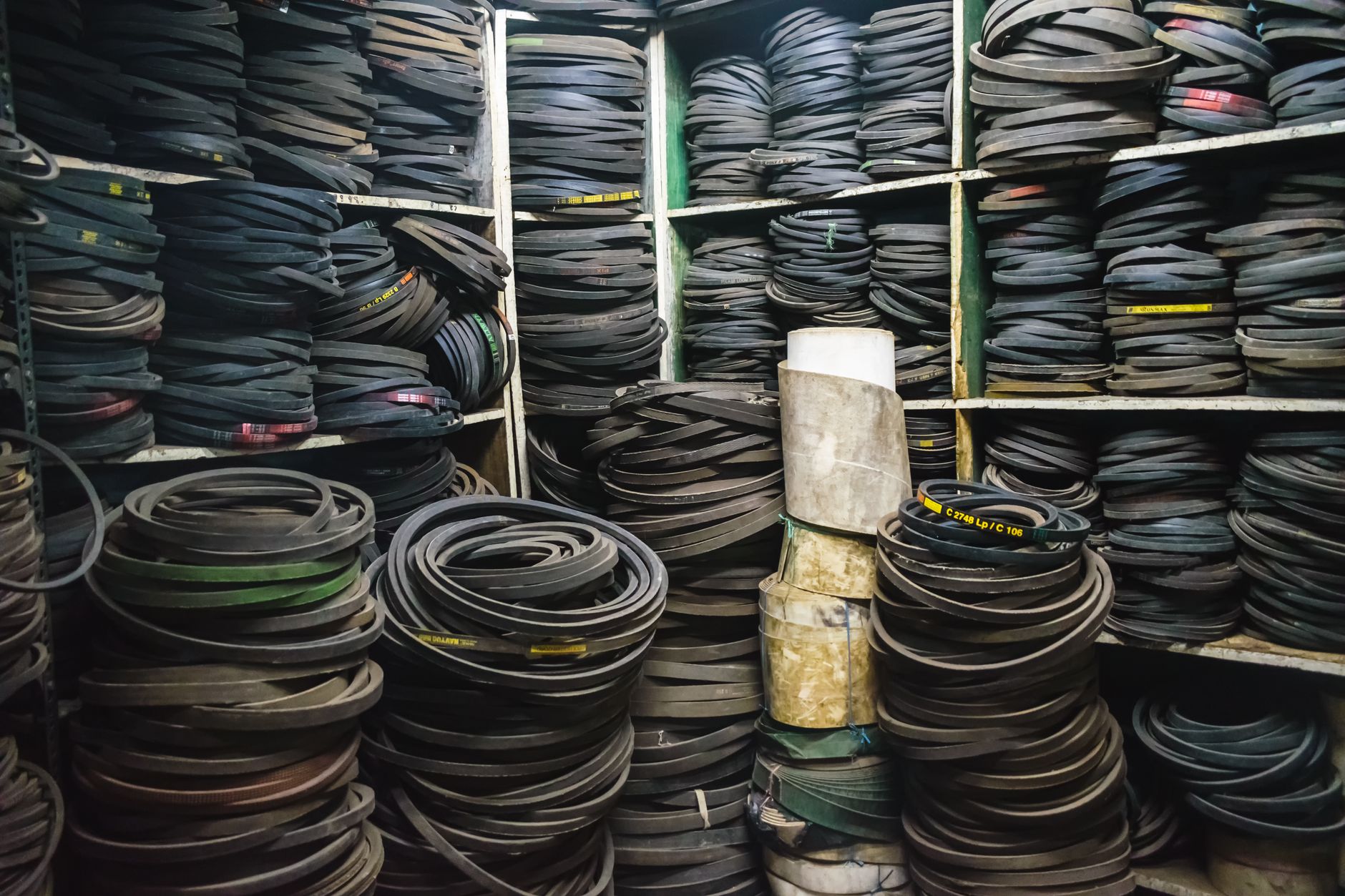
Rural support economics hinge on whether critical wear items live on your shelf, in a regional integrator locker, or on an overseas hub. Scrubber pads, squeegees, batteries, and caster tires sit outside many OEM warranty sheets even when the frame is covered.
IFR World Robotics 2024 reported almost 12,000 professional cleaning robots sold in 2023 in the floor and related cleaning segment, with floor cleaning about seventy percent of that application group. Those machines consume excluded wear parts on schedule whether the site is downtown or on a county highway.
A support proposal should list which consumables are included in robot maintenance service plans, which are pass-through, and who restocks after a storm week when every pad wears faster. Positioning one kit per site plus one regional cache beats emergency air freight.
What can remote diagnostics realistically fix?
Connected fleets export fault codes, map versions, and battery cycles before anyone drives. Remote triage can clear software faults, push map updates, and walk on-site staff through a safe restart when policy allows.
Remote work fails when the issue is mechanical, contaminated sensors, or a safety interlock that demands hands on the machine. Contracts should spell out when a remote session closes the ticket versus when a truck roll is mandatory without a second approval chain.
Rural sites benefit most when night managers have one integrator number, not three OEM portals. Vendor-neutral integrators can route triage across brands so a single escalation path decides whether tomorrow needs a highway trip.

How do technician coverage maps differ by proposal type?
National OEM service networks advertise coast-to-coast coverage while concentrating authorized techs near airports and state capitals. Regional integrators may station engineers in secondary cities and subcontract farther out.
Neither map is good or bad without your pin on it. Request a coverage map with drive-time bands, not a logo slide. Ask how many robot-qualified techs sit within ninety minutes of each of your addresses and whether general maintenance contractors are allowed for tier-one tasks.
Multi-site operators in mixed metro and rural footprints should score each address separately. A proposal that works for a suburban grocery may bleed money on a lone warehouse off an interstate exit.
How do you compare national versus regional service bids?
Build one comparison grid and refuse to score vendors until each column is filled from contract language, not sales slides. Rows should include travel radius, after-hours fees, wear parts, battery terms, software subscriptions, response time guarantees, loaner policy, and remote triage hours.
Weight rows by site profile. A casino tower cares about elevator recovery clauses. A rural food plant cares about travel and spare scrubbers. A school district cares about background checks and student-hour restrictions on patrol routes.
Normalize time horizons. A low capital quote plus expensive travel over five years may lose to robot-as-a-service monthly pricing with maintenance included if the bundle closes the travel gap. Run the same five-year horizon for each column.
- Travel included miles and overage rate.
- Guaranteed on-site hours versus best effort.
- Wear parts included or excluded with list pricing.
- Loaner or credit if SLA missed.
- Who owns maps and software if you switch integrators.
- Regional spare stock within one business day ground ship.
What belongs in a rural robot service RFP?
Attach a site packet with photos of docks, slopes, doors, chemical storage, and winter access roads. Rural deployments fail service budgets when a spring mud season blocks the service van the same week a wheel encoder fails.
Require bidders to price the same pilot route and the same escalation drill. A tabletop exercise where the vendor must show ticket flow from fault code to truck dispatch reveals gaps faster than a marketing deck.
Ask how hurricanes, ice storms, or wildfire smoke affect SLA clocks. Many industrial contracts pause response timers during declared emergencies. Delta and mountain sites should note those clauses explicitly.
Where does robot-as-a-service change the math?
Monthly robot leasing for business bundles hardware, maintenance, and sometimes insurance into one payment. That can simplify rural budgeting when travel and wear parts are inside the bundle. It can also hide caps if exclusions mirror factory warranty language on page twelve.
Compare the all-in monthly rate against purchase plus extended service plus expected travel over the same years. IFR noted a growing robot-as-a-service fleet in professional cleaning, with reported RaaS units up sharply in 2023 alongside nearly 12,000 unit sales. Financing shape does not remove geography. It moves who carries travel risk.
Month to month robot lease options help seasonal sites test coverage through harvest or tourist peaks before committing to a multi-year service tier.
How can one integrator number simplify rural support?
Service Robot Co. acts as a full-service commercial robot integrator for U.S. businesses: OEM-neutral selection, financing, deployment, training, and nationwide field support through regional service engineers and depots in all fifty states. Rural buyers get one contract throat for travel, spares, remote triage, and on-site dispatch instead of juggling factory zones.
A free site assessment can flag road access, chemical approvals, and multi-building travel exposure before you sign. The goal is a lifecycle number that includes support economics, not a low headline price that sends a truck bill later.