Key takeaways
- IFR's 83% figure signals momentum in the category, but it is a segment growth rate, not a return forecast for your floor.
- Start with reachable, repeatable assets where a missed reading has a cost your team can name.
- Log a baseline of the manual round, the readings, the exceptions and the staff touch time from day one.
- Pilot one zone and one shift window, with stop criteria written before the first run.
- Ask for a site assessment before any quote, so the route and the lease terms match your floor.
Start with reachable assets on a fixed route
A plant should start with inspection assets that a robot can reach on a fixed, repeatable route, where a missed reading has a known cost, and where staff already keep some kind of log. Those three conditions make a first trial measurable.
The 83% figure is a reason to look now, not a reason to skip the groundwork. According to the International Federation of Robotics, inspection and maintenance robot sales rose 83% in the 2025 data, a figure IFR presented at its 2026 press conference and that secondary coverage has carried forward.
The first pilot should be small, timed and recorded. The sections below cover which assets to check first, which records to keep and how to judge the trial before anyone widens it.
What the 83% figure measures
The number describes growth in one application segment, measured on the sales IFR collected. It does not tell a maintenance manager what a robot will return on a particular floor. This article gives no payback period or unit price, because none was verified for inspection robots.
IFR's sales figures come from 238 producers, out of 1,001 manufacturers, and the totals are not projected to the whole industry. IFR also strongly discourages comparing data across different World Robotics reports. Read the 83% as a direction of travel, and cite it with that caveat in any budget memo.
Where inspection sits among service robot uses
IFR ranks inspection and maintenance fifth among professional application groups, behind transportation and logistics, hospitality, professional cleaning and agriculture. Transportation and logistics stayed the largest, with 117,500 units in 2025, up 21% and a 47% share, according to IFR-reported figures carried by secondary coverage.
Overall, IFR says professional service robot shipments rose 24% to almost 250,000 units in 2025. Professional cleaning grew 40% in the same presentation coverage. Inspection is still a smaller slice, which is one reason its growth matters now: a team that moves early learns on a segment that is still taking shape.
Which assets to check first
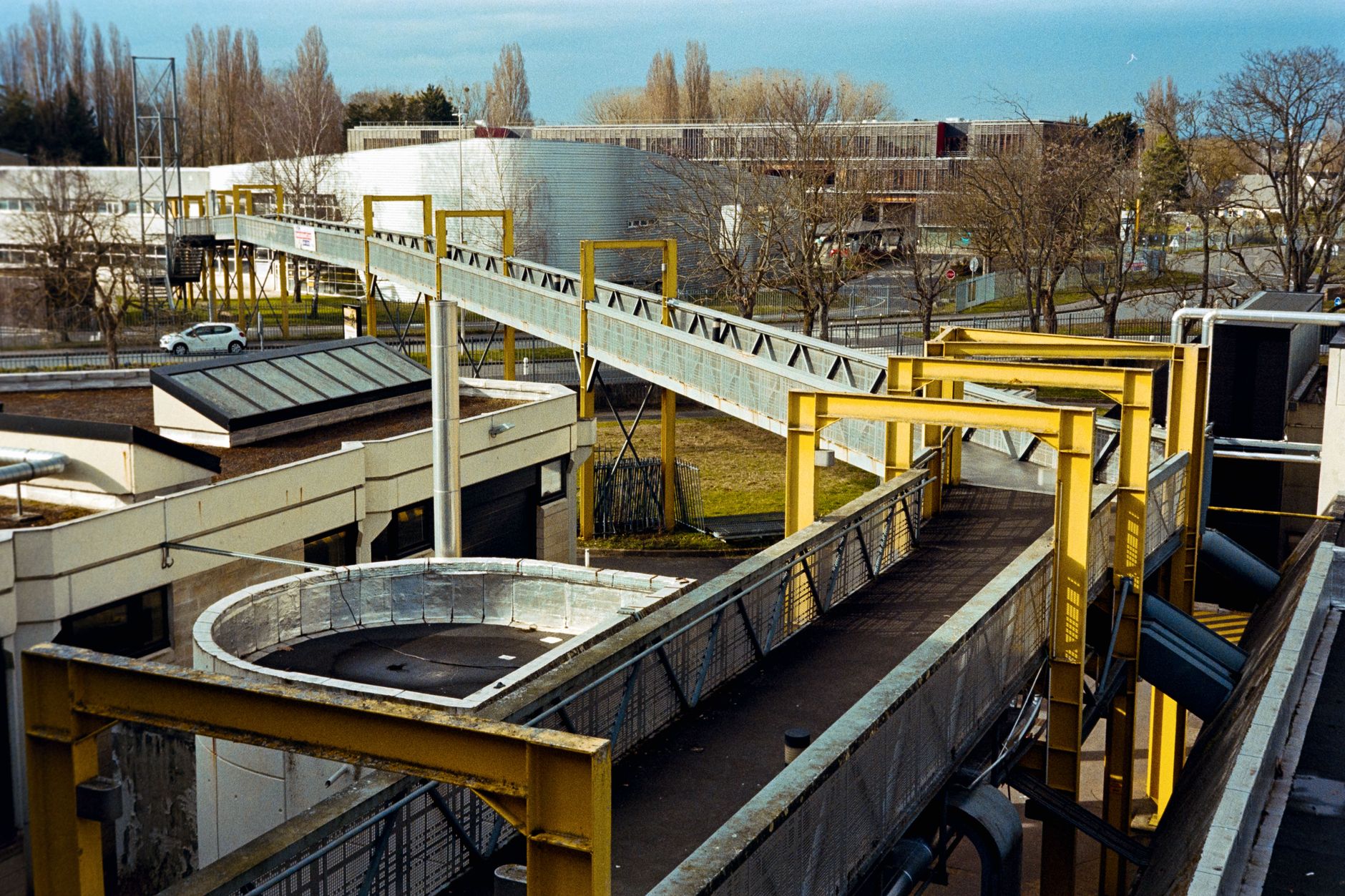
The best first asset is one a robot can reach on a fixed loop without a shutdown, that gets checked on a schedule, and where a missed reading has a cost your team can name. Good candidates usually sit at floor level or on a clear walking path, with few overhead obstacles.
- Pump and utility rooms with a fixed walking loop and gauges that staff already read on a schedule.
- Receiving docks and dock aprons, where readings and visual checks follow a set path on a stable layout.
- Cooling and wastewater equipment in open, ventilated areas with visible instrumentation.
- Floor-level tanks or drains reachable by a short, mapped route.
Why hazardous sites come after the easy ones
IFR's executive summary credits AI, sensors and autonomous navigation with letting robots inspect hazardous and hard-to-access sites. That is the reason the category exists, and it is the strongest argument for eventually reaching those sites.
It is also the reason not to begin there. A team that has never logged a robot run cannot yet tell a sensor fault from a real anomaly, and it cannot judge a stop in a confined space. Prove the routes, the logs and the exception handling in an easy zone first, then extend.
Which records to keep from day one
Records decide whether a pilot can be judged. Capture a baseline before the robot arrives: how long the manual round takes, who does it, which readings are logged, and how often a reading is missed or rechecked.
- A route map with asset IDs, and a dated version after every layout change.
- Each run's timestamp, the reading taken and the threshold it was compared against.
- Exceptions: blocked paths, sensor faults, and readings a person had to recheck.
- Staff touch time per run, before and after the robot, including escalations.
- Downtime and repair calls, with date, cause and response time.
Running a first pilot without stopping the plant
Pick one zone, one route and one shift window. Write stop criteria before the first run: the reading accuracy you require, the number of unplanned stops you will tolerate and the staff time you expect to return. Set the review date in the test plan, not after the fact.
Keep the manual round running on the same route until the log shows the robot matching the people. Only then decide whether to widen the route, pause the trial or change the asset.
How a lease starts with a site assessment
Service Robot Co. is OEM-neutral, so the robot type follows the assessment rather than a single catalog. We assess the site, pick the right robot across manufacturers, and lease it through financing on a three-year lease with one fixed payment quoted after that site assessment.
After the lease starts, we deploy, integrate, train and service each unit under RoboCare, our service plan, backed by regional service engineers in every state we service. One partner covers the lifecycle, so a single contact handles the robot, the install and the repair.
The assessment is also where the route and record plan above gets tested against your floor. That keeps the first lease focused on one asset you can judge, rather than a fleet you cannot.
Frequently asked questions
Want a robot working for you?
Tell us the job and the site. We will recommend the robot, quote the lease, and keep it serviced.
Sources
- IFR World Robotics 2026 Service Robots Executive Summary
- IFR German press release, 30 September 2026
- IFR World Robotics 2026 press conference market presentation
- Supply Chain 24/7 on IFR transportation and logistics robot sales
- Supply Chain Digital on IFR professional service robot sales
- Australian Manufacturing on IFR global professional service robot sales