Key takeaways
- Autonomy does not move liability off the contractor that sends the mower.
- General liability may not cover theft, malfunction or the machine itself, so ask about property coverage too.
- Optional generative AI exclusions on CGL policies can differ from carrier to carrier, so check the forms actually attached to your policy.
- Run logs, named supervisors and malfunction records are what a carrier will want to see.
- Get written answers on how your policy and the client's policy respond to a robot mower incident.
Which insurance questions come first?
Before a robot mower cuts a client's lawn, the contractor needs to know one thing above all: autonomy does not move liability off the company that sends the machine. According to Landscape Management, a lawn care company stays responsible for what happens on a jobsite, even when nobody is pushing the mower.
The questions that matter fall into three groups: what your general liability policy covers and leaves out, what your records must show, and how your coverage lines up with the client's. Send them to your broker in writing and keep the answers in the job file.
One caveat. None of the sources we reviewed describe how a specific carrier underwrites robotic mowers for landscaping contractors. Treat every question below as something to put to your broker, not as a statement about your policy.
Does autonomy change who answers for an incident?
Ranch Mesa's industry post on autonomous mowing describes it as a very unfamiliar and unique exposure for a contractor and its general liability carrier. Ask your carrier how it has treated robotic mowing so far, and whether it has a written position on the subject.
Landscape Management expects renewal conversations to cover fleet size, where units operate, who supervises them, and what happens when one malfunctions. That list comes from a summary of the article, not from a carrier's published question set, so ask your own broker for theirs.
A robot incident can also involve several parties at once. A completeaitraining article on insurers and robotics risk notes that autonomous robotics can touch cyber, technology errors and omissions, property, general liability, products liability and employers' liability lines. One incident can involve the hardware maker, the software developer and the operator, so ask which party the carrier would look to first.
What general liability covers, and what it may leave out
According to a NerdWallet broker FAQ on lawn care insurance, general liability typically covers third party injuries and property damage. Robot specific risks such as theft, malfunction or damage to third parties may need extra coverage, and inland marine or commercial property coverage can protect the equipment itself. That wording is a paraphrase from the search summary, so confirm it against your own policy form.
NerdWallet also notes that a fire destroying a mower would fall under commercial property insurance. For a contractor running a fleet across client sites, the gap to check is where a unit sits when it is not on a lawn, such as in transit, at the shop or on a charger.
How do generative AI exclusions change a CGL policy?
Verisk's ISO made three optional generative AI exclusion endorsements available for commercial general liability in January 2026, according to Independent Agent and Insurance Business. CG 40 47 is the broad form, reaching bodily injury, property damage, and personal and advertising injury tied to generative AI. CG 40 48 applies to Coverage B only, and CG 35 08 applies to products and completed operations.
Because the forms are optional, one carrier may attach one and another may attach none. A filing with ISO does not always mean an exclusion is active, so the question is what sits on your actual policy. Brokers also advise checking whether E&O or cyber policies pick up exposure that a CGL AI exclusion removes, according to Insurance Business.
Whether a mower's scheduling or mapping software falls within the meaning of generative AI is a question for your carrier, not for the vendor who sold you the software.
What should your run logs and supervision records show?
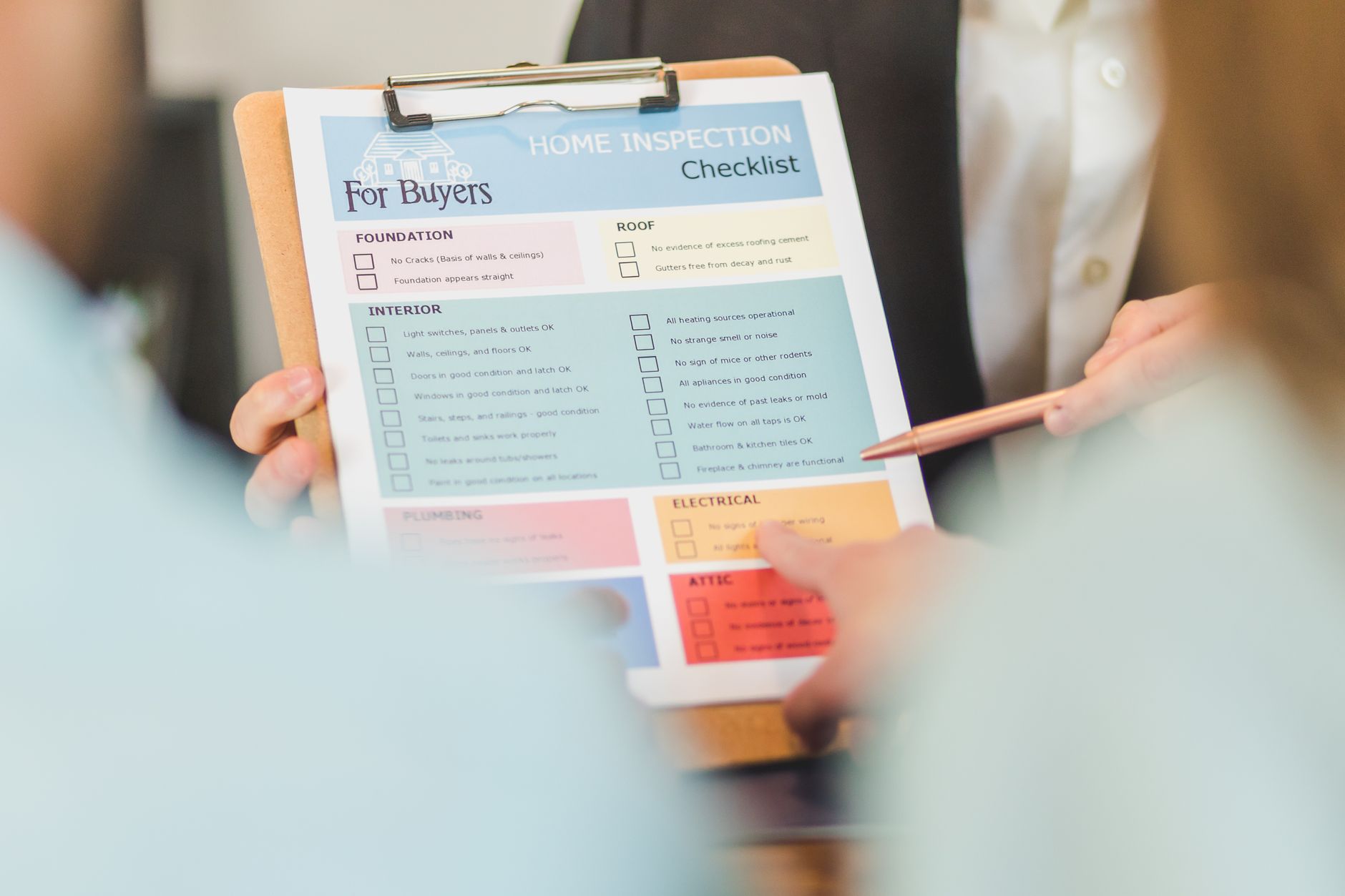
Carriers that ask about supervision want an answer you can prove. Memory of who was watching a mower will not hold up after an incident, so the records need to exist before anyone asks for them.
Keep one file for each client property that a broker can read in a single sitting. Include the following:
- The unit identifier and the property it was assigned to, with the date any assignment changed.
- Start and stop times for each run, plus every pause, alert or manual takeover and the person who acted.
- The named supervisor for each shift and a way to reach that person while the unit is running.
- Malfunction events with the date, the location on the lawn, the response taken and the time the unit returned to service.
- The map or boundary version in use, and the date it was last checked against the site.
- Crew lead training records showing who was authorized to supervise and recover a unit.
How does the client's policy meet yours?
A robot mower works on property the client holds, under the client's property policy, while your company carries the operating responsibility. Those two policies may respond to the same incident in different orders, so the client agreement is where that sequence should be written down.
Ask your broker to read the scope and indemnity language in each client agreement with the mower in mind. Ask what the contract says about keep out zones, obstacles the client has not flagged, and who decides when a unit is paused for weather or nearby work.
Ask also whether a client's insurer will expect proof of your coverage before the first run. That expectation varies by client and by policy, so confirm it account by account rather than assuming it.
Where Service Robot Co. fits in your file
Service Robot Co. (servicerobotco.com) is a commercial robot integrator that offers commercial robot leasing through financing on a three year lease, with a fixed robot lease payment quoted after a site assessment. We deploy, integrate, train and service each unit under RoboCare, our service plan, backed by regional service engineers in every state we service.
Lease terms and service records do not change what your policy covers. Your broker still decides that. A service history from the party that deployed the unit can still sit beside your own run logs, with maintenance visits, fault events and training records in one place, which makes the file easier for a broker to read.
Which questions should go to the broker this week?
Start with these five, and get each answer in writing.
- Which generative AI endorsements, if any, sit on the general liability policy, and on any E&O or cyber policy that might fill a gap.
- Whether theft of a unit, or damage to a unit in transit or at the shop, falls under a property form or a general liability form.
- Whether the carrier wants a written supervision protocol before the first run, and what that protocol must include.
- How a claim involving a unit's software gets reported, and whether the manufacturer, the integrator or the service provider must be notified.
- Whether the broker will review client agreement wording for indemnity and hold harmless terms against the mower's operating role.
Frequently asked questions
Want a robot working for you?
Tell us the job and the site. We will recommend the robot, quote the lease, and keep it serviced.
Sources
- Landscape Management: How robotic mowers impact landscaping insurance risks
- Ranch Mesa industry news: Autonomous Mowing
- NerdWallet: Lawn care business insurance
- Independent Agent: Verisk to roll out new general liability exclusions for generative AI exposures
- Insurance Business: ISO's generative AI exclusion is already on thousands of CGL policies
- Insurance Business: AI exclusions are spreading through commercial policies, brokers warn clients to check cover
- CompleteAITraining: Insurers face new liability risks and coverage gaps from autonomous robotics