Key takeaways
- Gausium case materials describe Saiseikai Kazo Hospital reopening in June 2022 with 304 beds and about 23,052 square meters of floor to clean.
- Nihon Environment Management runs cleaning with roughly 25 to 26 staff from early morning to evening, often working overtime on large floor miles.
- Scrubber 50 Pro from SoftBank Robotics cleans first and second floor surfaces with app-tracked plans and obstacle avoidance.
- Hospital leaders initially worried about collisions and wet floors; staff later reported confidence in drying and safe operation in busy corridors.
- Service Robot Co. can compare OEM-neutral hospital scrubbers, finance deployment, and support RoboCare service after US site walks.
Why did Kazo Hospital need a new floor-care model?
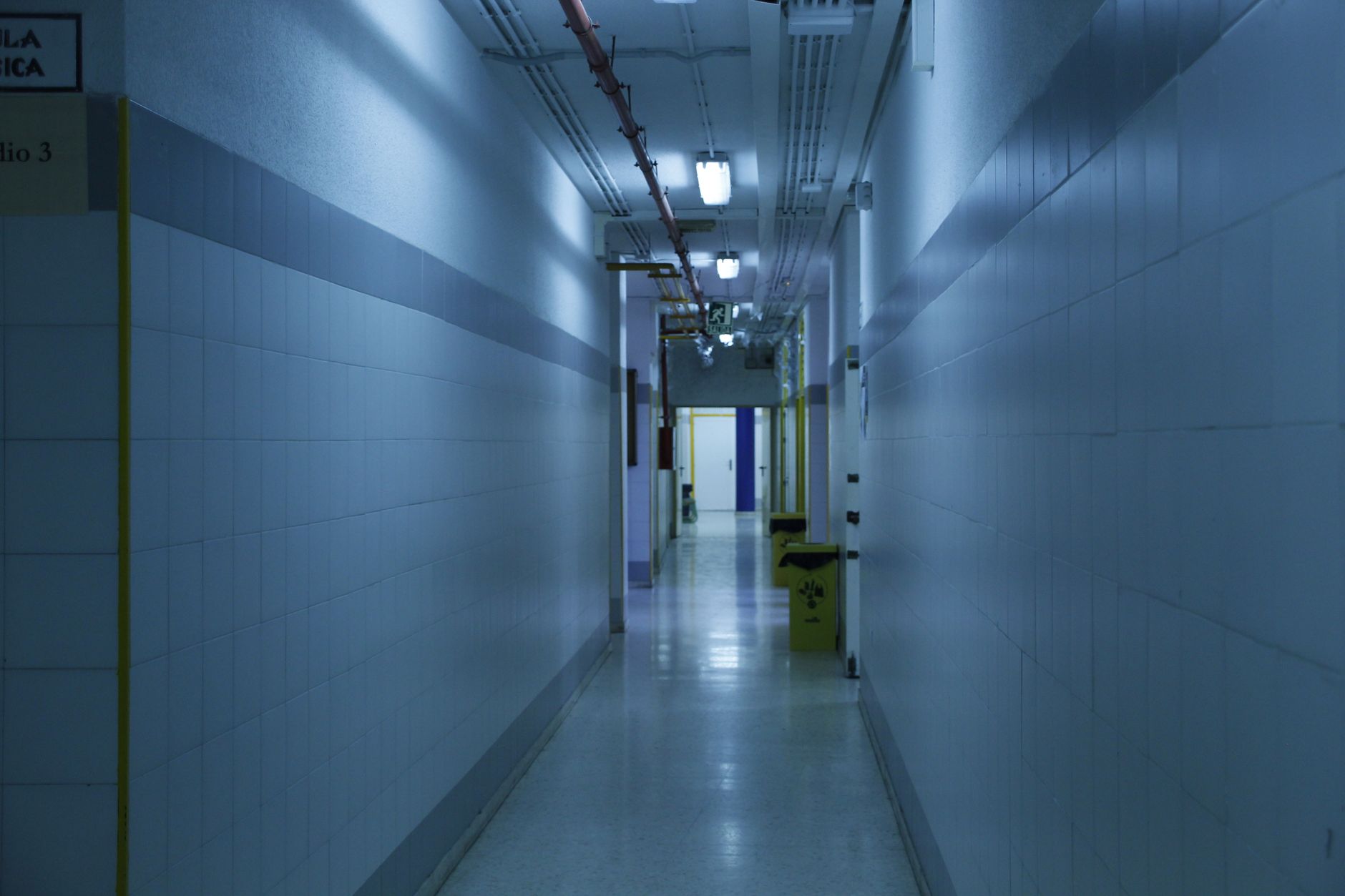
Saiseikai Kazo Hospital reopened in June 2022 as a regional core hospital with 304 beds, according to Gausium case materials. Nihon Environment Management handles general management and facility maintenance for the campus.
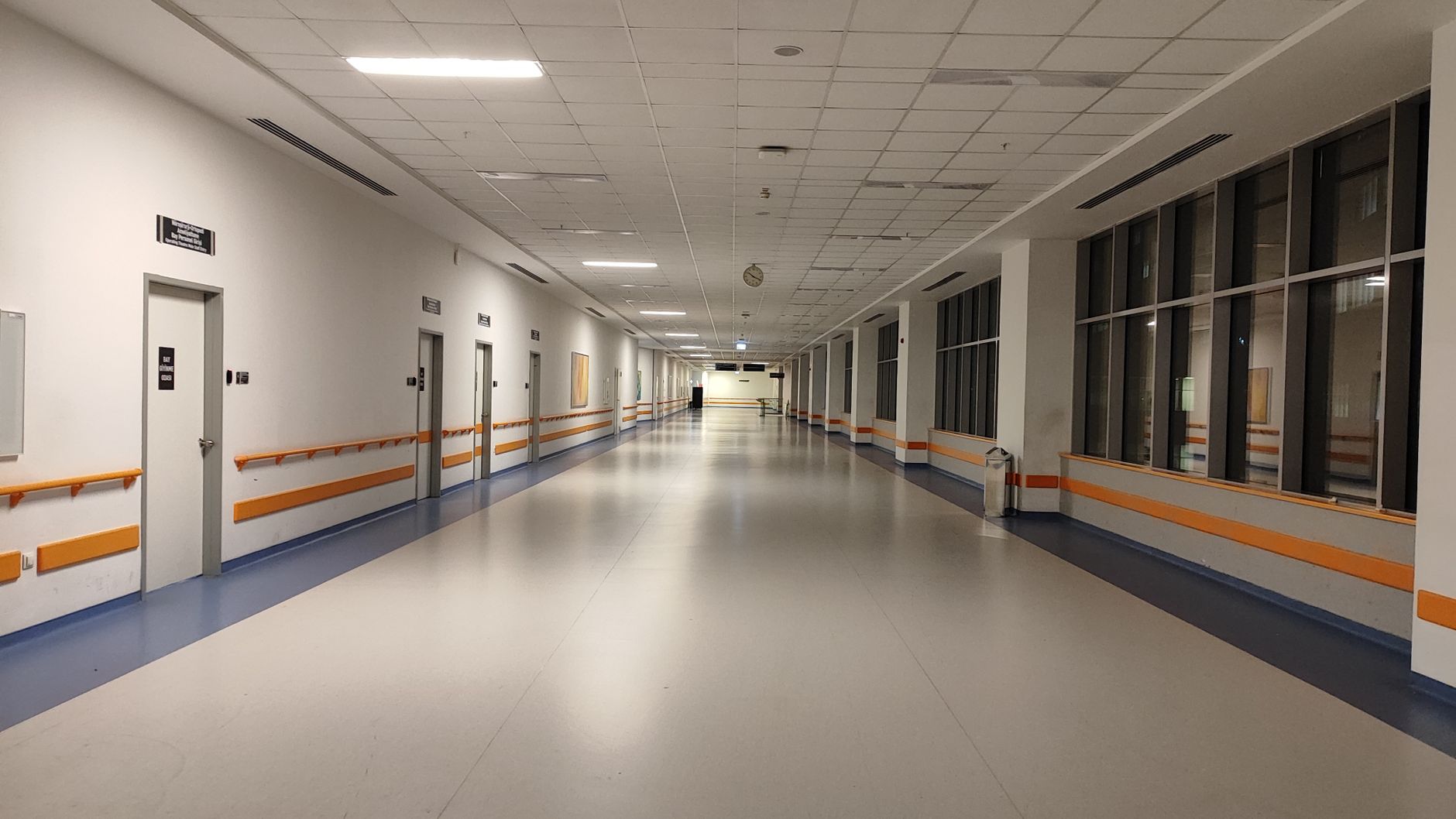
Gausium cites about 23,052 square meters of floor area that must stay clean for patients, families, and clinical staff. A team of about 25 to 26 people worked from 6:30 to around 20:00, often extending into overtime to finish floors.
US hospital operators facing similar square footage should map which miles are true hard-floor scrubbing versus tasks that still need human detail work on rails, furniture, and restrooms.
What robot did Nihon Environment Management deploy?
The facilities management company introduced Scrubber 50 Pro through SoftBank Robotics. Gausium develops the platform and lists autonomous navigation, remote app control, and customizable cleaning plans.
Case copy assigns the robot to first and second floor hard surfaces. Sensors include LiDAR, laser, 3D depth cameras, and an RGB camera for mapping and obstacle detection.
Gausium advertises cleaning efficiency up to about 1,800 square meters per hour on spec sheets referenced in the case. Validate those rates on your own floor types before building staffing models.
What safety worries did hospital leadership raise?
Director of Expense Management Mr. Shigeo Suzuki initially feared collisions with patients and staff in active corridors.
Leadership also worried wet scrubbing would leave slip hazards. Gausium emphasizes simultaneous vacuum and squeegee drying so water stains do not remain.
US infection prevention and risk teams should still run trial routes during live traffic before full schedule release. Document pause points at nurse stations and elevator lobbies.
How did staff respond after go-live?
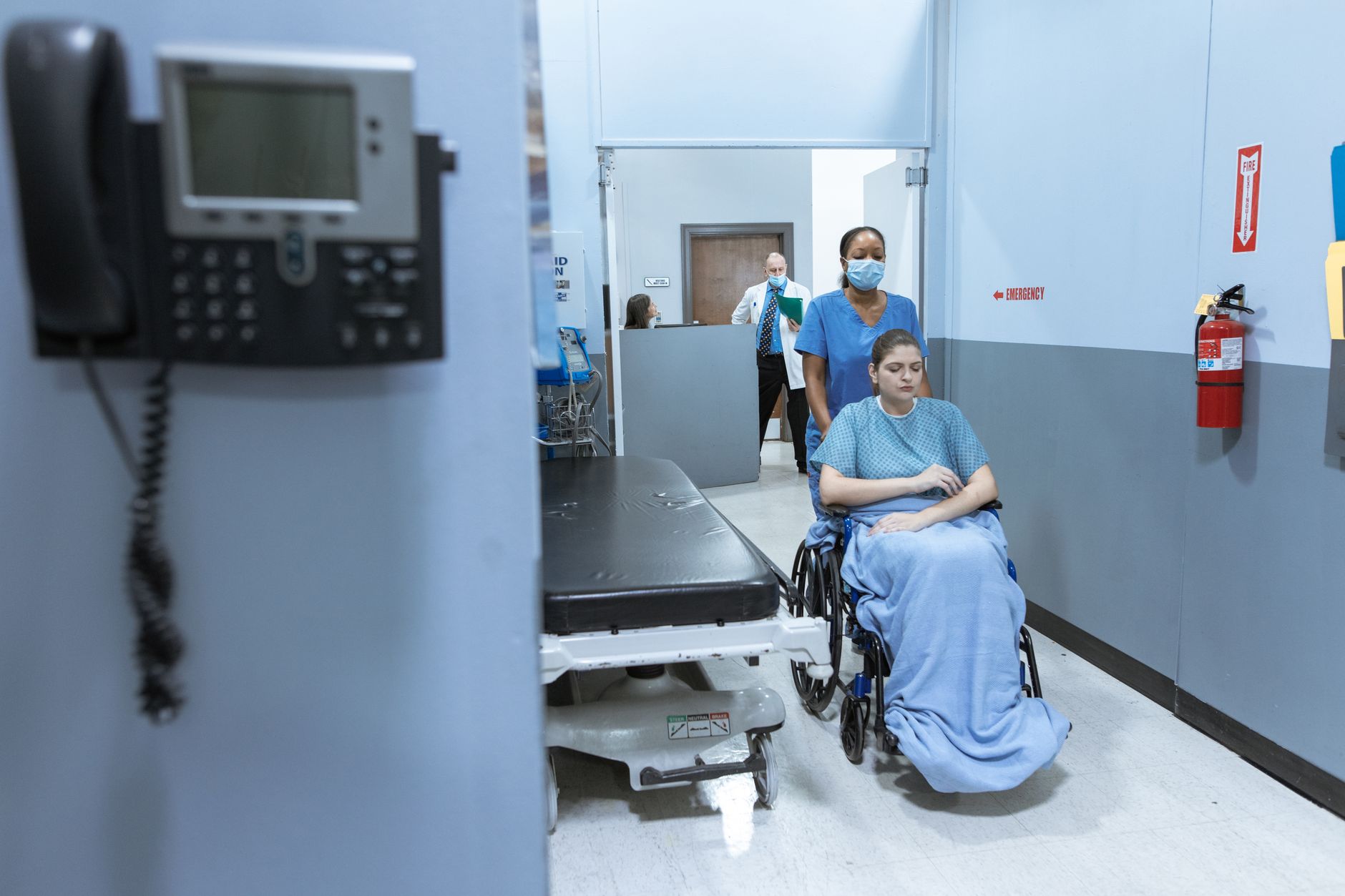
Hospital staff told Nihon Environment Management they were not worried when the robot ran, according to managing director Mr. Hirokazu Usami quoted in the case.
Cleaning team member Ms. Miki Owada said staff could spend more time on handrails, sofa elbow rests, and other detail work that robots do not cover.
That reallocation story matters for unions and contractors in US hospitals. Frame robots as shifting hours to high-touch tasks, not eliminating roles without a plan.
What scheduling pain did overtime create?
Gausium ties overtime on floor scrubbing to scheduling difficulty for managers and fatigue for cleaners on a campus measured in tens of thousands of square meters.
Automating repeatable scrub miles can stabilize end-of-shift completion if maps stay current after construction or ward moves.
Pair robot schedules with event calendars for outpatient surges so routes do not conflict with temporary waiting areas.
What should US hospital FM teams verify first?

Confirm which floors are public corridors versus restricted clinical zones before writing a scrubber scope.
Review detergent compatibility with healthcare flooring and any joint commission style audit questions on slip risk.
Plan training for nurses and transport staff on pause and recall during code drills.
Align contractor KPIs if an FM partner like Nihon Environment Management runs cleaning for your site.
- Measure corridor width at peak wheelchair traffic
- Test drying on VCT, tile, and transition strips
- Log map edits after ward renovations
- Define RoboCare response before flu season census spikes
- Track overtime hours before and after pilot floors
- Assign one facilities owner for app schedule changes
How does remote app control help managers?
Gausium highlights mobile app tracking of cleaning progress for Scrubber 50 Pro. Managers can see whether planned zones finished before morning rounds.
US teams should decide who holds admin access and how changes get communicated to night supervisors.
Export logs monthly for contract reviews if an outsourced FM vendor runs the robot.
Where does an OEM-neutral integrator fit US health systems?
SoftBank Robotics supplied Scrubber 50 Pro in Japan while Nihon Environment Management operated the service contract. US owners need cross-brand comparisons and domestic service response.
Service Robot Co. selects scrubbers across manufacturers, then lines up lease or purchase, deployment, training, and RoboCare service with regional engineers.
Bring floor plans, overtime reports, and elevator manuals to a site assessment before you standardize on one scrubber platform across a hospital network.
How do you scale beyond two floors?
Kazo Hospital started with floors one and two on a multi-floor campus. Expansion should wait until coverage logs stay stable through construction and seasonal census swings.
Add units only after the first zones hit predictable completion times and staff detail work quality scores hold.
Document spare parts and loaner plans if a single unit fault would miss overnight completion on a large footprint.
What does harmony between staff and robots look like?
Gausium closes the case by arguing robots take physically demanding floor miles so humans focus on tasks that need touch and judgment.
That matches Ms. Owada comment on handrails and furniture details. US leaders should measure those secondary tasks, not only robot hours run.
When overtime drops and detail audits improve, you have a story finance and nursing leadership can both support for the next wing.