Key takeaways
- Kohanaiki's first in the islands claim comes from the club and the vendor, and we found no independent confirmation.
- The 2026 Sports Field Management Association award recognizes trade impact. It is not an independent performance test.
- On a remote course, support response windows and local spare parts matter as much as the mower itself.
- Charging and technician travel belong in the plan before the machine arrives, not after the first fault.
What did Kohanaiki announce, and what did it not prove?
Kohanaiki, a private club on the Kona Coast of the Big Island, announced on May 26, 2026 that it had installed a FireFly Automatix AMP-L100 autonomous mower. According to the company release distributed on May 27, 2026, it is the first AMP-L100 in Hawaii. The first in the islands wording comes from the club and the vendor, and we found no independent confirmation of it.
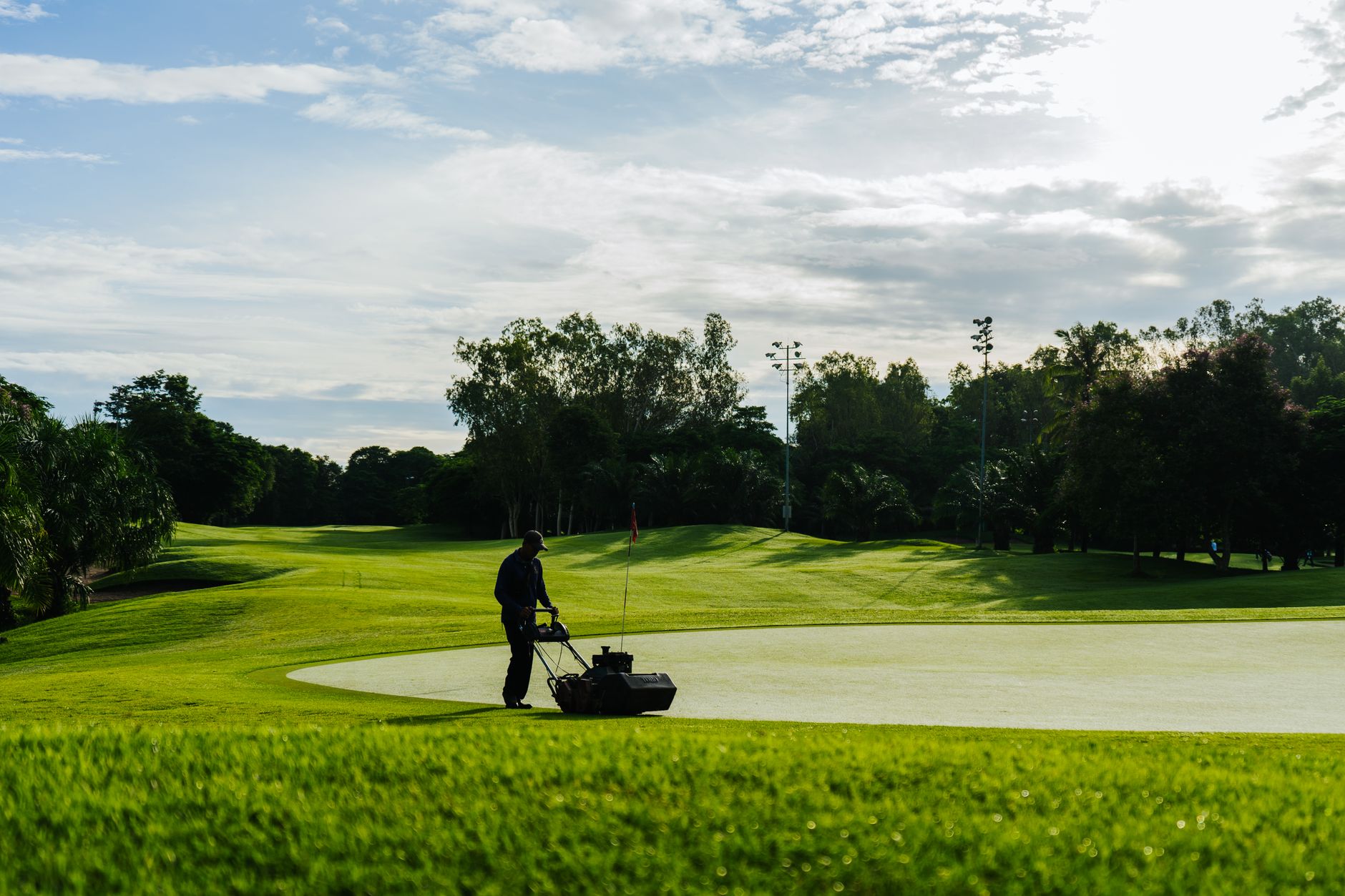
The machine is a fully autonomous, all-electric, 100-inch, 5-gang reel mower built for fairway work. The release says its all-electric drivetrain produces zero direct emissions. We did not find unit counts, run-time results, acreage covered, charging setup or service arrangements for the club.
For a remote course, the useful question is not whether the mower cuts. It is what happens on the morning it stops. That is where island operations differ from a mainland course with a dealer and a technician a short drive away.
What does the 2026 award actually recognize?
FireFly's January 29, 2026 release says the company received the 2026 award from the Sports Field Management Association for its AMP-L100 autonomous technology. A trade write-up says the award is judged by sports field managers and industry professionals who assess how new technology advances day to day work in the profession.
That is peer recognition inside the trade. It is not an independent performance test, and we found no third-party trial data behind it. The January release and the May Kohanaiki coverage also use different names for the award, and we could not find the association's own listing to settle the title. Treat it as a reputational signal, not a measure of uptime or cut quality.
Why does island geography change support response?
On a mainland course, a field technician can often reach a stalled machine by road. On an island, the trip may involve a flight, a shipped part, or both, and each step adds time that no spec sheet records.
Ask every vendor for three things in writing: the response window and the moment the clock starts, whether remote diagnostics happen before anyone travels, and which spare parts are held locally before a fault occurs. Public material from Kohanaiki says nothing about these terms, so readers should not assume them.
How does charging hold up on a remote property?
Charging is a site decision that comes before the mower arrives. Charger placement has to fit the mapped routes, the power supply has to match the charger, and the machine has to return to its dock without crossing active play. The release does not describe Kohanaiki's charging setup or charge times, so any figures offered for them would be guesses.
The sizing question is simple to state and easy to skip: how many cutting hours does the fairway program need each day, and how much charge does the machine need to finish them? Work that answer out on paper before the install date. Then plan a fallback route for days when the mower is low on charge or in the shop.
Who fixes the mower when no one from the mainland is nearby?
A Kohanaiki greenskeeper job listing shows the club hiring crew on site. The listing gives no crew count and does not show how many staff are trained on the machine. Still, on-site people are the first line of response on any remote course.
Train at least two people to run daily checks, clear simple faults, read fault codes and start the remote triage call. A machine only one person understands becomes a single point of failure. Technician travel belongs in the planning spreadsheet as a stated cost and time, not as an assumption. We have not verified travel costs or times for Hawaii, so this article gives no figures for them.
What does a peer demo prove, and what does it leave out?
A Big Island club greenkeeping blog dated May 20, 2026 mentions a FireFly demo at another club that month. We could confirm that mention only in the blog itself, so treat it as context rather than evidence.
A demo shows how the machine handles your turf, slopes and crew routine. It is weak evidence for long-term uptime. Ask the peer club for run logs, fault history and the response times it actually received, then compare those to what the vendor put in writing.
How Service Robot Co. approaches a remote site
Service Robot Co. is OEM-neutral. We choose the right robot across manufacturers, then deploy, integrate, train and service it. We lease robots through financing on a 3-year lease, with one fixed quote issued after a site assessment. Every unit we service is covered under RoboCare, our service plan, backed by regional service engineers in each state we service.
For a remote property, the site assessment is where the questions in this article get answered: power supply, charger placement, spare parts and the travel route for a service engineer. We have no connection to the Kohanaiki deployment. We do not describe the club as a customer, and we do not claim coverage in any location we have not confirmed.
Frequently asked questions
Want a robot working for you?
Tell us the job and the site. We will recommend the robot, quote the lease, and keep it serviced.
Sources
- Kohanaiki becomes first in Hawaii to deploy FireFly Automatix AMP-L100 (First Call Golf, May 27, 2026)
- The Golf Wire: Kohanaiki and FireFly Automatix
- FireFly Automatix 2026 Innovative Award release (GlobeNewswire via AI Magazine, January 29, 2026)
- FireFly Automatix wins 2026 SFMA award (TurfOps)
- Highlands CC golf maintenance blog, May 2026
- Kohanaiki greenskeeper job listing (Vaia)
Service Robot Co. is not affiliated with, sponsored by, or endorsed by the companies mentioned in this article.