Key takeaways
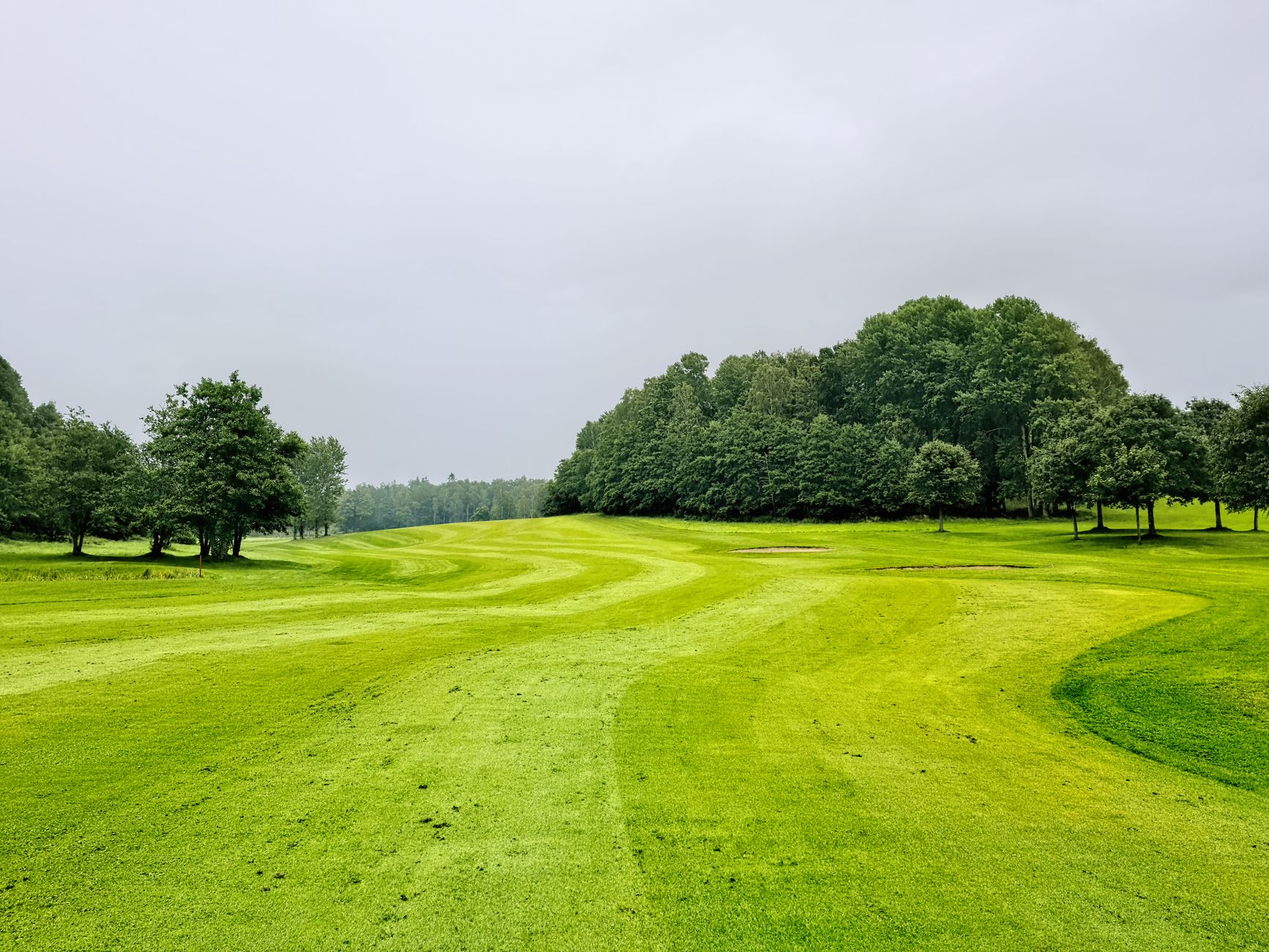
- Vendor reported: robot mowers cut all 18 fairways at Royal Porthcawl during the 2025 AIG Women's Open.
- Championship conditions are not daily play, so copy the questions, not the scale.
- Map hazards, cart paths and drains on foot before the first pass.
- Stage chargers and start windows where they stay clear of member traffic.
- Name one person who runs the schedule and one who answers alerts during play.
Did robot mowers really cut every fairway at Royal Porthcawl?
Yes, according to the mower maker. Husqvarna says its robot mowers cut all 18 fairways at Royal Porthcawl during the 2025 AIG Women's Open, and trade coverage calls it the first use of such machines in that role by The R&A. The work happened in 2025, not 2026, and no 2026 vendor announcement turned up in our research.
The headline matters less than the questions behind it. A daily play course that wants the same approach has to answer three things before a machine touches its turf: where the robots map, where they stage, and who supervises them.
What did the Porthcawl fleet actually run?
Coverage describes a fleet of 15 robot mowers, including CEORA 546 EPOS units and two Automower 580L EPOS units, working through buildup and championship week. Today's Golfer reports the fleet started at 1:30 a.m. and ran overnight, a timing figure we could not confirm on the page itself.
A Husqvarna team supported the deployment on site. Golf Monthly describes Husqvarna as official supplier of the AIG Women's Open, and Golf Magic ran the story under a first time in history headline.
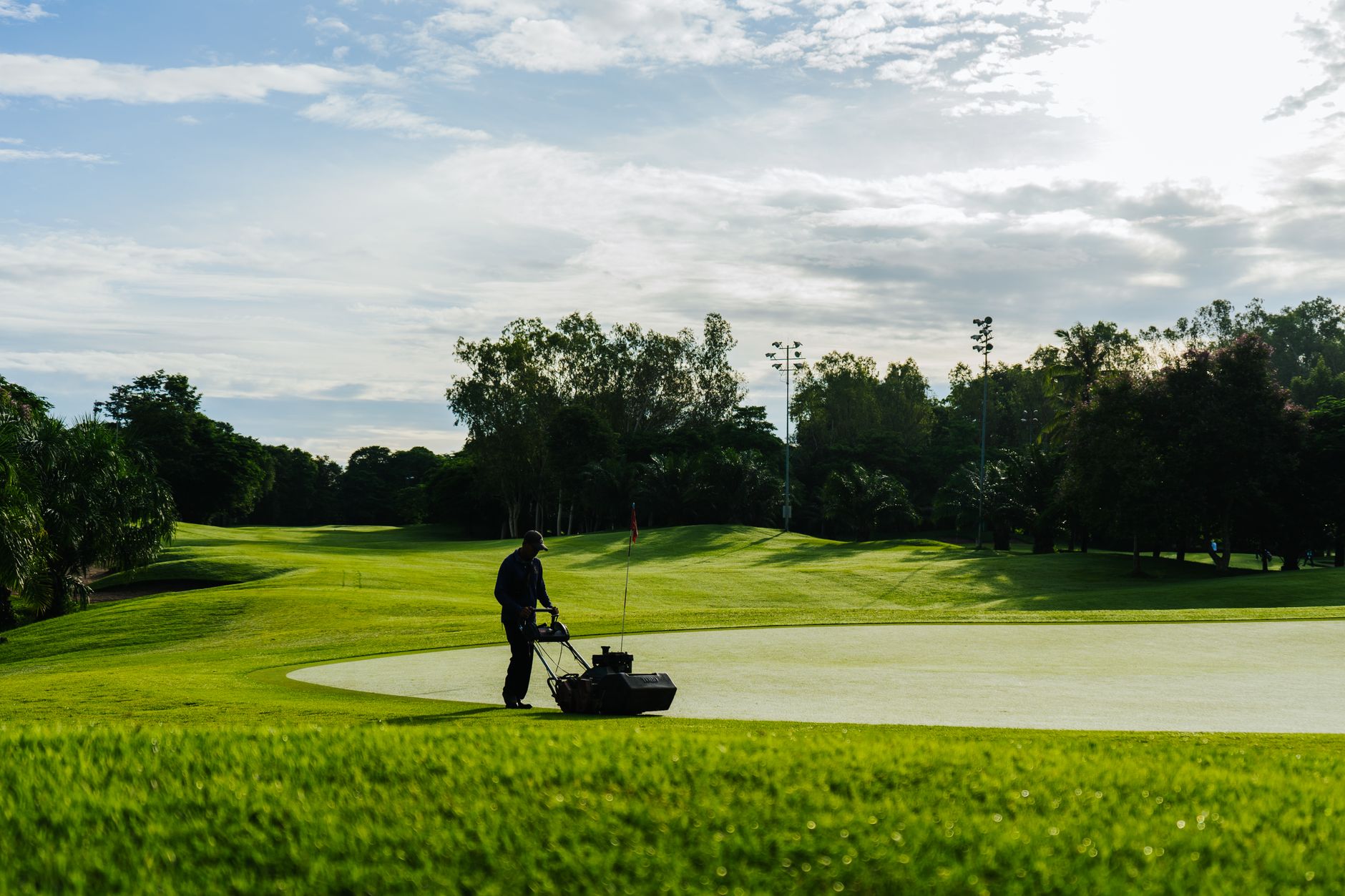
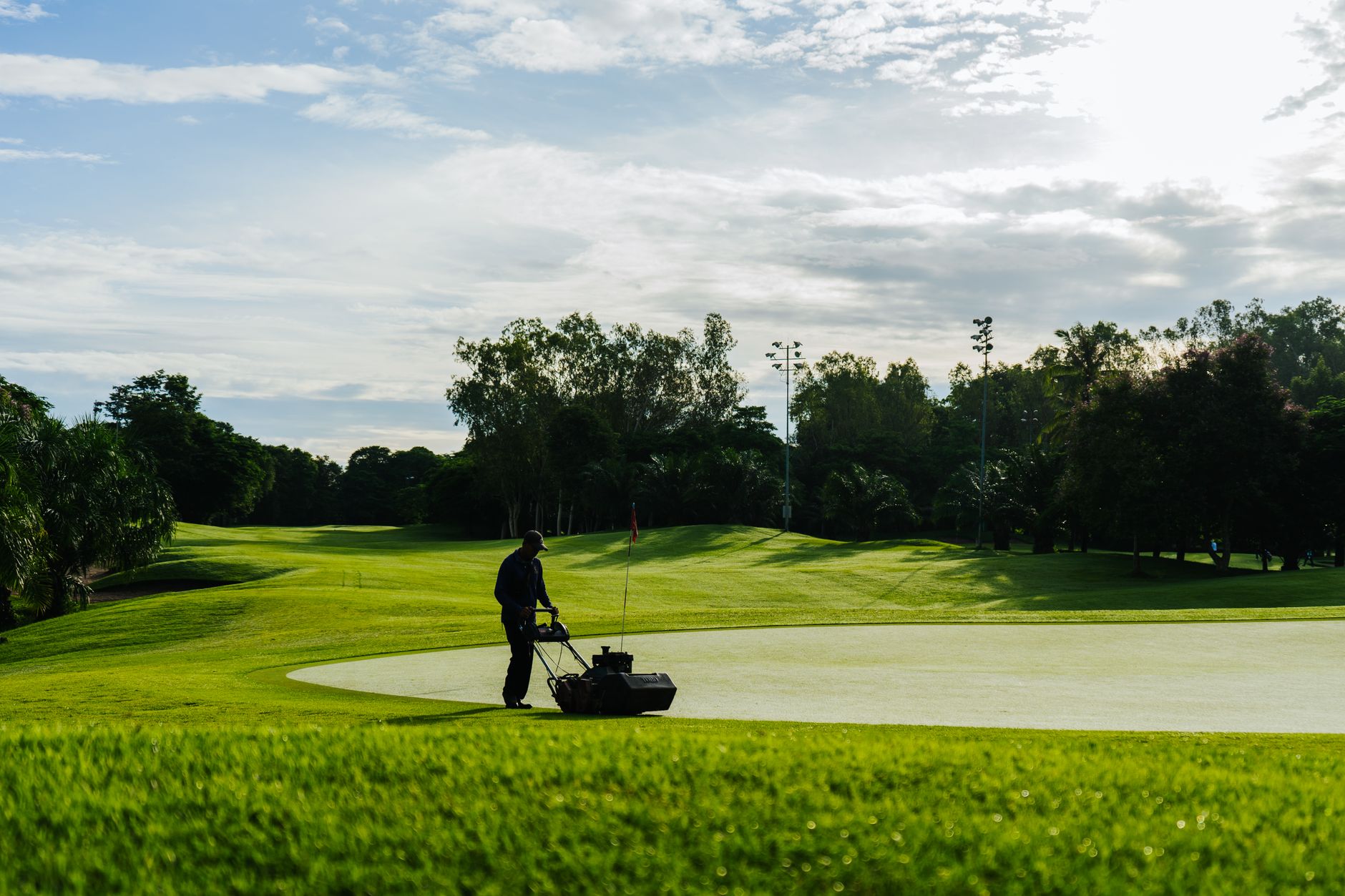
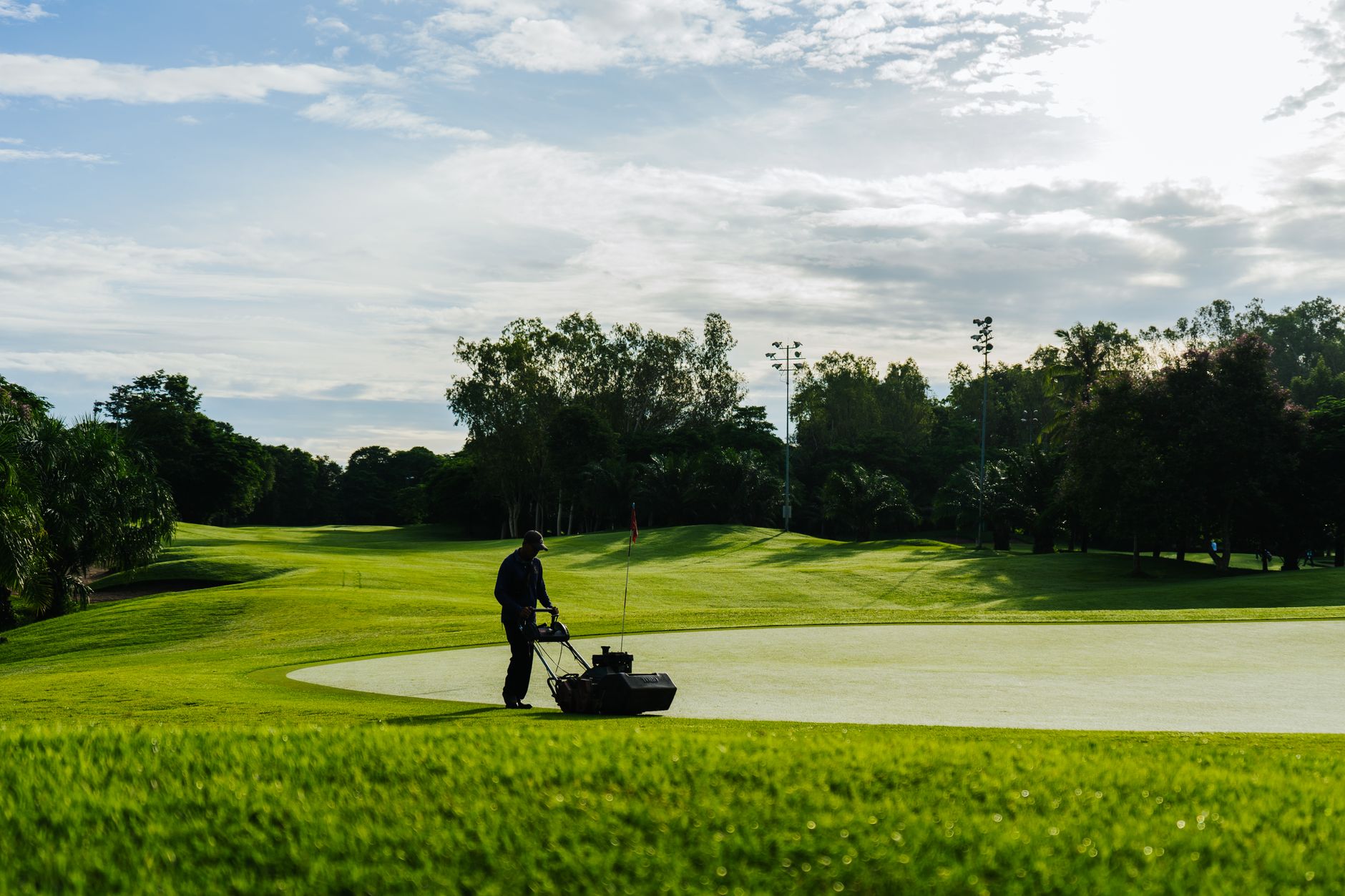
Mowers took the fairways and the practice area. According to Golf Business News, that let greenkeepers concentrate on greens, tees and bunkers, the detail work that still needs hands. A summary of Greenkeeping EU coverage says The R&A's Sustainable Agronomy team judged the robot cut turf strong.
How much of the first claim can a club verify?
The first and all 18 fairways statements come from Husqvarna and were repeated by trade press. Repetition across outlets is not independent checking, and we found no independent cost, labor or mowing schedule data for the event.
Search coverage also says nothing about how Porthcawl mapped its course, staged its machines or assigned supervision. Anyone quoting those details should say they are unknown rather than fill the gap.
Read the story as a credible sign that championship organizers will trust robots on playing surfaces. Do not read it as a benchmark for your own mowing hours.
Why a championship setup does not map onto daily play
A major runs in a bounded window, with a supplier team on hand and a course manager who can halt the field. A daily play course runs every morning, with members, cart traffic, staff changes and weather reshaping the turf before the first tee.
The logic still carries over. Move the long, repetitive passes to a machine, then keep people on the detail work the turf still needs. Porthcawl's greenkeepers gained time for greens, tees and bunkers, and a public course with a thin crew can aim for the same trade.
The approach has also moved past one event. According to Pitchcare, Royal Lytham & St Annes deployed Husqvarna autonomous mowers afterward, and one summary cited Porthcawl as precedent.
Mapping: what must a course know before the first pass?
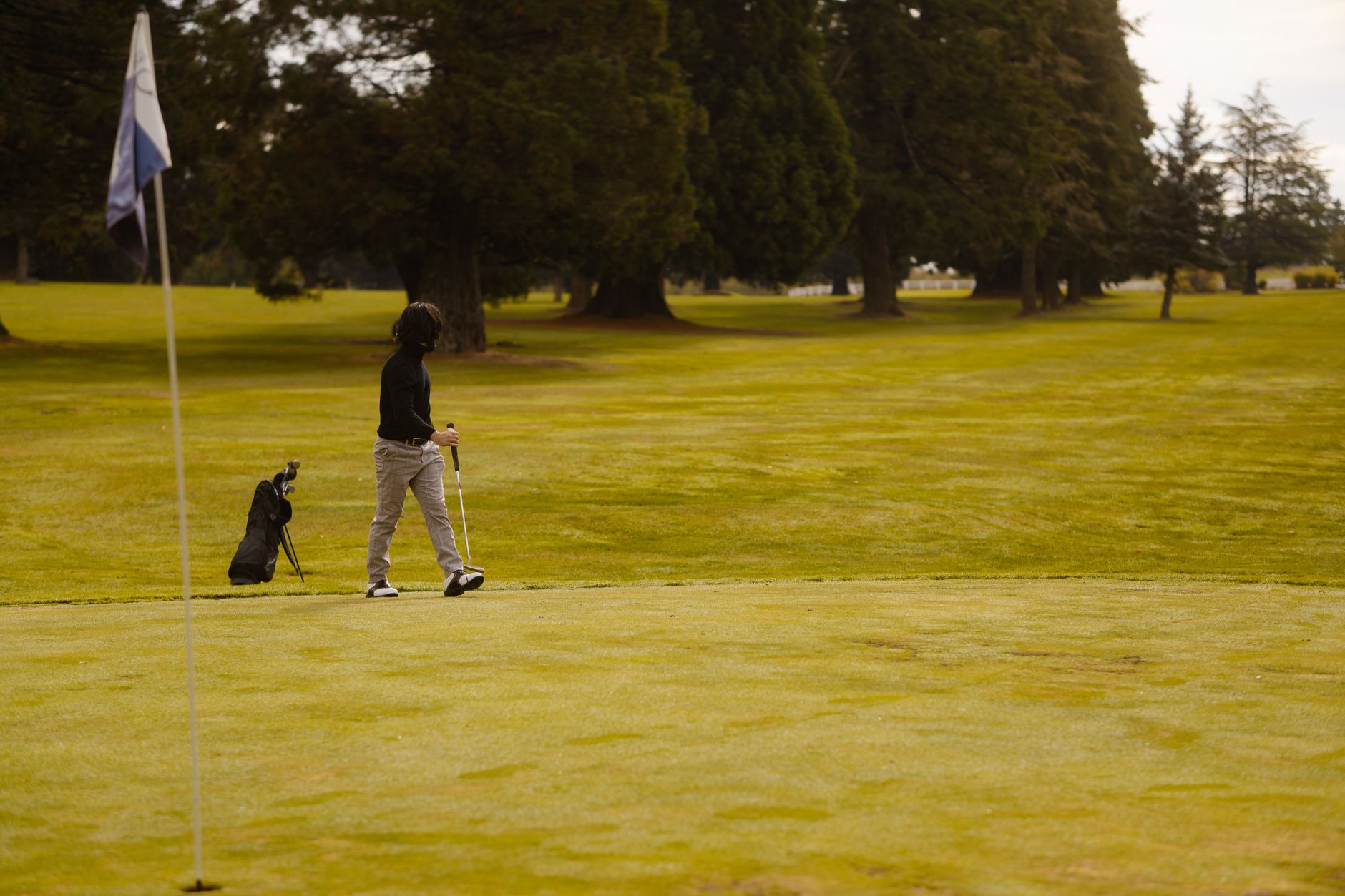
Mapping comes first. Before a machine runs, a club needs boundaries that match real playing corridors, plus clear zones around every feature a robot must respect. Site assessment mapping is where that work starts, and it decides whether the robot cuts the fairway or the path beside it.
Walk the course on foot and at mower height. Maps drawn from aerial images miss low drains and short cut-throughs that show up only when someone kneels beside them.
- Hard edges: cart paths, curbs, hardscape and any stone or concrete a machine must not touch.
- Soft edges: bunker faces, collars, drainage inlets and irrigation heads.
- Hazard zones: water banks, steep slopes and blind approaches where a pause is required.
- Temporary obstacles: tournament markers, sponsor signs and aerification or repair areas.
Staging: where the machines charge, start and wait
Staging covers charging, docking, overnight start points and holding areas. Porthcawl's reported 1:30 a.m. start shows a fleet can run before dawn, but the coverage we reviewed does not say where its chargers sat or how crews moved between them.
Choose dock sites outside member traffic and clear of tee shot lines. Keep cable runs short, plan a clear route back for service vehicles, and leave room to lift a unit out for repairs.
Start small. A phased deployment that begins with three holes lets staff learn the rhythm before the whole course depends on the machines. Each added zone should be a step the club can reverse without shutting down play.
Supervision: who answers when a mower stops?
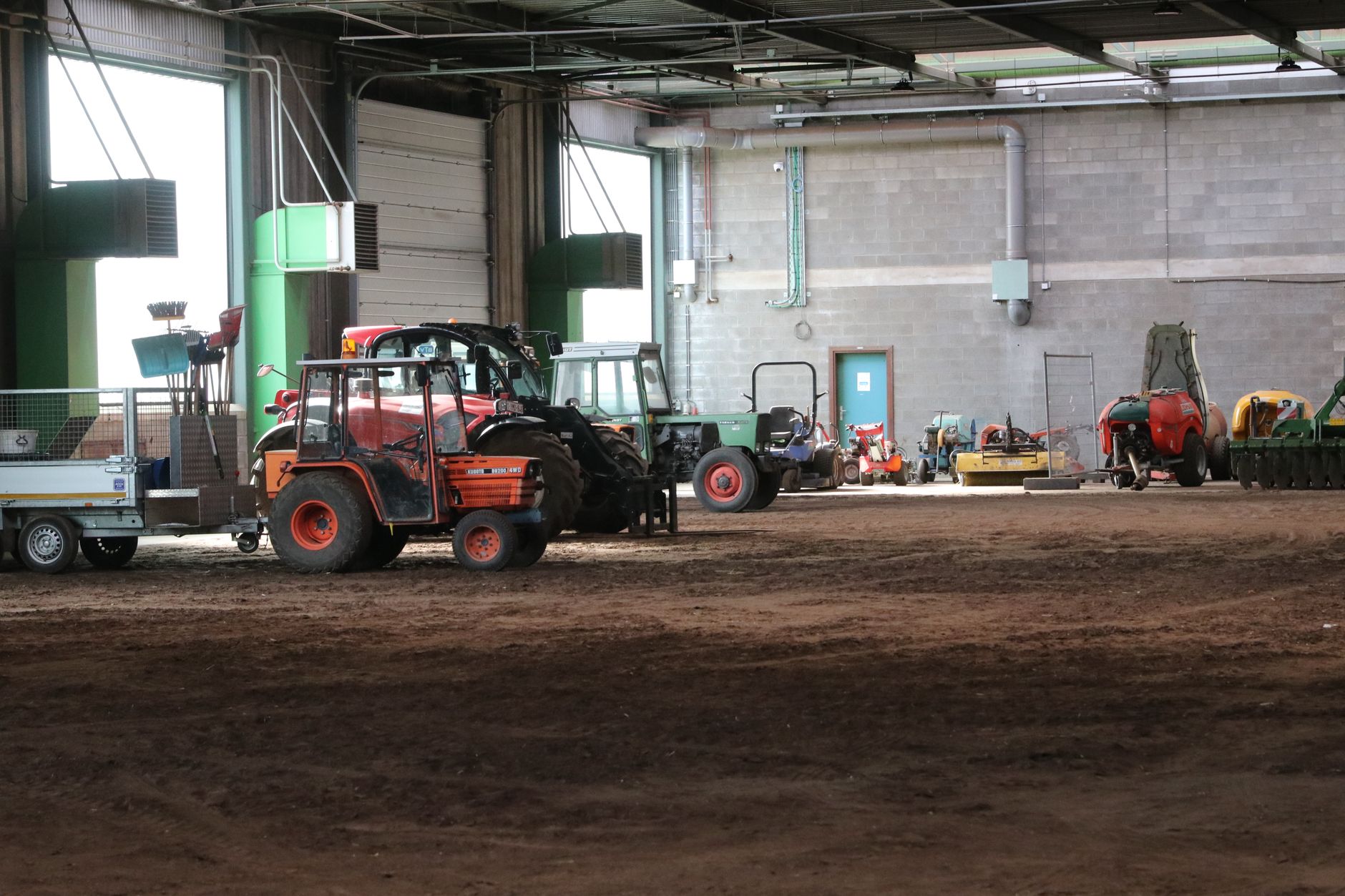
Supervision is where the Porthcawl story says least and where a daily play course carries the most exposure. A championship has a support team in the building. A club with two or three turf staff does not.
Name one person who runs the schedule and one who answers alerts during play. Write down what halts a machine automatically, what needs a human decision and who may restart it. Those rules belong in the crew handbook before the first pass.
Then plan the fault path. Ask how the vendor handles remote triage, how quickly an engineer can reach the course, and whether parts and repairs sit under the service plan. A slow answer on a fault costs a fairway pass, and on a busy weekend it can cost much more.
Where Service Robot Co. fits a daily play course
Service Robot Co. is a full service commercial robot integrator for US businesses. We are OEM neutral, so we pick the right robots across manufacturers, then lease them through financing, deploy, integrate, train and service every unit under RoboCare, our service plan, backed by regional service engineers in every state we service. One partner handles the whole lifecycle.
Our offer is a lease with a term of three years and one fixed payment quoted after a site assessment. A course can test one leased unit before discussing a fleet, which matches the sequence above: mapping, then staging, then supervision, each answered before the next zone goes live.
The manufacturers named here are described only from public coverage.
Frequently asked questions
Want a robot working for you?
Tell us the job and the site. We will recommend the robot, quote the lease, and keep it serviced.
Sources
- Golf Business News: Husqvarna and The R&A shortlisted for major industry awards
- Golf Magic: Robots prepare major golf venue for first time in history
- Today's Golfer: Women's Open at Porthcawl features robot mowers
- Golf Business News: Robotic mowers prove major boon at Royal Porthcawl
- Pitchcare: Husqvarna and The R&A shortlisted for major industry awards
- Pitchcare: Royal Lytham & St Annes deploys Husqvarna autonomous mowers
- Greenkeeping EU: The orange fleet, how robots and greenkeepers ushered in a new era at the AIG Women's Open
- Golf Monthly: Robot mowers at the AIG Women's Open, a first time at a major
Service Robot Co. is not affiliated with, sponsored by, or endorsed by the companies mentioned in this article.