Key takeaways
- Aspire's 2026 Commercial Landscape Industry Report is vendor reported and based on a survey of more than 1,000 US commercial landscaping professionals.
- Fieldwork ran May 2 to May 23, 2025, so the findings describe that spring, not the conditions a contractor faces today.
- Aspire frames the hiring problem as finding quality talent, not only filling headcount.
- An open crew seat caps the routes you can accept, and declined bids rarely appear as a line item.
- Robots can carry repeatable passes, but a crew lead still has to supervise them.
What the Aspire survey measured
Aspire released its 2026 Commercial Landscape Industry Report in October 2025. The findings are vendor reported, so they reflect Aspire's account of its own survey rather than an independent audit.
Thrive Analytics, an independent firm, fielded the survey among more than 1,000 US commercial landscaping professionals. Aspire's materials put the sample at 1,015 contractors, with responses collected between May 2 and May 23, 2025. Read the results as a picture of that spring, and check them against your own hiring data before using them to plan.
Why headcount is the wrong yardstick
Aspire's framing, as reported in its launch coverage, is that hiring challenges come down to finding quality talent, not only to filling headcount. That distinction matters on a mowing crew. A body in a work truck does not automatically produce a square edge, a steady blade setting, or the kind of finish a client notices and renews on.
Quality also depends on keeping people. An operator who trains a crew lead over two seasons and then loses that person loses more than a seat. Route knowledge, client familiarity and the judgment about which lawn needs a second pass all leave the property with them.
How much weight the figures can bear
Two survey figures appear only in secondary summaries, and we have not confirmed them against the full report. One says 42% of respondents expect the market to improve in 2026, while 38% expect it to stay about the same. Treat both as directional.
Wage data is messier. Different summaries cite different shares of contractors planning raises, and some are phrased for 2025 or appear to come from an earlier Aspire report. We leave those numbers out rather than guess which one is right. A figure about recruiting and retention as a business risk also could not be confirmed against the primary report, so it stays out too.
How labor sets the route ceiling
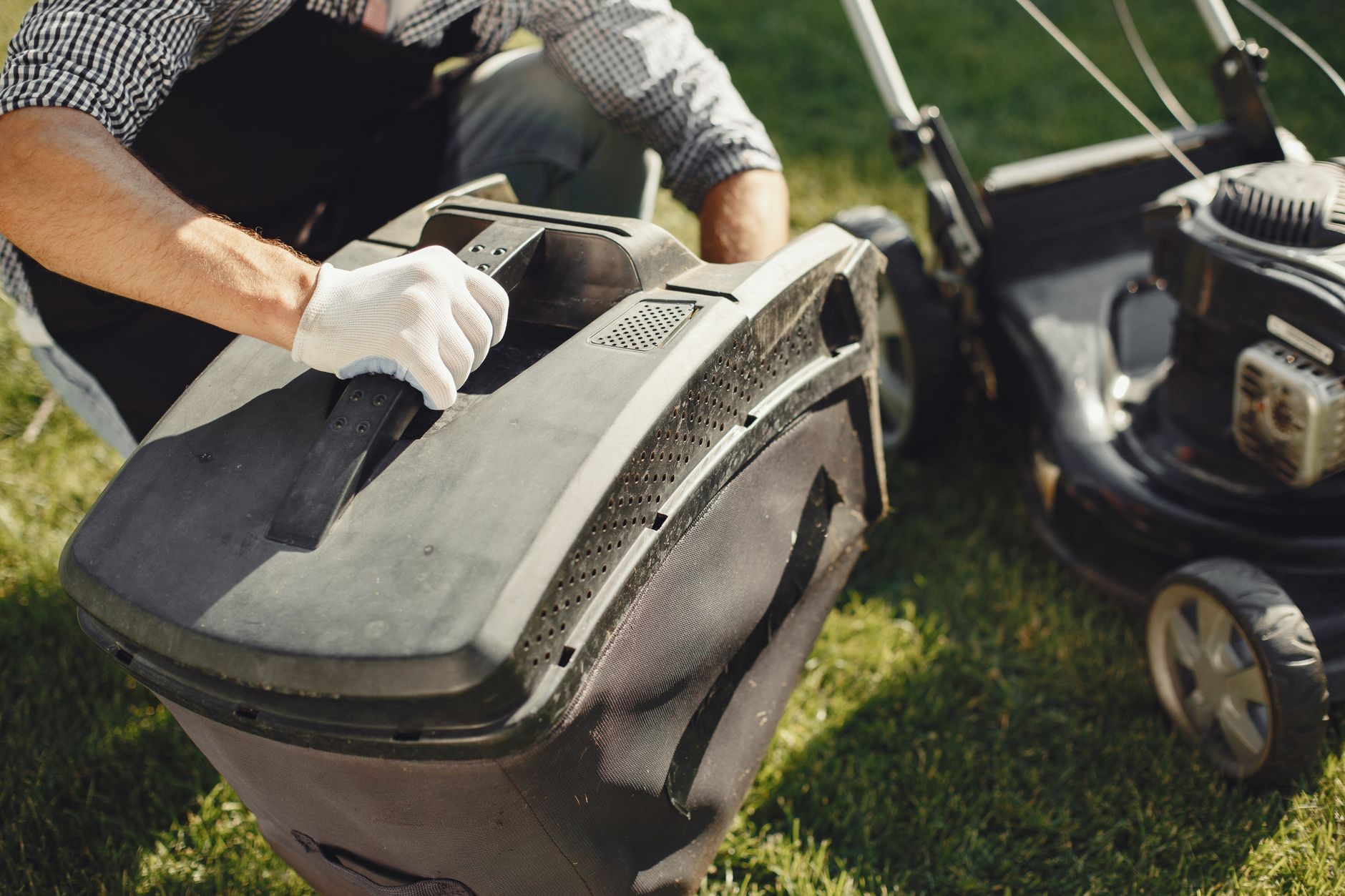
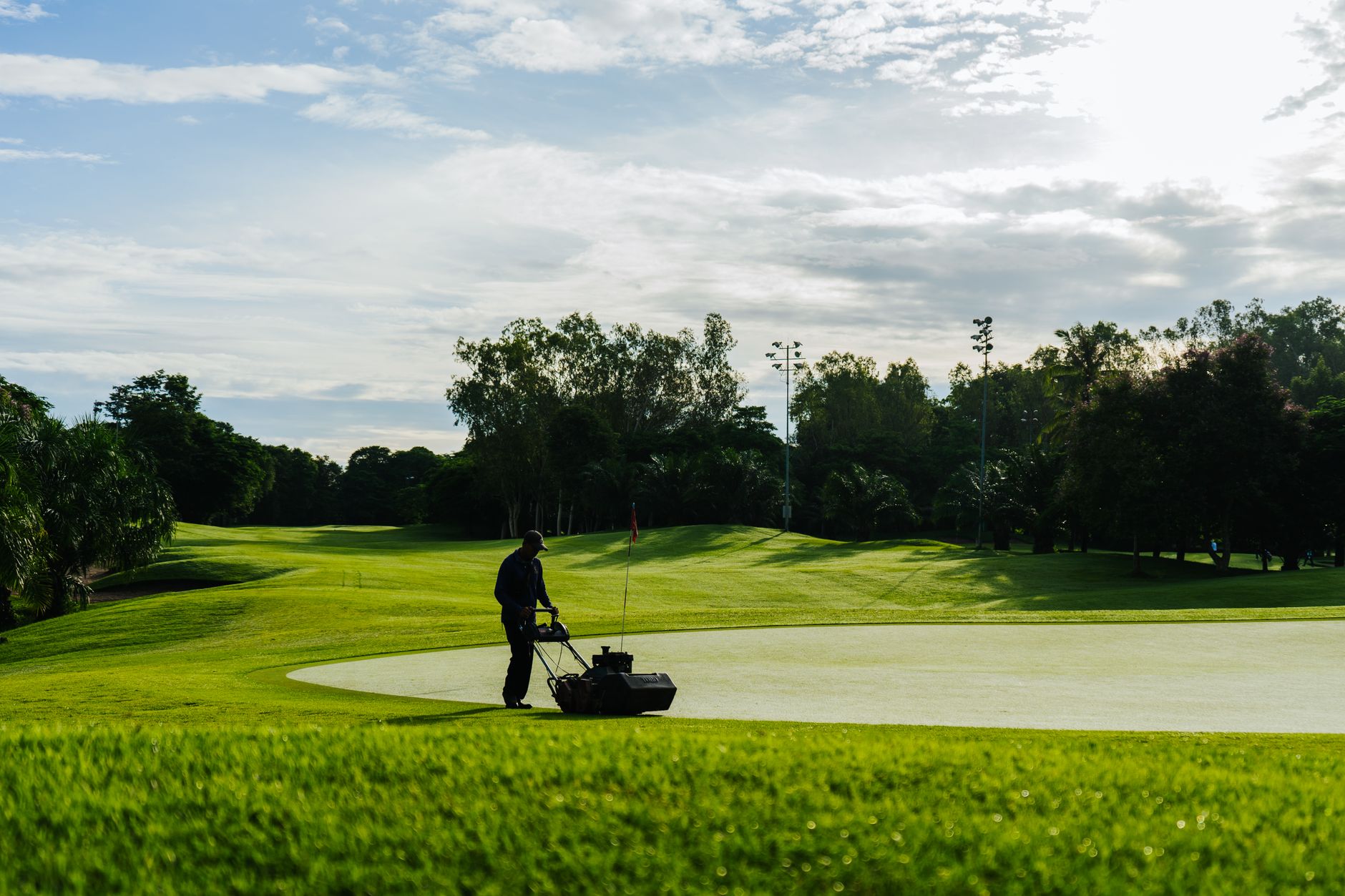
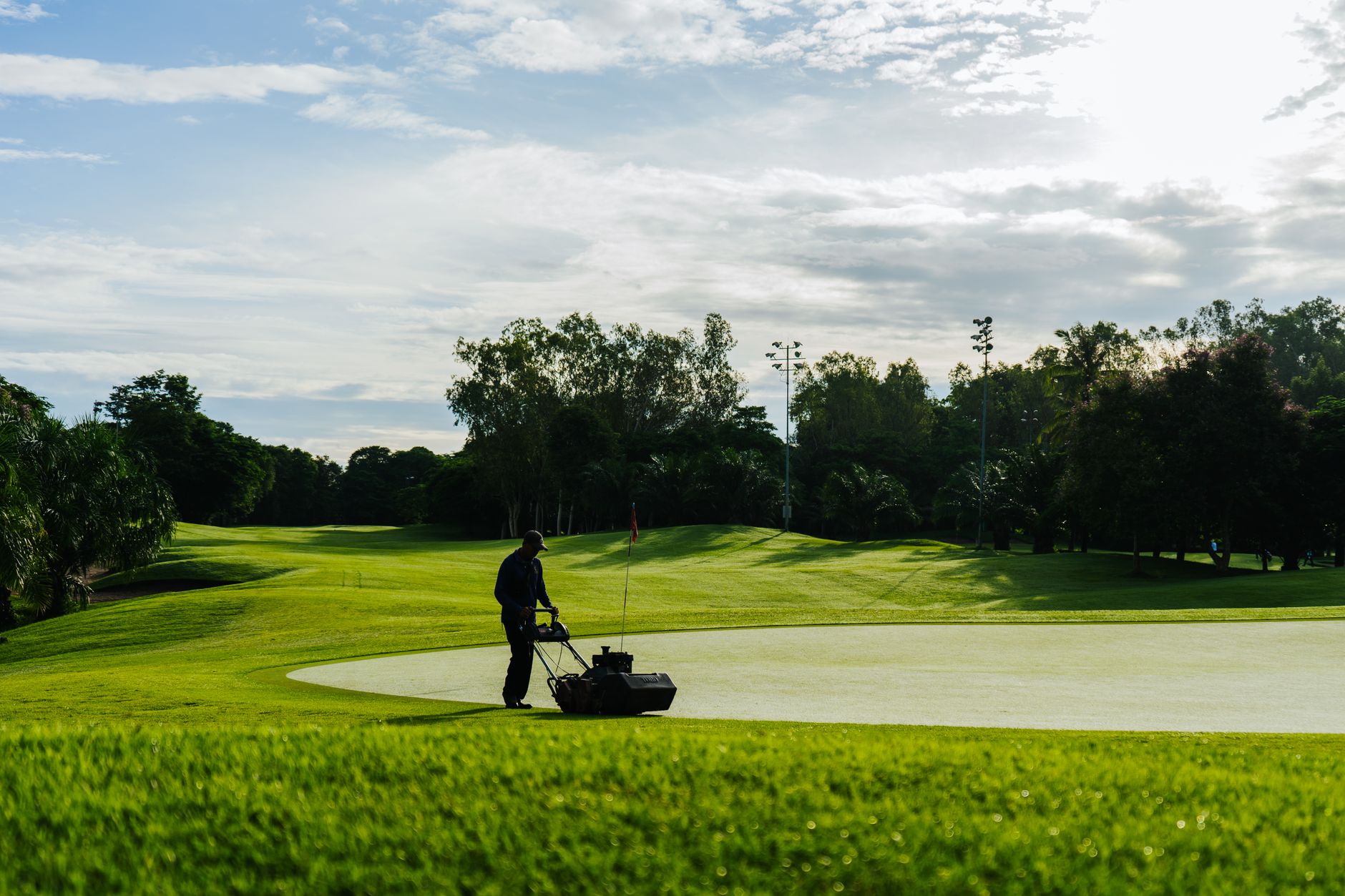
Mowing growth is largely arithmetic. A contractor can add a lawn only if a crew can cut it on the schedule the client expects, in the weeks the weather allows. When the roster runs short, sales can keep quoting, but operations has to decide which accounts get served on time.
Route density is where the squeeze shows first. A lawn several miles from the rest of the book costs drive time and crew minutes that a neighboring lawn does not. An open seat tends to land on those far routes, which are often exactly the ones a growing contractor wants to add.
What an unfilled crew seat turns away
An empty crew seat is a limit you cannot see in a list of open jobs. It surfaces when a bid is accepted and the scheduler says there is no one to run the route. By then the proposal has gone out and the client is expecting a start date.
The effects tend to fall into four places:
- Bids declined because no crew can start on the date the client needs.
- Accepted routes staffed by a thinner crew, which raises the chance of missed cuts.
- Renewals at risk when the same crew cannot hold the standard across a full season.
- Supervision gaps when a single lead is stretched across two sites.
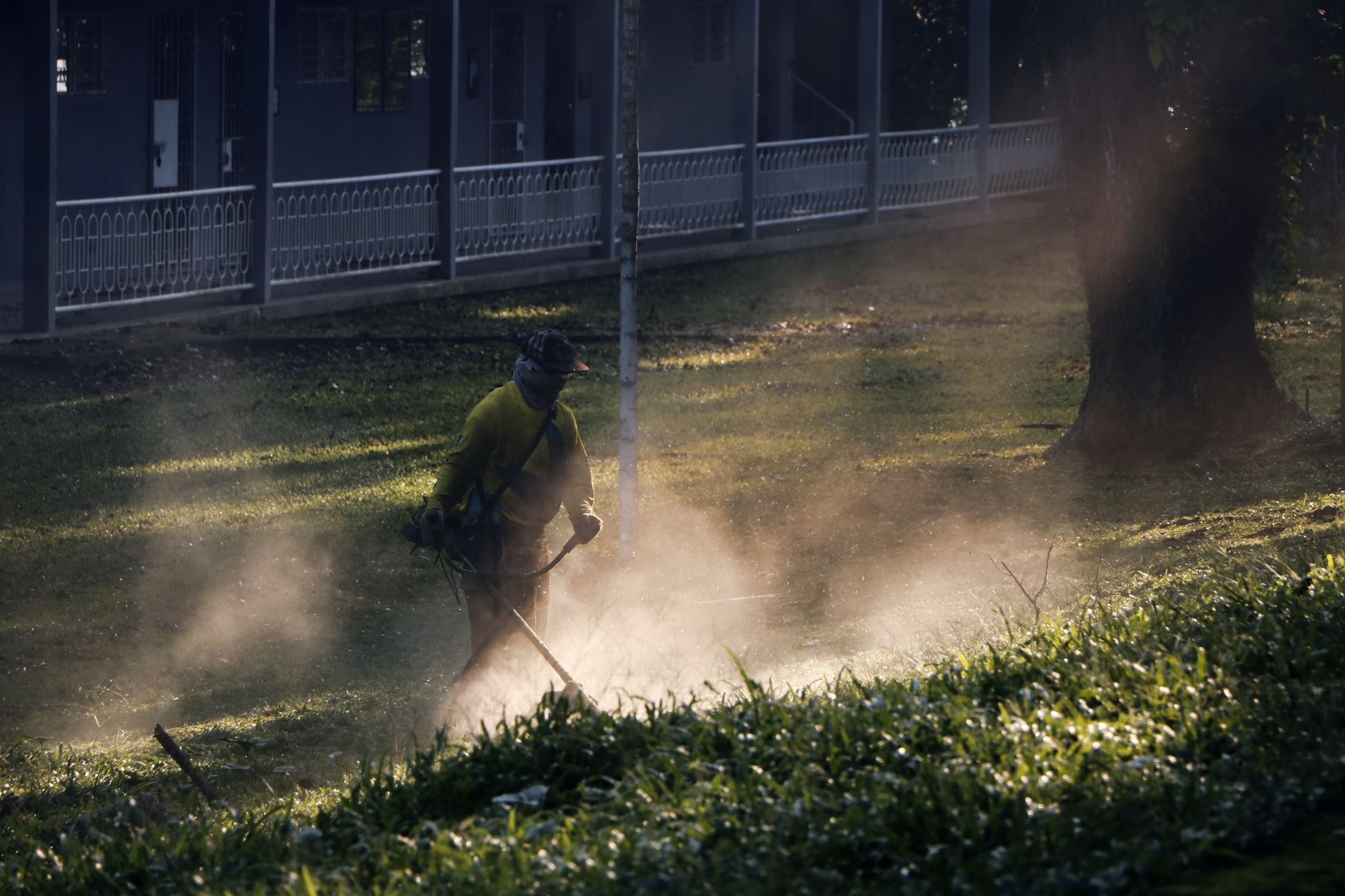
Where robots fit, and where crews stay essential
Service Robot Co. is a commercial robot integrator, not a mowing company. We are vendor neutral, so we choose the right robots across manufacturers for a given site rather than fitting the site to one brand's catalog. Robots are offered as a lease through financing on a 3-year lease, with one fixed payment quoted after a site assessment. We deploy and integrate each unit, train the people who will supervise it, and service every robot under RoboCare, backed by regional service engineers in every state we serve.
A robot does not replace a crew lead. On suitable turf it can take repeatable passes, which may free the people you already have for edging, trimming, client contact and the lawns that still need hands on them. Which properties suit that split is decided on site, through a site assessment, not in a sales deck.
Start with the seats you have filled, the hours they really work, and the routes they can hold. The open seats are a separate line, and they deserve their own price.
Frequently asked questions
Want a robot working for you?
Tell us the job and the site. We will recommend the robot, quote the lease, and keep it serviced.
Sources
- Barchart: Aspire 2026 Commercial Landscape Industry Report release
- Aspire: 2026 Landscape Industry Trends Report guide
- Turf Magazine: Aspire's 2026 Commercial Landscape Industry Report is now live
- QuiverQuant: Aspire Software releases 2026 Commercial Landscape Industry Report
- Aspire: contractors, retention and tech investments news